
Estimated reading time: 6 minutes
A patio is more than just an outdoor space; it’s where you’ll share meals, relax with loved ones, and enjoy the beauty of the seasons. Choosing the right materials can make all the difference in creating a patio that’s both functional and stylish. With so many options available, narrowing down the best fit for your needs can feel challenging. Let me guide you through the process of selecting materials that align with your lifestyle, preferences, and budget.
What You’ll Learn
- The key factors to consider when choosing patio materials.
- Pros and cons of popular options, including concrete, brick, and stone.
- How to select materials that match your lifestyle and outdoor goals.
- Eco-friendly and sustainable material choices.
- Creative tips for combining materials for a standout patio design.
1. Key Considerations for Choosing Patio Materials
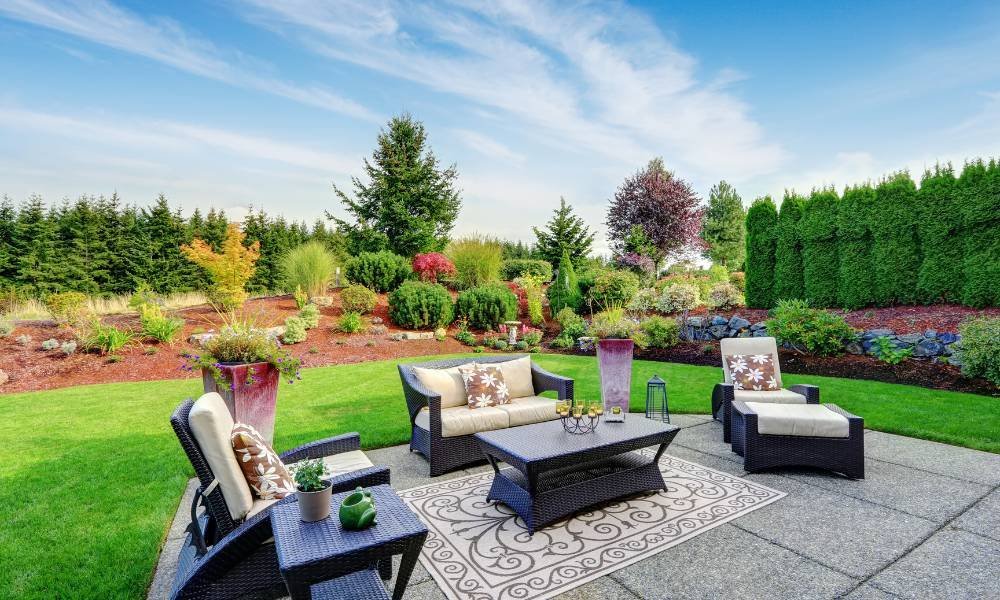
Before diving into specific materials, it’s essential to think about the practical aspects of your project. A little planning goes a long way in ensuring your patio meets your expectations.
- Budget: Some materials, like gravel, are highly affordable, while others, such as granite, come with a steeper price tag. Determine your budget early to narrow your choices.
- Weather Conditions: Your local climate plays a significant role in material selection. For example, surfaces like limestone stay cool in hot weather, while concrete can crack in areas with heavy freeze-thaw cycles.
- Maintenance: How much time are you willing to dedicate to upkeep? Gravel requires occasional raking, while pavers might need re-sanding every year.
- Durability: Consider how your patio will be used. Heavy furniture, foot traffic, or pets can wear down certain materials faster.
- Style Compatibility: Choose materials that complement your home’s design. For instance, a rustic-style home pairs beautifully with brick or flagstone, while sleek slate works well with contemporary aesthetics.
2. Popular Patio Materials: Pros and Cons
There’s no one-size-fits-all solution for patio materials. Each option has its own strengths, and the right choice depends on your priorities.
Concrete
- Advantages: Affordable, customizable, and easy to install. Concrete can be stamped, stained, or textured to mimic more expensive materials.
- Drawbacks: It’s prone to cracking over time and may need resealing to maintain its look.
- Best For: Budget-friendly projects or those looking for a simple, versatile design.
Brick
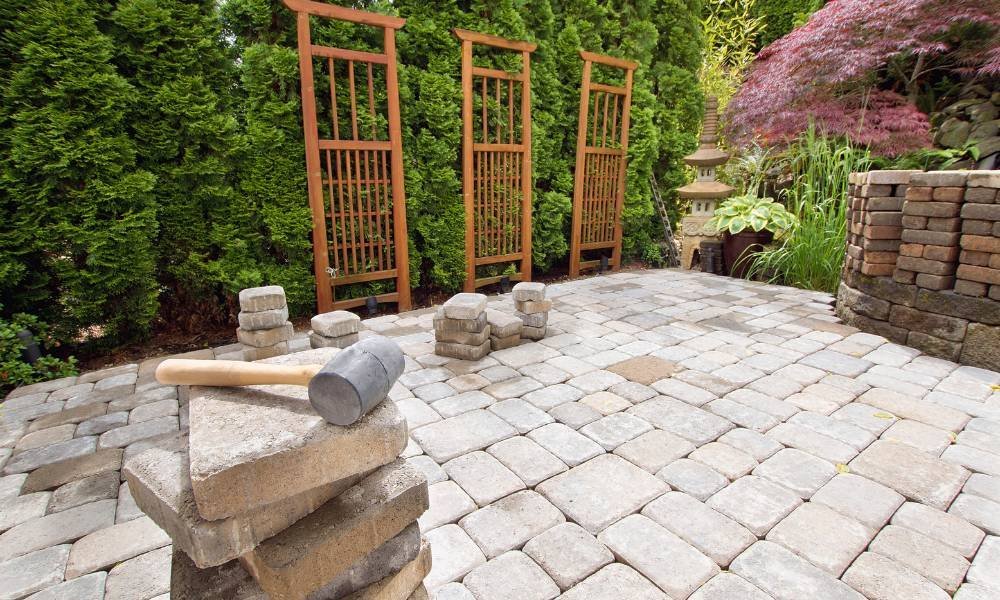
- Advantages: Classic charm, durable, and can be arranged in various patterns for visual interest.
- Drawbacks: Requires regular maintenance to prevent weed growth in the joints.
- Best For: Traditional or cottage-style homes, or patios with a warm, inviting feel.
Natural Stone
- Advantages: Offers timeless elegance and slip-resistant textures. Stone options like granite, slate, or sandstone add sophistication to any space.
- Drawbacks: Higher initial cost and professional installation are often required.
- Best For: Upscale patios or those seeking a durable, long-lasting surface.
Gravel
- Advantages: Inexpensive and easy to DIY. Its permeability makes it an eco-friendly option.
- Drawbacks: Gravel can shift underfoot and may need occasional replenishment.
- Best For: Informal patios or secondary areas like fire pits.
Slate
- Advantages: Distinctive dark colors and excellent weather resistance.
- Drawbacks: Requires sealing to prevent flaking in extreme conditions.
- Best For: Modern homes with sleek, minimalist designs.
3. Matching Materials to Your Lifestyle
Your patio should reflect your personality and how you plan to use the space. Here’s how to find materials that fit your lifestyle:
- For Entertaining: If you love hosting parties, opt for durable materials like concrete or vitrified tiles. These can handle heavy furniture and foot traffic while being easy to clean.
- For Families: Slip-resistant surfaces like sandstone or textured pavers are ideal for children and pets. They’re tough enough to withstand spills, scratches, and wear.
- For Relaxation: If your patio is your personal retreat, consider calming tones and textures. Neutral stones or slate paired with soft outdoor furnishings create a tranquil vibe.
4. Eco-Friendly and Sustainable Options
Choosing environmentally friendly materials doesn’t mean sacrificing style or quality. Sustainable options are readily available and add an eco-conscious touch to your outdoor space:
- Permeable Pavers: These allow water to seep through, reducing runoff and helping the environment.
- Recycled Materials: Rubber tiles made from recycled tires or reclaimed bricks offer durability and a second life to existing materials.
- Locally Sourced Stone: Using stone from nearby reduces transportation emissions and supports local businesses.
By incorporating green materials, you can create a patio that’s not only beautiful but also kind to the planet.
5. Creative Combinations for a Custom Look
Who says you have to stick with just one material? Mixing materials can add visual interest and functionality to your patio. Here are some ideas to inspire you:
- Combine brick pavers with a natural stone border for a blend of rustic and elegant styles.
- Use gravel in secondary areas, like pathways, alongside a central patio made of slate or granite.
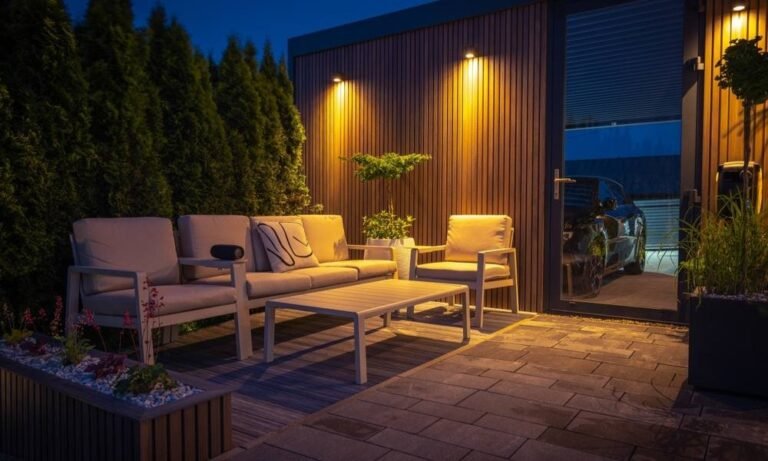
- Pair concrete with wood decking for a modern-industrial vibe.
The key to combining materials is to choose complementary colors and textures that create harmony rather than clashing.
6. Tips for Staying Within Budget
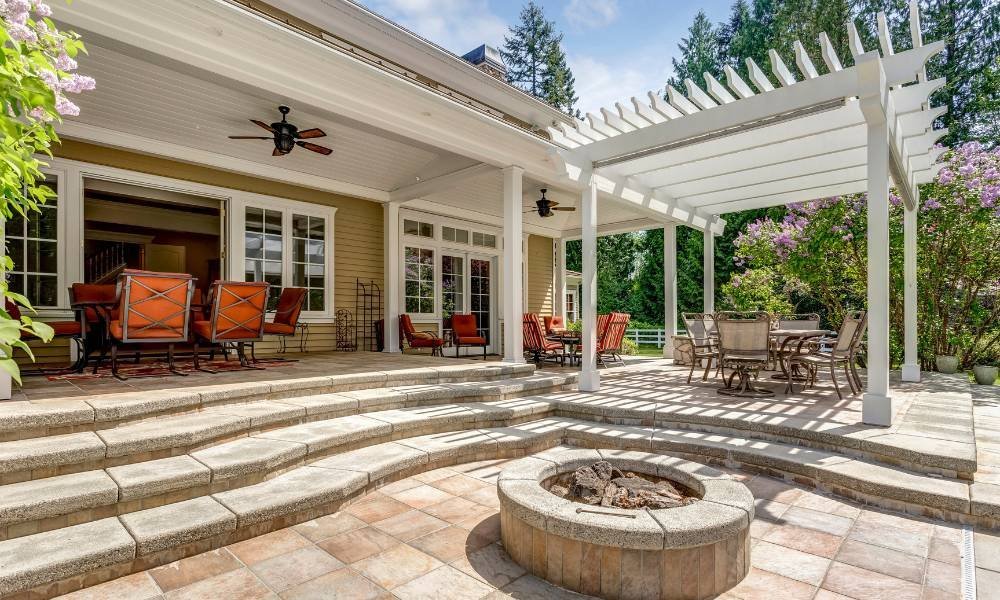
A patio doesn’t have to cost a fortune to look amazing. Here are some tips for creating a beautiful outdoor space without overspending:
- DIY Installation: Materials like gravel or simple concrete slabs are perfect for those who enjoy hands-on projects.
- Shop Smart: Look for discounts on surplus or off-season materials at local suppliers.
- Use High-End Sparingly: Splurge on focal points, like a stone fireplace or a granite accent, and balance it with cost-effective materials elsewhere.
7. Maintaining Your Patio for Longevity
Once your patio is complete, keeping it in top shape ensures it remains a functional and attractive space. Each material has unique maintenance needs:
- Concrete: Reseal every couple of years to protect against cracks and stains.
- Brick: Remove weeds and moss from joints and re-sand periodically.
- Natural Stone: Clean with a gentle soap and water solution to prevent discoloration.
- Gravel: Rake to even out the surface and add fresh gravel when needed.
By staying on top of upkeep, your patio will remain a centerpiece of your outdoor living space for years to come.
Conclusion
Choosing the best materials for your patio might seem overwhelming, but with thoughtful planning and a clear understanding of your needs, you can create a space that’s both practical and stunning. Whether you opt for the classic appeal of brick, the modern charm of slate, or the timeless beauty of natural stone, the right materials will transform your outdoor space into a true extension of your home.