Estimated reading time: 5 minutes
When it comes to home maintenance, gutters don’t always get the attention they deserve—until they start causing problems. A well-functioning gutter system protects your home from costly water damage, foundation issues, and landscaping erosion. So, how do you pick the best gutters for your home? Let me break it down for you.
What You’ll Learn in This Guide
- Why gutters are essential for home protection
- The different types of gutters and their benefits
- How to choose the right material for durability and style
- Gutter size and installation considerations
- Maintenance tips to extend the life of your gutters
Why Gutters Matter More Than You Think
Gutters are more than just an add-on to your roof. They are your home’s first line of defense against water damage. Without them, rainwater can pool around your foundation, weaken the structure, and even lead to mold issues inside your home. Foundation repairs can be extremely costly. If you are unsure whether your home is already showing signs of trouble, check out these warning signs your home needs foundation repair.
Gutter Types Which One Suits Your Home

Not all gutters are created equal. The right choice depends on your home’s style, climate, and budget. Here are the most common types
K-Style Gutters
- Most popular for residential homes
- Decorative design that mimics crown molding
- Handles heavy rain well but more prone to clogging
Half-Round Gutters
- Often found on historic homes
- Smooth shape reduces clogging but holds less water
- Best for traditional or rustic designs
Box Gutters
- Built into the roofline for a sleek look
- Great for handling heavy rainfall
- Requires professional installation and maintenance
Seamless Gutters
- Custom-fit to your home, reducing leaks
- Low maintenance and long-lasting
- More expensive than sectional gutters but worth the investment
Sectional Gutters
- Budget-friendly and easy to install
- More joints mean a higher risk of leaks
- Good for DIY projects
Gutter Materials Pros and Cons
Choosing the right material is just as important as selecting the style. Here’s a quick breakdown
Aluminum
- Lightweight, rust-resistant, and affordable
- Can dent from heavy impacts
Vinyl
- Budget-friendly and easy to install
- Not as durable in extreme weather
Copper
- Premium, long-lasting, and develops a beautiful patina
- Expensive upfront cost
Steel
- Extremely durable and handles heavy snow
- Prone to rust if not properly maintained
Zinc
- Resistant to corrosion and lasts over 50 years
- Higher price compared to other materials
Choosing the Right Gutter Size and Installation Tips
Gutters come in different sizes, typically five-inch or six-inch, but some homes may need larger ones depending on roof size and rainfall levels. Here’s what to consider
- Larger roofs need wider gutters to handle runoff
- Heavy rainfall areas benefit from oversized downspouts
- Steep roof pitches require gutters with a higher capacity
If you are thinking about installing gutters yourself, you will need a sturdy ladder, measuring tape, a hacksaw, and proper sealant. However, incorrect installation can lead to sagging, leaks, and premature failure. In most cases, hiring a professional is a smart move. If you are weighing your options, here is a helpful guide on DIY vs professional foundation repairs that might give you some insight.
Maintenance and Gutter Protection Keeping Your System in Top Shape

Even the best gutters won’t last long without regular care. Here’s how to keep them in prime condition
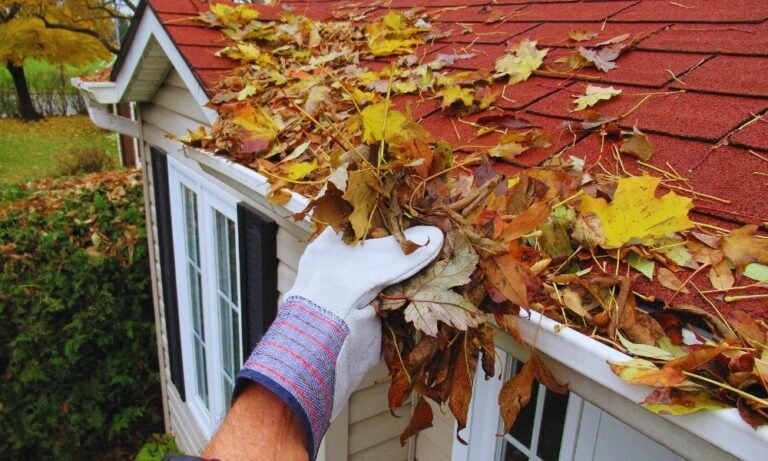
- Clean them twice a year (spring and fall) to prevent clogs
- Install gutter guards to block debris and cut down on maintenance
- Check for sagging or leaks and fix small issues before they get worse
- Ensure proper drainage by directing downspouts at least three feet away from the foundation
Clogged or broken gutters can lead to costly foundation repairs, so staying on top of maintenance can save you serious money over time. If you are looking for more ways to prevent expensive home issues, read this article on why gutter maintenance saves money in the long run.
Cost Considerations What Should You Budget For
Gutter costs vary based on material, size, and installation
- Vinyl gutters three to five dollars per linear foot (budget option)
- Aluminum gutters six to twelve dollars per linear foot (most common choice)
- Steel gutters nine to twenty dollars per linear foot (durable, but pricey)
- Copper gutters twenty-five dollars or more per linear foot (premium choice)
Installation can add one thousand to two thousand five hundred dollars to the total cost, depending on your home’s size and complexity. While seamless gutters have a higher upfront cost, they last longer and require fewer repairs, making them a smart long-term investment.
Final Thoughts What is the Best Choice for Your Home
If you want an affordable, reliable option, aluminum gutters are a great pick. If you are looking for something stylish and long-lasting, copper or zinc gutters are worth the investment. If you never want to worry about leaks, seamless gutters are the way to go.
Whatever you choose, regular maintenance is key to keeping your gutters working efficiently. If you start noticing mold buildup near your foundation, it could be a sign your gutters aren’t doing their job. Check out these hidden dangers of mold in your home for more insights.
Need help deciding on the right gutters? I specialize in expert home maintenance solutions, and I would be happy to help you find the perfect system for your home. Reach out today, and let’s keep your home safe and dry.