
Estimated reading time: 6 minutes
Creating the perfect outdoor space doesn’t just happen—it’s a thoughtful combination of design, function, and a little creativity. Lighting plays a significant role, offering safety, ambiance, and style to your exterior areas. But here’s the kicker: energy efficiency matters just as much as aesthetics. Choosing efficient lighting can save money, reduce energy consumption, and still give you that wow factor.
In this guide, I’ll walk you through everything you need to know about selecting the best options for your outdoor spaces. Along the way, you’ll pick up tips on choosing the right fixtures, avoiding common mistakes, and making the most of modern technology. Ready to brighten up your space? Let’s get started!
Why Choose Energy-Efficient Lighting for Your Yard?
Energy-efficient lighting offers a lot more than just savings on your electric bill. It’s about creating a sustainable, long-lasting, and visually appealing outdoor environment. Here’s why it’s worth the investment:
Cost Savings Over Time: Swapping traditional lights for modern options, like LEDs, can reduce energy consumption by up to 90%. Fewer replacements mean less money spent in the long run.
Environmentally Friendly: Efficient lighting options, including solar-powered and LED fixtures, use less electricity and generate fewer carbon emissions.
Better Durability: Energy-efficient fixtures, especially LEDs, are designed to last much longer than older alternatives.
Stylish Options for Every Space: Efficient doesn’t mean boring. You’ll find plenty of sleek, modern designs to suit any aesthetic.
Switching to smarter lighting solutions is a small change that can have a big impact—both on your wallet and the planet.
Types of Energy-Efficient Lighting Options
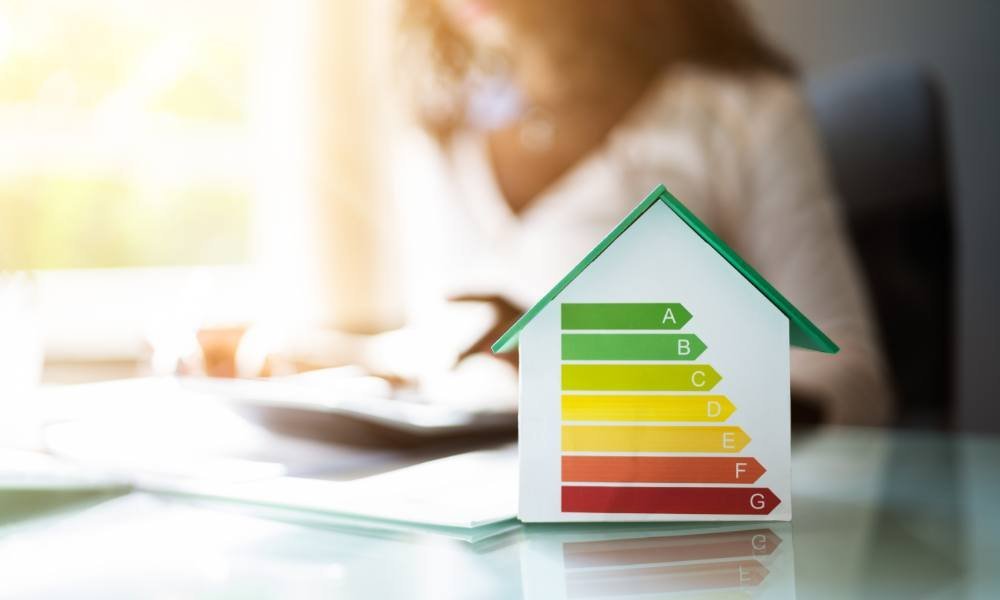
Let’s face it, navigating the world of lighting fixtures can feel overwhelming. To simplify things, here are some great options for energy-efficient outdoor illumination:
LED Lights: These are the gold standard for efficiency. LEDs consume minimal energy, produce little heat, and offer excellent brightness. They come in a variety of styles, from floodlights to pathway markers.
Solar-Powered Lights: These lights harness the sun’s energy, making them eco-friendly and cost-effective. They’re perfect for driveways, garden paths, or anywhere with consistent sunlight.
Low-Voltage Fixtures: Low-voltage lighting systems use a fraction of the electricity required by standard lights. They’re ideal for highlighting landscaping or creating subtle ambiance.
Motion Sensor Lights: Designed to activate only when needed, motion sensor lighting is a fantastic way to save energy while enhancing security.
Pro Tip: Combine solar lights with motion sensors for areas like pathways and driveways to maximize energy savings.
Designing a Functional and Beautiful Outdoor Lighting Plan
A well-designed outdoor lighting setup can completely transform your yard. The key is to strike a balance between function and aesthetics. Here’s how I approach it:
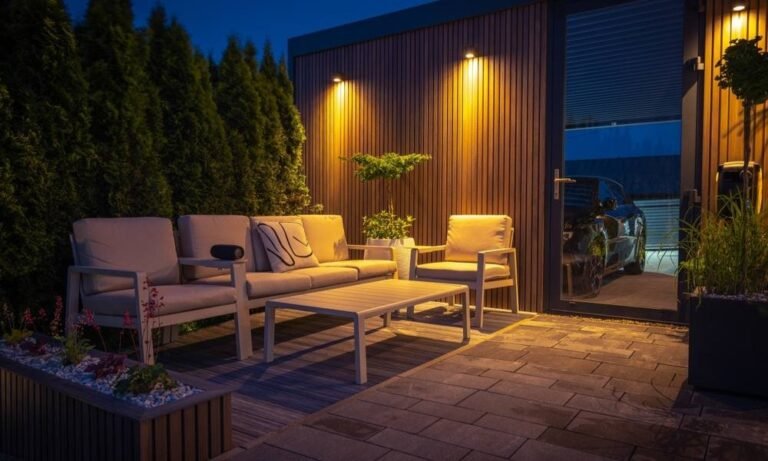
Focus on Key Areas: Prioritize lighting for high-traffic zones, such as entrances, walkways, and patios. Consider accent lighting for trees, fountains, or sculptures to create focal points.
Choose the Right Brightness: Different spaces require different light levels. Pathways and garden beds benefit from soft illumination, while driveways and security zones need brighter lights.
Layer Your Lighting: Use a combination of ambient, task, and accent lighting to add depth and dimension. For example, pair string lights with low-voltage pathway fixtures.
Minimize Glare: No one wants to feel like they’re on a movie set. Aim your fixtures downward or shield bulbs to reduce harsh glare.
Use Timers and Smart Tech: Automating your lighting schedule ensures you’re not wasting energy and keeps things simple.
Common Lighting Mistakes to Avoid
Even the best plans can go awry if you fall into these common pitfalls:
Overlighting Your Space: Too much light can wash out the atmosphere and create unnecessary energy waste. Stick to what’s necessary for safety and ambiance.
Choosing the Wrong Fixtures: Outdoor lights need to withstand the elements. Look for weather-resistant options with high IP ratings.
Ignoring Color Temperature: Warm white lights create a cozy vibe, while cool white tones are better for task-oriented areas. Choose the right temperature for the mood you’re trying to achieve.
Overlooking Maintenance: Dirt, dust, and weather can dull your fixtures. Clean and inspect them regularly to keep everything in top shape.
Modernizing Your Space with Smart Lighting
Smart technology takes outdoor lighting to the next level, combining efficiency with convenience. Imagine controlling your lights from your phone or adjusting brightness with a single tap. Sounds great, right? Here’s what smart lighting can do for you:
Automate Your Schedule: Set timers or sync lights with sunrise and sunset for effortless operation.
Energy Monitoring: Track energy usage to optimize your setup and identify savings opportunities.
Customizable Features: Change colors, brightness, and even patterns to suit the occasion. Whether it’s a casual BBQ or a romantic evening, smart lights make it easy to set the mood.
How to Maintain Energy-Efficient Lighting

Your outdoor lighting is only as good as the care you give it. Here are my go-to maintenance tips:
Clean Fixtures Regularly: Dirt and debris can dim the light output. A quick wipe with a damp cloth works wonders.
Inspect for Damage: After storms or extreme weather, check for frayed wires or damaged bulbs.
Replace Bulbs Promptly: If a light goes out, replace it quickly to avoid uneven lighting or strain on your system.
Reposition as Needed: As your landscaping grows or changes, adjust your fixtures to ensure optimal coverage.
FAQs About Outdoor Lighting
Q: What’s the best type of lighting for pathways?
A: Low-voltage or solar-powered lights are ideal. They provide just enough illumination for safety without overwhelming the space.
Q: Are energy-efficient lights expensive?
A: While the initial cost may be higher, the long-term savings on energy bills and replacements make them a cost-effective choice.
Q: Can I mix different types of lighting?
A: Absolutely! Combining LEDs, solar lights, and motion sensors creates a dynamic, layered look that’s both functional and beautiful.
Q: Do solar lights work in winter?
A: Solar lights perform best with consistent sunlight. In cloudy conditions, you may notice reduced performance. Consider supplementing with LED fixtures during winter months.
Final Thought
Choosing energy-efficient lighting for your outdoor spaces is a smart move—for your wallet, the environment, and the overall appeal of your home. With options like LEDs, solar-powered fixtures, and smart technology, you can create a sustainable and stylish setup tailored to your needs.
Take the time to plan your layout, choose durable fixtures, and incorporate modern features like motion sensors or smart controls. A well-lit outdoor space isn’t just about aesthetics; it’s about creating a safe, functional, and energy-conscious environment you’ll love spending time in.
So, what’s stopping you? Light up your outdoor spaces and enjoy the glow of both energy savings and a beautifully illuminated yard.