
Estimated reading time: 5 minutes
Finding the right way to minimize noise and create a quieter environment can make all the difference in your home or workspace. Whether you’re tired of noisy neighbors, setting up a home office, or building a soundproofed haven, the right insulation makes all the difference. Let me guide you through the essentials in a way that’s easy to understand and free of technical clutter.
What You’ll Learn
- The key differences between soundproofing and thermal insulation.
- How to select the right materials based on your needs.
- Practical installation tips for effective noise reduction.
- Budget-friendly advice to help you decide where to save and where to spend.
Let’s break it all down so you can make the best choice.
Acoustic Insulation vs. Thermal Insulation
Soundproofing is often confused with thermal insulation, but they serve very different purposes. While thermal insulation focuses on regulating temperature, noise-reducing materials aim to block or absorb sound waves.
Quick Breakdown:
- Thermal insulation: Typically lightweight and supplied in rolls, it’s designed for energy efficiency.
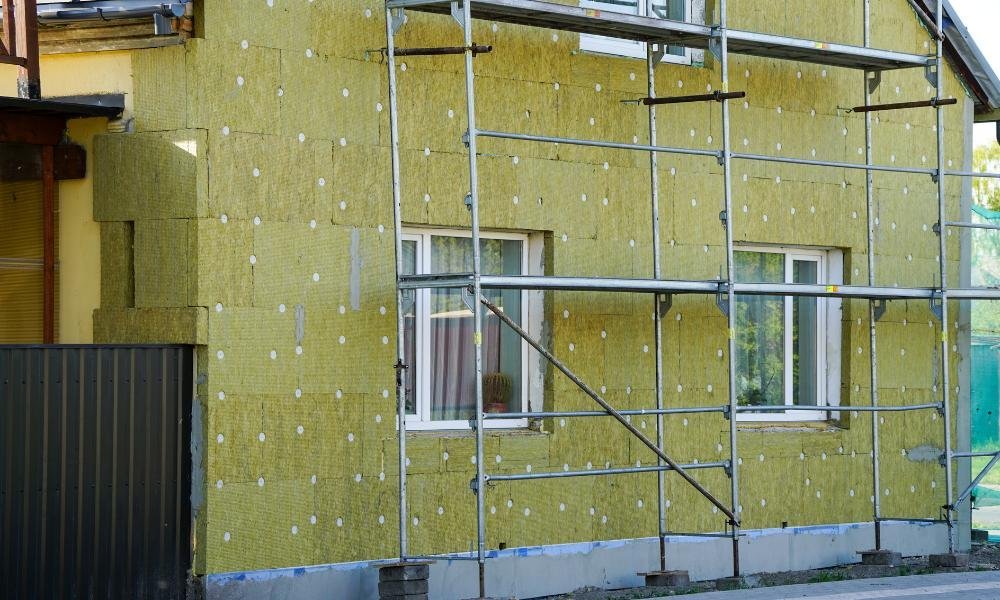
- Noise insulation: Made from denser materials, these slabs not only reduce sound but may also provide some thermal benefits as a bonus.
The denser the material, the better it is at blocking noise. However, don’t get carried away thinking density is everything—placement and installation are equally important.
How Thickness and Density Affect Noise Reduction
Two key factors determine how well an insulating material will work: thickness and density. Here’s what you need to know.
Thickness
Different applications call for varying levels of thickness:
- Walls: For stud walls, choose slabs that fit snugly without exceeding the depth of the frame (e.g., 50mm for standard walls).
- Floors: A minimum of 100mm is typically recommended for separating floors.
- Ceilings: Similar to walls, ceiling insulation should fit the space but not be compressed.
Pro Tip: A snug fit is better than cramming material into spaces. Over-compression can reduce performance.
Density
Density measures the weight of the material per cubic meter (kg/m³). Here’s a quick guide:
- 45kg/m³: Light-density slabs are sufficient for basic residential needs.
- 60-80kg/m³: These mid-range slabs are great for walls, ceilings, and general home soundproofing.
- 100-140kg/m³: High-density options are perfect for studios or spaces needing maximum noise reduction.
Best Materials for Noise Reduction
There are a variety of materials to choose from. Each has its own strengths and best-use cases.
Mineral Wool
Dense and fire-resistant, this is a go-to option for walls, floors, and ceilings. It’s particularly effective at reducing airborne noise, like conversations or TV sounds.
Mass Loaded Vinyl (MLV)
This material adds mass to walls and ceilings without taking up much space. It’s flexible, making it a good choice for those tricky areas that require customization.
Fiberglass Insulation
Affordable and versatile, fiberglass works well for most residential applications. However, you’ll need gloves during installation to avoid skin irritation.
Acoustic Foam
This lightweight material is ideal for reducing echo and reverberation. While it’s not great for blocking external noise, it’s a good add-on for studios and theaters.
Installation Tips for Effective Soundproofing
Even the best materials won’t work well if installed improperly. Here are my top tips for getting it right:
Seal the Gaps: Sound loves to sneak through cracks and edges. Use a soundproofing sealant around the perimeter of walls, doors, and windows.
Mind the Air Gaps: In stud walls, leaving a small gap between the insulation and plasterboard can enhance noise reduction. This might seem counterintuitive, but it works!
Layer for Success: If you’re tackling a noisy space, combining materials—like mineral wool with MLV—can make a noticeable difference.
Pro Tip: If you’re not confident about installation, a professional can save you time and ensure the job is done right.
When to Splurge and When to Save
Knowing where to allocate your budget is crucial. While top-tier materials have their perks, you don’t always need to go all-in.
Save on Mid-Range Options
For general home soundproofing, mid-density materials like 60-80kg/m³ slabs often provide the best balance of performance and cost.
Splurge for Specialized Spaces
If you’re building a home studio or quieting a particularly noisy area, investing in higher-density materials like 100-140kg/m³ is worth it.
Beyond the Basics: Other Considerations
While thickness and density are key, there are a few other things to keep in mind:
Fire Rating: Most high-quality noise-reducing materials have a Euro Class A1 fire rating, meaning they won’t contribute to a fire.
Thermal Benefits: Some acoustic materials double as thermal insulators, helping you save on energy bills.
Environmental Impact: If eco-friendliness matters, look for materials made from recycled or sustainable sources.
Debunking Common Myths
Here are a few misconceptions about soundproofing you can toss aside:
Myth: Thicker materials always work better.
Truth: Density and proper installation are more critical than raw thickness.
Myth: Doubling up on insulation doubles the performance.
Truth: Soundproofing improvements diminish as density increases.
Myth: Acoustic foam blocks noise.
Truth: Foam reduces echo but won’t stop external sound from entering.

Practical Benefits of Noise Reduction
Why should you invest in soundproofing? Here are just a few reasons:
- Privacy: Keep conversations private and block unwanted noise.
- Comfort: Create a peaceful environment for sleeping, working, or relaxing.
- Energy Savings: Many insulation materials also help regulate temperature, reducing your energy bills.
Conclusion: Make Your Space Work for You
Choosing the right noise-reducing solution doesn’t have to be overwhelming. By focusing on what your space needs—whether that’s better sleep, quieter work conditions, or reduced echo—you can find a material that fits your budget and lifestyle.
Now it’s time to take action. Measure your space, decide on your priorities, and get started on creating the quiet, comfortable environment you deserve. Trust me, you’ll be glad you did!