
Estimated reading time: 5 minutes
Your fence is more than a boundary—it’s a protector of privacy, a safety barrier, and sometimes even the face of your home. But like any hardworking part of your property, fences face wear and tear. Over the years, I’ve encountered my fair share of fencing issues, and I’ve learned that addressing problems early can save time, money, and frustration.
Here’s my guide to the five most common fencing problems and how to fix them effectively.
What You’ll Learn
- How to identify five common fencing issues.
- Step-by-step solutions for each problem.
- Tips for preventing future damage and maintaining your fence.
1. Broken Fence Boards
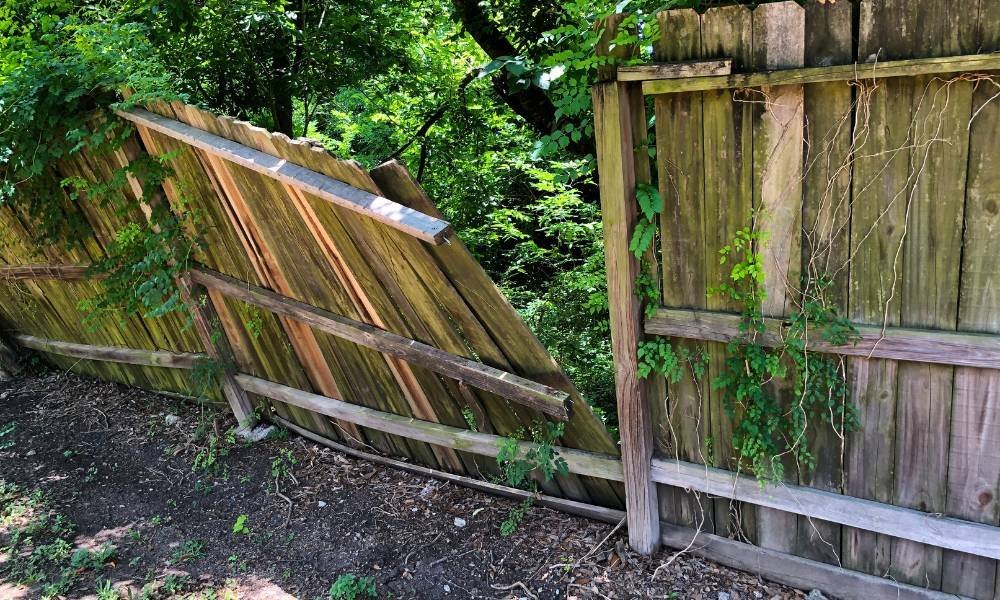
If you have a wooden fence, cracks, holes, or even fully broken boards are bound to happen. Weather, impacts, or simple aging are often the culprits.
Fix It
- Replace the damaged board with one that matches the original material. This helps maintain a consistent look.
- For small cracks, use wood filler to patch the area. Once dry, sand it smooth and finish with weatherproof paint or stain.
Pro Tip
Protect repaired boards (and your entire fence) by applying a water-resistant sealant. Trust me, a little effort now can prevent future headaches.
2. Leaning Fence
Leaning fences can be an eyesore—and a safety hazard. Weak posts or shifting soil are usually the cause.
Fix It
- Dig around the leaning post to expose its base. Straighten the post, then pour concrete around it to stabilize the foundation.
- If the post is rotted or too damaged to save, replace it entirely. This may require removing and reattaching surrounding boards.
Pro Tip
Regularly inspect posts for signs of weakness or rot. Reinforcing wobbly posts early can stop a lean before it starts.
3. Rusted Metal Fences
Metal fences are durable, but exposure to the elements can lead to rust. Left unchecked, rust weakens the structure and detracts from its appearance.
Fix It
- Use a wire brush or sandpaper to remove rust spots. For larger areas, a handheld sander might save time.
- Apply a rust-inhibiting primer, followed by a coat of rust-resistant paint. This will restore the fence’s look and protect it from further corrosion.
Pro Tip
Clean your fence periodically to remove debris and moisture that can lead to rust. A quick rinse with a hose can work wonders.
4. Gate Misalignment
A misaligned gate can be frustrating—it sticks, sags, or won’t close properly. This is often caused by worn hinges or shifting posts.
Fix It
- Tighten any loose hinges with a screwdriver or drill. If they’re bent or damaged, replace them entirely.
- If the gate frame is sagging, consider installing an adjustable gate repair kit to realign and reinforce the structure.
Pro Tip
During routine fence maintenance, check your gate’s alignment and oil the hinges. A little lubrication can go a long way toward smooth operation.
5. Rotting Wood
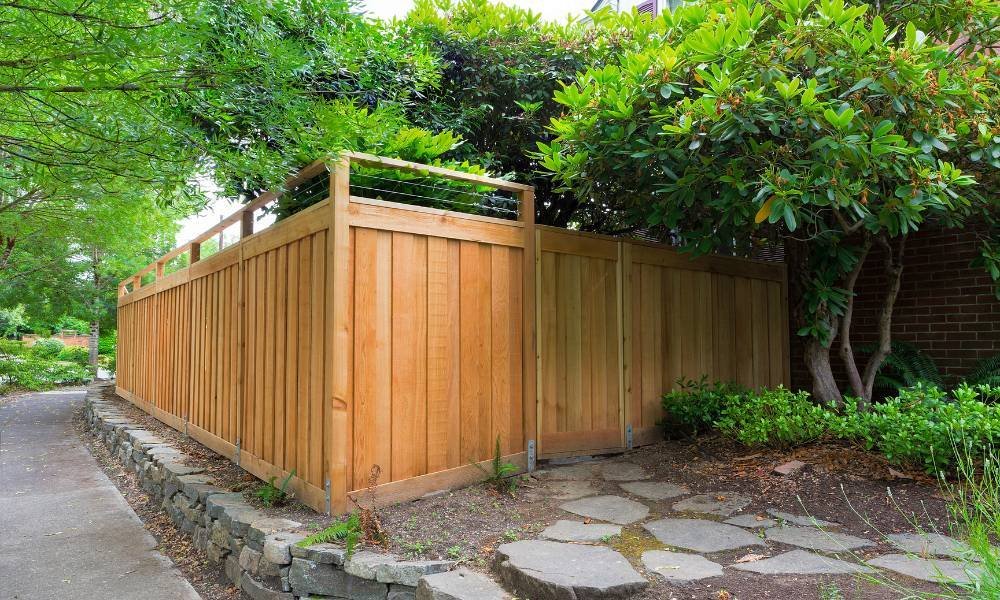
Wood fences, especially in humid climates, are prone to rot. Moisture is the main culprit, often exacerbated by poor drainage or overgrown vegetation.
Fix It
- Remove and replace rotted sections with treated wood to prevent future decay.
- Apply a protective stain or sealant to the new wood to keep moisture out.
Pro Tip
Keep plants and grass trimmed back from your fence. Improved airflow reduces moisture buildup and helps your fence last longer.
Preventive Maintenance Tips
Keeping your fence in good shape doesn’t have to be a chore. Here are a few easy habits that can make a big difference:
- Inspect Regularly: Check for loose boards, rust spots, or wobbly posts at least once a season.
- Clean Seasonally: Use a hose or mild detergent to remove dirt, mold, and debris.
- Seal or Paint: For wood fences, apply a sealant or paint every 2–3 years to protect against weather.
When to Call a Professional
While DIY fixes can handle many fence problems, some issues are best left to the pros:
- Extensive Damage: Large sections of rot or leaning fences may require professional equipment and expertise.
- Specialty Materials: Wrought iron, custom gates, or complex installations often need professional attention.
Pro Tip: Look for contractors with good reviews and ask for proof of licensing and insurance before hiring.
Final Thought
Fences are an essential part of any property, and keeping them in top shape is easier than you might think. By addressing issues like broken boards, rust, and misaligned gates promptly, you can extend the life of your fence and maintain your home’s curb appeal.
I’ve learned that a little routine maintenance goes a long way. Whether you’re tackling repairs yourself or calling in the pros, the key is to act before small problems become big ones. So grab your tools—or your phone—and take the first step toward a sturdy, beautiful fence.
With the right care, your fence can continue doing its job for years to come!