

Estimated reading time: 5 minutes
Your deck is more than just a functional outdoor feature—it’s a space where you relax, entertain, and create memories. Keeping it in top shape doesn’t just enhance its appearance; it also prolongs its life. With some simple DIY maintenance, you can keep your deck looking new and performing its best. Here’s my step-by-step guide to help you take care of your deck.
What You’ll Learn
- How to clean your deck regularly and effectively.
- What to look for during inspections to catch issues early.
- When and how to stain and seal your deck.
- How to handle mold, mildew, and stubborn stains.
- Preventive tips to maintain your deck’s beauty and durability.
1. Clean Your Deck Regularly
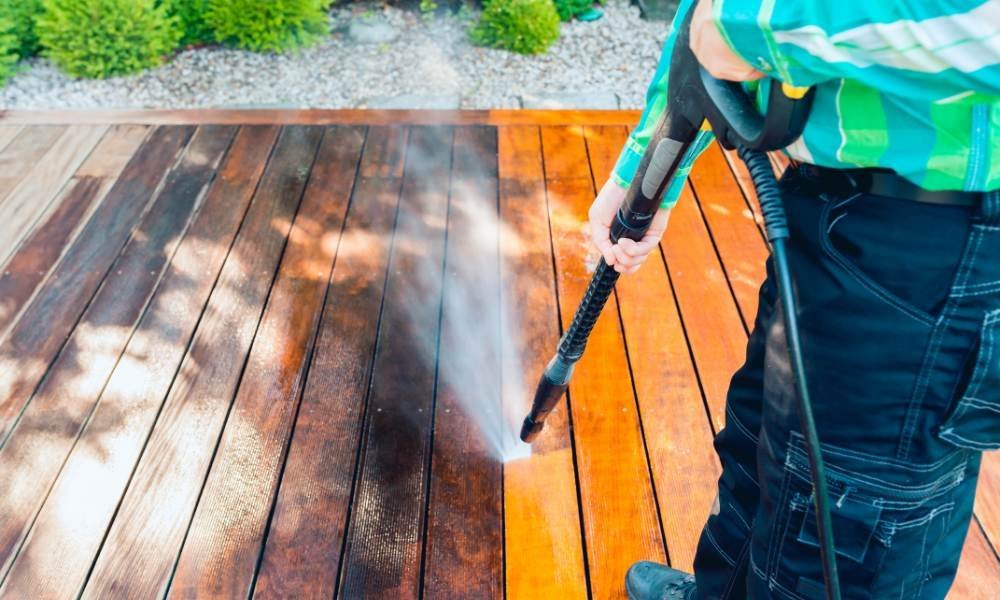
I always say that a clean deck is a happy deck. Regular cleaning prevents dirt, debris, and moisture from causing long-term damage.
- Sweep Away Debris: Start with a broom to remove leaves, dirt, and anything that might trap moisture or scratch the surface.
- Wash the Surface: Use a garden hose and a mild soap solution to clean. For tougher grime, try a deck cleaner but skip the power washer unless you’re experienced—those things can do more harm than good.
- Pro Tip: If you’re battling a stubborn stain, a mix of water and white vinegar can work wonders. It’s eco-friendly too!
2. Inspect for Damage
A quick inspection can save you a headache (and your wallet) later on. Here’s what I look for:
- Loose Boards and Nails: Tighten screws or replace nails with deck screws to secure wobbly boards. Loose nails are like tiny traps waiting to snag your socks—or worse.
- Cracks and Splinters: Sand down splintered areas and inspect for cracks that may grow over time.
- Signs of Rot or Moisture Damage: Look for discoloration, soft spots, or mold. Pay special attention to the areas where boards meet joists.
Pro Tip: After cleaning, do a “splash test”—pour water on the deck. If it beads, your sealant is still doing its job. If not, it’s time to reseal.
3. Stain and Seal for Protection
Think of staining and sealing as sunscreen for your deck—it protects against harsh weather and UV rays.
- When to Stain: If your deck’s color is fading or water doesn’t bead on the surface, it’s time for a new coat.
- How to Apply: Start by thoroughly cleaning the deck and allowing it to dry. Apply stain or sealant evenly using a brush, roller, or sprayer.
- Pro Tip: Use a semi-transparent stain to highlight the natural beauty of the wood while adding a layer of protection. Skip the temptation to go too dark—it can trap heat and speed up wear.
4. Handle Mold, Mildew, and Stains
Mold and mildew are like uninvited guests who refuse to leave, but they can be dealt with easily.
- Clean Naturally: Mix equal parts vinegar and water to scrub away mildew. For tough spots, use a deck cleaner designed for mold.
- Prevent Future Growth: Trim plants and bushes near your deck to improve airflow and reduce trapped moisture.
- Pro Tip: Don’t forget to clean between boards with a putty knife or similar tool. Moisture trapped here is a breeding ground for mold.
5. Preventive Maintenance Tips
The best way to keep your deck looking like new is to stop damage before it starts.
- Add Furniture Pads: These little pads under furniture legs prevent scratches and dents.
- Redirect Water: Adjust gutters and downspouts to keep water away from your deck.
- Protect During Harsh Weather: Use a weatherproof cover during heavy rains or snow seasons.
- Pro Tip: Place outdoor rugs in high-traffic areas. Not only do they add style, but they also protect the wood underneath.
6. Seasonal Maintenance Checklist

Regular upkeep doesn’t have to be overwhelming if you tackle it seasonally. Here’s what I recommend:
- Spring: Deep clean to remove winter grime. Inspect for damage caused by freezing temperatures.
- Summer: Touch up stain or sealant as needed. Sweep regularly to keep debris from piling up.
- Fall: Clear leaves and clean thoroughly to prepare for winter.
- Winter: Shovel snow gently with a plastic shovel to avoid scratching. Don’t let snow accumulate—it can lead to moisture damage.
7. Special Considerations for Deck Materials
Different deck materials require different approaches. Here’s how I handle the most common ones:
- Wood Decks: Clean, inspect, and seal annually. For cedar or redwood, avoid pressure washing—it can damage the softwood fibers.
- Composite Decks: While lower maintenance, they still need occasional cleaning. Use a manufacturer-approved cleaner to avoid damaging the surface.
- Vinyl Decks: These are the easiest to care for—just a quick wash with a hose keeps them looking great.
Pro Tip: If you’re not sure about your deck material, consult the manufacturer’s guide for care instructions.
8. When to Call a Professional
While most deck maintenance can be a DIY project, there are times when it’s best to bring in the pros:
- Extensive Rot or Damage: If you notice widespread rot or structural issues, don’t delay repairs.
- Complex Refinishing Projects: Stripping, sanding, and restaining large decks may require professional-grade tools and expertise.
- Pro Tip: Think of it as an investment—professionals can save you time and prevent costly mistakes.
Conclusion
Taking care of your deck doesn’t have to be daunting. With regular cleaning, careful inspections, and a bit of TLC, you can keep it looking as good as the day it was built. Trust me, a little effort goes a long way. And remember, your deck isn’t just an outdoor surface—it’s where life happens.
So, grab your broom, your sealant, and maybe a glass of lemonade. Let’s make your deck the star of your backyard!