
Estimated reading time: 5 minutes
When was the last time you checked your gutters? If your answer is somewhere between “I don’t remember” and “never,” you might be in for some trouble. A neglected gutter system can lead to water damage, foundation issues, and even mold growth inside your home. The good news? You can handle many common gutter repairs yourself with the right tools and know-how.
This guide will walk you through everything you need to get your gutters back in shape, without the headache of costly repairs.
What You’ll Learn in This Guide
- Signs your gutters need fixing
- Essential tools for the job
- Step-by-step instructions for DIY gutter repair
- Common mistakes to avoid
- When it’s time to call a professional
- Tips to prevent future gutter problems
Signs Your Gutters Need Repairs
Not sure if your gutters need attention? Here are some telltale signs:
- Water spilling over the sides during rain – Likely a clog or improper slope.
- Sagging or pulling away from the house – Brackets may be loose or broken.
- Rust spots, cracks, or peeling paint – Signs of water damage and potential leaks.
- Water pooling near the foundation – Gutters or downspouts may not be draining properly.
- Mold or mildew on siding – Often caused by leaking gutters.
Ignoring these issues can lead to costly damage, including foundation repairs. If you suspect your home may already be at risk, check out these warning signs your home needs foundation repair.
Essential Tools and Materials for DIY Gutter Repair
Before getting started, gather the right tools to make the job safer and easier:
- Ladder – A sturdy, extendable ladder with stabilizers for safety.
- Work gloves – Protects hands from sharp metal and debris.
- Gutter scoop or trowel – Helps remove leaves and dirt buildup.
- Garden hose with spray nozzle – Clears out clogs and tests repairs.
- Sealant or silicone caulk – Fixes leaks and small holes.
- Caulking gun – Ensures a smooth application of sealant.
- Cordless drill – Tightens loose brackets or screws.
- Gutter hangers or brackets – Replaces broken or missing supports.
- Tin snips or hacksaw – Cuts damaged sections for replacement.
Having the right tools on hand makes a big difference. If you need a more in-depth look at gutter maintenance, why gutter maintenance saves you money explains how regular upkeep prevents major expenses.
Step-by-Step Guide to DIY Gutter Repairs

Step 1: Safety First
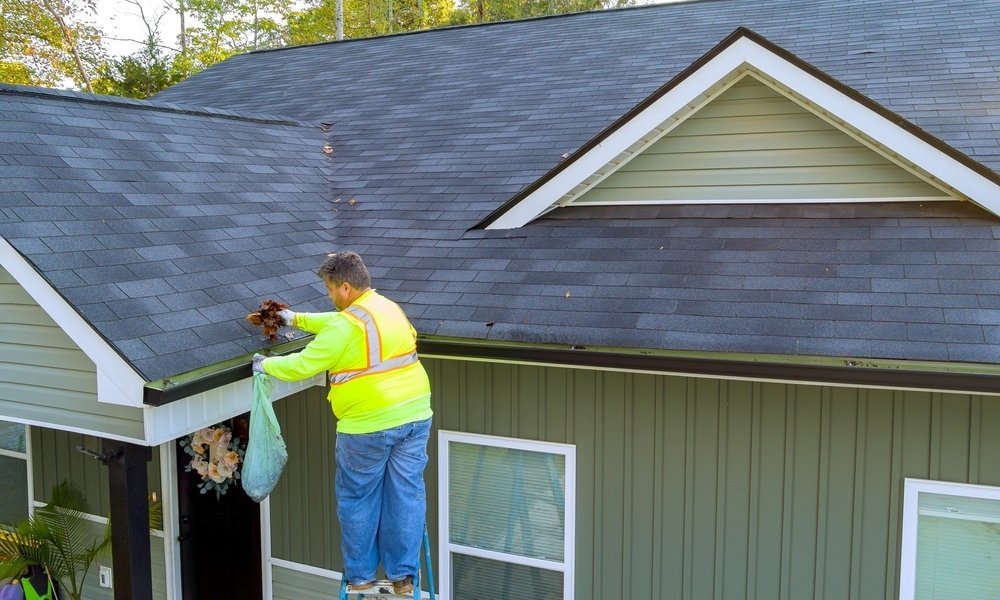
- Position the ladder on stable ground and use a stabilizer if needed.
- Wear gloves and eye protection to avoid cuts and debris exposure.
- Never lean too far while on the ladder—move it instead.
- Avoid working on gutters during wet or windy conditions.
Step 2: Clean the Gutters
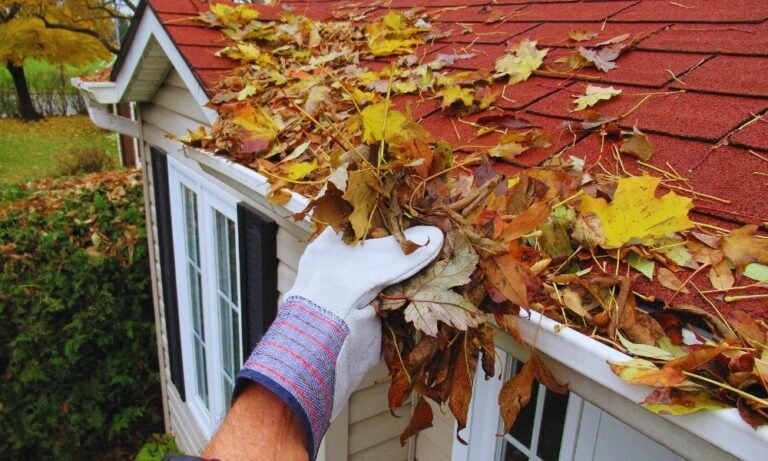
- Use a scoop or trowel to remove leaves, twigs, and debris.
- Flush out remaining dirt with a garden hose, ensuring proper water flow.
- Check for standing water—this can indicate improper slope.
Step 3: Seal Small Leaks
- Identify cracks, holes, or separated joints.
- Clean and dry the affected area before applying sealant.
- Apply silicone caulk or gutter sealant, smoothing it with a putty knife.
- Let it dry completely before testing with water.
Step 4: Fix Sagging Gutters
- Check brackets and hangers for damage.
- Tighten loose screws using a cordless drill.
- If brackets are broken, replace them with new ones.
- Ensure a slight slope toward downspouts for proper drainage.
Step 5: Replace Damaged Sections
- Measure the damaged area and mark where to cut.
- Use tin snips or a hacksaw to remove the bad section.
- Attach a new section using connectors and secure with brackets.
- Apply sealant along the seams to prevent leaks.
Step 6: Install Gutter Guards
- Choose the right type (mesh, foam, or surface tension).
- Secure them over the gutters to reduce debris buildup.
- While they don’t eliminate cleaning, they significantly cut down on maintenance.
Common DIY Gutter Repair Mistakes to Avoid

- Using the wrong sealant – Regular caulk won’t hold up; use waterproof gutter sealant.
- Skipping safety measures – A fall from a ladder can cause serious injury.
- Over-tightening screws – This can warp gutters and create leaks.
- Ignoring downspouts – A clogged downspout can cause backups even if gutters are clean.
- Not checking for proper slope – Gutters should have a slight angle for drainage.
When to Call a Professional
While many gutter repairs can be tackled on your own, some issues require expert help. Consider hiring a professional if:
- Your gutters are heavily damaged or need full replacement.
- The fascia or roofline shows signs of rot or structural damage.
- You have a multi-story home and don’t feel comfortable working at heights.
- There’s water damage near the foundation that may indicate bigger issues.
If your home has already suffered water damage, you might need to look into DIY vs professional foundation repairs to decide on the best course of action.
Preventing Future Gutter Issues
Taking a proactive approach to maintenance can save you time and money. Here are a few ways to keep your gutters in great shape:
- Clean them at least twice a year – Spring and fall are the best times.
- Trim overhanging branches – Reduces the amount of leaves clogging gutters.
- Check for leaks and sagging regularly – Catching small problems early prevents bigger repairs.
- Make sure downspouts direct water away – At least three feet from your foundation.
- Consider professional inspections – A periodic check-up ensures everything stays in working order.
For more guidance, take a look at how to choose the best gutters for your home to make sure you have the right system in place.
Final Thoughts
Gutters may not be the most exciting part of home maintenance, but they play a crucial role in protecting your property. With the right tools and a little effort, you can handle common gutter repairs yourself and prevent costly issues down the line.
That said, some jobs are best left to the pros. If you’re dealing with extensive damage or unsure about the repair, don’t hesitate to call in an expert. Keeping your gutters in top shape now will save you from bigger headaches in the future.