
Estimated reading time: 5 minutes
Taking care of your trees can be a satisfying way to maintain the beauty of your outdoor space. With the right tools and a little know-how, you can manage some tasks on your own. But let’s be honest—not everything is a DIY project. Some jobs require expertise, the right equipment, and, most importantly, a focus on safety. In this guide, I’ll help you understand what you can handle yourself and when it’s time to call in the experts.
What You’ll Learn
- Simple tree tasks you can confidently handle.
- Clear signs it’s time to bring in professional help.
- Potential risks of tackling complex jobs on your own.
- The unique value professionals bring to your tree care routine.
- Questions to ask before hiring a specialist.
Tasks You Can Handle on Your Own
Let’s start with the manageable stuff—the kind of tree maintenance you can tackle with basic tools and a bit of effort.
1. Pruning Small Branches
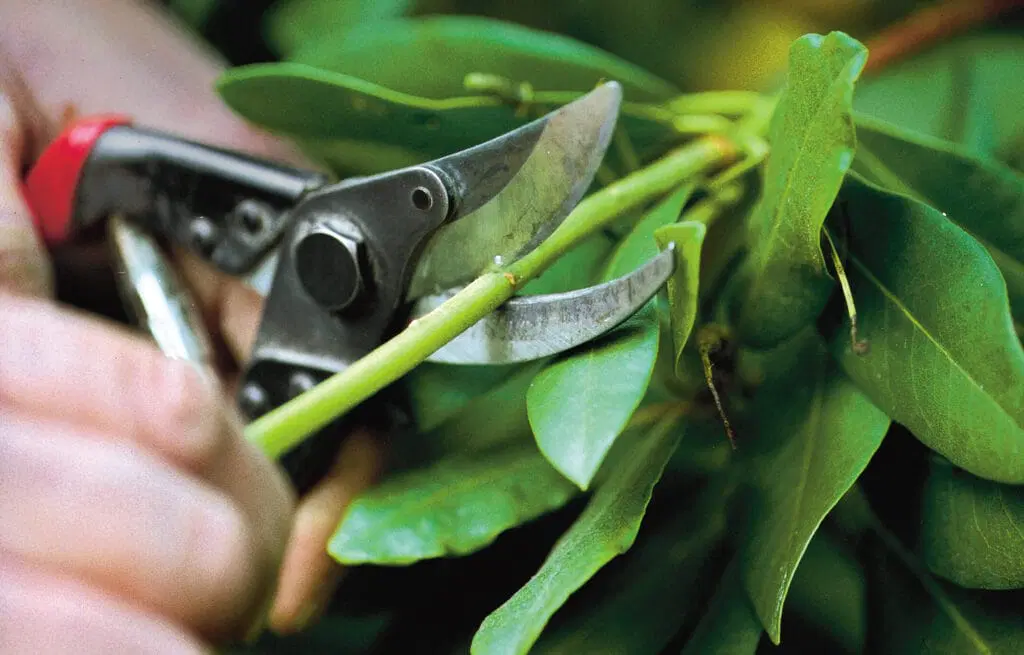
Trimming small, easily reachable branches can help improve the shape of your tree and eliminate deadwood. This job doesn’t require special skills—just sharp pruners and some common sense. Remember to avoid cutting too close to the trunk or leaving stubs, which can lead to decay.
2. Adding Mulch
Mulch is like a warm blanket for your trees, helping regulate soil temperature, retain moisture, and keep pesky weeds at bay. Spread a 2-4 inch layer around the base, but keep it a few inches away from the trunk to prevent rot. Simple, effective, and oddly therapeutic.
3. Watering and Feeding
Proper watering and occasional fertilizing can help your trees thrive, especially young ones. Make sure to water deeply but not too frequently—most trees prefer a good soak to a shallow sprinkle.
When You Should Call a Pro
Some tree jobs are simply out of our league. Here are clear signs that you need the help of a professional.
1. Large Tree Removal
Taking down a big tree is a dangerous undertaking. If it’s close to buildings, power lines, or fences, one wrong move can result in serious damage. Pros have the tools and techniques to do it safely.
2. Diagnosing Diseases or Pests
If your tree’s leaves are yellowing, the bark is peeling, or you’ve spotted unusual holes, it might be battling an infestation or disease. A trained arborist can identify the issue and recommend the right treatment.
3. Post-Storm Cleanup
Storms can wreak havoc on trees, leaving broken branches or weakened trunks in their wake. Even if the damage doesn’t look severe, structural issues might still be hiding. Calling in an expert prevents surprises down the road.
4. Planting New Trees
While it seems simple, planting a tree involves more than digging a hole. Choosing the right species, ensuring proper spacing, and understanding soil conditions all play a role in long-term success.
5. Trimming Near Power Lines
This one’s non-negotiable. Working around power lines without proper training is incredibly dangerous. It’s a job for a certified professional equipped with the right tools.
Why DIY Can Go Wrong
Taking matters into your own hands might seem cost-effective, but the risks often outweigh the rewards.
Safety Concerns
Pruning high branches, climbing ladders, or using chainsaws can lead to serious injuries if not done correctly. Trust me, a trip to the emergency room isn’t worth the savings.
Tree Health Issues
Improper cuts, over-pruning, or misapplied treatments can harm your tree, sometimes irreparably. It’s one thing to give a bad haircut—it’s another to damage a tree you’ve nurtured for years.
Hidden Costs
DIY might seem cheaper, but mistakes can lead to higher expenses in the long run. Whether it’s repairing property damage or hiring a pro to fix errors, those costs can add up quickly.
The Value of Professional Expertise
1. Specialized Knowledge
Tree specialists don’t just wing it. They’ve studied tree health, growth patterns, and diseases. This expertise allows them to diagnose problems accurately and recommend effective solutions.
2. Safety and Liability
Tree care professionals are trained to handle hazardous situations, whether it’s trimming towering branches or removing a leaning tree. Reputable companies also carry insurance, protecting you from liability in case of accidents.
3. Advanced Equipment
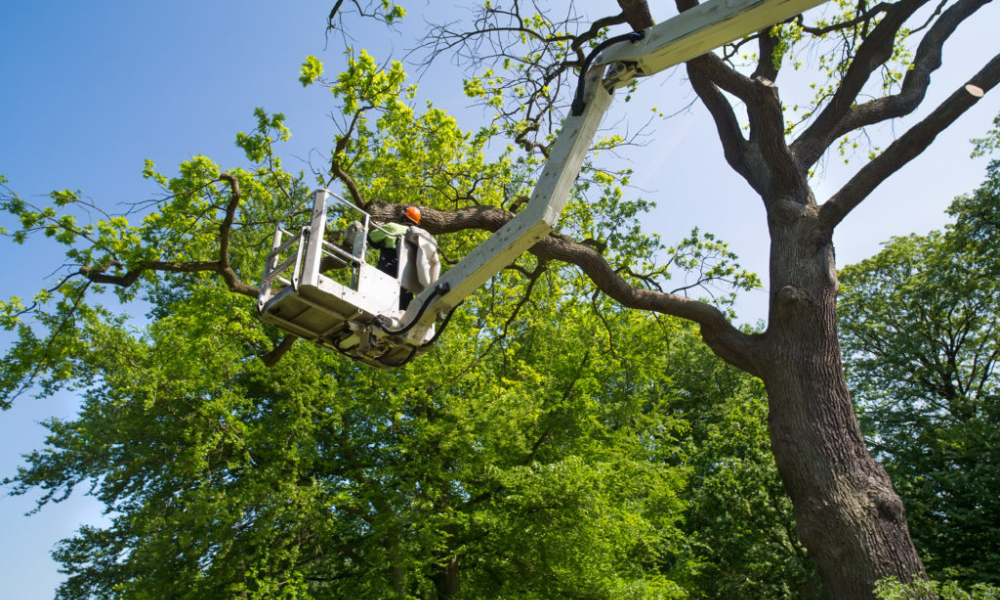
From high-powered saws to aerial lifts, pros have tools that make complex jobs faster and safer. It’s equipment most of us don’t have (and probably wouldn’t know how to use).
4. Long-Term Benefits
A properly maintained tree is healthier and more resilient, saving you time, money, and stress in the long run. Professionals ensure your trees are set up for success.
Questions to Ask When Hiring a Professional
Hiring the right expert matters just as much as recognizing when you need one. Here’s what to ask:
- Are you certified and insured? This ensures you’re working with qualified, reputable professionals.
- What’s included in your services? Clarify if cleanup or additional treatments are part of the package.
- Can you provide references or reviews? Check their track record before signing a contract.
- Do you offer an estimate? Always get a cost breakdown to avoid surprises.
DIY vs. Professional Care: A Side-by-Side Look
| Factor | DIY | Professional |
| Cost | Lower upfront | Higher upfront, saves over time |
| Safety | Risky for larger tasks | Safer and insured |
| Tools Required | Basic equipment | Advanced, specialized tools |
| Expertise | Limited knowledge | Extensive, precise skills |
Conclusion
Tree care doesn’t have to be an all-or-nothing affair. You can handle simple tasks like pruning small branches or adding mulch with confidence. But when the job is too risky, complex, or critical for your tree’s health, it’s time to call in a professional.
Knowing your limits isn’t a sign of defeat—it’s a smart move that protects both you and your trees. So, the next time you’re debating whether to pick up your tools or your phone, think about what’s truly best for your landscape. After all, a well-maintained tree is worth the effort, whether it’s your own or a professional’s.