Estimated reading time: 5 minutes
Septic maintenance isn’t the most exciting home task, but ignoring it? That’s a recipe for disaster. A backed-up toilet, strange odors, or a soggy yard are all signs I’ve waited too long to take care of things.
The good news? It doesn’t take much effort to keep everything running smoothly. I just need to follow a few simple do’s and don’ts to prevent costly repairs and headaches.
Here’s what I’ll cover:
- Essential maintenance steps
- Common mistakes that can cause major issues
- Warning signs that I shouldn’t ignore
- Best practices to extend the lifespan of my setup
By following these tips, I can avoid messy problems and keep my home’s wastewater treatment working efficiently.
The Do’s of Septic Care
A little attention now can save me from expensive problems later. Here’s how I keep everything working as it should.
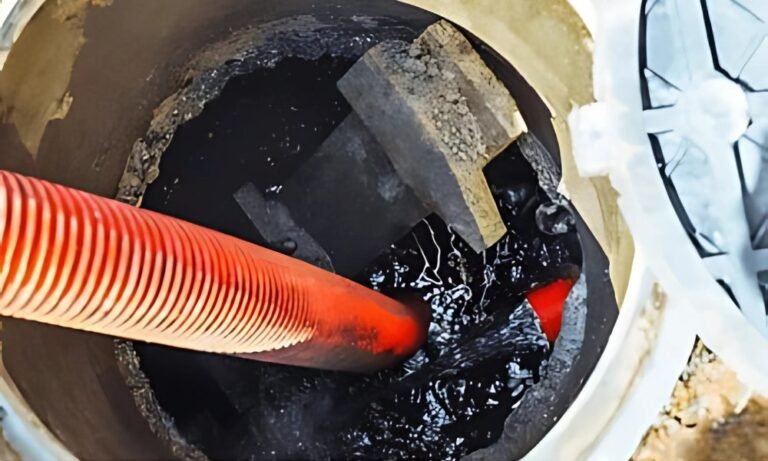
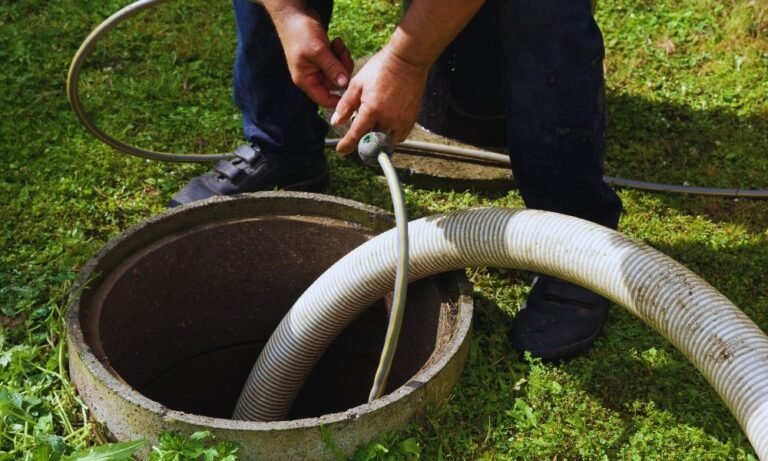
Schedule Regular Pumping
- I arrange professional pumping every three to five years to remove solid buildup.
- Larger households or homes with frequent water use may need more frequent service.
- Avoiding this leads to overflow, and that’s not something I ever want to deal with.
Use Water Wisely
- Running multiple appliances at once—like the washing machine and dishwasher—puts stress on the system.
- Fixing leaks prevents unnecessary water flow into the tank.
- The less liquid waste I send in, the longer my setup lasts.
Choose Septic-Safe Products
- Flushing the wrong items is a surefire way to cause blockages. I stick to biodegradable toilet paper and avoid anything labeled “ultra-thick.”
- Harsh chemicals can kill the bacteria that break down waste, so I use mild, septic-friendly cleaners.
- Pouring grease down the drain is a bad habit—it solidifies and clogs pipes.
Protect the Drainage Area
- I keep the area clear of trees and deep-rooted plants—roots love to invade underground pipes.
- Parking cars or placing heavy structures over the soil can compress the system and cause damage.
- Redirecting rainwater helps prevent oversaturation, which could cause pooling or backups.
Schedule Inspections
- Having a professional check for leaks and wear helps catch small issues before they become big problems.
- I keep records of all maintenance, so I always know when the next service is due.
For more long-term care advice, I refer to these essential maintenance tips.
The Don’ts of Septic Care

Neglecting small details can lead to major headaches. Here’s what I avoid.
Flushing the Wrong Items
- My toilet isn’t a trash can. I never flush:
- Wipes (even the ones labeled “flushable”)
- Feminine hygiene products
- Paper towels
- Diapers
- Dental floss or cotton swabs
- If it’s not waste or toilet paper, it belongs in the trash.
Overloading the System
- Using too much water at once floods the tank and reduces efficiency.
- Running multiple water-heavy appliances at the same time should be avoided.
- Installing low-flow toilets and efficient showerheads helps reduce excess water use.
Using Harsh Chemicals
- Bleach, antibacterial soaps, and drain cleaners can kill the good bacteria needed for proper breakdown.
- Instead, I use natural alternatives like vinegar and baking soda for cleaning.
Ignoring Warning Signs
- If drains are slow, there’s a foul odor, or water starts pooling outside, I know it’s time to take action.
- Waiting too long could mean needing major repairs.
Trusting Quick Fixes Over Routine Maintenance
- Septic additives promise to break down solids, but they don’t replace professional pumping.
- Ignoring inspections and relying on store-bought solutions can lead to major clogs and system failure.
If I notice slow drainage or odors, I check for these warning signs to see if immediate attention is needed.
Common Mistakes That Lead to Costly Repairs
Even with good intentions, I could be making small mistakes that result in expensive problems. Here are a few things I avoid:
- Letting tree roots grow too close – Root damage is one of the biggest causes of underground pipe failure.
- Skipping regular maintenance – Waiting until there’s a problem usually means a much bigger (and costlier) fix.
- Ignoring slow-draining sinks and toilets – These are early warning signs of a clog forming.
For homeowners who also want to avoid foundation-related issues, I suggest reviewing these warning signs to keep the entire property in good condition.
Signs I Need Professional Help
Some issues can’t be ignored. If I notice any of these, I call an expert:
- Drains that are constantly slow, even after using a plunger
- Gurgling sounds coming from pipes
- A strong sewage smell outside or inside my home
- Puddles of water near the drainage area
- Wastewater backing up into sinks, tubs, or toilets
How to Keep Everything Running Smoothly for Years
Septic maintenance doesn’t have to be complicated. These habits help extend the system’s lifespan:
- Monitor water use – The less unnecessary water I send in, the better.
- Schedule maintenance before there’s a problem – Preventative care is much cheaper than repairs.
- Keep landscaping in check – Trees, shrubs, and heavy objects stay far away from the drainage area.
- Make sure everyone in my household knows the rules – Flushing the wrong things affects the whole system.
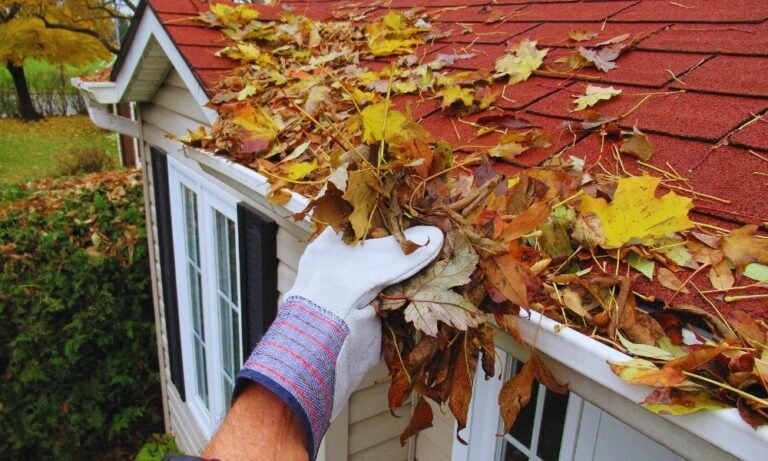
For homeowners managing other drainage concerns, I also recommend reading about gutter maintenance to prevent water damage near the home’s foundation.
Final Thoughts
A little attention goes a long way in avoiding septic disasters. By following the right habits, I can prevent backups, protect my property, and save money on costly repairs.
If I had to give just one piece of advice, it would be this: Regular maintenance keeps everything running smoothly—don’t wait for a problem to act.
For more home maintenance tips, I check out how to spot foundation issues before they worsen and other ways to keep my home in top shape.