Estimated reading time: 6 minutes
No homeowner likes to think about foundation issues, but when signs of trouble appear, ignoring them can lead to costly consequences. Whether it’s a few cracks in the walls, sloping floors, or doors that no longer close properly, these warning signals often mean one thing—it’s time to assess the damage.
I’ve seen plenty of homeowners shocked by the wide range of prices for structural repairs. Some fixes are minor and affordable, while others can stretch into the tens of thousands. If you’re wondering what influences these expenses and how to prepare, this guide will give you a realistic idea of what to expect.
What You’ll Learn
- The main factors that determine pricing
- The most common repair methods and their price range
- When a DIY solution might work and when to call a pro
- Additional costs that homeowners often overlook
- How to find a trustworthy contractor
A strong home starts with a solid foundation, so let’s break down what affects these expenses and how to plan for them.
What Influences the Cost of Fixing Foundation Issues?
Not all damage requires the same approach. The price depends on the severity of the issue, the repair technique used, and even the surrounding environment.
The Severity of the Damage
- Minor hairline cracks can often be sealed for a few hundred dollars.
- Sinking or shifting that affects the structure’s stability requires extensive intervention.
- Walls bowing inward due to soil pressure need reinforcement, increasing the complexity of the fix.
The worse the issue, the more materials, labor, and time are required to restore stability.
The Type of Repair Method Used
- Crack sealing is relatively inexpensive.
- Lifting sections of a structure using specialized equipment adds to the expense.
- Deep stabilization with steel piers is one of the most costly solutions, but also the most permanent.
The Home’s Construction and Soil Type
- Clay-rich soil expands and contracts, leading to frequent shifts.
- Rocky or sandy soil provides better support, often resulting in fewer issues.
- Crawl spaces and basements often require different approaches compared to slab-on-grade homes.
Accessibility and Regional Labor Costs
- Difficult-to-reach locations (tight crawl spaces, deep foundations) increase labor time.
- Metropolitan areas tend to have higher labor rates than rural locations.
If you’re unsure whether the issue is serious, check out 5 Warning Signs Your Home Needs Foundation Repair to identify early symptoms.
Common Foundation Repair Methods and Their Price Range

Understanding the different approaches to fixing structural problems can help you estimate the potential costs before hiring a contractor.
Crack Sealing ($250 – $1,000)
- Uses epoxy or polyurethane injections to prevent moisture intrusion.
- Best for hairline cracks that aren’t expanding.
- Does not fix structural movement—only a cosmetic or preventative measure.
Slab Lifting ($500 – $5,000)
- Also called slabjacking or mudjacking.
- Injects a cement-like mixture beneath a sinking section to lift it back to its original position.
- More affordable than installing piers but not always a permanent solution.
Pier Installation ($3,500 – $25,000)
- Steel or concrete piers are pushed deep into the ground to anchor a shifting home.
- Used when soil movement has compromised stability.
- One of the most expensive solutions, but also one of the most effective.
Basement Wall Reinforcement ($4,000 – $15,000)
- Wall anchors, carbon fiber straps, or steel braces used to prevent further bowing or collapsing.
- Needed in homes where excess soil pressure is pushing walls inward.
- Price varies based on the number of walls affected and the chosen reinforcement method.
Full Foundation Replacement ($20,000 – $100,000+)
- Rare but necessary in extreme cases where structural integrity is beyond salvage.
- Requires lifting the home, removing the old structure, and rebuilding.
- Most expensive and disruptive option, often avoided unless there are no alternatives.
Hidden Costs Homeowners Often Overlook
Permit and Inspection Fees
- Some cities require permits before work can begin, adding $75–$500.
- Professional structural inspections can also add to the total expense.
Damage to Interior Finishes
- Fixing the foundation may cause wall cracks, misaligned doors, and flooring issues.
- Plan for additional repairs to drywall, baseboards, or tiling after the structural work is completed.
Drainage and Waterproofing Upgrades
- Water damage is a leading cause of shifting soil.
- Contractors may suggest adding sump pumps, French drains, or waterproof barriers to prevent future issues.
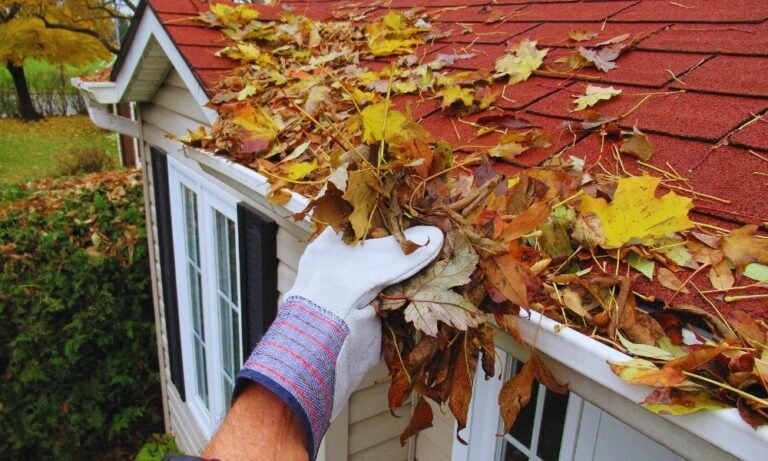
- Investing in proper gutter maintenance can save thousands in future repairs—check out Why Gutter Maintenance Saves You Money for practical tips.
When Can You Fix Foundation Problems Yourself?

Some small repairs can be handled without calling in a professional, but only if you understand the limitations of DIY solutions.
Safe DIY Fixes
- Sealing hairline cracks with an epoxy kit from the hardware store.
- Improving drainage by adjusting downspouts or regrading soil.
- Keeping moisture levels consistent around your home to reduce soil expansion.
When You Should Call a Pro
- If cracks are wider than ½ inch or spreading.
- When doors and windows won’t shut properly.
- If floors feel uneven or bounce underfoot.
For more guidance on DIY vs. professional fixes, read DIY vs. Professional Foundation Repairs: What to Know.
How to Choose the Right Contractor
Selecting the right company is just as important as the repair itself. Here’s how to find a professional you can trust:
Check Licenses and Insurance
- A reputable contractor should be licensed and insured.
- Ask about past experience with your specific foundation type.
Get Multiple Estimates
- Comparing at least three quotes can help you find a fair price.
- Avoid contractors who offer a low price but lack a clear repair plan.
Ask About Warranties
- Many companies offer lifetime warranties on stabilization solutions.
- Read the fine print to understand what is covered and for how long.
Final Thoughts: A Smart Investment in Home Stability
Foundation repairs can be expensive, but they protect your home from bigger problems down the road. Acting early can save thousands by preventing small issues from becoming major structural failures.
- Minor cracks and simple fixes cost a few hundred dollars.
- Stabilization and reinforcement methods range from $3,500 to $25,000.
- Full replacements can exceed $100,000 but are rarely necessary.
If you’ve noticed signs of movement or structural changes, don’t wait. An inspection today could prevent a costly disaster tomorrow.