
Estimated reading time: 5 minutes
Mold may not be the first thing that comes to mind when considering potential household issues, but it should be. This silent intruder can silently infiltrate walls, ceilings, and HVAC systems, often going unnoticed until it’s too late. Beyond its unpleasant appearance and musty smell, mold can have serious consequences for both my health and the structural integrity of my home.
The good news is, by understanding mold and its risks, I can take steps to address it and prevent further damage.
What I’ll Cover in This Guide
- Causes of mold growth in my home
- Health risks associated with mold exposure
- How to spot the signs of mold
- Safe steps to remove it
- Ways to prevent future infestations
- When to seek professional help
What Causes Mold Growth in My Home?
Mold is particularly fond of moisture, so understanding the factors that lead to its development can help me keep it in check.
Excessive Humidity
High humidity levels above 50% create an environment where mold thrives.
Leaks & Water Damage
Roof leaks, plumbing issues, or flooding can introduce moisture to areas where mold can flourish.
Poor Ventilation
Rooms that trap moisture, such as bathrooms and basements, are prime locations for mold.
Condensation
Accumulated moisture on windows, pipes, and walls provides the perfect breeding ground.
If there’s a history of water damage in my house, I might also want to check out how moisture can affect my foundation to prevent further damage.
Where Mold Hides in My Home
Mold doesn’t always make its presence obvious. It tends to hide in places where I might not expect it, often out of sight.
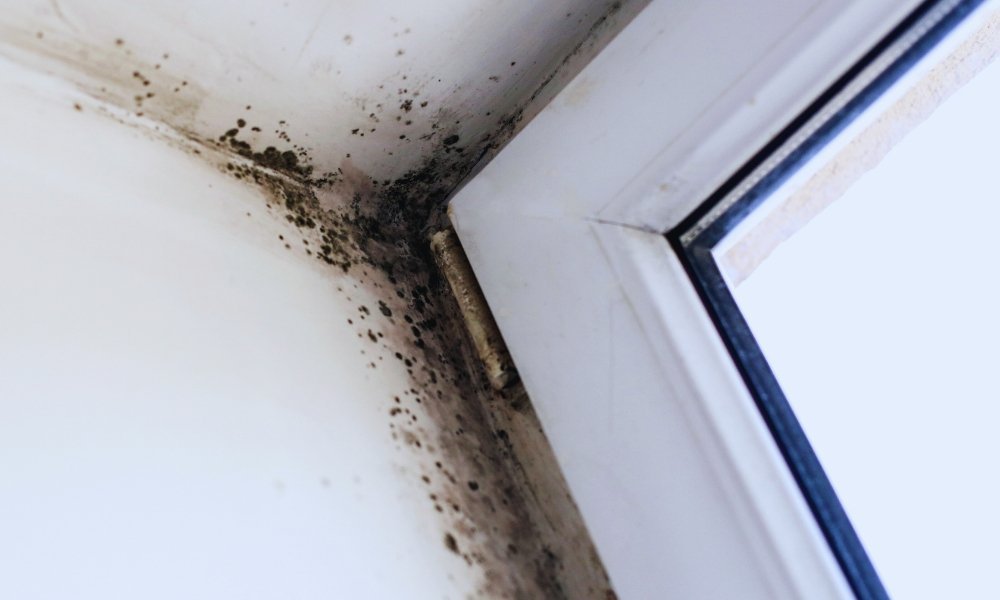
Bathrooms & Kitchens
Under sinks, behind tiles, and around showers.
Basements & Crawl Spaces
Damp, dark environments are ideal spots for mold growth.
Air Ducts & HVAC Systems
Mold spores can spread through the air, affecting indoor air quality.
Attics & Roof Leaks
Mold loves moist areas caused by leaks and poor ventilation.
Carpets, Upholstery, & Walls
Absorbent materials can retain moisture, allowing mold to grow quietly.
Health Risks Associated with Mold Exposure
Mold isn’t just a household nuisance; it can impact my health.
Allergic Reactions
Sneezing, itchy eyes, and skin irritation are common signs.
Respiratory Problems
For those with asthma or respiratory conditions, mold can worsen symptoms.
Toxic Mold
Certain molds release mycotoxins that can cause headaches, nausea, and even lung problems.
Long-Term Exposure
Chronic exposure to mold can lead to more serious health issues, such as lung infections and neurological problems.
If I start noticing unexplained health issues, it might be time to check for hidden mold in my home.
How to Detect Mold in My Home
Identifying mold early can prevent it from spreading and causing serious damage. Here’s how I can spot the problem:
Musty Odors
A lingering, earthy smell in damp areas signals the presence of mold.
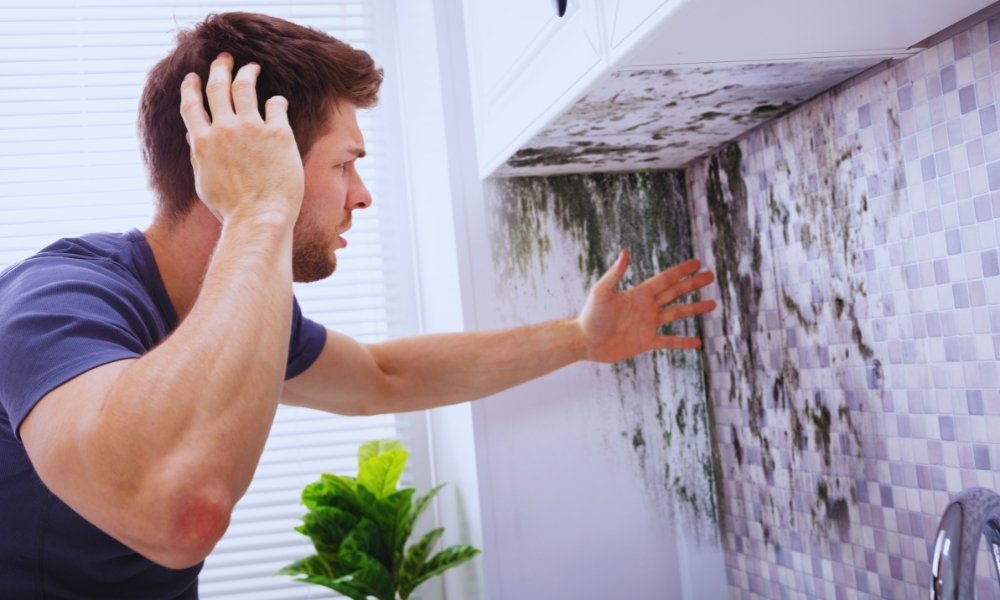
Visible Growth
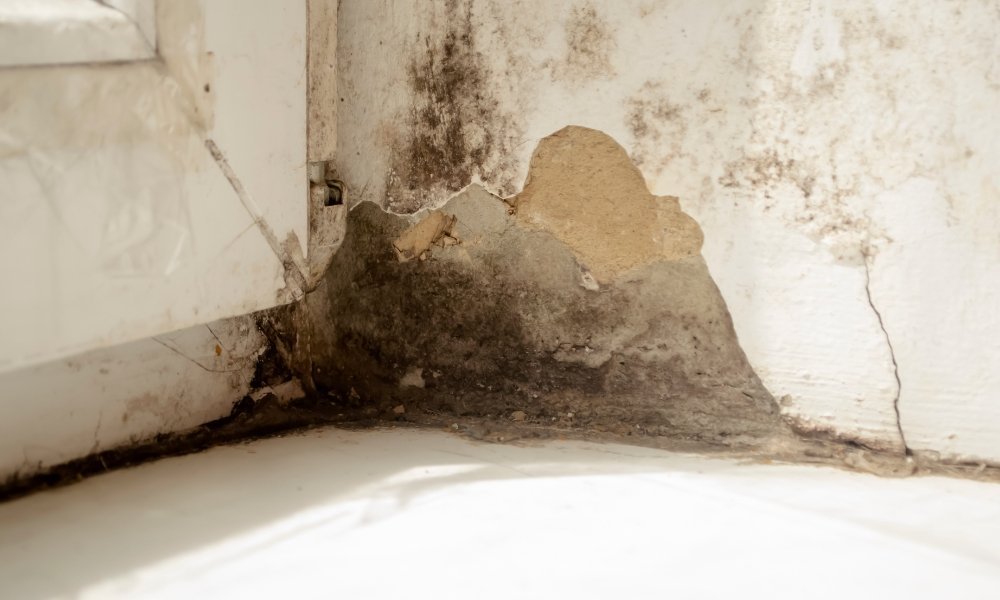
Mold can appear as black, green, or white patches on walls, ceilings, or furniture.
Worsening Symptoms
Increased sneezing, coughing, or headaches indoors might indicate mold exposure.
Water Stains or Peeling Paint
These can be signs of moisture damage, which could lead to mold growth.
Testing Kits
DIY mold test kits are available, but professional assessments are often more accurate.
If I notice any of these signs, I’ll take action to prevent further damage.
Safe Steps to Remove Mold
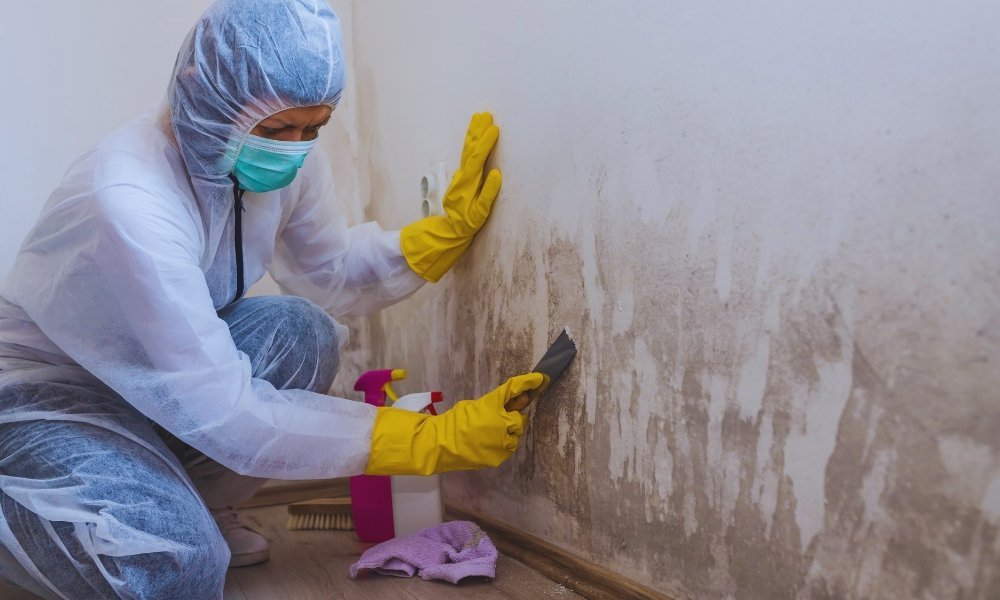
I can tackle small mold problems on my own if the affected area isn’t too large. Here’s how I can safely remove it:
Identify & Fix the Source of Moisture
Before addressing the mold, I’ll fix any leaks or water issues to prevent further growth.
Wear Protective Gear
I’ll make sure to wear gloves, a mask, and goggles to prevent exposure to mold spores.
Clean Small Areas with DIY Solutions
- White Vinegar – It’s effective for cleaning and preventing mold in many areas.
- Baking Soda – A gentle scrub for mold on hard surfaces.
- Hydrogen Peroxide – Useful for cleaning and disinfecting affected areas.
Dispose of Contaminated Materials
If I have mold-infested carpets or drywall, I’ll remove them and replace them with new materials.
Ventilate & Dry the Area
After cleaning, I’ll open windows and use fans or a dehumidifier to dry the space thoroughly.
If the mold is widespread, I’ll call a professional to avoid contaminating other areas of the house.
Preventing Future Mold Growth
I can stay ahead of mold by taking preventive measures. Here’s how I can keep it from coming back:
Control Humidity – I’ll keep humidity levels below 50%, especially in bathrooms, basements, and kitchens.
Fix Leaks Immediately – Water issues should be addressed right away to stop mold before it starts.
Improve Ventilation – I’ll make sure bathrooms and kitchens are properly ventilated with exhaust fans.
Use Mold-Resistant Products – Mold-resistant paint and drywall can help protect areas prone to dampness.
Regular Cleaning & Maintenance – I’ll clean up spills and check areas for signs of moisture build-up.
Taking these proactive steps is the best way to protect my home from mold.
When to Call a Mold Remediation Specialist
Not all mold problems are simple to fix. Here’s when it’s best to call in a professional:
- Large Mold Infestations – If mold covers more than 10 square feet, a pro is necessary.
- HVAC Systems Affected – Mold in air ducts can spread spores throughout the house.
- Health Symptoms Persist – If allergy-like symptoms continue despite cleaning efforts.
- Structural Damage – Mold can affect the integrity of my walls, ceilings, or floors, requiring professional help.
Experts in mold remediation can ensure the problem is addressed safely and thoroughly.
Final Thoughts
Mold may not always be obvious, but it can have serious implications for both my home and my health. Identifying mold early and addressing it promptly can help prevent further damage.
By staying proactive, fixing moisture problems, and taking the necessary precautions, I can prevent mold from becoming a bigger issue. If the problem is too large to tackle alone, professionals are always available to help.