
Estimated reading time: 6 minutes
Storm season is unpredictable, and the last thing I want is to scramble at the last minute. Over the years, I’ve discovered that the best way to safeguard my home is by using protective shutters. These barriers are more than just a layer of defense—they provide peace of mind and can save a lot of hassle. In this guide, I’ll share how I prepare my home, choose the right options, and take steps to keep everything in top shape.
What You’ll Learn:
- Why storm preparation is a must for every homeowner.
- The different types of shutters and their features.
- How to select the right shutters for your property.
- Steps for installation and upkeep.
- Additional tips for making your home storm-ready.
Why Storm Preparation Matters
Storms bring chaos—high winds, flying debris, and potential damage to property. If there’s one thing I’ve learned, it’s that preparation is far less stressful than repair.
Windows and doors are the most vulnerable parts of any house. Without adequate protection, a single broken window can lead to water damage, structural issues, and even safety risks. Adding shutters is like giving your home a durable outer shell that absorbs the storm’s impact. It’s not just about saving your home; it’s about protecting the people and memories inside.
Exploring Different Types of Storm Shutters
Choosing the right storm shutters can feel overwhelming with so many options out there. After testing and researching, here’s a simple breakdown of what works:
Accordion Shutters: These are dependable and easy to use. They fold neatly and slide into place quickly when needed.
Roll-Down Shutters: Ideal for those who prefer automation. They come with manual or motorized controls and integrate seamlessly with most home designs.
Storm Panels: Lightweight and removable, these panels are a cost-effective option. Made from polycarbonate or aluminum, they’re reusable and strong.
Bahama Shutters: Functional and stylish, these add a touch of tropical charm to your home while providing sturdy protection.
What I Recommend: If you’re looking for convenience, accordion shutters are a great option. For a sleek, modern touch, roll-down shutters are worth considering.

Selecting the Right Shutters for Your Home
Picking the perfect shutters comes down to balancing function, aesthetics, and cost. Here’s my thought process:
Assess Your Needs: Start by identifying the most exposed areas. Large glass doors or bay windows often need extra attention.
Local Weather Patterns: Consider how severe the storms in your area tend to be. High-risk zones may require shutters rated for higher wind resistance.
Budget-Friendly Options: While shutters are an investment, there’s a solution for every price range. Panels are a budget-friendly choice, while motorized options add luxury.
Aesthetic Appeal: I like shutters that match my home’s style. With so many color and material choices, it’s easy to find something that complements the design.
Pro Tip: Don’t hesitate to consult with a professional. They can help you navigate local building codes and ensure your choice meets safety standards.
Installation and Maintenance Tips
Once I’ve selected the right shutters, the next step is installation. Here’s what I’ve learned from my experience:
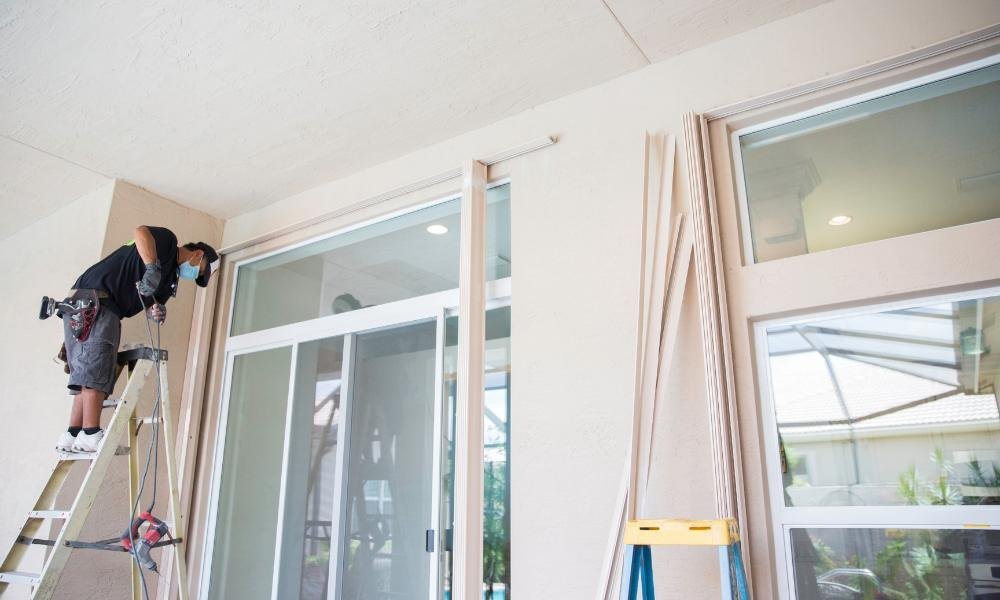
DIY vs. Professional Installation: If you’re handy and confident, installing simpler shutters like panels can be a DIY project. For more complex systems, such as roll-down options, professional installation ensures proper fitting.
Routine Maintenance: Even the best shutters need a little TLC. I clean mine regularly to prevent dirt and corrosion, especially if they’re exposed to salty air near the coast.
Test Before the Season: It’s worth testing your shutters before storm season. I deploy mine a few times to make sure they’re functioning smoothly and ready when needed.
Additional Storm Prep Tips
Shutters are a key part of storm preparation, but I also take other steps to keep my home safe:
Secure Outdoor Items: Lawn chairs, flowerpots, and garden tools can become dangerous projectiles. I move these indoors or tie them down.
Reinforce Entry Points: Doors are often overlooked but can be just as vulnerable as windows. Adding heavy-duty locks and weatherproofing can make a big difference.
Prepare an Emergency Kit: I always have flashlights, batteries, bottled water, and non-perishable food ready to go. These essentials can be lifesavers during power outages.
A Quick Laugh: My neighbors joke that my garage looks like I’m prepping for a doomsday scenario. I tell them it’s just smart planning with a touch of over-preparedness!
Year-Round Benefits of Shutters
While shutters are designed for storm protection, they offer surprising benefits beyond the storm season:
Energy Savings: Shutters help block heat during summer and retain warmth in winter, reducing energy bills.
Enhanced Security: Their durable construction acts as a deterrent for would-be intruders.
Peace of Mind: Knowing my home is protected allows me to focus on more enjoyable things—like not worrying about surprise weather alerts.
Common Myths About Storm Shutters
Let’s clear up a few misconceptions:
- Myth #1: Shutters Are Only for Hurricanes. Wrong. They’re great for any severe weather, including tornadoes and heavy thunderstorms.
- Myth #2: They Don’t Need Maintenance. Skipping upkeep is a recipe for trouble. A little cleaning and inspection go a long way in ensuring they work when it matters most.
- Myth #3: They’re Too Expensive. Shutters can be cost-effective, especially when you consider the potential savings on storm repairs and insurance premiums.
Why I Recommend Investing in Shutters
Protective shutters are more than just storm barriers—they’re an investment in your home’s safety and value. They shield against damage, reduce long-term costs, and add a layer of security that’s hard to beat.
Whether you live in a storm-prone area or just want to sleep easier during bad weather, shutters are a smart choice. Think of it as equipping your home with armor. I’ve never regretted making this investment, and I bet you won’t either.
Final Thoughts
Preparing your home for storms doesn’t have to be stressful. By installing the right shutters, taking a few additional precautions, and maintaining your setup, you can stay one step ahead of the weather. Trust me—your future self will thank you when the winds start howling.
Are you ready to protect your home with shutters? Take it from me—there’s no better time to start than now.