
Estimated reading time: 5 minutes
Your fence isn’t just a boundary; it’s an investment. Whether it’s keeping your pets safe, adding privacy, or boosting curb appeal, a well-maintained fence is essential. Neglect it, and you’ll be dealing with costly repairs—or worse, a full replacement—before you know it. Over the years, I’ve learned that fence maintenance doesn’t have to be overwhelming. With a little routine care, your fence can look great and last for years.
What You’ll Learn Here
- How to inspect and clean your fence effectively.
- Seasonal care tips for year-round protection.
- Maintenance tricks for different fence materials.
- Common mistakes to avoid.
- When to DIY and when to call in the pros.
Let’s dive in—your fence deserves some TLC!
Start with an Inspection
Before breaking out the cleaning supplies or tools, I always begin with a thorough inspection. This helps me identify any potential issues early.
What to Look For:
- Wood Fences: Check for warping, rot, or insect damage. Pay attention to posts and boards near the ground, as moisture collects there.
- Metal Fences: Look for rust, chipped paint, or loose joints.
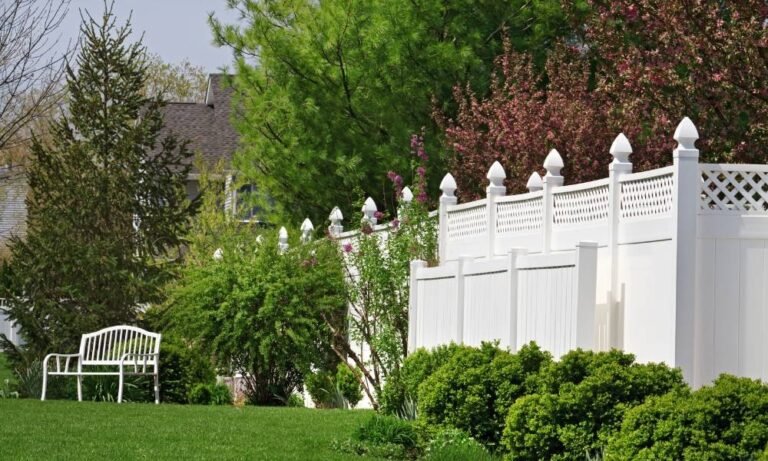
- Vinyl Fences: Inspect for cracks, discoloration, or loose panels.
- Chain-Link Fences: Examine for sagging, broken links, or weed overgrowth.
Pro Tip: Keep a notebook or take photos during your inspection. This helps track changes over time and prioritize repairs.
Clean Your Fence Like a Pro

Dirt, grime, and mold love fences. A good cleaning not only improves appearance but also prevents long-term damage.
How I Clean Different Fences:
- Wood: Use a gentle brush and a wood-friendly cleaner. Be cautious with pressure washers—they can splinter wood if used improperly.
- Vinyl: A mix of water and mild soap works wonders. A soft sponge or cloth removes grime without scratching.
- Metal: Sandpaper or a wire brush takes care of rust. Follow up with a rust inhibitor.
- Chain-Link: Spray it down with a garden hose or use a pressure washer for stubborn dirt.
Pro Tip: Skip harsh chemicals. They may seem effective, but they can strip protective coatings and harm nearby plants.
Repair Damaged Sections Quickly
Small issues can become big problems fast. I always recommend tackling repairs as soon as you spot them.
Common Repairs:
- Replace warped or rotted wooden boards.
- Tighten loose screws, nails, or hinges.
- Patch cracks in vinyl with repair kits.
- Mend broken chain-link sections with new wiring.
Pro Tip: Keep a basic repair kit on hand—extra boards, screws, and paint go a long way when something needs fixing.
Apply Protective Coatings
This step is critical for extending your fence’s lifespan. Think of it as sunscreen for your fence—it shields it from the elements.
My Go-To Coatings:
- Wood: Use a water-resistant sealant or stain. It prevents moisture damage and adds a polished look.
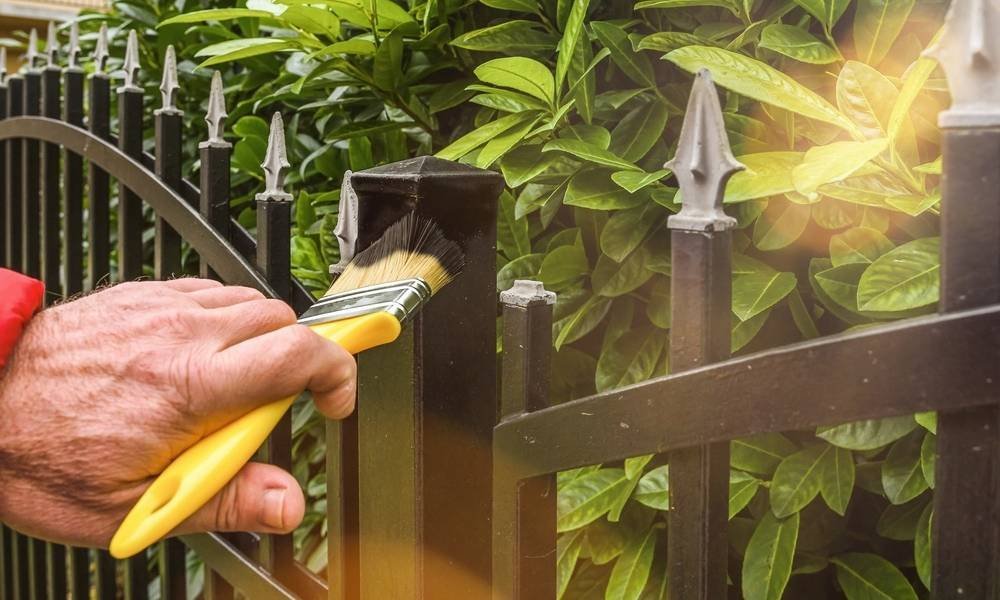
- Metal: A rust-resistant paint or clear coating protects against corrosion.
- Vinyl: No extra coating needed—just clean it regularly to keep it looking new.
Pro Tip: Reapply coatings every 2-3 years or as needed, depending on your climate.
Seasonal Maintenance Tips
Each season comes with its own challenges. I adjust my maintenance routine accordingly to keep fences in top shape.
Spring:
- Clean off winter grime and debris.
- Inspect for damage caused by snow or ice.
- Reapply protective coatings if needed.
Summer:
- Check for sun damage, especially on wood.
- Trim overgrown vegetation to prevent moisture buildup.
- Watch for pests, like termites or carpenter ants.
Fall:
- Clear leaves and debris around the fence.
- Reinforce weak spots before winter storms.
- Apply weatherproofing treatments.
Winter:
- Remove snow buildup gently—heavy snow can cause sagging.
- Look out for frost damage, especially to wooden posts.
Pro Tip: A little preparation each season saves you from major repairs down the line.
Fence-Specific Care
Different materials need different care strategies. Here’s how I handle the most common types:
Wood Fences:
- Seal regularly to prevent rot.
- Avoid prolonged contact with soil to reduce moisture exposure.
Vinyl Fences:
- Clean gently to avoid scratches.
- Check for cracks caused by extreme temperature changes.
Metal Fences:
- Keep an eye on rust spots and address them immediately.
- Repaint as needed to maintain a protective barrier.
Chain-Link Fences:
- Prevent weeds from growing through the links.
- Replace sagging or bent sections before they worsen.
Common Maintenance Mistakes to Avoid

Even with the best intentions, mistakes happen. Here are a few I’ve learned to sidestep:
- Overusing Pressure Washers: They can damage wood and vinyl. Use a gentle setting.
- Skipping Inspections: Small issues can escalate quickly if left unchecked.
- Ignoring Vegetation: Overgrown plants trap moisture and encourage pests.
Pro Tip: Maintenance doesn’t have to be perfect—just consistent!
When to Call the Pros
Sometimes, DIY isn’t the best option. If your fence has major structural issues or needs extensive repairs, professional help is worth the investment.
When I Call for Help:
- The fence is leaning or sagging significantly.
- Large sections of wood are rotting.
- Repairs require specialized tools or expertise.
Pro Tip: A professional can also inspect your fence annually to catch problems you might miss.
Final Thoughts
Maintaining a fence year-round doesn’t have to be a chore. By following these steps, you can protect your investment and enjoy a beautiful, functional fence for years to come. Remember, consistency is key. Whether it’s cleaning, repairing, or simply checking for issues, a little effort goes a long way.
If you’re ever unsure about what your fence needs, I’m here to help. Let’s keep those fences standing tall and looking great—season after season!