
Estimated reading time: 5 minutes
Mold isn’t just an unpleasant sight—it can damage your home and cause health problems. Many homeowners try tackling it with DIY solutions, but sometimes, a deeper issue requires expert attention. The key is knowing when you can handle the problem yourself and when you need to bring in trained specialists. In this guide, I’ll walk you through how to make that decision.
What You’ll Learn Here
When it’s safe to remove mold on your own.
The red flags that signal the need for professional help.
Risks of ignoring or mishandling mold growth.
What specialists do that DIY methods can’t achieve.
Best ways to prevent mold from coming back.
Understanding Mold Growth and Spread
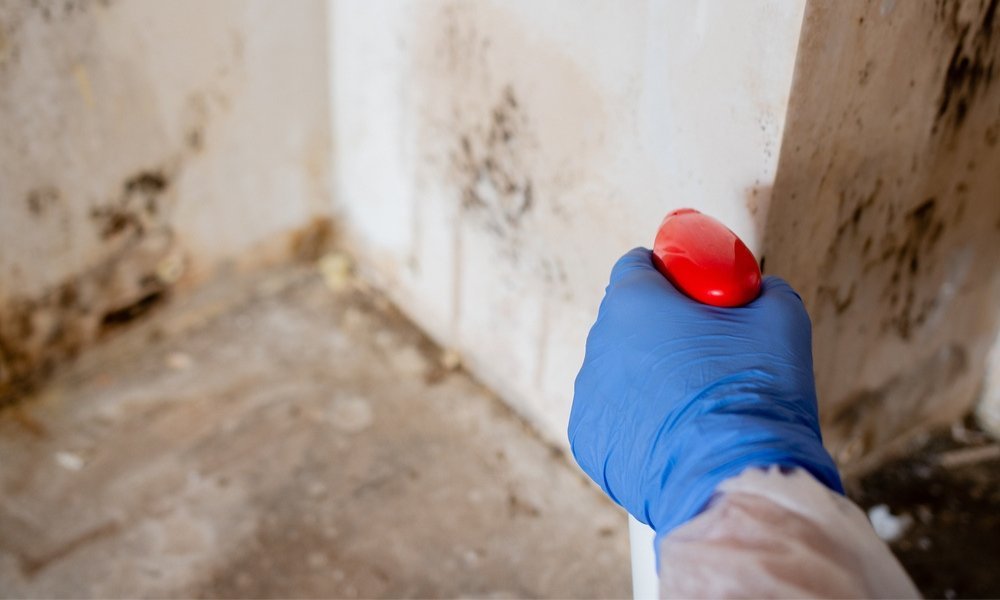
Mold thrives in damp environments, making basements, bathrooms, and crawl spaces prime spots for trouble. While some growth is easy to spot—like black or green patches on walls—other colonies hide in places you wouldn’t think to check, like inside air vents or behind drywall.
A small patch on a bathroom tile might not seem like a big deal, but spores spread fast. If moisture isn’t controlled, a minor issue can escalate into a costly problem. That’s why quick action is crucial.
When DIY Mold Removal is Safe
I get it—nobody wants to spend money on a problem they can fix themselves. If the affected area is small (under 10 square feet) and the mold is surface-level, you might be able to handle it with the right approach.
DIY Cleaning Methods That Work:
- Soap & Water: Works on non-porous surfaces like glass and tiles.
- Vinegar Solution: A mix of white vinegar and water kills many mold types.
- Borax Paste: Scrub it in, let it dry, and wipe away for lasting results.
- Diluted Bleach: Effective but should be used cautiously.
Precautions to Take:
Wear gloves, masks, and protective eyewear.
Work in a ventilated area to prevent inhaling airborne spores.
Remove and discard porous materials like moldy carpet or drywall.
Cleaning visible mold doesn’t guarantee the problem is solved. If moisture remains, it will come back. Prevention is just as important as removal.
When You Need a Professional
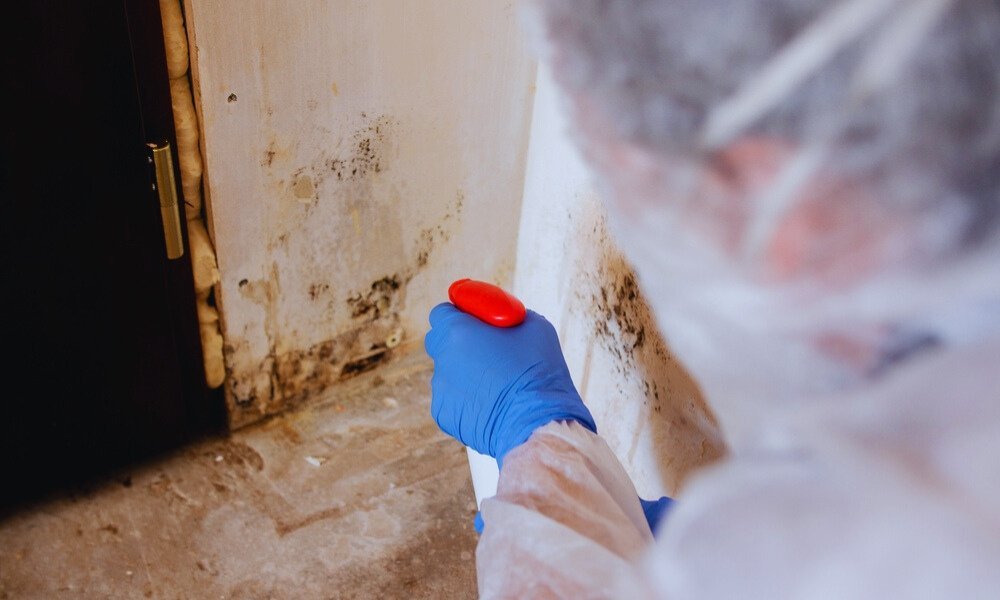
Sometimes, store-bought cleaners and elbow grease aren’t enough. Here are clear signs that it’s time to call in a mold remediation specialist:
The Affected Area is Too Large
If mold spreads beyond 10 square feet, it’s no longer a DIY job. Large growths often mean there’s a hidden moisture issue, which needs to be addressed at the source.
Hidden or Recurring Growth
Does the same spot keep coming back no matter how many times you clean it? That’s a sign of a deeper issue, like moisture inside walls or beneath flooring. Professionals can track down the root cause.
Health Issues in the Home
Persistent mold exposure can lead to allergy-like symptoms, asthma flare-ups, and respiratory irritation. If you or your family are experiencing unexplained health problems, it’s best to have an inspection.
HVAC or Air Duct Contamination
A musty smell coming from your vents? Mold in your heating or cooling system can spread spores throughout your home. If you suspect this, turn off your system and bring in an expert.
Water Damage or Flooding History
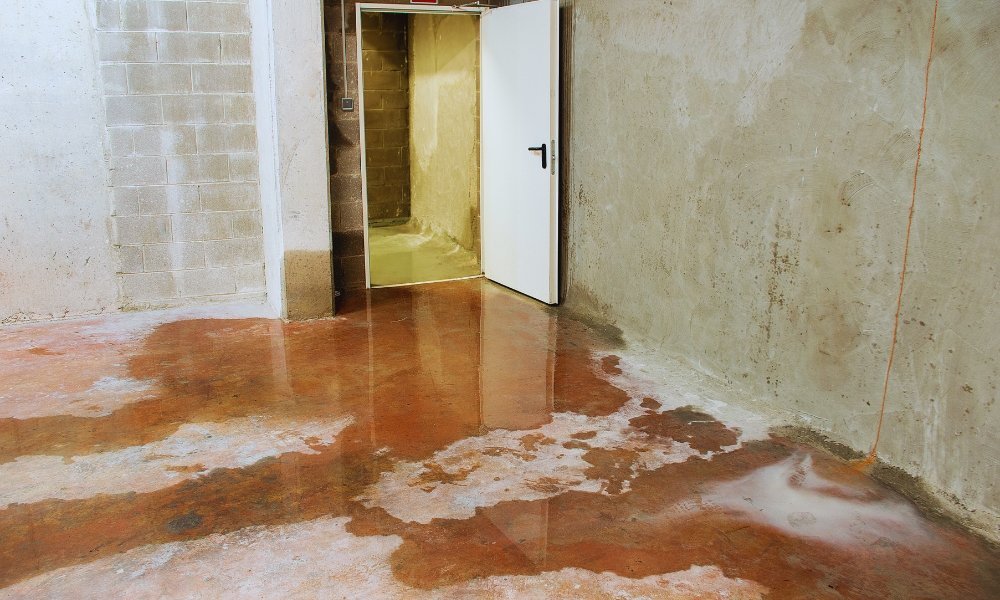
Mold often follows plumbing leaks, roof damage, or past flooding. If your home has a history of excessive moisture, a professional assessment can help prevent future problems.
What Experts Do That DIY Can’t
Hiring a mold specialist isn’t just about cleaning up visible growth—it’s about eliminating the source and ensuring it doesn’t return. Here’s what professional remediation includes:
Inspection & Moisture Testing – Identifies hidden mold and moisture issues.
Containment Measures – Prevents spores from spreading during cleanup.
HEPA Filtration & Air Scrubbing – Removes airborne mold particles.
Deep Cleaning & Disinfecting – Kills mold at its roots, not just on the surface.
Structural Drying & Repairs – Addresses water damage to prevent regrowth.
Unlike DIY methods, professional solutions don’t just remove mold—they stop it from coming back.
The Cost of Professional Mold Removal
Costs vary depending on size, severity, and location of the issue. On average:
- Small jobs: $500–$1,500
- Moderate issues: $2,000–$6,000
- Severe cases (attic, HVAC, large infestations): $10,000+
It might sound expensive, but untreated mold can lead to structural damage—which costs far more to fix. If moisture affects your foundation, check out these warning signs of foundation problems before it gets worse.
How to Prevent Future Mold Problems
Once the mold is gone, keeping it that way is key. Here’s what I recommend:
Control Humidity: Keep levels below 50% using dehumidifiers.
Fix Leaks Quickly: Plumbing issues and roof damage should be repaired immediately.
Improve Air Circulation: Use exhaust fans in bathrooms and kitchens.
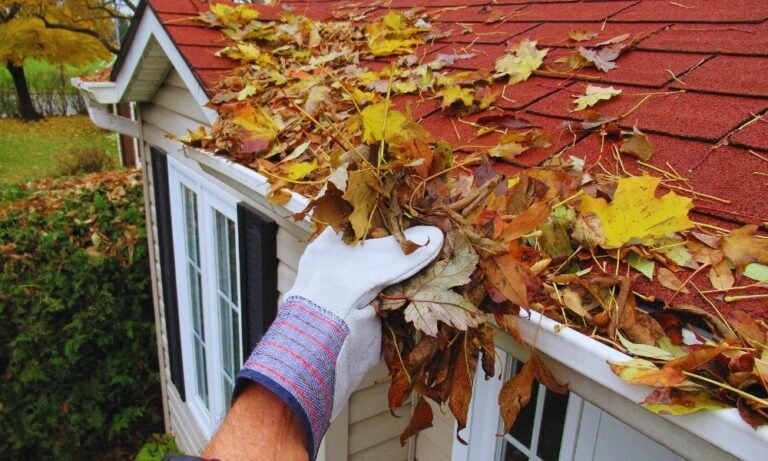
Maintain Your Gutters: Clogged gutters cause water buildup, which leads to moisture issues. Here’s why gutter maintenance matters.
Replace Porous Materials: If carpets or drywall were heavily affected, it’s often best to remove and replace them.
Final Thoughts
Mold is a problem that’s easy to overlook—until it gets out of hand. If it’s a small, isolated issue, a DIY approach may work. But if you’re dealing with widespread, hidden, or persistent growth, professional remediation is the best solution.
Ignoring mold doesn’t just put your home at risk—it can affect your health. If you’re unsure whether you need expert help, schedule an inspection before it turns into a bigger problem.
Need more home maintenance tips? Check out this guide on DIY vs. professional foundation repairs.