
Estimated reading time: 5 minutes
Mold is a sneaky invader. One moment, your home feels fresh and clean, and the next, you’re battling stubborn black spots in the bathroom and musty odors in the basement. Living in a humid area only makes things trickier. But don’t worry—I’ve tackled enough mold issues to know exactly what works and what doesn’t.
In this guide, I’ll share my best strategies for keeping mold out of your home, backed by experience and real-world results.
What You’ll Learn in This Guide
How mold forms and why it thrives in humid conditions
ways to reduce moisture levels indoors
Cleaning methods that actually stop mold from coming back
When to handle mold yourself and when to call in the pros
Now, let’s dive into the battle against mold.
Why Mold is a Big Problem (and Not Just for Your Walls)
Mold isn’t just ugly—it’s harmful. It spreads through the air and can cause health issues like:
- Allergies, sneezing, and coughing
- Sinus infections and breathing problems
- Aggravated asthma symptoms
Plus, mold eats away at your home. It damages wood, drywall, and even foundation materials if left unchecked. That’s why early prevention is key.
Where Mold Loves to Hide (And How to Spot It)
Mold doesn’t always grow in obvious places. It often thrives in hidden corners where moisture lingers. Here are the most common spots:
Bathrooms – Shower corners, under sinks, behind the toilet
Kitchens – Around the sink, inside cabinets, near appliances
Basements – Walls, floors, and storage areas
Attics – Roof leaks and poorly ventilated spaces
HVAC Systems – Vents and air ducts
Signs of Mold Growth
- Musty smells (If your home smells like a damp towel, you might have mold.)
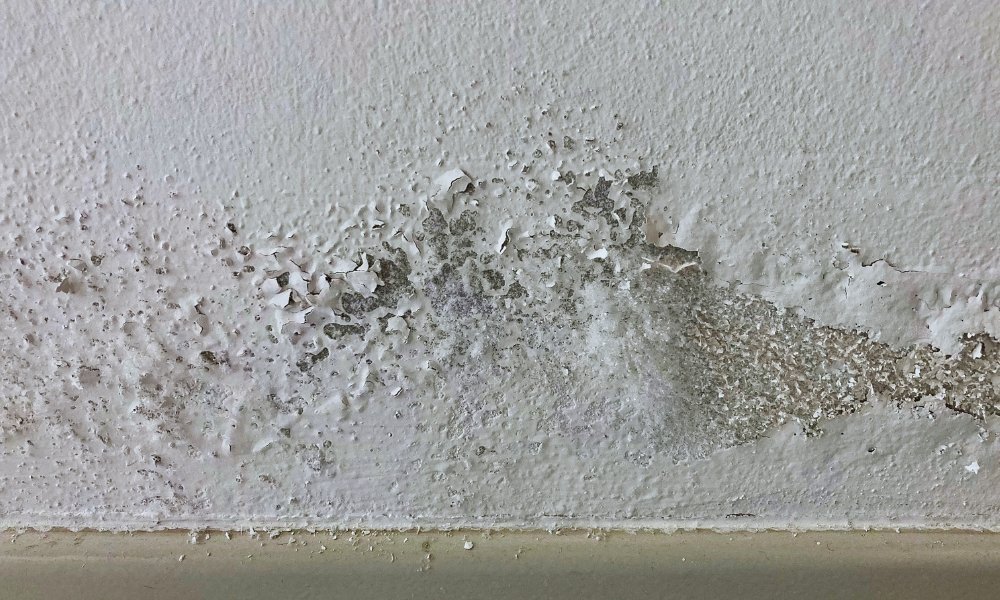
- Discoloration on walls or ceilings (Black, green, or white fuzzy spots.)
- Warped or peeling paint (Moisture behind walls often causes this.)
Found mold? Don’t panic. Here’s what I do to stop it in its tracks.
How I Prevent Mold Growth in High-Humidity Areas
The key to preventing mold? Control moisture and improve airflow. Here’s how I do it:
Keep Humidity in Check
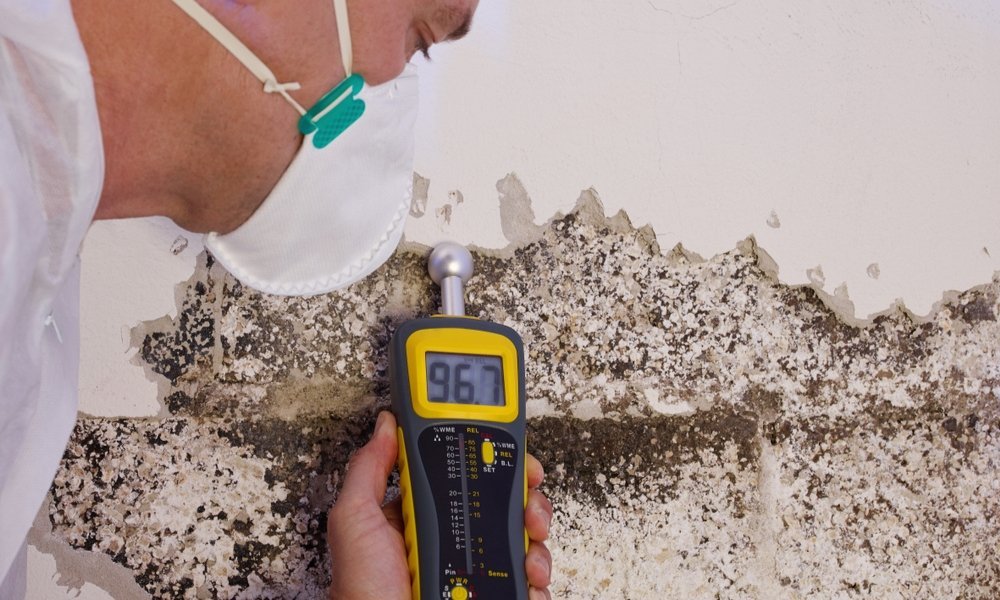
Mold needs humidity to survive, so I make sure indoor moisture stays below 50%. I use:
Dehumidifiers – A must-have for damp basements and humid climates.
Air conditioners – They pull excess moisture from the air.
Hygrometers – These inexpensive tools monitor humidity levels so I can adjust as needed.
Pro Tip: If your windows fog up or your walls feel damp, your humidity levels are too high.
Fix Leaks & Dry Wet Areas Fast
Leaky pipes, dripping faucets, and roof leaks create the perfect mold environment. I always:
Check under sinks for signs of water stains.
Inspect the roof & attic for small leaks.
Clean up spills immediately—even a wet rug can invite mold within 24 hours.
If leaks get out of control, they can even weaken a home’s foundation. If you’ve noticed unexplained cracks or shifting, you might want to check out this guide on spotting foundation issues before they worsen.
Use Proper Ventilation
Without proper airflow, moisture builds up—especially in kitchens and bathrooms. I always:
Turn on exhaust fans while cooking or showering.
Open windows whenever possible to let fresh air circulate.
Install attic and crawl space vents to prevent trapped moisture.
Bonus Tip: If your bathroom mirror stays foggy for more than 5 minutes after a shower, you need better ventilation.
Choose Mold-Resistant Materials
Certain materials are naturally resistant to mold and moisture. When renovating or repairing, I opt for:
Mold-resistant drywall (ideal for basements and bathrooms).
Paint with mold inhibitors for high-humidity areas.
Moisture-resistant insulation to prevent mold in walls.
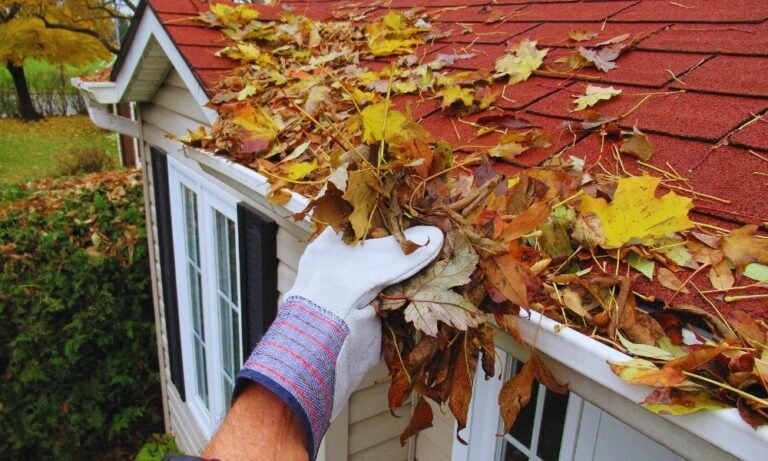
Thinking about replacing old, clogged gutters? That’s another key step in preventing water damage and mold. Check out these reasons to replace your old rain gutters for more info.
Clean Smart (Not Just for Appearances)
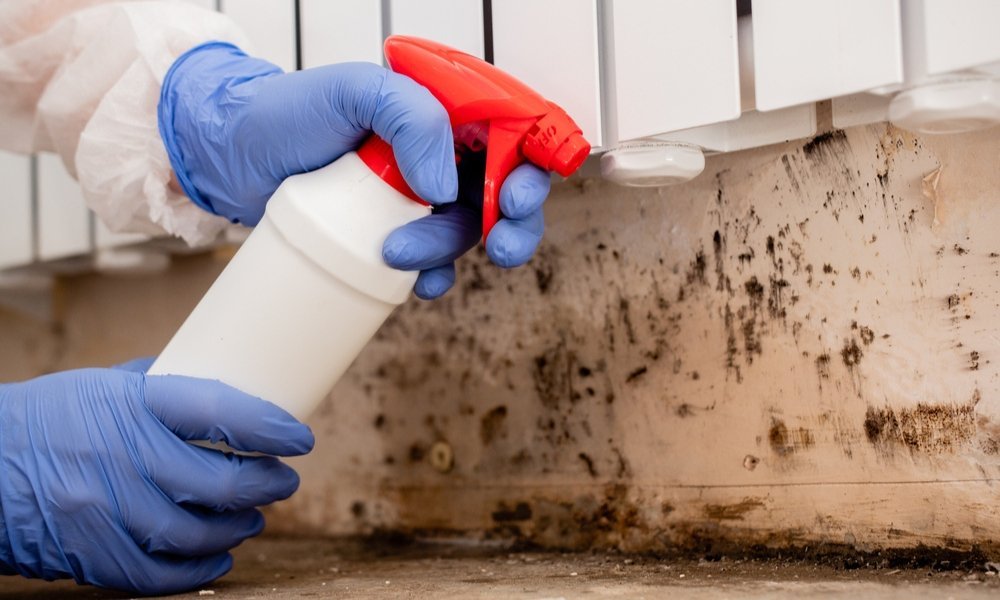
Regular cleaning helps keep mold at bay, but the right products make all the difference. I use:
White vinegar – Kills up to 82% of mold types.
Baking soda & water spray – Great for porous surfaces like grout.
Hydrogen peroxide – A safer alternative to bleach.
What I Avoid: Strong chemical cleaners with artificial pine or lemon scents—they don’t kill mold, and they add more toxins to the air.
Keep Your HVAC System Mold-Free
HVAC units spread mold faster than anything else in a home. To prevent this, I:
Replace air filters every 1-2 months.
Clean AC drip pans to prevent stagnant water buildup.
Schedule HVAC inspections to catch hidden mold in ducts.
If mold has already spread through the air, it’s time to call the pros. Read more about when to call mold remediation experts.
When to Call a Professional
If mold covers more than 10 square feet, it’s too risky to handle alone. Professional mold removal ensures complete eradication and prevents future issues.
Call a pro if you notice:
- Strong, musty odors that won’t go away.
- Widespread discoloration on walls or ceilings.
- Persistent allergy symptoms when indoors.
Final Thoughts
Mold prevention is all about moisture control. By keeping humidity low, fixing leaks, improving ventilation, and using the right materials, I’ve helped homeowners keep mold from taking over their homes.Got questions or dealing with a stubborn mold problem? Drop a comment below or reach out—I’m happy to help!