
Estimated reading time: 5 minutes
Rain collection systems are one of those things I don’t think about until they start causing problems. If they’re working, great. If they’re not, suddenly I’m dealing with a flooded basement, peeling paint, and a yard that looks like a swamp.
Old or damaged drainage channels aren’t just an eyesore—they’re a ticking time bomb for costly home repairs. If you’re on the fence about whether to replace them, here’s a straightforward look at the top five reasons why it’s time to take action.
What You’ll Learn in This Guide
- How aging drainage systems can lead to expensive damage
- Why sagging, cracked, or leaking channels are more than a cosmetic issue
- How new installations protect your home’s structure and yard
- The hidden risks of mold and pests caused by poor drainage
- How upgrading can save money in the long run
1. Prevent Costly Damage to Your Home
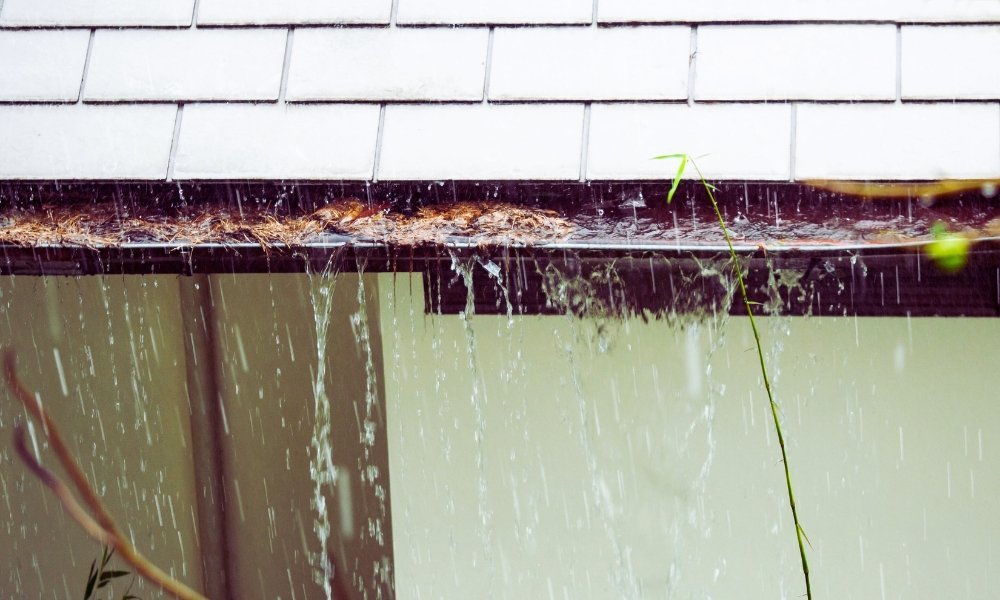
If there’s one thing these systems are supposed to do, it’s direct runoff away from the house. When they’re cracked, clogged, or pulling away from the structure, they fail at this basic task.
Leaks can lead to moisture seeping into walls, basements, and even the foundation. Over time, this kind of exposure weakens the structural integrity of the home, creating serious repair costs. Addressing the issue early with a replacement is a much smarter approach than dealing with emergency fixes later.
For more information on detecting structural issues early, check out how to spot foundation issues before they worsen.
2. Reduce the Risk of Mold, Mildew, and Unwanted Pests
A musty smell in the basement or dark patches on walls often point to hidden moisture problems. When runoff isn’t properly directed, it can accumulate in areas where it shouldn’t.
Excess moisture creates the perfect environment for mold and mildew to thrive. Beyond damaging walls and insulation, these issues can pose serious health risks. Standing water also attracts pests like mosquitoes, termites, and rodents, none of which belong anywhere near a home.
If mold has already taken hold, check out when to call mold remediation professionals.
3. Prevent Sagging and Structural Failures
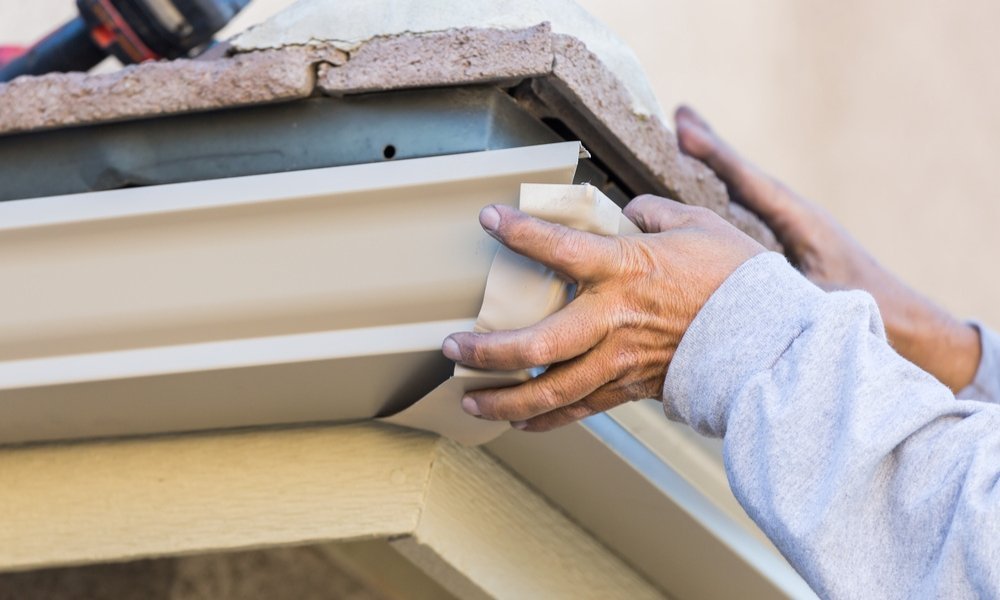
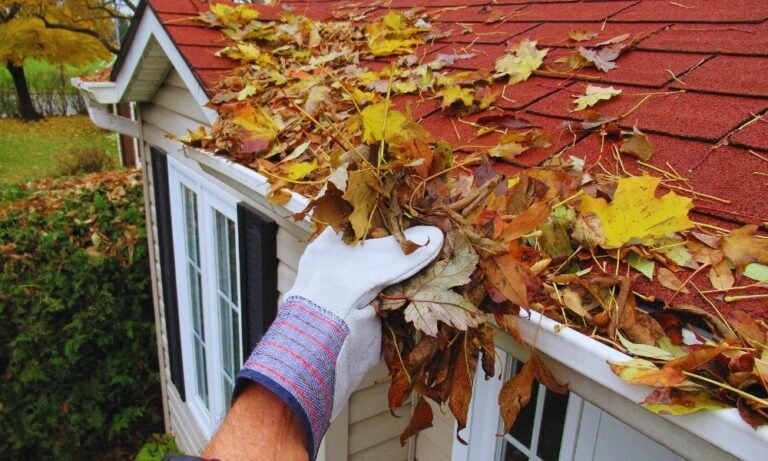
A system that’s pulling away from the roof or sagging under its own weight is more than an eyesore—it’s a warning sign. Over time, heavy debris, standing water, and general wear can cause components to bend and detach.
A failing system can lead to:
- Water pooling where it shouldn’t
- Damage to siding and fascia boards
- Potential leaks that extend beyond the roofline
Once sagging begins, patching things up is only a temporary fix. Upgrading to a stronger, more durable option prevents recurring problems.
If you’re considering new installations, this guide to picking the best materials can help you decide.
4. Protect Your Home’s Stability and Landscaping
A home’s structure relies on a solid base, and excess moisture is one of the biggest threats to that stability. If water is consistently pooling around the perimeter, it can lead to:
- Cracks in walls and floors
- Basement leaks and mildew growth
- Soil erosion that ruins landscaping
Once the ground around a home becomes unstable, it can shift, leading to costly repairs. Avoiding these risks is one of the best reasons to invest in proper drainage.
If you’re wondering about the cost of structural repairs, this guide breaks down what to expect.
5. Save Money with a Low-Maintenance Solution
Older systems often require frequent patching, cleaning, and realignment. If you find yourself constantly dealing with clogs or water buildup, a replacement may be a smarter financial decision.
Modern systems, such as seamless options or those with built-in guards, offer:
- Reduced need for regular maintenance
- Better resistance to leaks and corrosion
- Improved efficiency in directing runoff
Instead of spending money on temporary solutions, upgrading now can prevent costly repairs down the line. If you’re debating between DIY fixes and professional installation, this guide can help.
Signs It’s Time for a Replacement
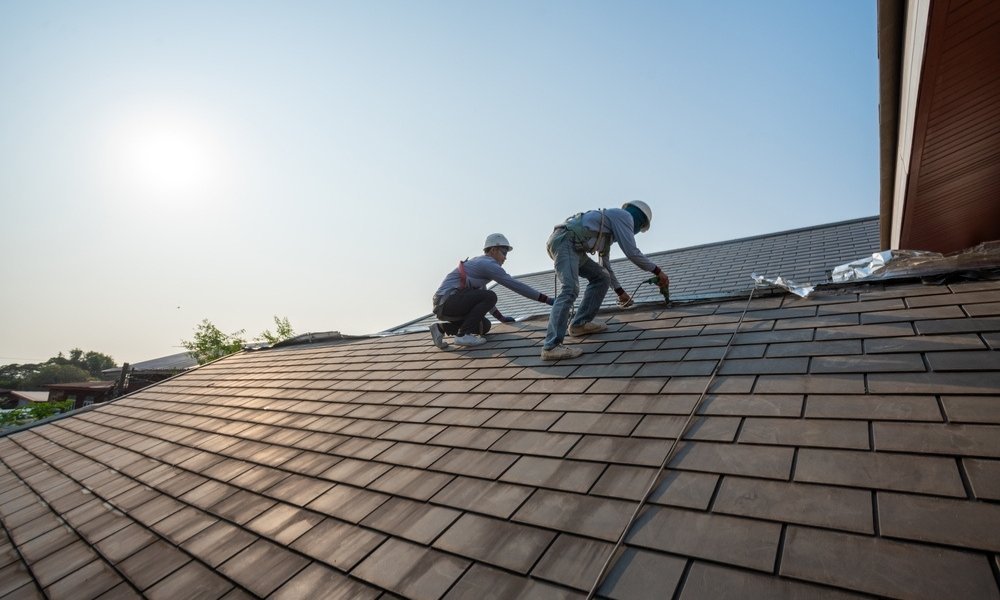
If you’re unsure whether it’s time for new installations, here are some common warning signs:
- Visible cracks, rust, or holes
- Frequent blockages despite regular cleaning
- Sections pulling away from the house
- Water pooling near the foundation after rain
Addressing these issues sooner rather than later can save time and money.
Final Thoughts: Avoid Major Repairs by Acting Now
Neglecting an aging system can lead to significant expenses. Replacing it now can:
- Prevent costly water damage
- Protect landscaping and the home’s foundation
- Keep mold, pests, and mildew at bay
- Avoid emergency repairs during a storm
If you’re not sure where to start, check out this guide on how maintenance saves money in the long run.
Next Steps: Upgrade Before the Next Storm Hits
If your system is beyond saving, don’t wait for heavy rain to make the decision for you. Take action now by reaching out to a trusted professional for a free estimate.
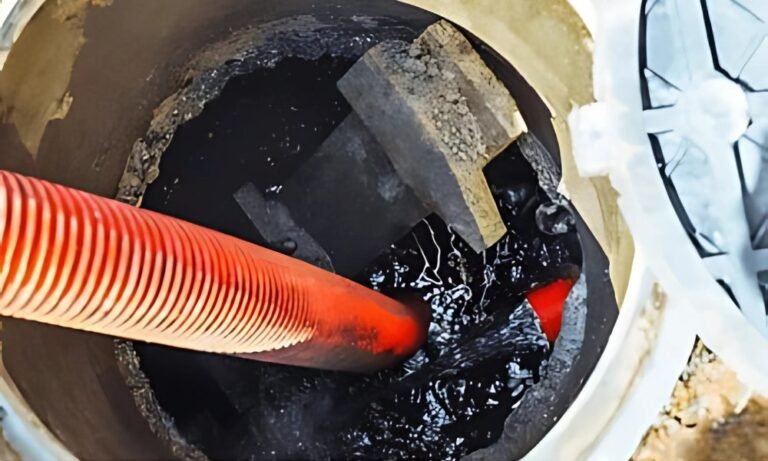
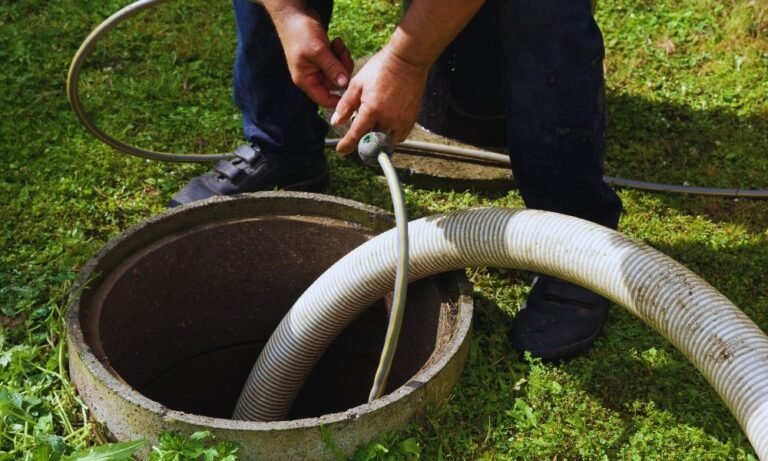
For those with septic systems, maintenance is just as critical. Learn more about keeping everything in working order with these essential septic care tips.
This version keeps the language natural, avoids overuse of key terms, and ensures smooth readability while keeping the message strong. Let me know if you’d like any adjustments.