
Estimated reading time: 6 minutes
A refrigerator is one of the hardest-working appliances in any home. It runs 24/7, keeping food fresh, drinks cold, and leftovers ready for another day. But when it starts acting up, it doesn’t take long to notice. From spoiled groceries to higher energy bills, the warning signs are there—if you know what to look for.
I’ve seen firsthand how ignoring minor fridge issues can lead to expensive repairs (or even a full replacement). If your fridge is showing any of these seven signs, it’s time to call in a professional before things get worse.
What You’ll Learn Here:
- 7 common warning signs that your refrigerator needs attention.
- How to tell the difference between a quick fix and a serious issue.
- The hidden costs of delaying repairs.
- When to DIY troubleshoot vs. call an expert.
1. Your Food Spoils Too Quickly
If milk turns sour in days or fresh produce wilts faster than usual, something isn’t right. A properly functioning refrigerator should maintain a steady temperature between 35°F and 38°F (1.6°C to 3.3°C).
Possible Causes:
- Faulty thermostat causing temperature fluctuations.
- Blocked air vents restricting cold air circulation.
- Worn-out compressor struggling to regulate cooling.
What to Do:
- Check the thermostat setting and make sure it’s set to optimal cooling levels. If food still spoils quickly, it’s time to get a professional diagnosis. If you’re experiencing broader appliance troubles, common appliance problems could be at play.
2. Strange Noises Coming From the Fridge
A refrigerator isn’t completely silent, but if you notice unusual noises, it could be a warning sign.
Common Refrigerator Sounds & What They Mean:
- Clicking or buzzing? Likely a faulty compressor or a failing relay switch.
- Rattling? Could be a loose fan blade or something caught in the motor.
- Loud humming? Dirty condenser coils may be making the fridge work harder than necessary.
What to Do:
- First, check if the fridge is level—uneven placement can cause vibration sounds. If noises persist, it’s best to call a repair technician before a small issue turns into a major repair. For more advice on handling appliance problems, check out our post on DIY or professional help.
3. Excess Frost or Ice Buildup
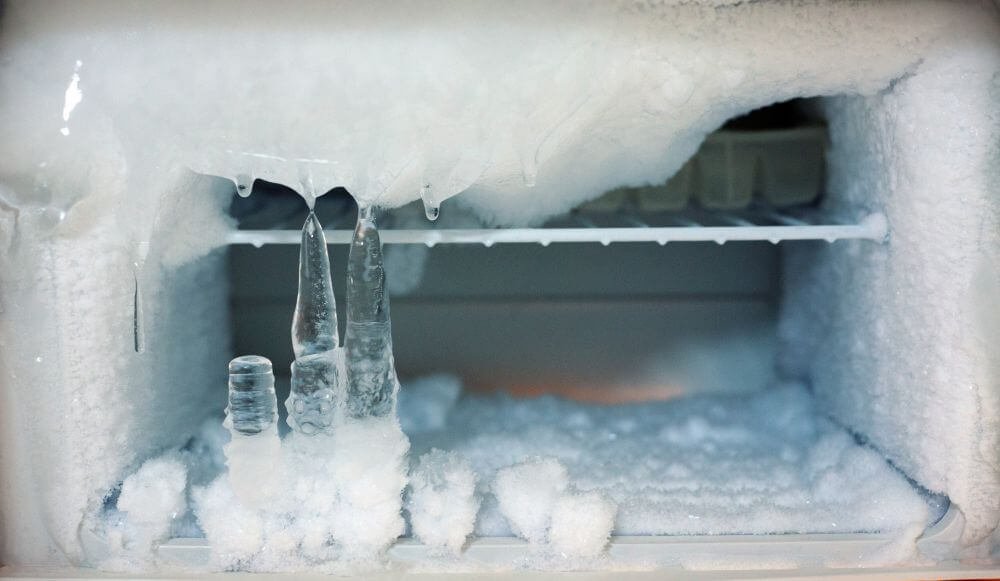
If your freezer is starting to look like an Arctic expedition, something is off. Ice buildup isn’t just annoying—it’s a sign of inefficient cooling.
Possible Causes:
- Defective defrost heater leading to excessive ice formation.
- Damaged door seal, allowing warm air to enter.
- Clogged drain line, causing water to freeze instead of draining properly.
What to Do:
- Try manually defrosting your freezer by unplugging it for a few hours. If frost builds up again within a week, a professional repair is needed. In the meantime, consider exploring energy efficiency tips to help reduce overall appliance strain.
4. Water Leaks Inside or Underneath the Fridge
Water pooling around the fridge? That’s never a good sign. A leaking refrigerator not only damages flooring but can also lead to mold growth.
Common Causes:
- Clogged defrost drain, leading to excess moisture buildup.
- Leaking water inlet valve, especially if your fridge has a water dispenser.
- Cracked drain pan, failing to collect condensation properly.
What to Do:
- Check for visible blockages in the drain hole at the back of the fridge. If the issue persists, professional service is needed to prevent further water damage. If you’re unsure how to approach the issue, read more about hiring a repair technician.
5. The Back of the Fridge Feels Too Hot
Refrigerators naturally generate some heat, but if the exterior feels unusually hot, it may indicate an internal problem.
Potential Issues:
- Overheating condenser coils, working harder than they should.
- Failing compressor, struggling to regulate cooling.
- Blocked airflow, causing heat buildup.
What to Do:
- Clean the condenser coils (usually located at the back or bottom of the fridge). If excessive heat persists, it’s time to call a technician. Regular maintenance can help avoid these issues and keep your fridge running smoothly—find out more in our post on why regular maintenance saves money.
6. Your Energy Bills Have Spiked
If your electricity bill has jumped unexpectedly, your refrigerator might be the culprit. Older or failing units consume more energy to maintain temperature.
Signs of an Inefficient Refrigerator:
- Running longer than usual without shutting off.
- Feeling warm to the touch on the sides.
- Cooling inconsistencies between the top and bottom shelves.
What to Do:
- Compare your current energy usage with previous months. If your fridge is suddenly using more power, it may be time for a repair or an upgrade. For tips on maintaining your appliances efficiently, check out our energy efficiency tips.
7. Refrigerator Runs Constantly or Turns Off Randomly

Your fridge should cycle on and off to maintain temperature, but if it never stops running or shuts off unpredictably, it’s a red flag.
Possible Causes:
- Faulty thermostat, causing the compressor to overwork.
- Dirty condenser coils, making the fridge work harder.
- Electrical issues, leading to inconsistent power flow.
What to Do:
- If basic cleaning doesn’t fix the issue, a professional technician should inspect the unit before a complete breakdown occurs. If you’re concerned about costly repairs, consider reading our post on cost-effective appliance repairs.
DIY Fixes vs. Calling a Professional
Some minor fridge issues can be fixed with simple maintenance, while others require an expert’s touch.
When You Can DIY:
- Cleaning dirty coils to improve efficiency.
- Checking and replacing a worn-out door seal.
- Unclogging a blocked defrost drain.
When to Call a Technician:
- Temperature problems persist despite setting adjustments.
- The compressor makes loud noises or doesn’t turn on.
- There’s water leakage you can’t identify or fix.
- If in doubt, calling a professional can save money in the long run by preventing larger, more expensive repairs. For more help on hiring a technician, visit our post on how to hire the right appliance repair professional.
Final Thoughts: Don’t Wait for a Breakdown
Refrigerator issues rarely fix themselves. If you notice any of these seven warning signs, don’t ignore them—early repairs can save you hundreds of dollars in food waste, energy bills, and appliance replacement costs.