
Estimated reading time: 6 minutes
When I think about the trees in my yard, I can’t help but appreciate their beauty and the shade they provide. But as much as I love them, I know that sometimes, keeping a tree isn’t the best choice. Whether it’s due to safety concerns or damage, there are times when removing a tree is the smartest move for your property.
In this guide, I’ll walk you through the key signs that it might be time to part ways with a tree. Here’s what you’ll learn:
- How to recognize a dead or dying tree.
- Signs of disease or pest infestations.
- Structural problems that make trees hazardous.
- How storm damage can create risks.
- Why some trees are simply in the wrong place.
Let’s dive in and explore the signs that say, “It’s time to go.”
1. A Dead or Dying Tree
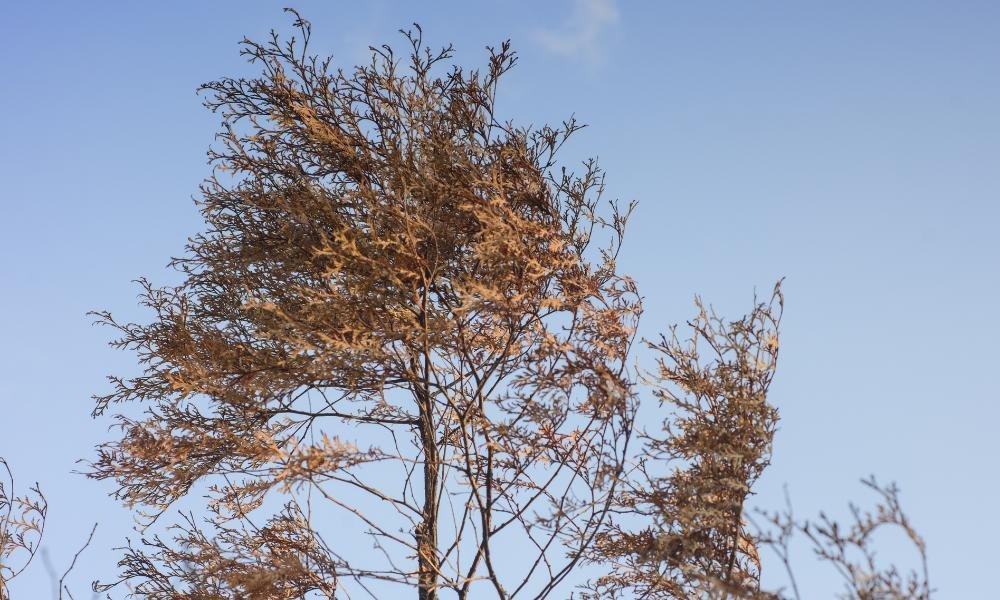
Dead trees are a major red flag. If you notice a tree in your yard that no longer sprouts leaves in spring or has brittle branches that snap easily, it’s likely not coming back. Bark falling off, stunted growth, and no visible buds are additional warning signs.
The danger of a dead tree lies in its instability. Without the strength of healthy wood, the tree becomes a ticking time bomb. Branches can fall without warning, posing risks to your family, pets, and property. Trust me, a dead tree isn’t just an eyesore—it’s a liability.
If you spot these signs, don’t wait for Mother Nature to decide when that tree comes down. Call a professional and get it removed safely.
2. Disease or Pest Infestation
Sick trees don’t just look bad—they can become a serious problem for the rest of your yard. Signs of disease might include discolored leaves, premature leaf drop, or fungi growing around the base. Pests like beetles or termites can also weaken the tree’s structure, turning it into a disaster waiting to happen.
I’ve seen how quickly disease and pests can spread to neighboring plants, turning one unhealthy tree into a yard-wide issue. If you notice small holes in the bark, black mold, or sawdust-like debris near the trunk, it’s time to act.
A professional arborist can assess the tree and recommend whether it can be treated or if removal is the best course. Either way, addressing the issue early is your best bet for protecting the rest of your property.
3. Structural Issues and Leaning Trees
Not every tree grows straight and tall. Sometimes, structural problems like deep cracks in the trunk or a noticeable lean signal trouble. While a slight lean might be natural, a significant tilt—especially if it developed after a storm—means the roots might not be holding firm.
I’ve seen leaning trees that were practically begging to topple over, and trust me, you don’t want to wait until it crashes into your roof. Cracked trunks or multiple trunks splitting apart can also make a tree unstable, even if it looks healthy at first glance.
Take a close look at your tree. If something doesn’t seem right, it’s worth having a professional check it out.
4. Storm Damage
Storms can be brutal on trees. High winds, heavy rain, and even lightning strikes can cause limbs to break or entire trees to uproot. After a storm, inspect your yard for any trees with hanging branches, splits in the trunk, or visible root exposure.
Leaning trees are especially risky, as their weakened roots may not be able to withstand future weather events. I’ve learned that even seemingly small damage can worsen over time, making it harder and more expensive to address later.
If a storm has left your tree in bad shape, don’t hesitate to bring in a professional. It’s better to remove a tree early than deal with the aftermath of an unexpected collapse.
5. The Tree is in the Wrong Place
Sometimes, a perfectly healthy tree is simply in the wrong spot. It might be growing too close to your home, power lines, or other structures. Roots can damage foundations, sidewalks, and underground pipes, while branches might interfere with your roof or electrical systems.
I once dealt with a tree that looked great but had roots lifting my driveway. It was a tough call, but removing it saved me from even bigger expenses down the line.
If a tree is causing more problems than benefits, removal might be the best option. A tree care expert can help you decide the right course of action.
Why Timely Removal Matters
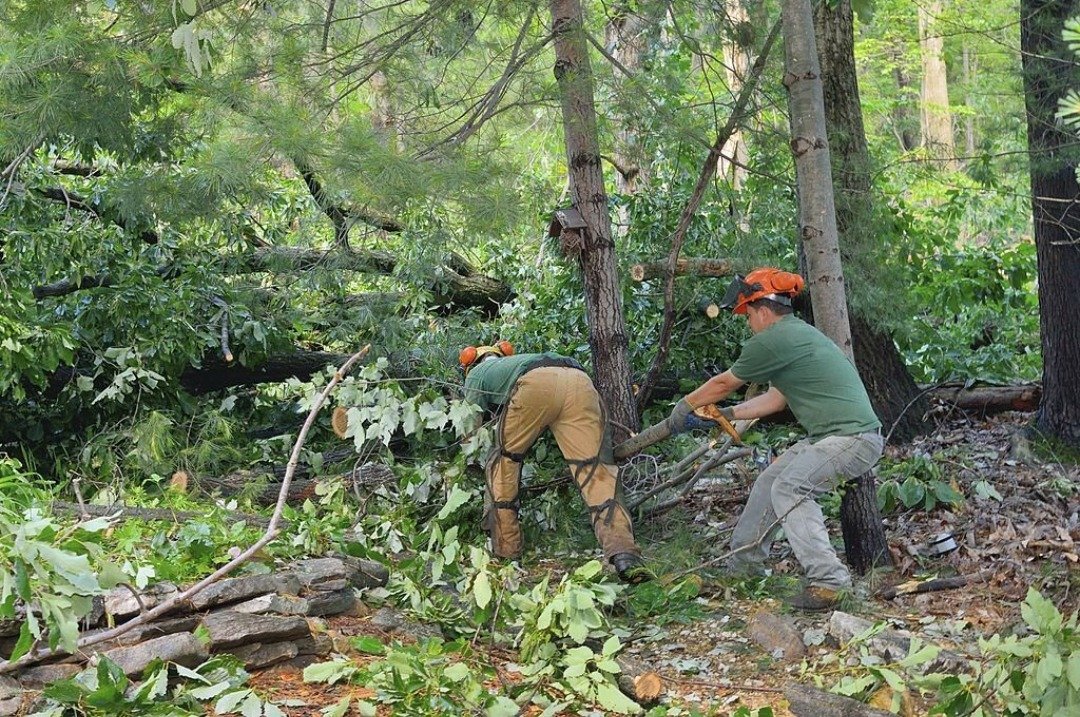
Waiting to remove a problematic tree can lead to serious consequences. A falling branch can cause injuries or property damage, while diseases or pests can spread to healthy plants. On top of that, storm-damaged or leaning trees only become more dangerous over time.
Taking action now not only protects your yard but also saves you money. Removing a tree before it causes damage is far less expensive than dealing with emergency repairs or removal after the fact.
DIY vs. Professional Tree Removal
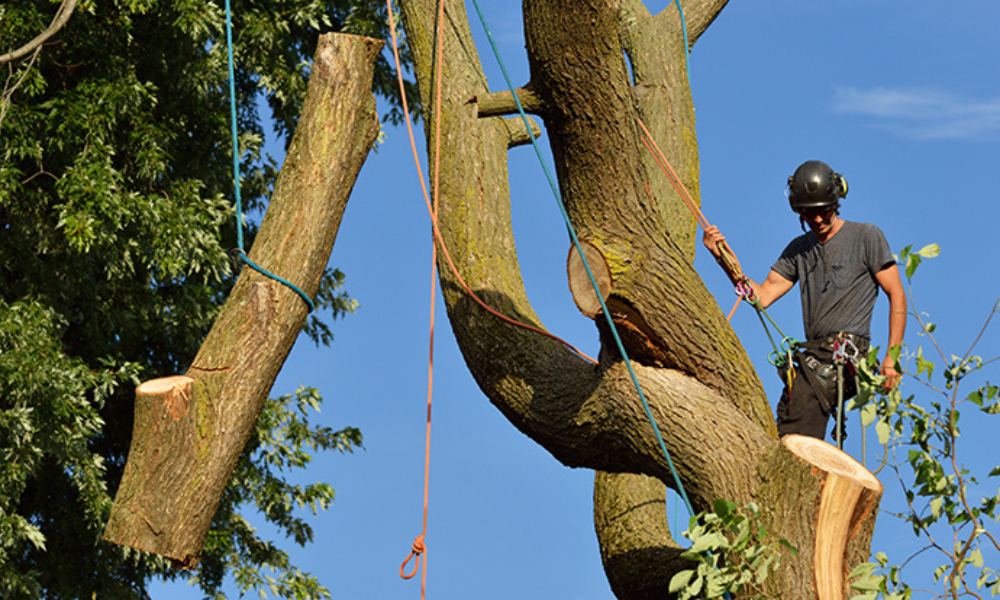
You might wonder if you can handle tree removal yourself. For small trees or basic trimming, a DIY approach can work. But for large trees, or those near structures and power lines, it’s best to leave the job to the pros.
Tree care professionals have the tools and experience to handle the job safely and efficiently. They can also assess the tree’s health and recommend the best course of action—whether that’s removal or strategic trimming.
Final Thoughts
Trees are a beautiful part of any property, but not every tree is meant to stay. Dead, diseased, or structurally compromised trees can pose serious risks, and storm damage or poor placement can create even more problems.
If you notice any of these signs, don’t wait until it’s too late. Call a tree care professional to evaluate the situation and help you make the right decision.
Your yard will thank you—and so will your peace of mind.