Estimated reading time: 6 minutes
Introduction
If there’s one thing I never ignore in home maintenance, it’s my wastewater treatment system. Overlooking it can lead to bad smells, slow drains, and costly repairs. Many homeowners don’t think about it until something goes wrong, and by then, it’s too late.
How often should I get it cleaned? It depends on several factors, but regular maintenance is key. In this guide, I’ll cover:
- How frequently cleaning is needed
- What affects the cleaning schedule
- Signs that it’s overdue for service
- Best practices to keep everything running smoothly
- Common misconceptions that can lead to expensive mistakes
Let’s dive in, because I’d rather prevent a disaster than deal with one.
How Often Should I Clean It?
The general recommendation is every three to five years, but several factors determine the right schedule:
Household Size – More people using water means faster buildup
Capacity
A smaller container fills up more quickly
Water Usage
Running multiple appliances daily increases waste flow
Garbage Disposal Use
Sending food scraps into the system leads to more solid accumulation
Type of Setup
Some require more frequent professional maintenance
If I can’t remember the last service, it’s probably time to schedule one. For a more detailed breakdown, I recommend checking out this guide on septic cleaning frequency.
Signs It Needs Cleaning

Waiting until there’s a problem can lead to major issues. Instead, I look for these warning signs:
Slow Drains & Gurgling Sounds
If water lingers in sinks or tubs, buildup might be restricting flow
Unpleasant Smells
A well-maintained system should never produce strong odors
Standing Water or Soggy Soil
Pooled water or extra-green grass near the drain field can indicate overflow
Sewage Backups
Wastewater appearing in sinks, tubs, or toilets signals an urgent issue
Frequent Plumbing Issues
If clogs happen too often, it could be a deeper problem
Ignoring these signs can lead to expensive repairs. If any of these issues appear, I check out this list of immediate warning signs to know when to act fast.
How I Keep Everything Running Smoothly
To avoid breakdowns, I follow a few simple steps:
Best Practices
- Schedule routine cleanings every few years
- Use biodegradable paper products
- Limit water waste by spreading out laundry and dishwashing
- Redirect rainwater to avoid oversaturating the drain field
- Arrange inspections to catch minor issues before they worsen
What I Avoid
- Flushing non-degradable items like wipes, grease, or hygiene products
- Pouring harsh chemicals down drains that could harm bacteria
- Parking or driving over the drainage area
- Planting trees too close, as roots can damage pipes
- Using DIY cleaning solutions that might do more harm than good
For a complete list of good habits, I recommend these septic system dos and don’ts.
Common Myths That Could Cost Me
After years of home maintenance, I’ve come across a lot of misconceptions. Here are a few myths I’ve learned to ignore:
Myth #1: No Clogs, No Problem
- Regular pumping is necessary even if everything seems fine. Waiting until issues arise can lead to expensive damage.
Myth #2: Additives Make Cleaning Unnecessary
- Some products claim to break down waste, but they don’t replace professional servicing. Solids still build up over time.
Myth #3: Garbage Disposals Don’t Affect It
- Disposals add solids that settle at the bottom, requiring more frequent maintenance. I minimize use to extend cleaning intervals.
How to Find a Professional Service

This isn’t a DIY job. When it’s time for a cleaning, I make sure to hire a licensed professional. Here’s what I check for:
- Experience with similar systems
- Proper licensing through my local health department
- Transparent pricing and service details
- Positive customer reviews
For anyone looking to hire a pro, I suggest contacting the local board of health to verify credentials.
What Happens During a Cleaning?
For those who haven’t scheduled this service before, here’s what to expect:
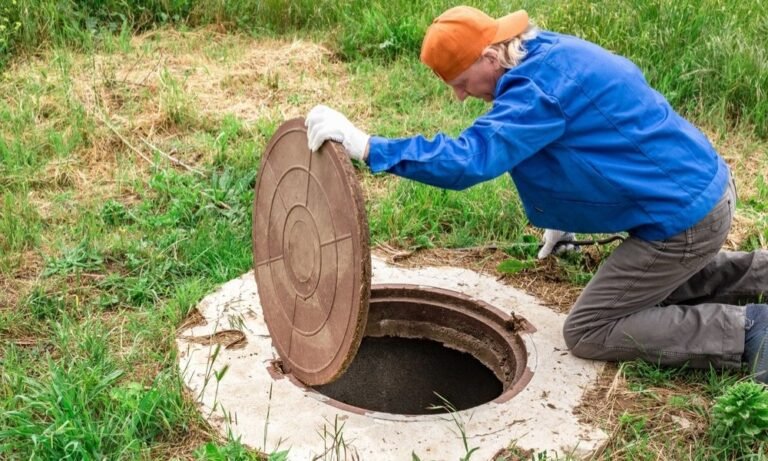
- The technician locates the access point and removes the cover
- They inspect the interior for cracks, leaks, and blockages
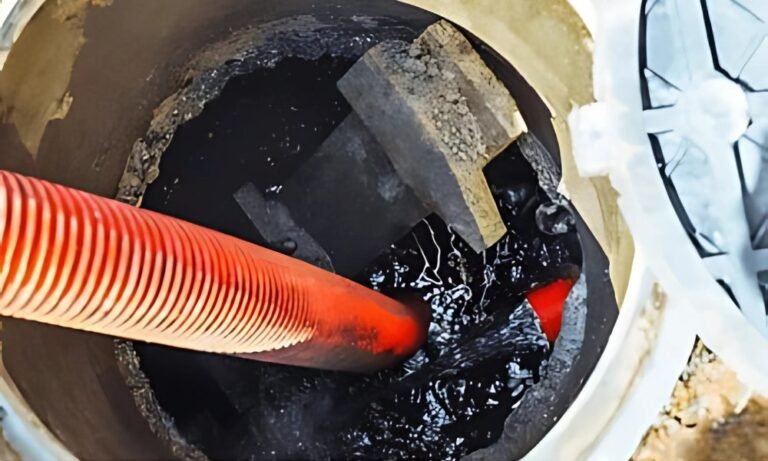
- A vacuum truck removes built-up solids and liquid waste
- The service provider checks the drain field for potential issues
- A final report provides recommendations for ongoing care
The whole process usually takes about an hour, depending on the condition of the system.
How Much Does It Cost?
Pricing depends on several factors:
- Tank Size – Larger setups require more labor and equipment
- Location – Some areas have higher service rates
- Condition – If it’s been neglected, extra work may be needed
- Additional Services – Inspections, repairs, and treatments can add to the cost
On average, a routine pumping costs between $250 and $500, but waiting too long can lead to expensive repairs. If foundation damage occurs due to neglected maintenance, I check out this guide on repair costs to understand the financial impact.
What If I Ignore It?
Skipping maintenance leads to major problems:
- Backups that cause damage inside my home
- Soil contamination from overflowing wastewater
- Costly emergency repairs that could have been avoided
- A failed system that might require complete replacement
A little upkeep now saves thousands of dollars in the long run.
Other Areas of My Home That Need Regular Care
Septic maintenance isn’t the only thing I stay on top of. Water-related issues, in general, can lead to costly damage. Here are a few other areas I keep in check:
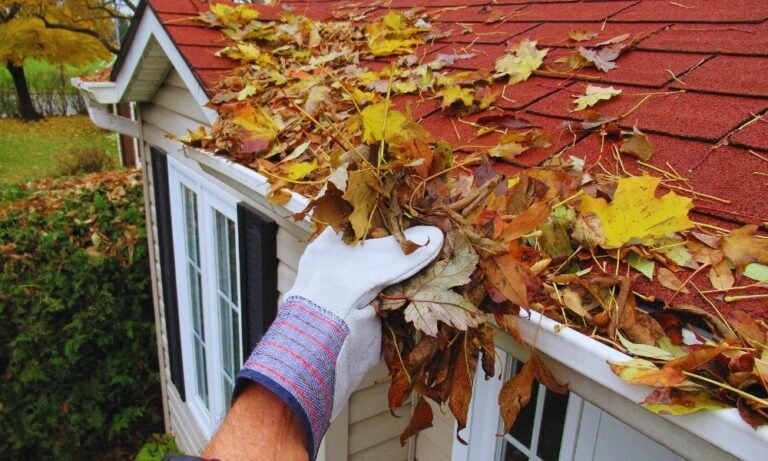
- Gutters – Clogged gutters cause water overflow, which can weaken my foundation. Regular gutter maintenance helps prevent long-term damage.
- Foundation – Water leaks and poor drainage can lead to foundation cracks. Knowing the warning signs helps me take action before it worsens.
- Mold Growth – Excess moisture can cause hidden mold problems. I take precautions to prevent mold in humid areas to protect my home and health.
Final Thoughts
Routine maintenance prevents disasters and extends the life of my system. I make sure to schedule cleaning every few years, watch for warning signs, and follow best practices.
If I had to give one piece of advice, it would be this: Don’t wait for a problem—schedule service before one happens. For more tips on keeping everything in top shape, check out this septic maintenance guide.