Estimated reading time: 5 minutes
A well-maintained wastewater system works quietly in the background, keeping your home safe and functional. But neglect it, and you could find yourself dealing with slow drains, unpleasant odors, or, worse—an expensive backup.
Having worked with homeowners on various property maintenance issues, I know that preventative care is the best way to avoid costly repairs. So if you rely on an underground waste system, here are seven essential ways to keep it running smoothly for years to come.
What You’ll Learn in This Guide
Why regular clean-outs are essential
How conserving water prevents overload
What NOT to flush or pour down the drain
Landscaping mistakes that could damage your setup
The importance of periodic inspections
Whether additives are necessary (or just a marketing gimmick)
Why educating household members can save you a fortune
1. Schedule Regular Pumping
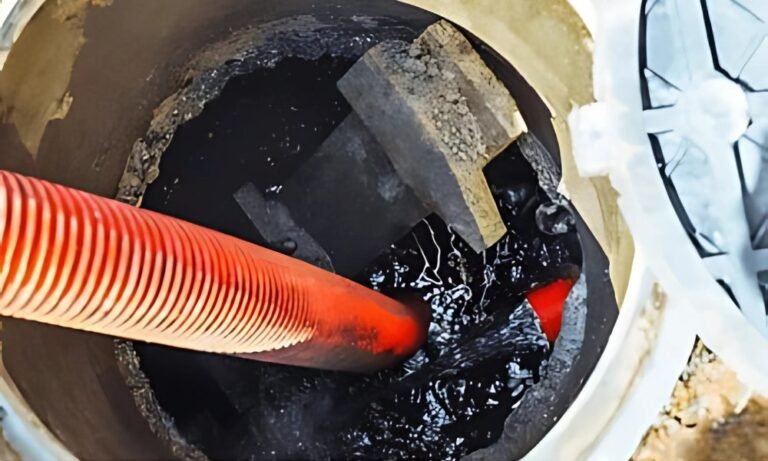
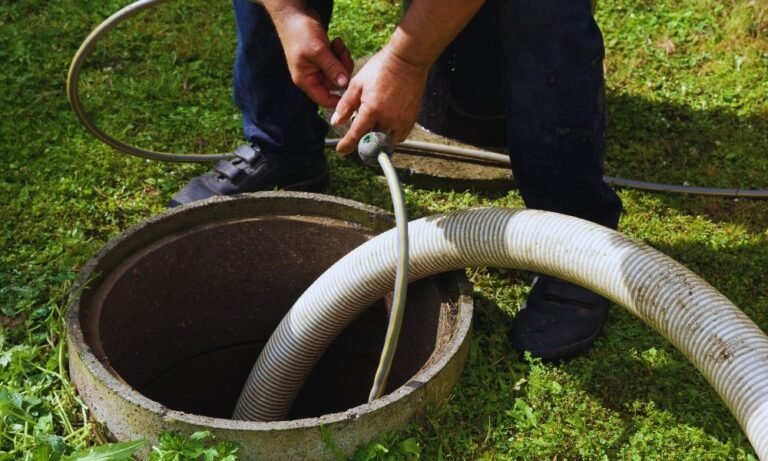
No waste management system can function indefinitely without maintenance. Over time, solids accumulate, and if they aren’t removed, they can clog drainage lines or even seep into your yard.
How often should you have it cleaned?
Most professionals recommend servicing every 3 to 5 years, but that depends on:
- The number of people in your household
- How much wastewater your home generates
- The overall capacity of your setup
If you’ve noticed slow drains, a soggy yard, or foul odors near the drain field, it might be time to schedule a clean-out sooner. For more details on timing, check out this guide on how often you should clean your tank.
2. Conserve Water to Avoid Overload
Every drop that flows down the drain ends up in your underground system. If too much liquid enters too quickly, it won’t have time to separate properly, leading to potential flooding.

Ways to Reduce Excessive Water Flow:
Install low-flow toilets and faucets to reduce unnecessary usage.
Space out laundry loads rather than washing everything at once.
Fix leaks immediately—even a dripping tap can waste thousands of gallons per year.
Using resources wisely isn’t just good for your waste disposal setup—it also helps lower your utility bills.
3. Watch What You Flush (or Pour Down the Drain)
Your underground system isn’t designed to handle anything and everything that goes down the drain. Some items can create clogs, while others disrupt the natural breakdown process.
Things to Keep Out of Your Drains:
- Wipes (even “flushable” ones)
- Feminine hygiene products
- Cooking grease and oils
- Paper towels and cotton swabs
- Harsh chemical cleaners or bleach
A good rule of thumb? If it’s not biodegradable, don’t flush it. Curious about other common mistakes? Check out this list of septic dos and don’ts.
4. Keep Landscaping in Check
Roots from trees and shrubs are one of the most common causes of underground pipe damage. They naturally seek moisture and can crack or clog the system if they grow too close.
Best Landscaping Practices:
Keep large trees at least 50 feet away from drainage lines.
Opt for shallow-rooted plants in areas near the drain field.
Never park vehicles over the system—excess weight can crush pipes.
Managing outdoor space properly also helps prevent foundation issues caused by poor drainage. If you’re worried about soil shifting, check out these warning signs of foundation damage.
5. Get Routine Inspections
Even if everything seems fine, hidden issues could be developing below the surface. That’s why I always recommend having a professional inspect your system every few years.
An inspection can:
Identify small leaks before they become major problems
Ensure proper drainage and waste breakdown
Prevent costly emergency repairs
Think of it like a routine check-up for your home—it might not seem urgent, but it can save you thousands down the road.
6. Skip the Additives—They’re Usually Unnecessary
You’ve probably seen advertisements for products claiming to “boost efficiency” or “reduce the need for pumping.” The reality? Most of these additives do more harm than good.
Why I Avoid These Products:
- Chemical-based formulas can kill the good bacteria that break down waste naturally.
- Solid additives might disrupt the separation process, leading to blockages.
- Some products claim to dissolve sludge, but if they were that powerful, they’d probably damage your pipes too.
Instead of relying on shortcuts, I stick to proper maintenance—it’s the most effective way to keep everything running smoothly.
7. Educate Everyone in Your Household
Your waste system is only as good as the people using it. If family members don’t understand what should and shouldn’t go down the drain, you’re bound to run into trouble eventually.
Here’s how I make sure everyone follows best practices:
Teach kids early—no toys or non-flushable items in the toilet.
Remind guests (politely) about what shouldn’t go down the drain.
Address issues immediately—if someone notices slow drainage or an odd smell, we act fast.
If everyone does their part, your system will last decades without major issues.
Bonus Tips: Small Habits That Make a Big Difference
Aside from the core maintenance steps, here are a few extra habits that can extend the lifespan of your system:
Direct rainwater away from the drain field—too much moisture can overwhelm it.
Use biodegradable soaps and detergents—harsh chemicals can disrupt waste breakdown.
Install a filter on the outlet pipe—this helps prevent solids from clogging the drain field.
These small adjustments might seem minor, but over time, they add up to a healthier, longer-lasting system.
Final Thoughts
Regular upkeep isn’t complicated—it just requires a bit of planning and awareness. By following these seven key tips, you can extend the life of your waste management setup, avoid expensive repairs, and keep everything running efficiently.