Estimated reading time: 6 minutes
My septic tank isn’t something I think about daily—until something goes wrong. Unfortunately, when it does, it’s rarely a minor issue. A slow drain today could turn into a messy backup tomorrow. Ignoring early signs can lead to costly repairs, environmental risks, and a whole lot of stress.
The good news? My system always gives me warning signs before things go south. If I know what to look for, I can act fast and avoid a disaster. In this guide, I’ll cover:
- Common red flags that indicate an urgent need for cleaning
- Why ignoring these warning signs can be expensive
- What steps I should take if I notice an issue
- How to prevent future septic system emergencies
If I spot any of these issues, I’ll know it’s time to call a professional before the problem gets out of hand.
Warning Signs That My Septic Tank Needs Cleaning
A well-maintained system should work quietly in the background. If I start noticing these issues, I know something isn’t right.
Slow Drains and Gurgling Pipes
- If water takes longer than usual to drain from my sinks, tubs, or toilets, it could mean my system is full.
- Gurgling noises from pipes suggest trapped air due to waste buildup.
- If plungers and regular drain maintenance don’t fix the problem, my tank could be reaching capacity.
Persistent Foul Odors
- A strong sewage smell inside or outside my home isn’t normal.
- The odor is usually caused by trapped gases that have nowhere to escape.
- If the smell lingers and gets worse, I need to schedule an inspection.
Sewage Backup Inside the House
- If wastewater starts coming up through my drains, it’s a clear sign of trouble.
- Backups usually start with lower-level drains before spreading.
- This isn’t just unpleasant—it’s a serious health hazard. Immediate action is required.
Standing Water or Puddles in the Yard
- Water pooling around the drain field is a sign of oversaturation.
- The ground may be too saturated to absorb waste properly.
- Ignoring this issue could lead to contamination of nearby water sources.
Unusually Lush or Fast-Growing Grass
- If one section of my yard looks greener than the rest, I take a closer look.
- The excess nutrients leaking from the tank can fertilize the soil.
- While a green lawn is great, unexpected patches of thriving grass near my drainage area are a red flag.
Toilets Struggling to Flush
- If multiple toilets in my home are flushing weakly, it could indicate a problem with the waste flow.
- A full tank restricts the movement of wastewater, leading to sluggish performance.
- If I have to flush twice or more regularly, my system might be overdue for a pump-out.
Unusual Noises from Plumbing Fixtures

- Bubbling or gurgling sounds when I run water aren’t normal.
- Air trapped in my pipes suggests improper waste flow.
- If the noises persist, I know it’s time to investigate.
Alarm System Alerts
- Some septic systems come with an alarm that signals high levels.
- If I have an alert system, I don’t ignore it—it’s warning me before a serious issue arises.
- If I don’t have one installed, it might be a good investment for future peace of mind.
Possible Water Contamination
- If my well water starts tasting or smelling unusual, I take it seriously.
- A failing septic system can contaminate groundwater, creating health risks.
- Routine testing of well water can help me catch contamination before it becomes dangerous.
It’s Been a While Since My Last Cleaning
- If I can’t remember when I last scheduled a septic cleaning, it’s probably overdue.
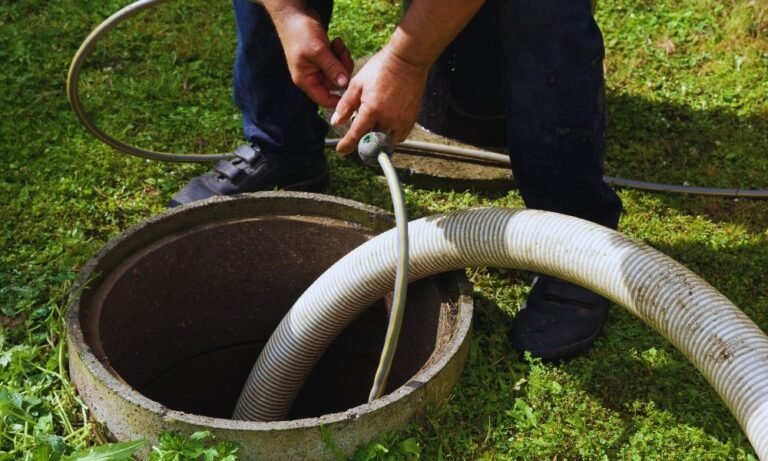
- Most systems should be pumped every three to five years, depending on household size.
- Skipping maintenance increases the risk of unexpected breakdowns.
To better understand when my system needs pumping, I refer to this guide on septic cleaning schedules.
The Cost of Ignoring These Warning Signs
A septic system in distress isn’t just inconvenient—it’s expensive. Ignoring the signs above can lead to:
- Costly Repairs: A neglected system can lead to a complete failure, which costs thousands to replace.
- Health Hazards: Sewage backups expose my household to harmful bacteria and contaminants.
- Property Damage: Overflowing waste can ruin flooring, drywall, and landscaping.
- Environmental Issues: A leaking system can contaminate nearby wells and water sources.
Addressing problems early can save me from a major financial headache.
What to Do If I Notice These Signs
If I suspect my system is overdue for cleaning, I don’t wait. Here’s my action plan:
- Reduce water usage immediately. Flushing less, taking shorter showers, and spacing out laundry loads can help ease the strain.
- Avoid using chemical drain cleaners. Harsh products kill beneficial bacteria that help break down waste.
- Inspect my yard for standing water or foul smells. If I notice puddles or persistent odors, I contact a professional.
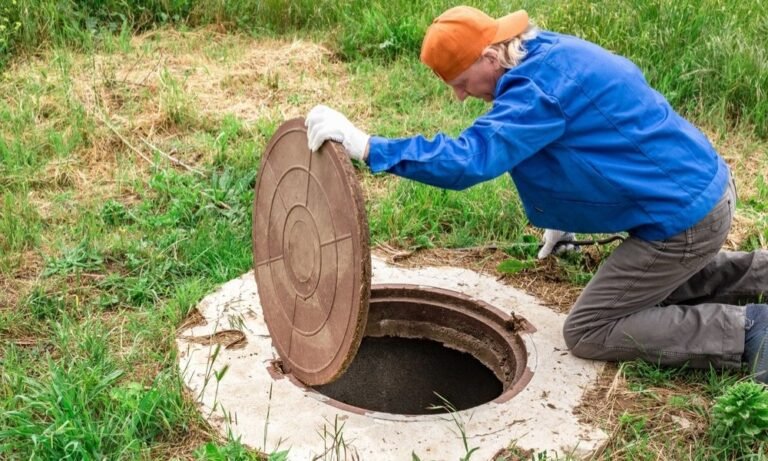
- Call a septic service expert. A licensed professional can confirm whether my system needs pumping or repairs.
If I’m unsure who to call, I check with my local health department for certified specialists.
Preventing Future Septic Emergencies
Proper maintenance keeps my system working efficiently and extends its lifespan. Here’s what I do to avoid emergencies:
- Follow a regular pumping schedule. Keeping up with maintenance prevents unnecessary buildup.
- Be mindful of what goes down my drains. No grease, wipes, or non-biodegradable materials.
- Watch my landscaping choices. Trees should never be planted near the drain field.
- Limit excessive water usage. Spacing out showers, dishwashing, and laundry helps prevent overload.
- Schedule routine inspections. Catching small issues early prevents costly repairs.
For a complete list of best practices, I reference this septic system maintenance guide.
Final Thoughts
A well-functioning septic system doesn’t need constant attention, but when I see slow drains, odd smells, or standing water, I don’t ignore it. The sooner I act, the less likely I am to deal with costly repairs.
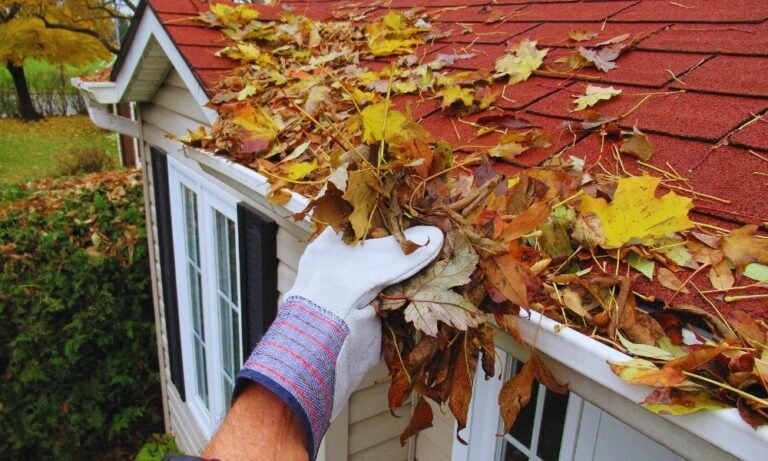
If I had to sum it up in one rule? Don’t wait—address problems before they turn into disasters. For other ways to protect my home, I also check out tips on gutter maintenance and spotting foundation issues early to keep my property in top condition.