
Estimated reading time: 5 minutes
Transforming an older house into a connected, technology-driven home isn’t just a luxury anymore—it’s a smart move (pun intended). As more people look to enjoy the convenience, efficiency, and security of automated living, retrofitting existing homes with modern technology has become increasingly popular. But where do you start? Hiring the right expert is the key to ensuring a smooth, successful upgrade.
Here’s everything you need to know to find the right professional for your home upgrade project.
What You’ll Learn
In this guide, I’ll cover:
- What retrofitting is and why it’s a game-changer for older homes.
- Why hiring an expert is essential.
- How to identify the best professional for the job.
- Common mistakes to avoid when choosing your installer.
Let’s get started!
What Is Smart Home Retrofitting?
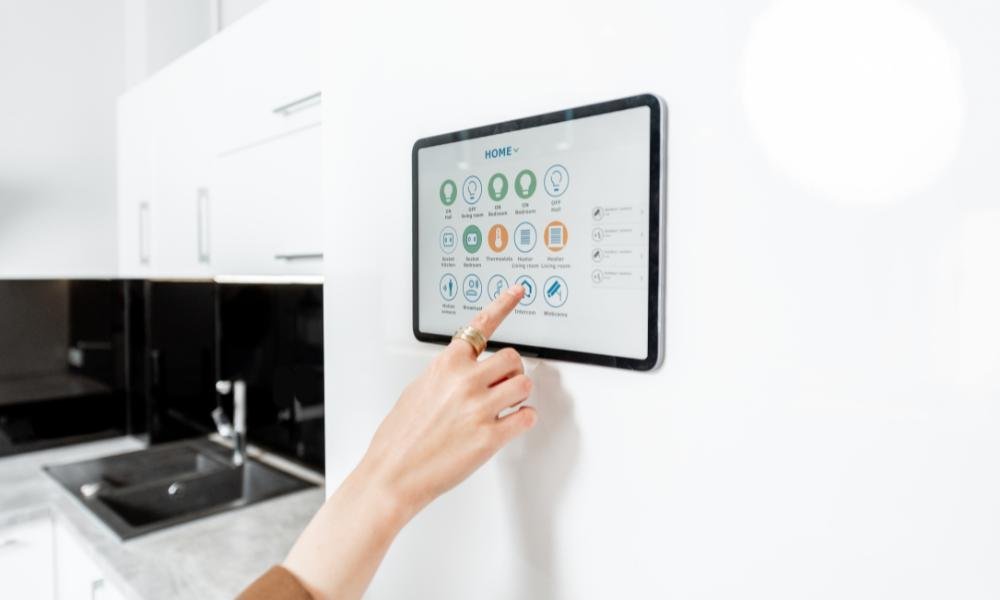
Smart home retrofitting involves upgrading existing properties with technology that makes life easier, safer, and more energy-efficient. Whether it’s a thermostat you can control from your phone or sensors that alert you to water leaks, retrofitting ensures older homes can keep up with modern demands.
This is important because most homes we’ll be living in decades from now have already been built. Yet, traditional homes weren’t designed to handle the growing number of smart devices we rely on today. Retrofitting bridges that gap, turning yesterday’s homes into connected spaces that work for today—and tomorrow.
Why Hire an Expert?
You might be tempted to take the DIY route, but trust me: when it comes to smart home technology, leaving it to a pro is almost always the smarter choice. Here’s why:
They Ensure Compatibility
A professional understands how different systems work together. They’ll ensure your devices communicate seamlessly, avoiding frustration down the line.
They Customize Solutions for Your Needs
Every house—and every homeowner—is different. Experts can assess your home’s layout, your lifestyle, and your budget to recommend the right setup for you.
They Prevent Costly Mistakes
Incorrect installations can lead to inefficiencies, system failures, or even safety risks. A professional minimizes these risks and often saves you money in the long run.
They Future-Proof Your Home
The tech world moves fast. A good installer will make sure your setup can adapt as new technologies emerge, sparing you future headaches.
How to Choose the Right Expert
Finding the right professional doesn’t have to be overwhelming. Here’s a step-by-step approach to simplify your search:
Do Your Research
Start by looking for professionals in your area who specialize in retrofitting existing homes with technology. Read reviews, browse their websites, and check out examples of their work.
Ask About Experience
Not all smart technology is created equal, and experience matters. Ask potential hires how long they’ve been working in the field and whether they’ve completed projects similar to yours.
Look for Certifications
Certifications from organizations like CEDIA or KNX indicate that an expert has been trained to the highest industry standards. It’s like choosing a Michelin-star chef—you know you’re getting quality.
Request References
Don’t just take their word for it. Ask for references from past clients and follow up to hear firsthand about their experiences.
Compare Quotes
While price shouldn’t be your only consideration, it’s important to understand what’s included in each quote. A higher price might reflect better materials or additional services, so look closely.
Mistakes to Avoid
When hiring an expert, there are a few common pitfalls to steer clear of:
Choosing the Cheapest Option
A low price might seem tempting, but it could mean subpar work or devices that don’t last. Instead, focus on value and expertise.
Not Asking About Maintenance
Smart systems need occasional updates or repairs. Make sure your installer offers ongoing support or trains you to handle basic troubleshooting.
Overlooking Compatibility
If your existing systems don’t play nicely with your new devices, it could cause more trouble than it’s worth. Discuss compatibility with your installer beforehand.
Smart Retrofitting Devices to Consider
If you’re wondering what devices to include in your retrofitting project, here are a few that offer excellent functionality and long-term value:
Smart Locks
These let you lock and unlock doors remotely or with unique codes. They’re perfect for added security and convenience, especially for families with multiple members.
Leak Sensors
Every year, water leaks cause millions in damages. Sensors can detect leaks early, saving you from costly repairs.
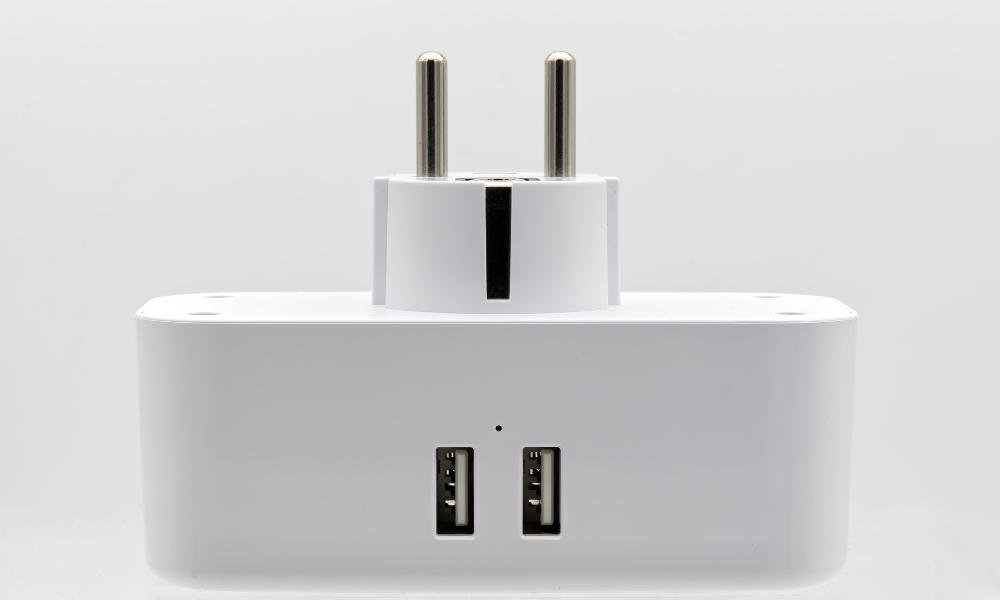
Smart Plugs
Simple yet effective, these plugs allow you to control appliances and devices from your phone. They’re affordable, easy to install, and great for energy savings.
Video Doorbells
Video doorbells not only let you see who’s at the door but also add a layer of security to your home. They’re ideal for families or anyone wanting peace of mind.
The Long-Term Benefits of Retrofitting
Hiring the right expert and investing in smart devices isn’t just about convenience. It’s also about sustainability, safety, and future-proofing your home. For instance:
Lower Energy Bills: Smart thermostats and plugs reduce energy waste, which translates to savings over time.
Increased Security: Devices like cameras and locks give you greater control over your home’s safety.
Boosted Home Value: A smart home is a selling point for future buyers. Retrofitting now can increase your home’s market appeal.
Wrapping It Up
Smart home retrofitting is an investment in comfort, efficiency, and peace of mind. While the process might seem daunting, hiring the right expert makes it manageable—and even enjoyable.
So, do your homework, ask the right questions, and start small if you’re unsure. With the right guidance, you’ll soon be enjoying a home that’s smarter, safer, and more connected than ever.
And hey, if your new smart lock makes you feel like James Bond every time you walk through the door, I won’t blame you.