Estimated reading time: 6 minutes
A home is more than just four walls and a roof—it’s where memories are made, kids (and pets) run wild, and the WiFi mysteriously stops working at the worst times. But if there’s one thing that can throw a serious wrench into homeownership, it’s foundation problems. They start small—a tiny crack here, a door that sticks there—until suddenly, you’re dealing with sloping floors and a chimney that looks like it’s trying to escape.
I’ve seen it all. And I can tell you that catching foundation issues early can save you a fortune in repairs. So, in this guide, I’ll walk you through the telltale signs of foundation trouble and what you should do about them.
Quick Signs to Watch For
Before we dive deep, here’s a quick checklist of what you’ll learn in this article:
Cracks in walls, floors, or exterior brickwork
Doors and windows that won’t close properly
Sloping or uneven floors
Moisture and mold in basements or crawl spaces
Gaps around doors, windows, or baseboards
Chimneys or walls pulling away from the house
Why these things happen and what to do about them
If any of these sound familiar, don’t panic—but don’t ignore them either. Let’s break it down.
Cracks: The First Warning Sign
Not all cracks are created equal. Some are just your home settling into its new normal. Others? A blinking red warning light.
- Hairline cracks (less than 1/16 inch) – Usually harmless and common in new homes.
- Horizontal cracks – Could mean foundation movement or pressure from expanding soil.
- Stair-step cracks in brickwork – A classic sign that your foundation is shifting.
- Wide cracks (over ½ inch) – You’ve got a serious issue, especially if they’re getting bigger.
If you’re unsure whether a crack is cause for concern, mark it with tape and check back in a few months. If it’s grown, it’s time to call in a foundation professional. (For more on whether to DIY or call a pro, check out this guide.)
Doors and Windows Acting Up
Ever had a door that suddenly decides it doesn’t want to close anymore? Or a window that feels like an upper-body workout to open? Foundation movement could be to blame.
- Doors and windows rely on a square, stable frame. If your foundation shifts, it throws everything off.
- You might notice gaps between doors and their frames, or locks that suddenly don’t latch.
- If more than one window or door is affected, your house is likely shifting beneath you.
Sloping or Uneven Floors

If you feel like you’re walking downhill in your own living room, it’s not just your imagination. Uneven floors can be a major indicator of foundation trouble.
A simple test:
- Place a marble or ball on the floor.
- If it rolls fast in one direction, you’ve got a slope problem.
Floor issues are often caused by foundation settling or soil movement. Ignoring them can lead to bigger problems, like walls pulling away from the house or furniture that never sits quite right.
Moisture and Mold: Hidden Culprits
Water is one of the biggest enemies of a solid foundation. If you have moisture problems in your basement or crawl space, foundation trouble might not be far behind.
Watch for:
Damp spots on basement walls or floors
Musty odors (never a good sign)
Mold growth in corners or along baseboards
Pooling water near the foundation after rain
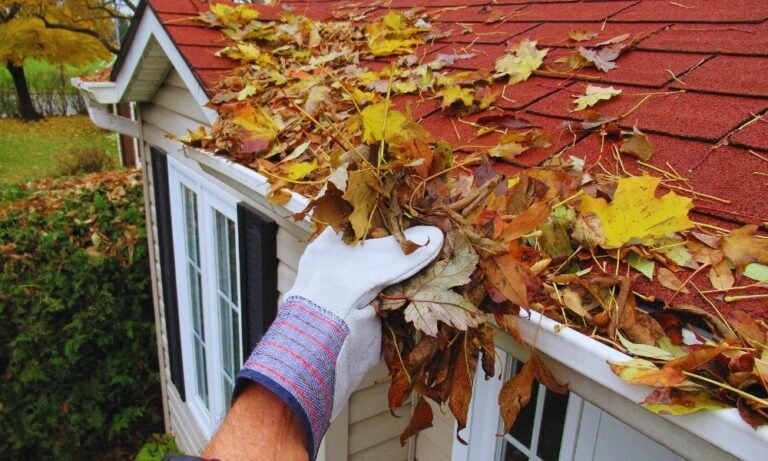
Water issues don’t just signal foundation problems—they cause them. Poor drainage, clogged gutters, or plumbing leaks can lead to soil expansion and shifting, which can wreak havoc on your foundation. (If your gutters are the issue, consider replacing them—here’s why.)
Gaps Around Doors, Windows, or Baseboards
Noticing small gaps where walls meet ceilings or floors? That’s a red flag. As your foundation shifts, it can pull parts of your house apart—literally.
This can lead to:
- Drafty rooms (bad for comfort and energy bills)
- Water intrusion during storms
- Insect infestations (because nature will find a way in)
If you see this happening along with other warning signs, it’s time to investigate further.
A Leaning or Cracked Chimney
Your chimney should stand tall and proud—not look like it’s trying to break free from your house.
A shifting foundation can cause:
- Cracks in the chimney brickwork
- Gaps between the chimney and the house
- Tilting or leaning (which can be really dangerous)
Since chimneys are heavily reliant on a stable foundation, movement here is a major sign of trouble. If yours is looking questionable, don’t wait to get it checked.
What Causes Foundation Problems?

Understanding the why behind foundation issues helps prevent future damage. The biggest culprits?
Soil Movement
- Expansive soil swells when wet and shrinks when dry, leading to uneven pressure.
- Erosion washes away soil under your foundation, causing it to sink.
Poor Drainage
- If water pools around your home, it seeps into the foundation, weakening it over time.
- Gutters and downspouts that don’t direct water away make things worse.
Tree Roots
- Large trees suck moisture from the soil, causing it to shift.
- Roots can push against foundations, leading to cracks and movement.
Poor Construction
- If the soil wasn’t properly compacted before building, the house can settle unevenly.
When to Call a Professional
If you notice multiple warning signs, don’t wait—foundation problems never fix themselves.
Inspections typically cost $300–$1,000—a small price to prevent $10,000+ repairs.
Early repairs (like underpinning or soil stabilization) can stop further damage.
Waiting too long? You risk structural failure, which can devalue your home.
Need a better idea of what repairs might cost? This breakdown explains what to expect.
Final Thoughts
Foundation problems are serious, but they’re not unfixable. The key is early detection—the sooner you spot the warning signs, the easier (and cheaper) the fix.
If you suspect foundation trouble, don’t wait. Get an inspection, make necessary repairs, and protect your investment. After all, a solid foundation is what keeps your home standing strong—and your doors from randomly refusing to close.