
Estimated reading time: 5 minutes
Living in a hurricane-prone area means taking storm preparation seriously. Among the many things to consider, your windows top the list. Should you protect them with storm shutters, or are impact-resistant windows the better investment? This is a common dilemma for homeowners, and I’m here to help you weigh the options.
By the end of this guide, you’ll know which solution fits your home, lifestyle, and budget.
Here’s What We’ll Cover:
- What are storm shutters and impact windows?
- The pros and cons of each option.
- Cost breakdowns and durability comparisons.
- How to decide which is the right choice for your home.
What Are Storm Shutters?
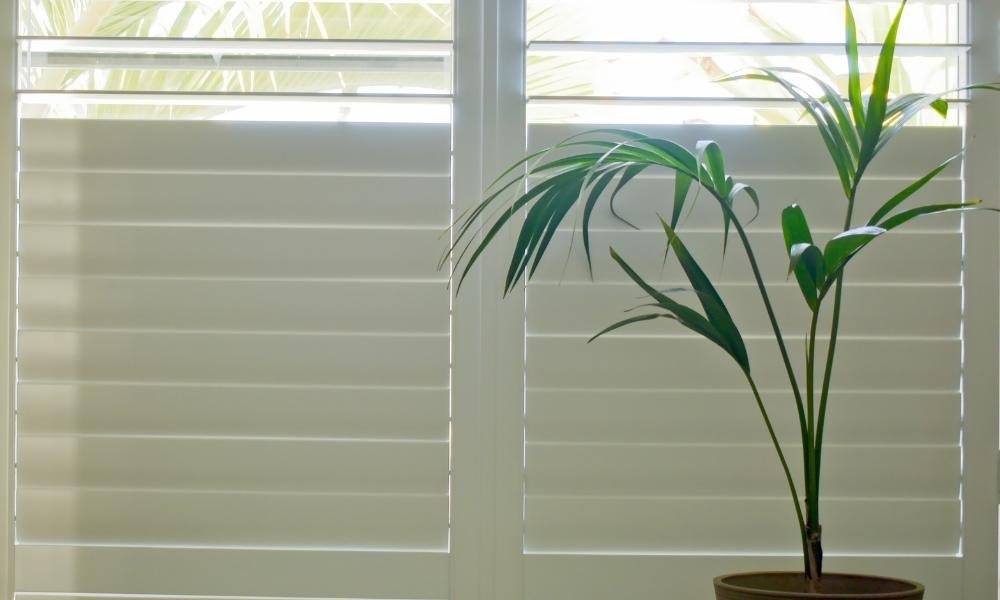
Storm shutters are designed to shield windows from flying debris and strong winds. They act as a protective barrier, reducing the chance of your glass shattering during a storm. Available in several styles, these coverings can be both functional and stylish, depending on the material and design.
Common Types of Storm Shutters:
- Accordion Shutters: Fold open and shut, making them easy to use.
- Roll-Down Shutters: Convenient and sleek, these roll into place with a crank or motor.
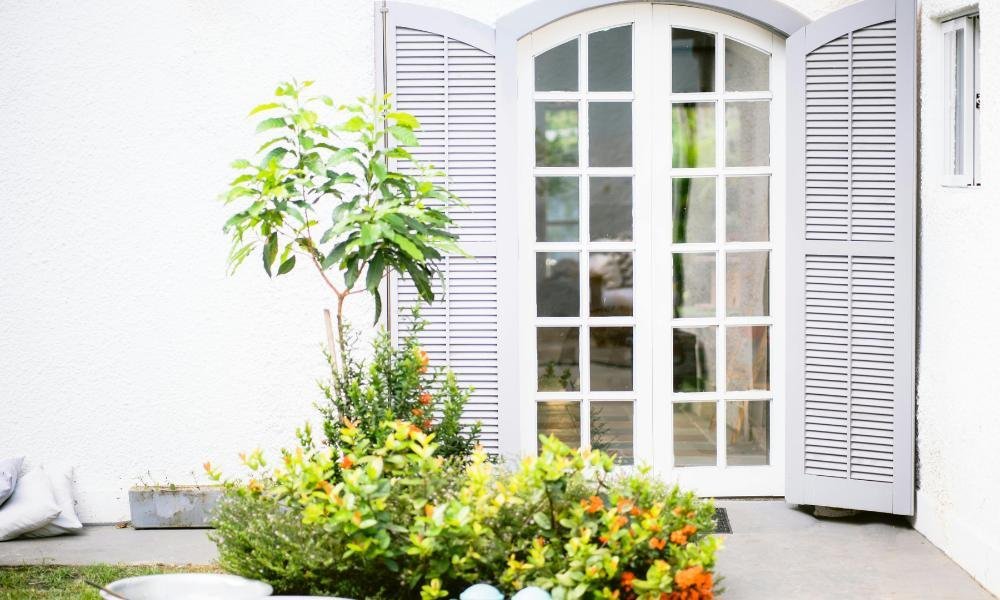
- Bahama Shutters: Hinged at the top, offering storm protection and shade.
- Storm Panels: Budget-friendly metal or polycarbonate sheets that bolt over windows.
While they’re effective at protecting your home, shutters require some preparation before a storm, and not every style blends seamlessly with your home’s exterior.
What Are Impact Windows?
Impact-resistant windows are a more permanent solution to storm protection. Constructed with shatter-resistant glass and heavy-duty frames, they’re designed to stay in place and withstand flying debris. Beyond storm protection, they offer added benefits like noise reduction and energy efficiency.
Unlike shutters, these windows are always ready to defend your home—no scrambling to install anything before bad weather hits.
Comparing Storm Shutters and Impact Windows
Advantages of Storm Shutters
- Affordable Option: Compared to replacing your windows, shutters are a budget-friendly solution.
- Variety of Styles: With options like wood or painted finishes, some shutters can enhance curb appeal.
- Ease of Replacement: If a panel is damaged, replacing it is often cheaper than fixing a cracked window.
Disadvantages of Storm Shutters
- Pre-Storm Prep: You’ll need to close or secure shutters ahead of time. If you’re out of town, this becomes a challenge.
- Limited Benefits Beyond Storms: Shutters don’t improve insulation or block out noise.
- Potential for Wear and Tear: Over time, exposure to storms can leave shutters looking worn or require frequent maintenance.
Advantages of Impact Windows
- Always Ready: Once installed, you never need to prepare them for a storm.
- Multiple Benefits: These windows block UV rays, reduce outside noise, and improve energy efficiency.
- Increase Home Value: Impact-resistant windows enhance your home’s resale appeal.
Disadvantages of Impact Windows
- Higher Initial Cost: Replacing standard windows with impact-resistant ones can be a significant investment.
- Potential for Cracks: While they won’t shatter, the glass can still crack and require repair or replacement.
Cost Breakdown: Which is Easier on the Wallet?
Let’s talk numbers because budgets matter.
- Storm Shutters: Prices range from $1,500 to $5,900 for installation, depending on the size of your home and the type of shutter you choose.
- Impact Windows: These cost anywhere from $4,250 to $19,850 to install. While the initial expense is higher, they offer long-term savings through improved energy efficiency and potential insurance discounts.
If you’re looking for an immediate solution without breaking the bank, shutters are the clear winner. However, for those planning to stay in their home long-term, impact windows might be worth the upfront investment.
Durability and Maintenance: How Do They Hold Up?
Storm protection is only as good as the condition of your defenses. Here’s how these two options compare over time:
- Storm Shutters: Regular inspections are essential to ensure they’ll function properly when needed. Some materials, like wood, require painting and repairs to stay functional and attractive.
- Impact Windows: Built to last, these windows require minimal upkeep beyond cleaning. Their aluminum or vinyl frames are rust-resistant, and the glass is tough enough to handle repeated exposure to storms.
When it comes to longevity, impact windows pull ahead. But shutters have their own appeal if you’re diligent about maintenance.
Why Not Use Both?
Here’s an idea: Combine the two. Installing impact windows and adding shutters gives you double the protection. The windows will take the brunt of a storm’s force, while shutters act as an extra layer of defense. This approach works particularly well if you live in an area prone to frequent or intense hurricanes.
FAQs: Answering Common Questions
Can I install these myself?
While some shutter types can be DIY-friendly, professional installation is the safest option. Improperly installed shutters can become dangerous projectiles, and poorly installed windows can lead to air leaks.
How long do these solutions last?
Impact windows are built to last decades, while shutters may need more frequent replacement depending on their material and how often they’re exposed to storms.
Do either qualify for insurance discounts?
Yes! Both options may lower your homeowner’s insurance premiums, though impact windows tend to offer more substantial savings.
Making Your Choice
Ultimately, the best solution depends on your priorities.
- Choose storm shutters if you’re looking for an affordable way to protect your home and don’t mind a little pre-storm prep.
- Opt for impact windows if you value convenience, long-term savings, and additional benefits like noise reduction and energy efficiency.
A Final Word
Protecting your home is serious business, but that doesn’t mean you can’t make the process straightforward. Whether you go with shutters, impact windows, or both, you’re investing in your peace of mind—and that’s always worth it.
Still undecided? Reach out to a local expert for advice. They’ll help you make a choice you’ll feel confident about when the next storm rolls in.