
Estimated reading time: 5 minutes
Your fence is more than a boundary—it’s an extension of your home. Whether you’re seeking privacy, security, or a touch of curb appeal, the right fence can transform your property. When I installed my first fence, I quickly learned that choosing the perfect one takes more than a passing glance at material options. It’s about understanding your priorities and balancing practicality with aesthetics.
Here’s everything I wish I had known before embarking on my fencing journey.
What You’ll Learn
- How to assess your fencing needs for privacy, security, and aesthetics.
- Key materials to consider based on durability and maintenance.
- Why design matters and how to match your fence to your home’s style.
- Important cost factors and legal considerations.
- Tips for deciding between DIY installation and hiring a professional.
1. Assessing Your Needs: Privacy, Security, and Aesthetics

The first step in choosing a fence is identifying what you want it to achieve. When I added a fence to my backyard, privacy was my top concern. But for others, security or style might take priority.
Privacy
If you want to create a private retreat, taller fences with solid panels are ideal. Materials like wood, vinyl, or composite offer both functionality and visual appeal.
- My Experience: Adding a tall wooden privacy fence turned my yard into a cozy escape. The difference it made to our outdoor time was incredible.
Security
For added safety, focus on sturdy materials and height. Metal fences, such as steel or wrought iron, are excellent for deterring intruders while maintaining visibility.
- Pro Tip: A secure, lockable gate can further enhance safety—especially important if you have kids or pets.
Aesthetics
If boosting curb appeal is your goal, choose a design that complements your home’s architecture. Picket fences add charm, while modern horizontal slats offer a contemporary edge.
2. Exploring Fence Materials: Durability, Maintenance, and Cost
Material choice can make or break your fence’s lifespan, maintenance needs, and budget. Each option has pros and cons.
Wood
- Pros: Timeless and versatile. You can paint or stain it to match your style.
- Cons: Requires regular maintenance like sealing and painting to prevent rot and warping.
- My Experience: I loved the warmth wood added to my yard, but keeping it in good shape took more work than I expected.
Vinyl
- Pros: Durable, weather-resistant, and virtually maintenance-free.
- Cons: Higher upfront cost compared to wood.
- Pro Tip: For a polished look with minimal effort, vinyl fences are unbeatable.
Metal (Steel, Aluminum, or Wrought Iron)
- Pros: Extremely durable and secure. Wrought iron offers an elegant touch.
- Cons: Prone to rust in humid areas unless treated.
- My Take: We used aluminum for a section of our yard, and its rust resistance in our damp climate was a lifesaver.
Composite
- Pros: Mimics the look of wood but is more durable and eco-friendly.
- Cons: Higher cost than most materials.
- Pro Tip: If you want the beauty of wood without the upkeep, composite is worth considering.
3. Why Design Matters: Matching Your Fence to Your Home
The style of your fence should harmonize with your property. Here are some popular designs and their benefits:
Picket Fences
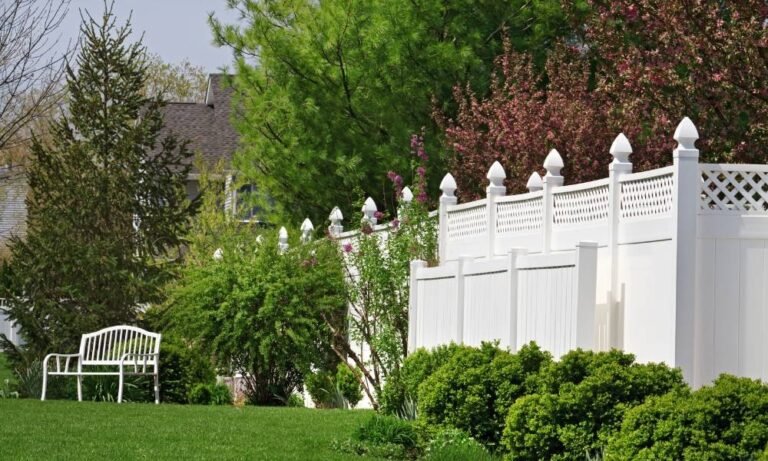
- Classic and charming, they’re perfect for traditional homes. Ideal for front yards.
Horizontal Fences
- Sleek and modern, these fences work well with contemporary architecture.
Post-and-Rail Fences
- A rustic choice for large properties, offering a simple boundary without blocking views.
Decorative Metal Fences
- Ornamental and secure, they add sophistication to formal or historic homes.
4. Balancing Budget and Value
A fence is an investment, so it’s essential to plan wisely. Here’s how to approach costs:
Material Costs
- Wood: Budget-friendly upfront but requires ongoing care.
- Vinyl: Higher initial cost but lower long-term maintenance expenses.
- Metal: Prices vary; aluminum is more affordable than wrought iron.
Installation Costs
- DIY: Saves labor costs but can be time-consuming.
- Professional: Adds to the budget but ensures precision.
Maintenance Costs
- Factor in upkeep, especially for materials like wood that need regular treatment.
Pro Tip: Use a fence cost calculator to estimate expenses based on material, size, and location.
5. Legal and Local Considerations
Before installing your fence, take these steps to avoid legal headaches:
- Zoning Laws: Check local regulations for height and placement restrictions.
- HOA Rules: Follow your homeowner association’s guidelines if applicable.
- Property Lines: Confirm boundaries with a survey to avoid disputes.
- Permits: Some fences require a permit, especially in urban areas.
6. Installation: DIY or Hire a Professional?

Deciding who will install your fence is just as important as choosing the material.
DIY Installation
- Advantages: Cost-effective and rewarding.
- Challenges: Time-intensive and physically demanding.
- My Experience: My DIY attempt taught me that precision matters. One wobbly post can ruin the entire look.
Professional Installation
- Advantages: Ensures a polished result and saves time.
- Pro Tip: Look for licensed contractors with good reviews. Ask for a portfolio of past work to assess their style.
7. Enhancing Your Fence with Additional Features
Once your fence is installed, consider these upgrades to increase its functionality:
- Gates: A custom gate with a lock adds convenience and security.
- Lighting: Solar or LED lights can enhance safety and ambiance.
- Landscaping: Planting flowers or climbing vines can soften the look of a solid fence.
- Decorative Caps: Add a stylish touch to fence posts.
Final Thought
Choosing the right fence is a balance between practicality, aesthetics, and budget. By identifying your priorities and exploring your options, you’ll create a fence that serves your needs and enhances your home.
When I installed my fences, I learned the importance of weighing the pros and cons of each material, considering long-term costs, and seeking professional advice when needed. The result? A backyard retreat I enjoy every day.
Ready to start planning? With the right information and a clear vision, you’re just a few steps away from the perfect fence for your property.