
Estimated reading time: 5 minutes
Trimming trees isn’t just about snipping branches to make things look tidy—it’s a task that demands focus, precision, and, most importantly, a commitment to safety. Trust me, I’ve been there, perched on a wobbly ladder, realizing just how unforgiving a dangling limb can be. Whether you’re sprucing up your backyard or tackling a tricky tree removal, safety should always be your top priority.
Here’s what you’ll learn:
- Why tree trimming is riskier than it seems.
- The safety gear you absolutely need.
- Practical tips for keeping yourself and others safe during the job.
- When it’s best to call in the pros.
Let’s dive in and ensure your next tree-trimming adventure is smooth, safe, and maybe even enjoyable!
Why Safety in Tree Trimming Matters
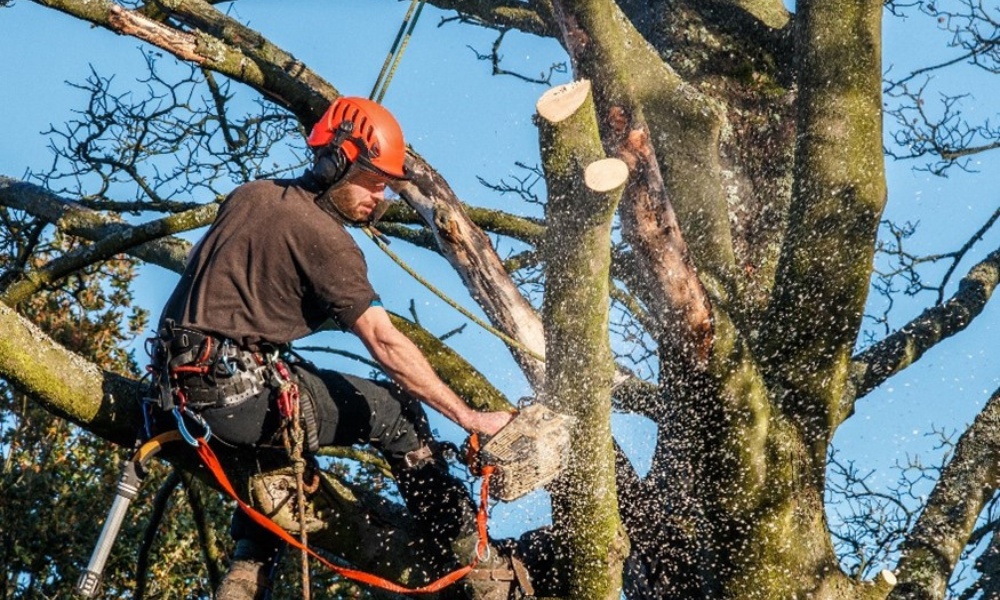
Every year, thousands of people end up in emergency rooms from accidents related to tree work. I’m not here to scare you, but trimming trees involves working with sharp tools, climbing heights, and sometimes dodging electrical wires. It’s not just risky—it’s life-threatening if done carelessly.
The key dangers include:
- Falls: Ladders, branches, and unstable ground make a dangerous combo.
- Electrocution: Working near power lines can turn deadly fast.
- Flying Debris: A rogue branch or chunk of bark can cause serious injury.
Understanding these risks helps you prepare better, making safety a natural part of your process.
Gear Up: Essential Safety Equipment
I’m all about getting the job done right, but you can’t do that without the right gear. Think of safety equipment as your best ally—protecting you when things don’t go as planned.
Here’s what I always keep on hand:
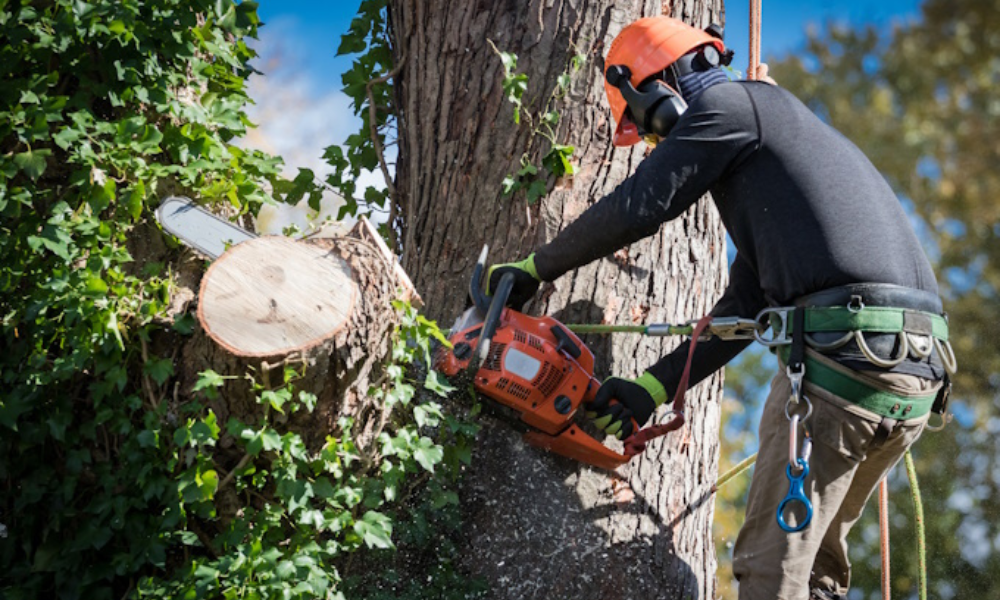
- Hard Hat: Protects against falling branches.
- Non-Slip Boots: Keeps you stable on uneven or wet surfaces.
- Leather Gloves: Prevent cuts and improve your grip.
- Eye and Ear Protection: Shields you from debris and loud equipment noise.
- Climbing Gear: Includes ropes, harnesses, and carabiners for tree climbing.
- Chainsaw Chaps: A lifesaver if you’re using power tools.
Invest in high-quality equipment—it’s cheaper than a trip to the ER.
Plan Before You Prune
Before you grab that chainsaw, pause. Tree trimming isn’t a “grab and go” activity. A little planning can make all the difference.
Pick the Right Day
Weather matters. Windy, icy, or stormy conditions can turn a simple trim into a dangerous circus act. Aim for clear, calm days, and if you’re working on deciduous trees, late fall or early winter is best.
Inspect the Tree
Look for hazards like:
- Dead or weak branches.
- Nearby power lines.
- Signs of disease or rot. These factors influence how you’ll approach the job—or whether you should handle it at all.
Set Up a Safe Work Zone
Mark the area with cones or ropes to keep bystanders out. If your tree hangs over a sidewalk or road, wear high-visibility clothing and post warning signs.
Tree Trimming Safety Tips
With preparation done, it’s time for the actual work. Here are some must-follow tips I swear by:
Use the Right Tools
Don’t improvise! A dull saw or an unstable ladder can lead to mistakes. Use pruning saws for small branches and chainsaws for thicker limbs.
Avoid Overreaching
If you find yourself stretching too far from your ladder, stop. Reposition the ladder or use an aerial lift instead. Overreaching is one of the easiest ways to lose balance.
Watch for Falling Branches
Trim branches in small sections. Large pieces can swing unpredictably and damage property—or worse, injure someone.
Stay Grounded
If climbing isn’t your thing, stick to what you can safely reach from the ground. Long-handled pole pruners are fantastic for this.
Know When to Call the Pros

Some jobs are just too big—or too dangerous—for DIY efforts. Here’s when I call in the experts:
- Trees near power lines.
- Large trees with weak or dead limbs.
- Trees leaning precariously toward a house or structure.
Hiring professionals may feel like giving up, but trust me, it’s better than gambling with your safety.
Humor and Humanity: Lighten the Mood
Let’s face it: climbing a tree with a chainsaw doesn’t scream “fun afternoon.” But injecting a little humor can help keep nerves steady. For instance, I always joke with my friends, “If I fall, at least I’ll finally get that break from yard work I’ve been craving!” It’s a reminder to take the work seriously, but not to let fear get the best of you.
Common Mistakes to Avoid
Even seasoned trimmers slip up. Learn from my (and others’) mistakes:
- Skipping the Inspection: Ignoring weak branches or hazards is a recipe for disaster.
- Rushing the Job: Slow and steady keeps you safe.
- Ignoring Tool Maintenance: Dull blades and frayed ropes are accidents waiting to happen.
The Aftermath: Post-Work Safety
Safety doesn’t end once the last branch hits the ground. Assess potential hazards like:
- Loose branches left hanging.
- Wood debris that could trip someone.
- Power tools left unattended.
Clear the area thoroughly to prevent any lingering risks.
Closing Thoughts
Tree trimming can be risky, but with the right approach, it’s entirely manageable. My mantra is simple: Plan, gear up, and know your limits. Remember, no tree is worth compromising your safety—or sanity.
So, next time you’re eyeing that unruly oak in your yard, think twice before tackling it without preparation. And if it seems overwhelming, there’s no shame in calling a professional. Your health and safety come first. Always.
Have questions or your own tips to share? I’d love to hear them—drop a comment or reach out! Let’s keep trimming safe and stress-free for everyone.