
Estimated reading time: 6 minutes
Introduction
When I look at outdoor spaces, I don’t just see a collection of plants and structures; I see an opportunity to create something truly vibrant and functional. Trees are more than just part of the scenery—they’re the backbone of a thriving, inviting yard. A well-maintained tree can transform your outdoor space, adding character, functionality, and environmental benefits.
In this guide, we’ll explore why the condition of your trees is such a critical part of outdoor design and how you can make the most of these natural wonders.
1. Trees: Nature’s Privacy Experts
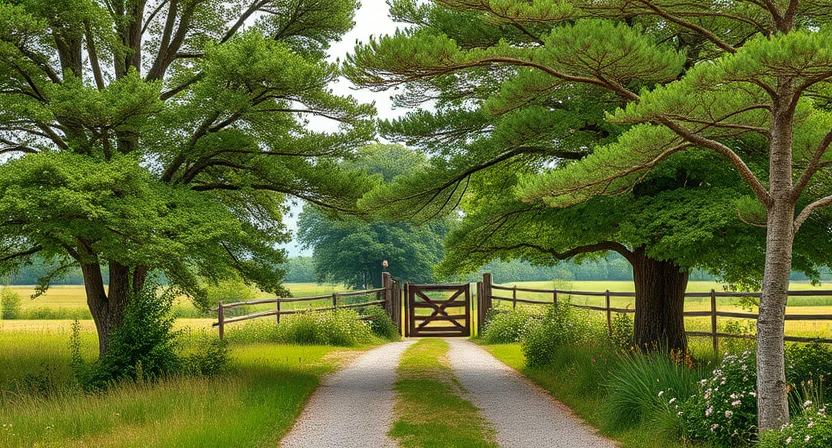
Let’s face it—there are times when you’d rather not share your backyard adventures with the whole neighborhood. This is where trees shine as the ultimate privacy enhancers. With their lush canopies and dense foliage, they act as natural barriers, creating a sense of seclusion.
For instance:
- Tall evergreens like cedar or arborvitae provide year-round coverage.
- Flowering varieties, such as magnolias, offer both privacy and aesthetic value.
- Layering shrubs, medium-height trees, and tall species creates a tiered effect that’s as beautiful as it is functional.
The beauty of using trees for privacy is that they’re alive. They don’t just block views—they enhance the ambiance of your outdoor space, giving it that serene, tucked-away vibe.
2. Trees as Natural Noise Reducers
If you’ve ever been startled out of a backyard nap by a honking car or a neighbor’s dog, you’ll appreciate this: trees are excellent at softening noise. Their branches, leaves, and trunks absorb and deflect sound waves, turning your yard into a more peaceful retreat.
Some options to maximize this benefit include:
- Planting evergreen varieties with dense foliage for year-round sound buffering.
- Mixing tall trees with shrubs to create a layered barrier that disperses sound more effectively.
- Choosing species that attract wildlife, like songbirds, whose melodies can mask urban noise.
It’s like installing nature’s soundproof walls—except these come with flowers and fresh air.
3. Comfortable Microclimates: Trees Keep It Cool (or Warm)
One of the most overlooked benefits of healthy trees is how they regulate the temperature in your outdoor space. They act as natural climate controllers, making your yard more comfortable in any season.
Here’s how:
- In summer, their shade can lower temperatures by up to 10°F, creating a cool oasis for outdoor gatherings.
- In winter, deciduous trees allow sunlight to filter through bare branches, warming the space naturally.
- Windbreaks: A row of trees can reduce cold gusts in the winter, making outdoor areas more enjoyable.
Strategically placing trees near patios or windows can even reduce energy bills. Shade trees lower cooling costs, while windbreaks decrease heating expenses. It’s a win-win for you and the planet.
4. Boosting Environmental Health
Healthy trees aren’t just good for your yard—they’re good for the environment. These silent workers improve air quality, capture carbon dioxide, and provide habitats for local wildlife.
Here’s what they contribute:
- Trees filter dust and pollutants, making your space healthier to breathe in.
- They combat erosion with their root systems, stabilizing soil and preventing runoff.
- Native species support ecosystems by providing food and shelter for birds, pollinators, and other wildlife.
Planting even a single tree can make a significant impact, not just on your property but in your broader community.
5. The Aesthetic Power of Trees
A beautiful yard isn’t just about privacy and functionality—it’s about creating a space you enjoy spending time in. Trees add visual interest with their height, texture, and seasonal changes.
Here are some tips to maximize their aesthetic appeal:
- Opt for trees with colorful blooms, such as cherry blossoms, to brighten springtime.
- Select species with striking bark, like birches, for winter interest.
- Mix tall and small trees to create layers, giving your yard depth and dimension.
Even bare-branched trees in winter can add a sculptural element to your landscape. The key is variety—choosing species that complement each other and provide year-round beauty.
6. Picking the Right Trees for Your Space
Selecting the perfect tree for your outdoor area isn’t just about aesthetics. You also need to think about its size, growth rate, and maintenance needs.
Consider these factors:
Space: Smaller yards benefit from compact species like dwarf maples, while larger areas can accommodate oaks or pines.
Purpose: If shade is your goal, broad-canopied trees like sycamores are ideal. For privacy, go with dense evergreens.
Native vs. Exotic: Native trees often require less maintenance and are better suited to the local climate and soil.
Don’t rush into planting without a plan. Research your options and consult with a local expert if you’re unsure what will thrive in your yard.
7. Tree Maintenance: Caring for the Stars of Your Yard
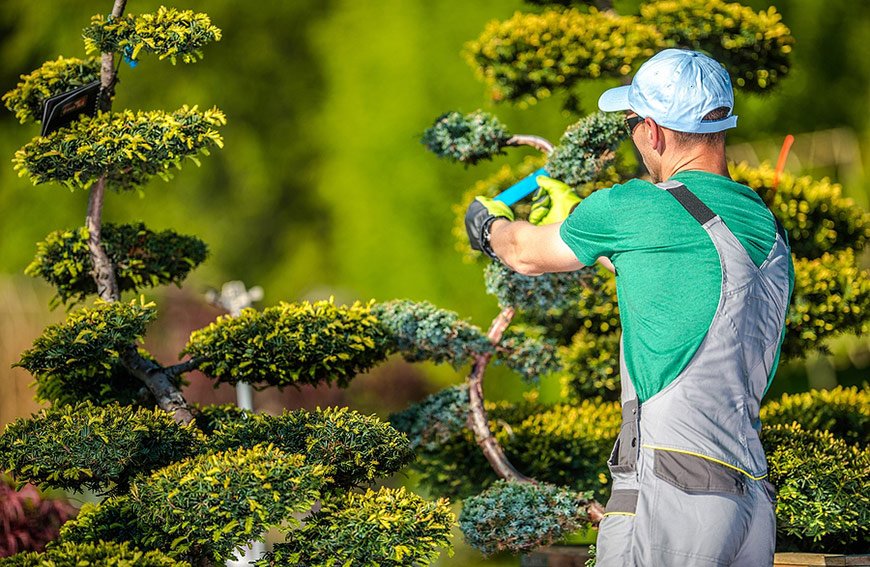
Keeping trees healthy doesn’t have to be overwhelming. A little consistent care can go a long way toward ensuring they thrive for decades.
Here’s what I recommend:
- Watering: Especially during dry spells, make sure your trees get enough water—young trees in particular need regular hydration.
- Mulching: Add mulch around the base to retain soil moisture and suppress weeds.
- Pruning: Remove dead or diseased branches to encourage healthy growth and prevent accidents.
- Inspections: Check for signs of pests or disease and address them promptly.
Think of it like a health check-up—routine care keeps small problems from turning into big ones. Plus, it’s much easier (and cheaper) to nurture a tree than to replace one.
8. Why Tree Health Is a Long-Term Investment
When you prioritize your trees’ well-being, you’re setting up your outdoor space for long-term success. Healthy trees grow stronger and more beautiful with time, becoming more than just part of your landscape—they become part of your family’s story.
A well-maintained tree can:
- Provide shade for future generations.
- Increase property value (buyers love mature, healthy trees!).
- Create a lasting legacy of beauty and environmental stewardship.
Every moment you spend investing in your trees today will pay off tomorrow.
Conclusion
For me, trees are the heart of any outdoor space. They offer privacy, reduce noise, improve comfort, and contribute to the environment—all while looking amazing. Whether you’re planting a new tree or caring for one that’s been in your yard for years, keeping it healthy is one of the best investments you can make.
So, grab a shovel, some mulch, or maybe just a watering can. Your trees are counting on you—and your outdoor space will thank you.