Estimated reading time: 5 minutes
A home’s foundation is what keeps everything in place. When it starts showing signs of trouble, small issues can turn into expensive structural problems if ignored. I’ve seen homeowners dismiss cracks and sloping floors as minor nuisances, only to face costly repairs later.
If you’re wondering whether your home’s base is in trouble, this guide will help you recognize the five key warning signs. Catching them early can save thousands in repairs and protect your property’s value.
What You’ll Learn
- How to identify cracks that signal a deeper problem
- Why uneven floors could mean foundation movement
- How to tell if sticking doors and windows are a red flag
- What gaps in walls and ceilings indicate about structural stability
- Why water damage near the foundation could lead to serious trouble
If any of these issues sound familiar, it’s time to take action before it gets worse.
1. Cracks in Walls, Floors, or the Foundation
Cracks are often the first sign of foundation issues. Some are harmless, but others scream trouble. The trick is knowing the difference.
How to Identify Serious Cracks
- Small hairline cracks (less than 1/16 inch) are normal as a home settles.
- Horizontal cracks in foundation walls? Bad news. These often mean excessive pressure is causing the structure to shift.
- Stair-step cracks in brick or masonry usually indicate movement and need immediate attention.
- Cracks wider than ½ inch or growing over time signal major foundation movement.
Why Cracks Matter
If cracks appear throughout the house—walls, ceilings, and flooring—it’s likely the foundation is shifting unevenly. Addressing them early can prevent costly structural repairs.
Want to spot foundation issues before they spiral out of control? Check out How to Spot Foundation Issues Before They Worsen.
2. Uneven or Sloping Floors
Walking through your home shouldn’t feel like you’re on a slight hill. If your floors feel uneven, something is off.
Signs of an Unlevel Floor
- A marble rolls consistently in one direction.
- You feel a noticeable dip when walking across a room.
- There’s a gap between floors and baseboards in certain areas.
Why This Happens
- Soil shifts under the home, making parts of the foundation sink.
- Water damage weakens the subfloor, leading to instability.
- Poor construction practices cause early settling.
Uneven floors often get worse over time, affecting doors, windows, and even plumbing connections. If you notice this issue, don’t ignore it.
3. Sticking Doors and Windows

Ever struggled to open a door that used to close just fine? It’s not always humidity—foundation shifts can cause frames to warp.
What to Watch For
- Doors that stick or drag against the floor
- Windows that won’t open or close smoothly
- Gaps forming between doors and their frames
Why It Happens
- When the foundation settles unevenly, doors and windows become misaligned.
- Pressure on the structure causes warping.
- Expanding and contracting soil pushes the home out of balance.
If this is happening in multiple areas of your home, your foundation is likely the culprit.
4. Gaps Between Walls, Ceilings, or Baseboards
Noticing small gaps where walls meet ceilings or floors? That’s a warning sign your home’s structure is shifting.
What Gaps Mean
- Walls separating from floors = foundation movement.
- Ceilings pulling away from crown molding = structural stress.
- Baseboards detaching from walls = foundation sinking in sections.
What to Do
Monitor these gaps over time. If they’re getting wider, it’s time to consult a professional before things get worse.
5. Water Damage or Moisture Near the Foundation

Water is a home’s worst enemy, especially near the foundation. If you see damp spots, mold, or standing water around your home’s base, trouble may be brewing.
Warning Signs of Water Issues
- Pooling water around the home after rain
- Damp basement or crawl space
- Moldy smells or visible mildew near the foundation
How Water Affects the Foundation
- Poor drainage washes away soil, making the foundation unstable.
- Excess moisture causes concrete to weaken, leading to cracks.
- Underground leaks create pressure that can shift or lift the foundation.
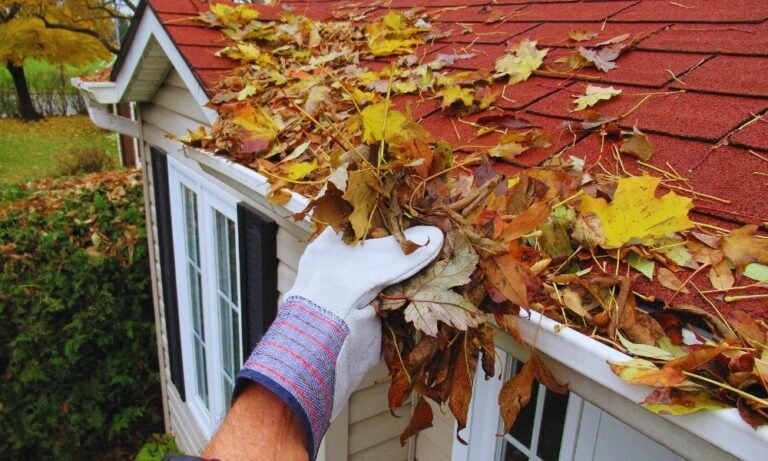
Regular gutter maintenance and proper drainage can help. Learn more about why gutter maintenance saves you money.
When to Call a Foundation Repair Specialist
Some homeowners wait until the damage is severe before taking action. By then, repairs can be costly. If you notice multiple warning signs, it’s time for a professional assessment.
What to Expect in an Inspection
- A structural evaluation to measure foundation movement.
- A crack assessment to determine whether they’re cosmetic or serious.
- Recommendations for repair options and costs.
Curious about what repairs might cost? Check out The Cost of Foundation Repairs: What to Expect.
Final Thoughts
Foundation problems don’t fix themselves. The longer you wait, the more expensive repairs can become.
- Cracks, uneven floors, and sticking doors often point to deeper issues.
- Gaps between walls and ceilings suggest shifting that needs attention.
- Water near the foundation can lead to structural damage.
If you suspect an issue, act now rather than later. Your home’s stability depends on it. Whether you need a small fix or a major repair, knowing the warning signs helps you make the right decision before it’s too late.