
Estimated reading time: 5 minutes
When planning a home remodel, picking the right contractor can make or break the experience. I’ve seen homeowners excited about their renovation dreams, only to end up with delays, unexpected costs, and work that falls short of expectations. The truth is, hiring the right professional isn’t just about finding someone with a license—it’s about trust, communication, and expertise.
So, how do you separate the pros from the duds? Below are eight key tips to help you make an informed decision and avoid costly mistakes.
What You’ll Learn in This Guide:
How to define your project needs before reaching out to contractors
Where to find reliable recommendations and reviews
The importance of checking licenses, insurance, and contracts
Red flags to watch for when comparing estimates
Why communication and experience matter more than price
1. Be Clear About Your Remodeling Goals
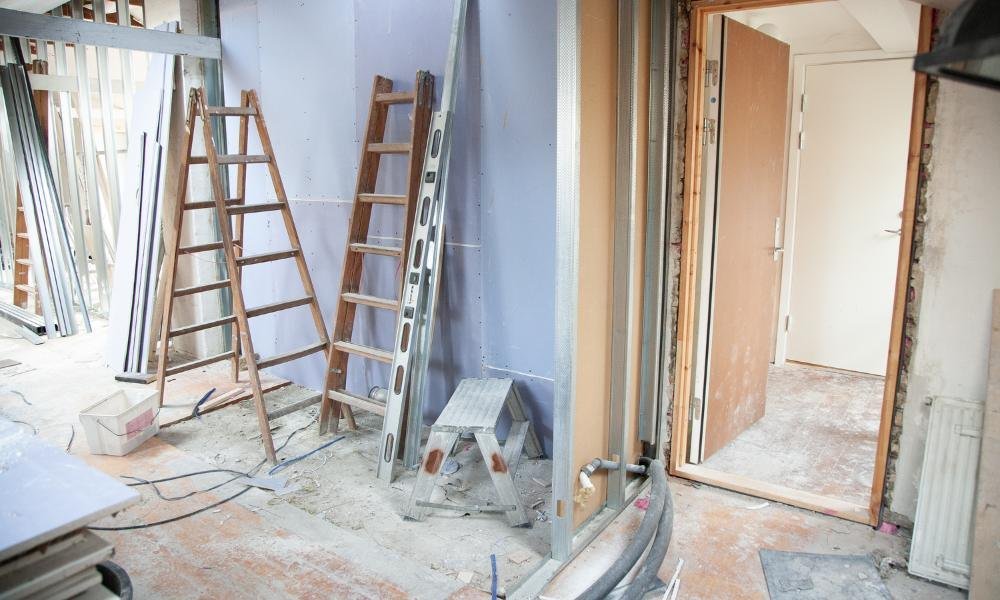
Before you even start searching for a contractor, I recommend sitting down and outlining exactly what you want. Are you upgrading your kitchen, adding a bathroom, or remodeling the entire home? Having a clear plan will help you:
- Get accurate quotes instead of vague ballpark figures
- Explain your vision more effectively to potential contractors
- Avoid unnecessary changes that could inflate costs
If budgeting is a concern (and let’s be honest, it always is), you might want to check out this smart renovation budgeting guide.
2. Get Recommendations from Trusted Sources
The best way to find a reliable contractor? Ask people you trust. Talk to family, friends, or neighbors who’ve recently completed renovations. They can provide honest feedback about their experiences—both good and bad.
No personal referrals? No problem. Online reviews on platforms like Google, Houzz, and the Better Business Bureau (BBB) can also give insight into a contractor’s reputation. Just be sure to read reviews with a critical eye—some are too glowing to be real, while others might be from picky clients.
3. Check Licensing, Insurance & Certifications
Hiring an unlicensed or uninsured contractor is a disaster waiting to happen. A proper license shows they meet local regulations, while insurance protects you from liability if something goes wrong. Here’s what to verify:
General liability insurance (protects your home from accidental damage)
Workers’ compensation (so you’re not responsible for injuries on the job)
Proper licenses (check with your local building authority)
Skipping this step could mean getting stuck with unfinished work, unexpected costs, or worse—legal headaches.
4. Review Past Work and Ask for References
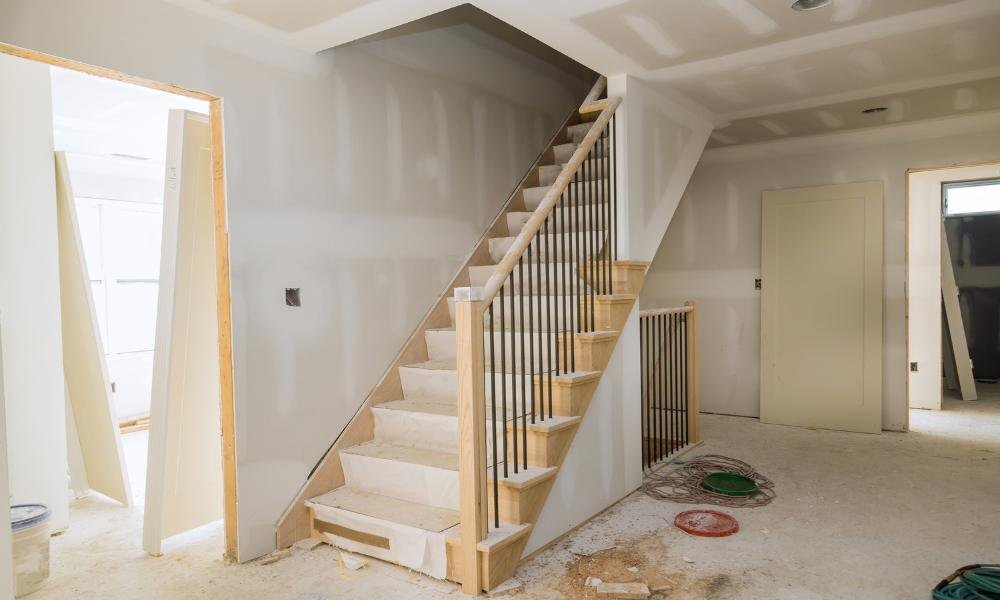
A contractor’s portfolio tells you a lot. Look at before-and-after photos of past projects similar to yours. If their style and quality match what you envision, that’s a great sign.
Even better? Call past clients and ask questions:
- Was the project finished on time and within budget?
- How did they handle unexpected issues?
- Would you hire them again?
If a contractor hesitates to provide references, that’s a red flag. You might also want to check out these common remodeling mistakes to avoid problems down the road.
5. Get Multiple Quotes and Beware of Low Bids
You wouldn’t buy the first car you test drive, right? The same rule applies here—get at least three estimates before making a decision. A few things to keep in mind:
Extremely low bids? Probably cutting corners or using cheap materials.
Very high bids? They might be overcharging or inflating costs.
Detailed estimates? A contractor who breaks down costs shows professionalism and transparency.
A reasonable price combined with experience and good reviews should be your deciding factor.
6. Read the Contract—Every Single Word
I get it—contracts are long and boring. But signing one without reading it carefully is a rookie mistake. Here’s what to look for:
- Payment schedule: Never pay 100% upfront! A structured payment plan protects you.
- Timeline & deadlines: Avoid endless delays by making sure start and completion dates are clear.
- Scope of work: Every detail (materials, labor, warranty) should be spelled out.
Unclear contract? Push for revisions. A good contractor won’t mind clarifying things.
7. Communication Matters More Than You Think
Even the best contractors aren’t mind-readers. Clear and open communication can mean the difference between a smooth remodel and a stressful one.
Do they respond promptly to emails and calls?
Are they willing to answer your questions?
Do they explain things in a way you understand?
A contractor who listens and keeps you updated is worth their weight in gold.
8. Trust Your Gut (It’s Usually Right!)
Sometimes, everything looks perfect on paper, but something just feels off. Maybe they avoid direct answers, pressure you to sign quickly, or seem disorganized. These are warning signs.
On the flip side, if they’re professional, transparent, and make you feel confident, that’s a great indicator you’ve found the right fit. When in doubt, go with your instincts!
Final Thoughts
Choosing the right home remodeling contractor isn’t just about skill—it’s about reliability, trust, and communication. By following these eight tips, you’ll avoid common pitfalls and set yourself up for a successful renovation.
If you’re still unsure or need a deeper hiring checklist, you might find this guide helpful.
A home remodel should be exciting—not stressful. Choose wisely, and soon enough, you’ll be enjoying your beautifully upgraded space!


