
Estimated reading time: 6 minutes
Introduction
Taking on a home remodeling project is both exciting and overwhelming. I’ve seen homeowners jump in with enthusiasm, only to run into unexpected challenges. Budget overruns, contractor issues, and design regrets are just a few of the common problems that can turn a dream renovation into a stressful experience.
So, before you pick up that sledgehammer, let’s talk about the most frequent mistakes people make—and how to steer clear of them. A little planning and smart decision-making can save you time, money, and frustration.
What You’ll Learn in This Guide:
The key steps to proper planning and budgeting.
How to hire a reliable professional instead of just the cheapest option.
Why permits matter (and skipping them can cost you).
The importance of balancing style with practicality.
When to DIY and when to call in the pros.
1. Rushing Into a Remodel Without a Solid Plan
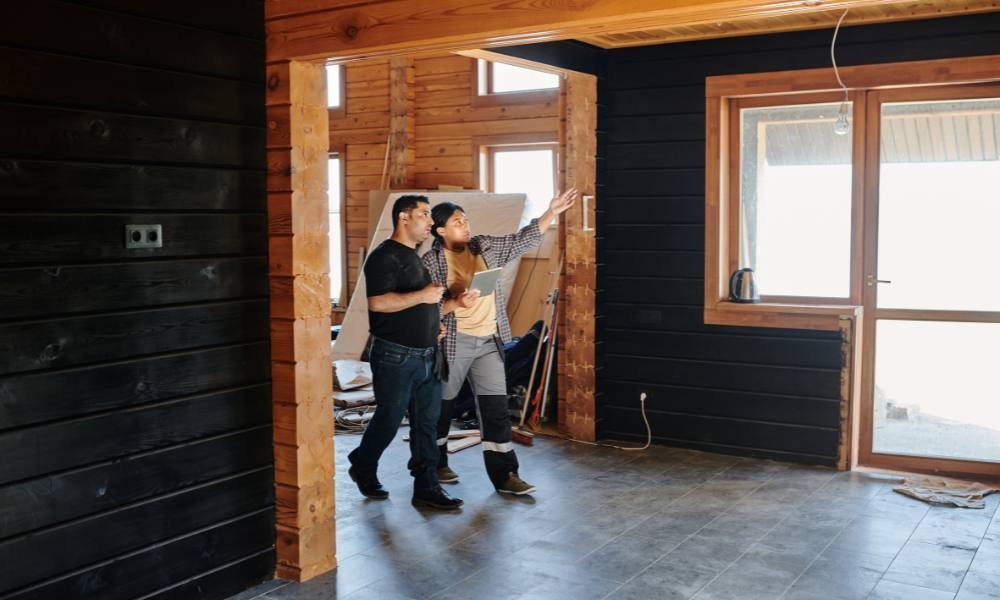
I completely understand the excitement of starting a home makeover. But jumping in too fast, without proper planning, is a recipe for disaster.
What Can Happen?
- Unexpected costs and delays.
- Realizing mid-way that the design doesn’t work for your lifestyle.
- Running out of funds before the project is completed.
How to Stay on Track:
Define your goals—whether it’s more space, modern upgrades, or energy efficiency.
Create a realistic budget that includes a 20% buffer for surprises.
Research costs and materials before committing to any purchase.
Work with an expert if you’re unsure about layout or structural changes.
A solid plan from the start prevents costly headaches later. Need guidance on setting a realistic budget? Check out this smart budgeting guide.
2. Hiring the Wrong Contractor
The contractor you choose makes or breaks your project. A great one will execute your vision seamlessly. A bad one? Well, let’s just say you might end up with unfinished work, budget overruns, and a whole lot of stress.
Red Flags to Watch For:
Quotes that seem too good to be true (they probably are).
No license, insurance, or verifiable references.
Poor communication or vague contract terms.
Negative online reviews or a history of unfinished projects.
How to Find the Right Professional:
Get at least three quotes from different contractors.
Verify credentials, licenses, and insurance.
Ask for client references and visit past projects if possible.
Ensure you have a detailed contract outlining costs, timelines, and materials.
If you need more insight into hiring the right expert, here’s a step-by-step guide.
3. Skipping Permits and Inspections
I know—it’s tempting to cut through red tape to get started faster. But skipping necessary permits can lead to serious problems down the road.
What Can Go Wrong?
- Fines or stop-work orders from local authorities.
- Insurance claims denied due to unpermitted work.
- Major resale problems if the work isn’t up to code.
How to Avoid This Mistake:
Check with your local building department before starting any project.
Confirm that your contractor is handling the permit process.
Schedule inspections to ensure everything meets regulations.
This step may feel like a hassle, but it saves you from major legal and financial issues later.
4. Focusing Too Much on Aesthetics, Not Functionality
I get it—everyone wants a gorgeous home. But a beautiful space that doesn’t function well? That’s just a waste of money.
Common Design Regrets:
- A sleek kitchen with no storage space.
- A stunning bathroom without proper ventilation.
- A trendy open layout that lacks privacy or usable furniture placement.
How to Create a Space That Works for You:
Prioritize functionality before focusing on finishes.
Consider your daily routines when planning layouts.
Make sure lighting, storage, and seating fit your lifestyle.
For practical kitchen ideas that blend style with efficiency, check out these modern kitchen remodeling tips.
5. Forgetting About Storage Needs
I’ve seen homeowners invest in beautiful renovations, only to realize later that they have nowhere to store their essentials. Clutter ruins even the most stylish spaces.
What Goes Wrong Without Proper Storage?
- Kitchen counters constantly covered in small appliances.
- Living rooms that feel cramped because of misplaced items.
- Closets that are overflowing with no organization.
Storage Solutions That Work:
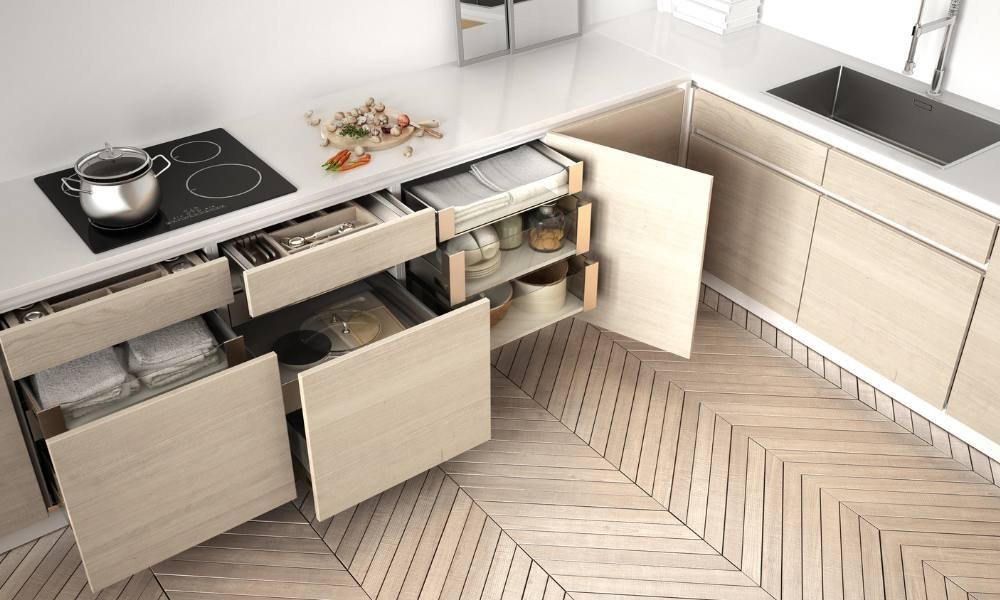
Built-in shelves and cabinets maximize space without clutter.
Multi-functional furniture (like storage ottomans) adds hidden storage.
Vertical storage, such as floor-to-ceiling shelving, keeps things tidy.
Want more ideas on maximizing small spaces? Check out these smart remodeling tips.
6. Chasing Trends That Won’t Age Well
Some design trends are timeless. Others? Not so much. Remember those bright orange countertops from the ’70s? Exactly.
What Can Happen?
- Your home looks outdated within a few years.
- Resale value takes a hit because buyers don’t like your choices.
- Expensive renovations become necessary sooner than expected.
How to Keep Your Home Stylish Yet Timeless:
Use neutral, classic designs for flooring, cabinetry, and countertops.
Incorporate trends in smaller, easily changeable elements (like paint and decor).
Think about resale appeal—what will buyers still love in 5-10 years?
Want to see which bathroom trends actually add value? Here’s a great resource: Bathroom Makeovers That Increase Home Value.
7. DIYing Beyond Your Skill Level
Some DIY projects can save you money. But when it comes to electrical work, plumbing, or structural changes, trying to do it yourself can be a costly mistake.
DIY Projects That Often Go Wrong:
- Attempting to rewire electrical outlets (fire hazard!).
- Knocking down walls without knowing if they’re load-bearing.
- Poorly installed tile work that needs to be redone.
When to Call a Pro Instead:
Major structural changes (walls, foundations, additions).
Plumbing and electrical upgrades.
HVAC and roofing work.
Not sure when to DIY or hire a professional? This guide can help.
Final Thoughts
A successful home remodel is all about planning, making informed decisions, and hiring the right professionals.
Quick Recap:
Plan thoroughly before starting.
Hire experienced professionals—not just the cheapest option.
Get the proper permits to avoid legal issues.
Prioritize functionality along with aesthetics.
Include storage solutions in your design.
Avoid short-lived design trends.
Know your DIY limits—call a pro when necessary.
Thinking about remodeling? Start by finding a reputable team: How to Find Trustworthy Home Remodeling Services Near You.
Your home is a long-term investment—make sure you’re making choices that add value, comfort, and efficiency for years to come!


