Estimated reading time: 6 minutes
Electricity bills seem to have a mind of their own these days—always climbing, never taking a break. I hear it all the time: “My heating and cooling costs are out of control!” The good news is, improving the way your house retains temperature might just be the missing piece to solving that problem.
A well-insulated space does more than just regulate indoor temperatures. It helps lower energy costs, reduces waste, and keeps heating and cooling systems from working overtime. Let’s break down how adding the right materials in the right places can make a significant difference in both comfort and efficiency.
What You’ll Learn in This Guide
- How insulation helps regulate indoor temperatures year-round
- The direct impact insulation has on energy bills
- The best places to add insulation for efficiency
- Signs your home may need an insulation upgrade
- How insulation works alongside heating and cooling systems
- The most effective insulation materials for energy savings
How Insulation Enhances Comfort Indoors
Ever walked from one room to another and felt like you entered a different season? One moment, you’re comfortable, and the next, you’re reaching for a blanket. That’s a classic sign of poor insulation.
Quality materials create a thermal barrier, keeping warm air inside during cold months and blocking excess heat in summer. This means:
- No more cold drafts in winter
- No more overheating during summer
- A stable and comfortable temperature in every room
Beyond temperature control, insulation also helps with noise reduction. If outside sounds frequently disrupt your peace, adding better materials in walls and ceilings can provide much-needed quiet.
The Link Between Insulation and Energy Costs
I’m always in favor of home upgrades that pay for themselves, and improving insulation is one of the best examples. Here’s why:
Less Energy Waste, Lower Bills

Without proper coverage, heat escapes easily during winter, and cool air leaks out in summer. This forces heating and cooling systems to work harder to maintain the desired temperature, which drives up energy expenses. By reducing unwanted air movement, insulation makes it easier to keep indoor conditions stable, reducing overall costs.
Extends the Life of Heating and Cooling Systems
A furnace or air conditioner is like a car—the more you use it, the sooner it wears out. With proper insulation, these systems don’t have to work as hard or run as often. This extends their lifespan and reduces the frequency of expensive repairs.
Works Hand-in-Hand with Other Energy-Saving Upgrades
If you’ve considered solar panels or high-efficiency HVAC systems, insulation helps maximize their benefits. When combined with other energy-saving solutions, it ensures that the heat or cooling produced stays inside for longer.
For more cost-saving strategies, check out these energy efficiency tips for homeowners.
Where to Add Insulation for the Best Results
Not all areas of a house lose heat at the same rate. Some locations benefit more from added coverage than others.
Attic
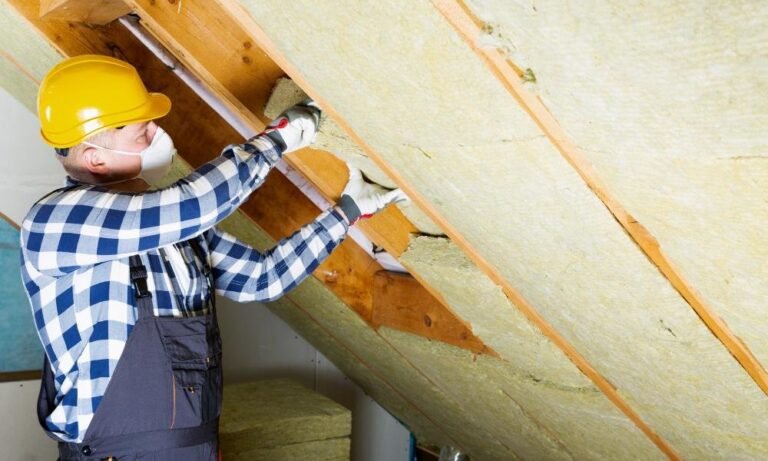
Heat naturally rises, making the attic a major source of heat loss. A poorly insulated attic can drive up energy expenses quickly. Adding fiberglass or spray foam in this space helps prevent air from escaping.
For a deeper comparison between attic and wall insulation, check out this guide on choosing the right insulation.
Walls
Exterior walls help maintain indoor temperatures, especially in homes located in extreme climates. If some areas feel colder or hotter than others, wall insulation might be the missing factor.
Floors and Basements
Cold floors are a common sign of heat loss. Insulating floors and basement walls helps prevent heat from escaping into the ground, making living spaces more comfortable.
Windows and Doors
Small gaps around windows and doors can let in drafts and cause heat loss. While insulation doesn’t apply directly to these areas, adding weather stripping or insulated curtains can help reduce unwanted airflow.
If you’re unsure whether your home needs an upgrade, look for these signs that indicate poor insulation.
Signs That Insulation Needs an Upgrade
If any of the following issues sound familiar, it might be time to improve insulation:
- Uneven temperatures from room to room
- Higher-than-usual energy bills
- Drafts around windows and doors
- HVAC system running constantly to maintain temperature
- Ice dams forming on the roof in winter
A professional home energy audit can help identify specific areas that need attention. Learn more about how audits save money.
Choosing the Right Insulation Material

Selecting the best material depends on the structure and needs of a building. Here’s an overview of the most common options:
Fiberglass
- Cost-effective and widely used
- Ideal for attics, walls, and floors
- Available in batts or loose-fill forms
Spray Foam
- Expands to fill small cracks and gaps
- High insulating value per inch
- Best for sealing air leaks
Cellulose
- Made from recycled materials
- Effective for attics and walls
- Provides added soundproofing benefits
Rigid Foam Boards
- Best for basement walls and foundations
- Moisture-resistant
- Long-lasting durability
For a full breakdown of the best options, explore this insulation guide.
DIY vs. Professional Installation
Some insulation projects can be done without professional help, but others require expert knowledge to ensure proper installation.
When DIY Works
- Adding fiberglass batts in the attic
- Sealing small air leaks with spray foam
- Installing weather stripping around windows and doors
When to Hire a Professional
- Whole-house insulation upgrades
- Installing spray foam in walls or ceilings
- Insulating crawl spaces or exterior walls
If you’re not sure where to begin, scheduling an energy audit can help determine which areas need improvement. Check out this guide on professional home audits.
Additional Ways to Improve Energy Efficiency
While insulation plays a major role in reducing energy use, there are other steps that can further improve efficiency.
- Upgrade to energy-efficient windows to minimize heat loss
- Use smart thermostats to optimize heating and cooling schedules
- Seal ductwork to prevent air leaks
- Consider renewable energy options like solar panels
For those thinking about making a larger investment in energy efficiency, check out these solar installation benefits.
Final Thoughts
Upgrading insulation is one of the smartest ways to cut energy costs and improve indoor comfort. It helps maintain stable temperatures, reduces wasted energy, and keeps heating and cooling systems from working harder than necessary.
If you’ve noticed high energy bills, uneven room temperatures, or drafty areas, now might be the time to make a change. Small improvements can lead to big savings over time. Investing in better insulation is a simple step that pays off in both comfort and efficiency.
Want to explore more ways to save? Check out these top energy-saving tips.