Estimated reading time: 6 minutes
I don’t know about you, but I prefer my house to be comfortable without my heating and cooling system working around the clock or my energy bills making me question my life choices. If your living space feels too chilly in the winter or too stuffy in the summer, there’s a good chance your insulation isn’t doing its job.
The problem is, most issues with thermal barriers aren’t obvious until they start draining your wallet. So, how do you know if it’s time for an upgrade? Here are the key signs to look for before your next energy bill gives you an unpleasant surprise.
What You’ll Learn in This Guide
- Why poor temperature control leads to higher utility costs
- How to spot inconsistencies in indoor comfort
- The hidden effects of bad insulation, from moisture buildup to pest problems
- Practical ways to improve energy efficiency and comfort
Your Energy Bills Keep Rising
- If your heating or cooling costs are climbing while your home’s comfort level stays the same—or worse, declines—something isn’t right
- Heat can escape during cold months and seep inside during warmer ones, forcing climate control systems to work harder than necessary
- A professional home energy audit can help determine whether energy loss is due to outdated insulation or other structural inefficiencies
Some Rooms Feel Like Different Climate Zones
- One room feels like a walk-in freezer while another feels like a greenhouse
- Uneven temperatures often mean some areas have better protection than others, making it harder to maintain a balanced indoor climate
- Checking walls, floors, and attic spaces for gaps or outdated materials can help determine if reinforcement is needed
Drafts Are Sneaking In Through Closed Doors and Windows

- If you feel air movement even when doors and windows are shut, unwanted leaks could be to blame
- Common trouble spots include door frames, window seals, and poorly insulated walls
- Adding weather stripping and sealing cracks can help block air leaks, but long-term solutions involve improving insulation in key areas
Floors, Walls, and Ceilings Feel Unusually Cold or Hot
- Touching an interior wall in the winter shouldn’t feel like touching the outside of your house
- Similarly, floors and ceilings shouldn’t feel drastically different in temperature from the surrounding air
- A properly insulated space keeps surfaces at a more stable temperature
Icicles and Ice Dams Keep Forming on Your Roof
- Icicles might look picturesque, but they often signal that heat is escaping through the attic
- Warm air leaking from inside causes snow to melt, which then refreezes at the edges of the roof, leading to ice dams
- Over time, this can cause damage to shingles, gutters, and even the structure of your home
- Adding attic insulation can reduce heat loss and prevent ice buildup
Your Attic Feels Like a Sauna or a Walk-In Freezer
- If your attic is significantly hotter than the rest of the house in summer or freezing in winter, it’s a sign that heat transfer is happening where it shouldn’t
- Attic spaces should maintain a more neutral temperature relative to the outdoors, without extreme swings
- Ensuring proper ventilation and insulation levels can help regulate attic conditions
Indoor Allergies or Dust Levels Have Increased
- Insufficient insulation allows outdoor pollutants to enter, leading to poor air quality inside
- If allergies are worsening or dust accumulation has increased, gaps in walls and ceilings might be allowing contaminants to circulate
- Reinforcing thermal barriers can help create a cleaner and healthier indoor environment
Humidity and Moisture Problems Are Showing Up
- Signs of excess moisture, like condensation on windows or musty smells, can indicate poor thermal efficiency
- When warm air meets a cold surface due to insufficient insulation, condensation forms, which can lead to mold growth
- Controlling moisture levels is essential for both home preservation and air quality
- Upgrading insulation can also help manage humidity and reduce the risk of mold-related issues
Pests Are Making Themselves at Home
- Small gaps in insulation or walls create entry points for rodents and insects
- If unwanted guests like mice, ants, or spiders are appearing more frequently, they might be finding easy access through hidden openings
- Sealing up these spaces not only improves energy efficiency but also helps keep pests out
Your Heating and Cooling System Never Takes a Break

- If your heating or cooling system is constantly running, it’s likely compensating for energy loss
- A well-insulated home maintains temperature stability, reducing the need for constant adjustments
- Addressing weak spots can take pressure off your system, reducing wear and tear over time
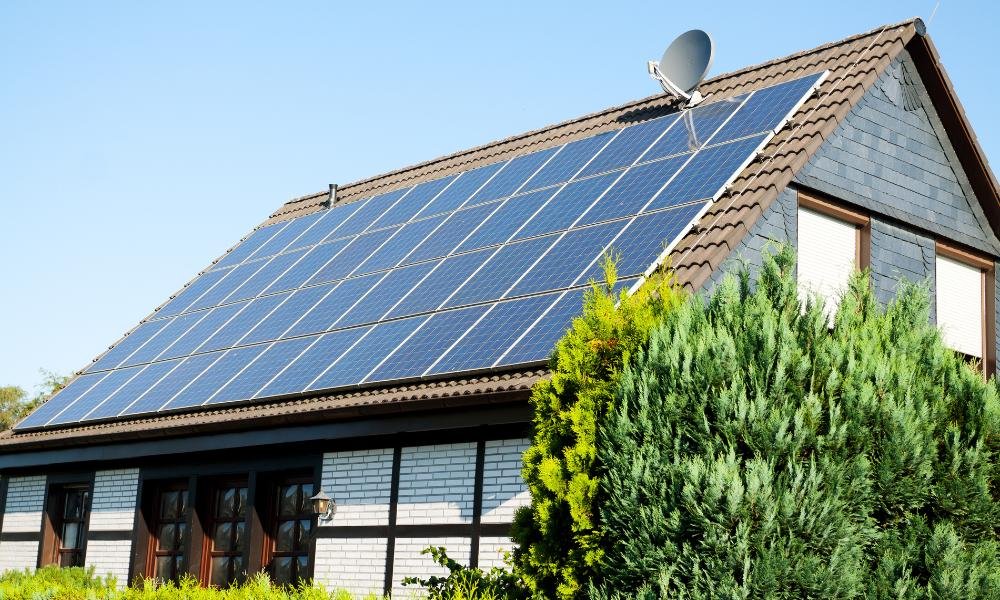
- Improving insulation can complement other energy-saving efforts, like solar panel installation
What to Do Next
If any of these warning signs sound familiar, it might be time to take action. Improving insulation can provide benefits beyond just comfort, including:
- Lower energy bills due to reduced heat loss
- A longer lifespan for heating and cooling systems
- Better indoor air quality and moisture control
- Protection against structural issues caused by mold, ice, or pests
- A more energy-efficient home that works in tandem with solar energy systems
A professional home assessment can help pinpoint problem areas and suggest solutions. Whether it’s adding more material to the attic, reinforcing wall insulation, or sealing up gaps, making these improvements can lead to long-term savings.
Where to Start?
- If you’re unsure where heat loss is happening, an energy audit can help
- Attic insulation is a key area for reducing heat transfer
- Wall insulation helps regulate temperatures in every room
- Crawl space and basement improvements can prevent cold floors and moisture buildup
- Making insulation improvements can work alongside other energy efficiency strategies for maximum savings
Is It Time for an Upgrade?
Taking action on these signs now can prevent bigger issues down the road. Whether it’s sealing up gaps, upgrading materials, or improving ventilation, investing in insulation improvements can pay off with a more comfortable and energy-efficient home.
A few upgrades today can lead to lower utility bills, fewer repairs, and a more comfortable living space year-round. If you’ve noticed any of these warning signs, it’s worth considering a professional assessment to explore your options.
By making smart improvements, you’ll create a space that’s not only more efficient but also more enjoyable to live in every day.