Estimated reading time: 5 minutes
As temperatures drop, I hear the same complaints every year—soaring heating bills, drafty rooms, and a constant battle with the thermostat. If that sounds familiar, here’s some good news: the problem (and the solution) could be right above your head, behind your walls, or even under your feet. Insulation isn’t just a fluffy afterthought; it’s one of the smartest investments for energy savings.
What You’ll Learn Here:
How insulation works to keep your home comfortable and energy-efficient.
The key areas in your home that need insulation the most.
How much you can realistically save by upgrading insulation.
The best insulation types for maximum efficiency.
Why air sealing is just as important as insulation.
How Insulation Works

Think of insulation as a thermos for your house—it keeps the heat in during winter and the heat out during summer. Without it, your home leaks warmth like a sieve, forcing your heating system to work overtime. That’s why an under-insulated home leads to skyrocketing energy bills.
Here’s what’s happening behind the scenes:
- Heat naturally moves toward cooler areas, which means in the winter, your heated indoor air is constantly trying to escape through walls, ceilings, and floors.
- If your home isn’t properly insulated, that heat loss forces your furnace to work harder, consuming more energy.
- During summer, the process reverses—hot outdoor air seeps in, making your air conditioning system run longer.
The result? You end up paying more for energy while still feeling uncomfortable.
Where Insulation Matters Most
Not all parts of your home lose heat equally. Some areas are notorious for energy loss, and insulating them properly can have a massive impact on your comfort and utility bills.
Attic – Your Home’s Biggest Heat Escape Route
Heat rises. And if your attic isn’t well-insulated, a large chunk of your heating budget is literally going through the roof. Insulating the attic can reduce heat loss by up to 25%, which means lower bills and a cozier home.
Wondering whether attic or wall insulation should come first? This breakdown can help you decide.
Walls – The Hidden Energy Leakers
Walls account for a massive surface area of your home. Poor insulation here means your heating (or cooling) is slipping right through the cracks. Adding insulation to walls helps keep indoor temperatures stable, reducing strain on your HVAC system.
Floors and Crawl Spaces – The Cold That Creeps In
Ever noticed how floors can feel like blocks of ice in winter? That’s because cold air seeps up through uninsulated crawl spaces and floors, making your heating system work harder. Insulating these areas helps maintain a balanced temperature throughout your home.
Check out these common signs that your home might need better insulation.
How Much Can Insulation Save You?
Let’s talk numbers. According to the U.S. Department of Energy, improving insulation can cut heating and cooling costs by up to 15%. In colder climates, that savings can be even higher—potentially hundreds of dollars every winter.
The exact amount you save depends on:
Your home’s size and current insulation levels.
The type of insulation used.
Local climate conditions.
If your home is older, upgrading insulation could be one of the best cost-saving improvements you can make.
Choosing the Right Insulation for Maximum Savings
Not all insulation is created equal. Different materials offer varying levels of efficiency (measured in R-value—the higher, the better). Here are some top choices:
Fiberglass Insulation – Affordable and Effective
A common and budget-friendly option, fiberglass comes in batts or rolls and is great for attics, walls, and floors. It’s easy to install and provides solid insulation at a low cost.
Spray Foam Insulation – Maximum Efficiency
This one’s a powerhouse. Spray foam expands to fill cracks and gaps, providing both insulation and air sealing in one step. It’s ideal for sealing problem areas where air leaks occur.
Cellulose Insulation – Eco-Friendly and High-Performance
Made from recycled paper, cellulose insulation is a green choice that provides excellent thermal resistance. It’s often blown into walls and attics for a snug fit.
Not sure which insulation type is best for your home? This guide on upgrading insulation can help.
Don’t Forget About Air Sealing
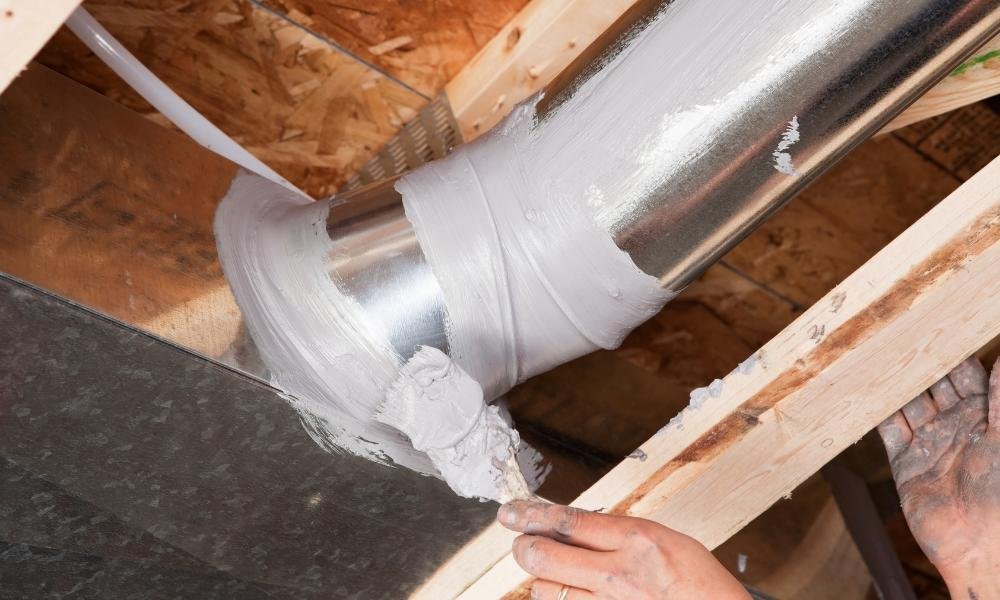
Even the best insulation won’t work properly if your home is full of air leaks. Tiny gaps around windows, doors, and vents allow warm air to escape and cold air to creep in. Sealing these leaks boosts insulation efficiency, keeping your energy costs even lower.
A home energy audit can help you find and fix leaks, improving overall energy efficiency. Here’s why getting an energy audit is worth it.
The Bottom Line: Is Insulation Worth It?
Absolutely. Proper insulation:
Reduces heating and cooling costs.
Makes your home more comfortable year-round.
Reduces strain on your HVAC system, extending its lifespan.
Increases your home’s overall energy efficiency.
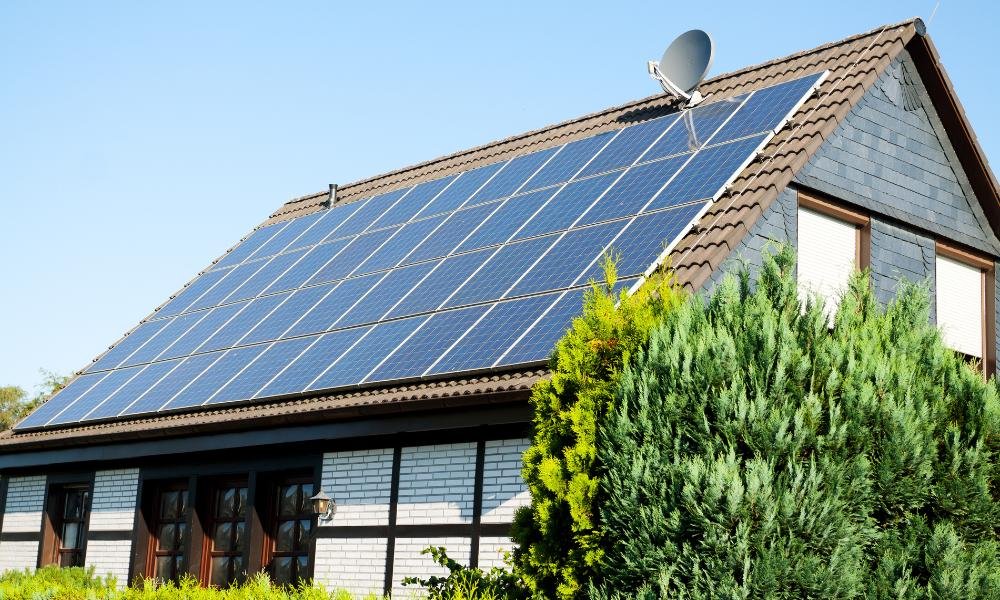
And if you’re planning other energy-efficient upgrades—like solar panels—a well-insulated home will help you get the most out of your investment. Learn how solar panels can further cut your energy costs.
Final Thoughts
Proper insulation is one of the most effective ways to lower your energy bills. By sealing off common energy loss points and using the right insulation materials, you can enjoy a more comfortable home while saving money year after year.If your energy bills are climbing and your home still feels drafty, it might be time for an upgrade. A small investment in insulation today can pay off in big savings down the road.