
Estimated reading time: 6 minutes
Introduction
Ever wondered why your utility bills keep climbing even though you’re not using more power? Or why some rooms in your house always feel chilly while others are too warm? Poor insulation might be the reason.
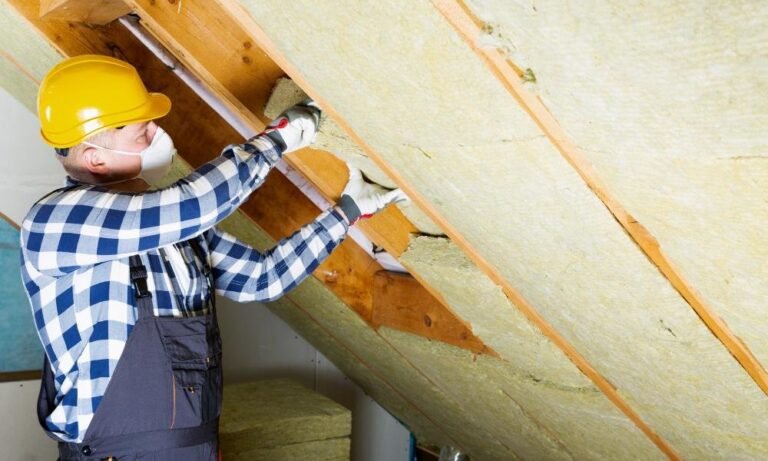
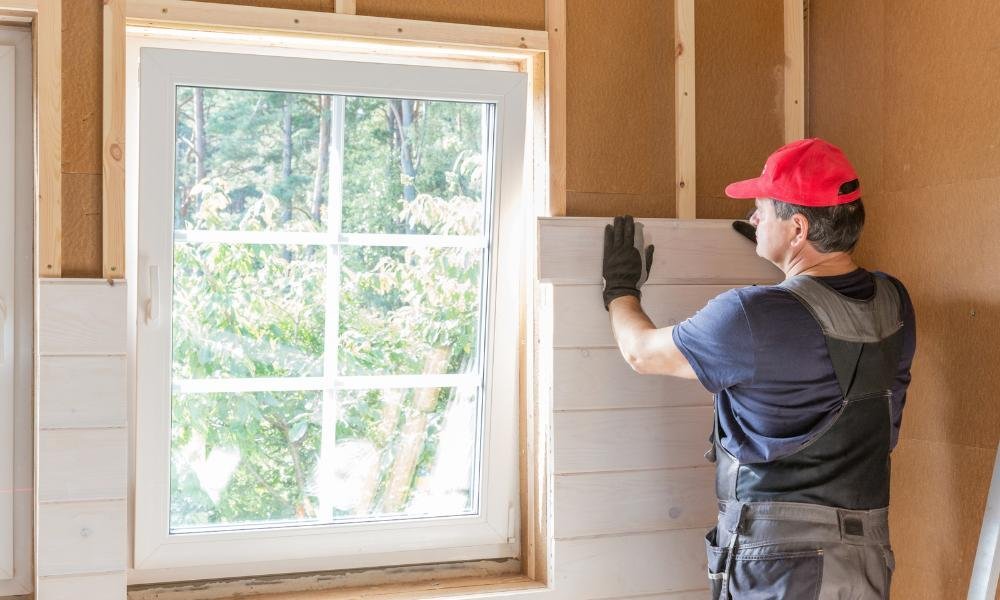
Upgrading your home’s thermal protection isn’t just about cutting costs—it’s about making your living space more comfortable, efficient, and even healthier. While many homeowners focus on windows and HVAC upgrades, they often overlook insulation, which plays a major role in temperature control, energy efficiency, and indoor air quality.
Here’s what I’ll cover in this guide:
- How proper insulation lowers your monthly bills
- Why it makes your home more comfortable year-round
- How it helps your heating and cooling system last longer
- The surprising health benefits of better indoor air quality
- Why it’s a smart way to increase your property value
- How it helps reduce your carbon footprint
- How it even keeps your home quieter
Let’s dive into why this upgrade is one of the smartest decisions you can make.
1. Lower Energy Bills
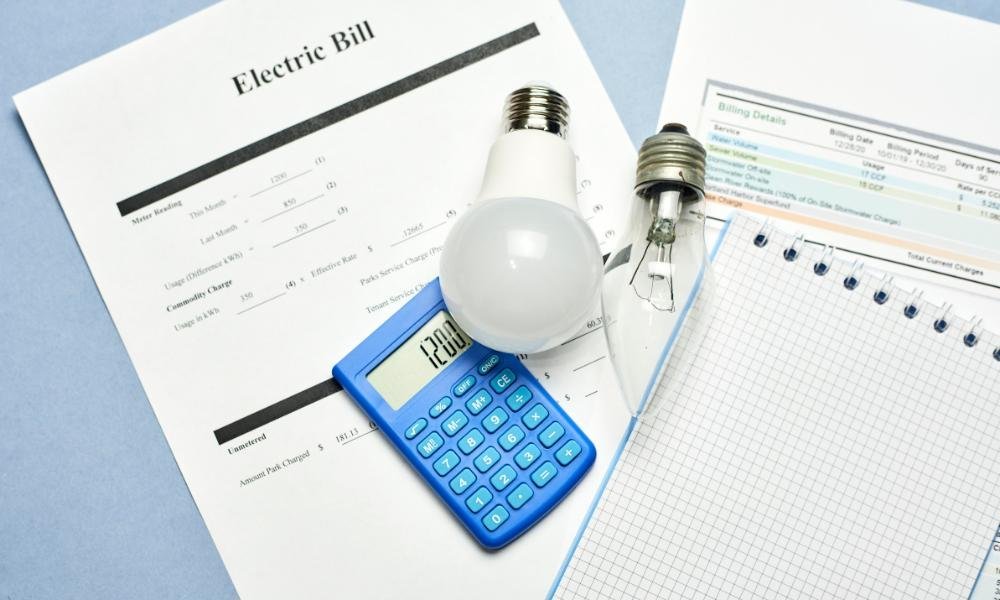
If there’s one benefit I don’t have to convince you of, it’s saving money on utilities. A well-insulated house holds in warmth during winter and keeps heat out in summer, reducing strain on your heating and cooling system.
According to the U.S. Department of Energy, properly insulating your attic, walls, and floors can cut heating and cooling costs by up to 20 percent. The best part is that those savings last for years, making this one of the most cost-effective improvements you can make.
It’s like putting a thermal jacket on your house. When heat stays where it belongs, your HVAC system doesn’t have to work overtime, and your energy bills drop.
Related Read: How Proper Insulation Lowers Energy Costs
2. Consistently Comfortable Rooms
Have you ever walked into a room that feels noticeably colder or warmer than the rest of your house? That’s often a sign of poor insulation or air leaks.
With upgraded insulation, your home maintains even temperatures in every room, eliminating annoying hot and cold spots. That means:
- No more shivering in the living room while the upstairs feels like a sauna
- A cozier bedroom in winter without cranking up the heat
- Cooler summers without blasting the AC
The result is a house that actually feels comfortable year-round.
Related Read: How Insulation Improves Comfort and Energy Efficiency
3. Longer Life for Your Heating and Cooling System
Your furnace and air conditioner work hard to keep your home at the right temperature. But if poor insulation lets heat escape in winter and infiltrate in summer, your system has to work even harder to compensate.
Over time, that extra strain wears down your HVAC unit, leading to:
- Higher maintenance costs
- Frequent repairs
- A shorter lifespan for your heating and cooling system
A properly insulated home reduces the workload on your HVAC equipment, helping it last years longer. That means fewer breakdowns and more savings in the long run.
Related Read: Top Energy-Efficiency Tips for Homeowners
4. Cleaner Indoor Air and Healthier Living
Insulation does more than keep temperatures in check—it also helps improve air quality. Many older homes allow dust, pollen, and even mold spores to seep in through cracks and poorly insulated areas.
Here’s how insulation helps:
- Blocks outdoor allergens from entering through walls and attics
- Reduces moisture buildup, preventing mold and mildew growth
- Improves indoor air circulation, making breathing easier for allergy sufferers
If you or your family members suffer from asthma, allergies, or respiratory issues, upgrading insulation can make a real difference.
Related Read: Signs Your Home Needs Better Insulation
5. Increased Home Value and Market Appeal
If you plan to sell your home, here’s something worth knowing—energy-efficient homes sell faster and for more money.
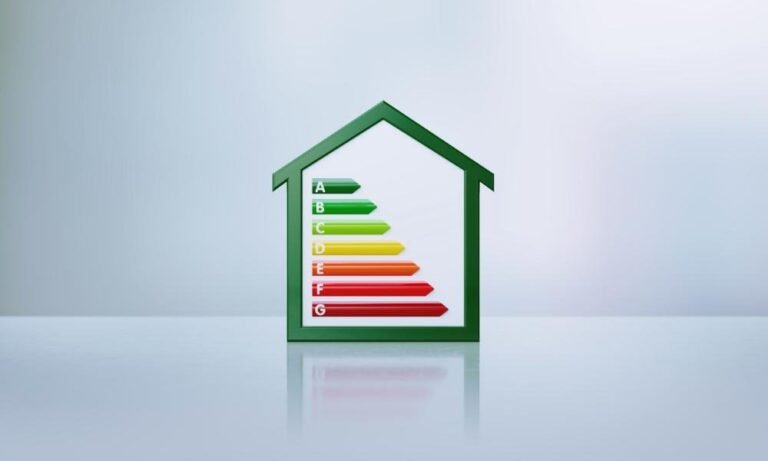
According to Freddie Mac, properties with high energy efficiency ratings sell for up to 2.7 percent more than those without. Buyers today look for lower utility costs and modern energy upgrades, so better insulation makes your home more attractive on the market.
If a simple upgrade means higher resale value and more buyer interest, it’s a no-brainer investment.
Related Read: What Is an Energy Audit and Why Do You Need One?
6. Lower Carbon Footprint and Environmental Benefits
Want to reduce waste and shrink your environmental impact? Insulation is a simple way to do it.
By preventing heat loss and reducing energy consumption, your home requires less fuel to stay comfortable, which means:
- Lower greenhouse gas emissions
- Less strain on power grids
- A smaller carbon footprint
Some insulation materials, like cellulose, are even made from recycled materials, making them a great eco-friendly choice. When combined with solar energy, the impact is even greater.
Related Read: 7 Benefits of Installing Solar Panels at Home
7. Soundproofing for a Quieter Home
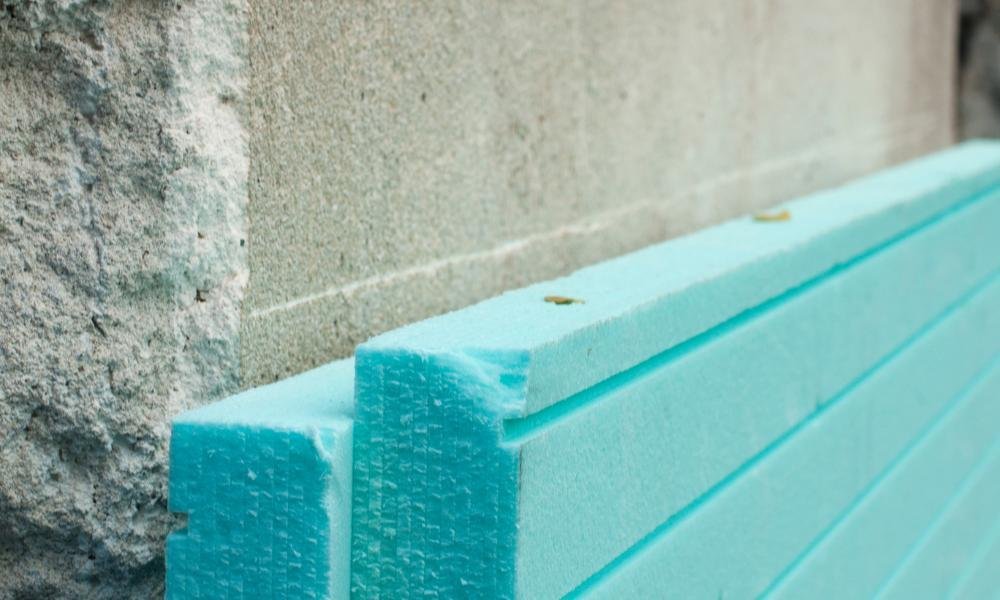
Ever get woken up by loud traffic, barking dogs, or noisy neighbors? Good insulation helps with that too.
Certain types, like spray foam and fiberglass, absorb sound waves, keeping unwanted noise out of your living space. This is especially useful if:
- You live near a busy road
- You share walls with neighbors in an apartment or townhouse
- You have a home office and need peace and quiet
A well-insulated home isn’t just energy-efficient—it’s a calmer, more relaxing place to live.
Related Read: Wall vs. Attic Insulation: What’s Right for Your Home?
How to Upgrade Your Insulation
Thinking about improving your home’s insulation? Here’s where to start:
- Get an Energy Audit – A home energy assessment helps pinpoint where you’re losing heat. Related Read: DIY Energy Auditing: Tools and Tips
- Choose the Right Insulation Type – Options include fiberglass, spray foam, and cellulose, each with its own benefits.
- Focus on Key Areas – The attic, walls, and crawl spaces have the biggest impact on efficiency.
- Consider Professional Installation – Proper application makes all the difference in long-term savings.
Final Thoughts
Upgrading insulation isn’t just about cutting costs—it’s about creating a better home. With lower bills, improved comfort, healthier air, and higher property value, this upgrade is one of the smartest choices you can make.
So, is your home well-insulated? If not, now might be the perfect time to make a lasting investment in comfort and efficiency.
Want to start saving today? Let’s talk insulation.
Let me know if you’d like any refinements