
Estimated reading time: 9 minutes
You squeegee the window. Step back. It looks perfect. Then thirty seconds later, as it dries, those faint streaky lines show up like they were never gone in the first place.
If that’s happened to you, you’re not bad at cleaning windows. You’re missing one of two things — the right tool, or the right timing. And honestly, it’s usually timing more than people expect.
Why Windows Streak in the First Place
Streaks happen for one of three reasons: there’s leftover residue from too much cleaner, the water is drying faster than you can wipe it off, or the cloth you’re using is leaving lint behind instead of picking up. That’s pretty much it. No mystery, no bad luck — just one of those three things going wrong.
The fast-drying issue is the one nobody talks about enough. Clean a window in direct afternoon sun and the water starts evaporating before you’ve finished your wipe-down, leaving mineral deposits and soap residue behind in uneven patches. That’s not a tool failure. That’s just chemistry working against you. Professional window cleaners almost always work in shade, early morning, or overcast weather for exactly this reason.
So before we even get to equipment — if you’re cleaning windows in full sun, that’s probably your real problem, and no squeegee on earth fixes that on its own.
The Tools That Actually Matter
A Decent Squeegee
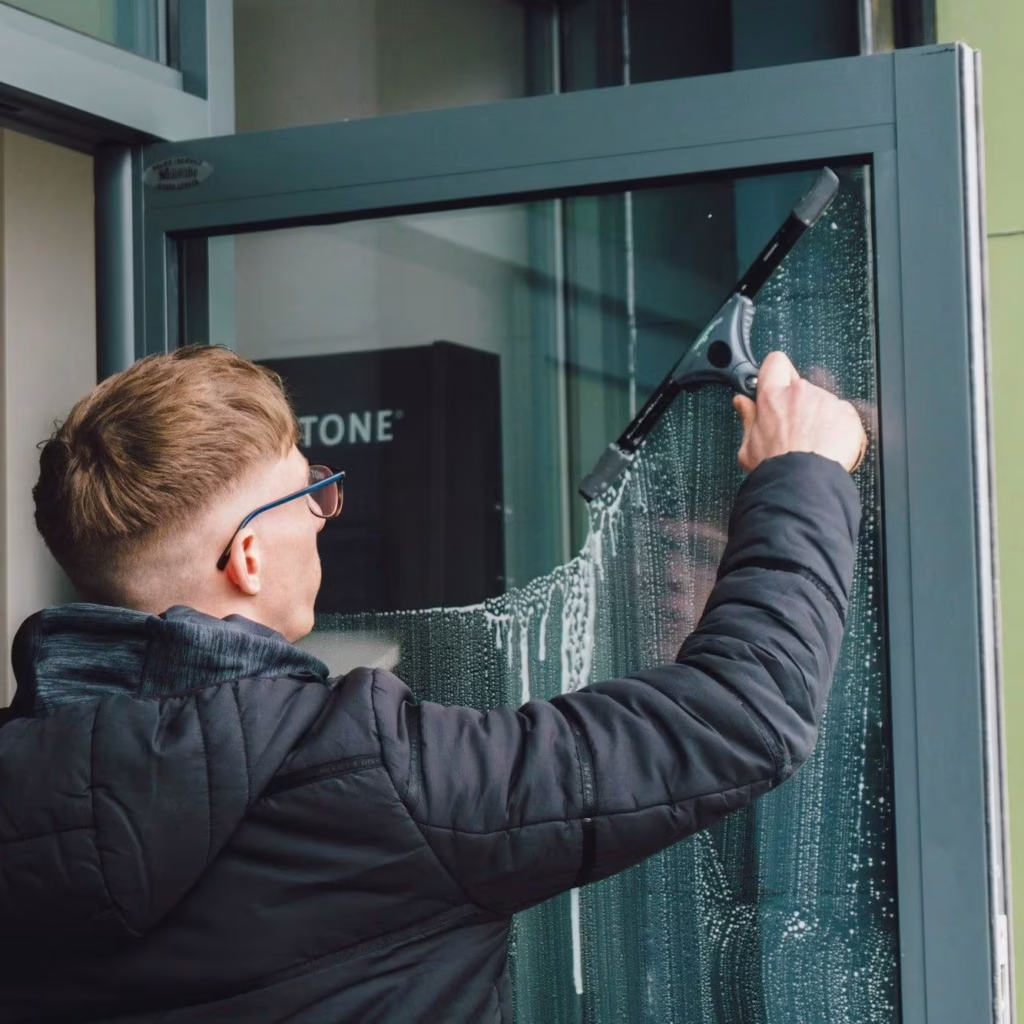
A squeegee is the single biggest upgrade most people can make, and it’s not close. A soft rubber or silicone blade pulls water and dirt off the glass in one smooth motion instead of smearing it around like a cloth does. Silicone blades tend to last longer and glide a bit smoother than basic rubber ones, though both work fine for typical home use.
Look for one with a replaceable blade — the rubber wears down and starts leaving a thin streak right down the middle of the glass after a few months of use, and replacing a $3 blade is a lot cheaper than buying a whole new squeegee. Dual-function tools with a scrubber on one side and a squeegee blade on the other are genuinely useful here too, since you can loosen dirt and then immediately pull it off without switching tools mid-job.
Microfiber Cloths (Not Paper Towels)
This is where a lot of people sabotage themselves without realizing it. Paper towels shed lint, and that lint sticks to wet glass and shows up as fuzzy streaks once it dries. A lint-free microfiber cloth doesn’t have that problem — it absorbs water and polishes the glass at the same time instead of leaving fibers behind.
Keep a couple of different sizes around. A bigger cloth handles the main surface, while a smaller one gets into corners and along the frame edges where moisture likes to hide and dry into a faint line later.
A T-Bar Scrubber for Dirtier Windows
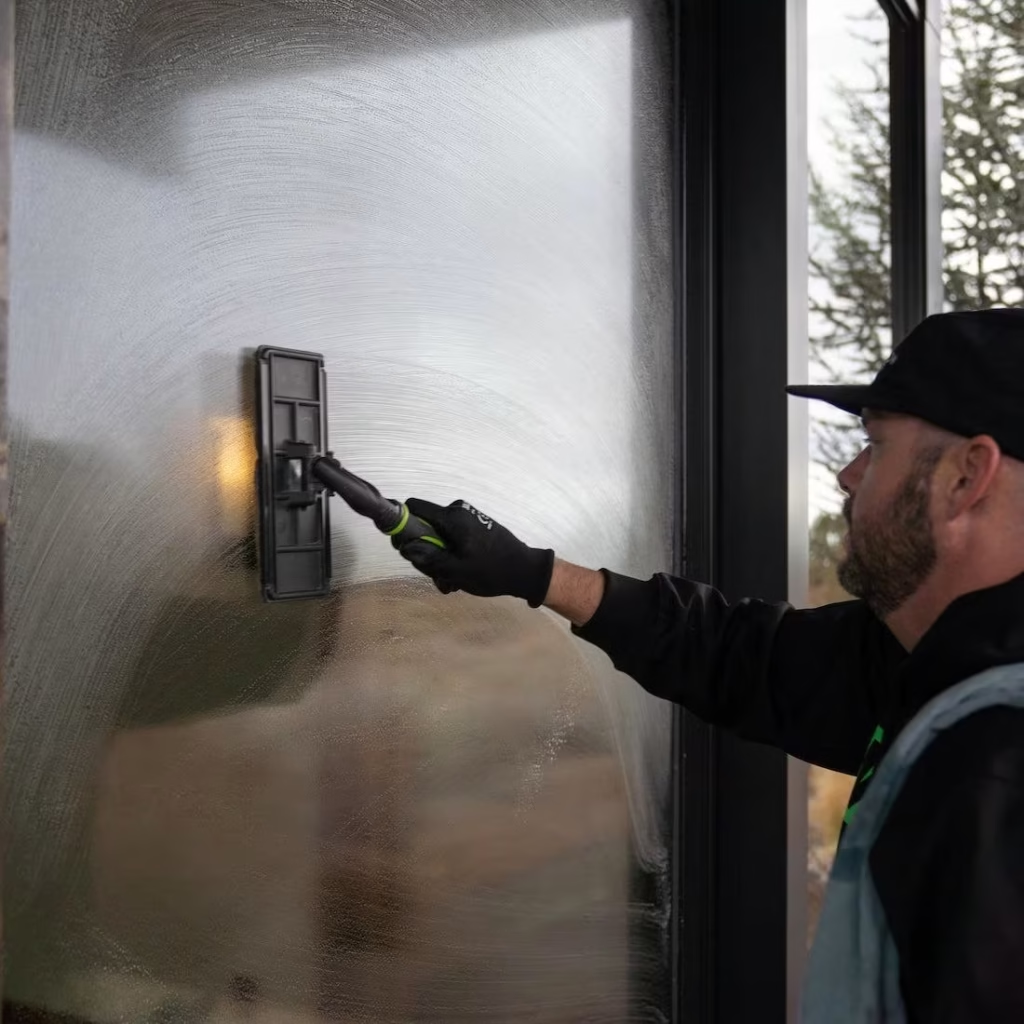
For windows that haven’t been cleaned in a while — pollen buildup, bug residue, that general grime that collects outside — a T-bar scrubber with a microfiber sleeve does the heavy lifting before you ever touch the squeegee. It loosens dirt without scratching, and most attach to extension poles, which matters a lot once you’re talking about second-story windows.
Cleaning Solution: Commercial vs. DIY (Both Work, Differently)
There’s a real debate online about whether homemade vinegar solutions actually work, and the honest answer is: yes, for most everyday cleaning, but not for everything.
A mix of equal parts water and white vinegar handles light dirt, dust, and fingerprints just fine, and it’s basically free. Where it struggles is heavier grime and hard water spots — mineral deposits that build up from sprinklers or rain — where a commercial degreasing formula does more of the actual work.
Commercial glass cleaners are formulated specifically to avoid leaving residue, which is the whole point. But not all of them are interchangeable. Ammonia-based cleaners can damage tinted or treated glass over time, so if your windows have any kind of film or tint, look specifically for an ammonia-free formula. It’s a small detail that a lot of generic advice skips entirely.
One thing both options share: less is more. Overspraying is one of the most common causes of streaking, full stop. A light, even mist works better than a heavy soak — the more product you put on, the more you have to fully remove, and that’s exactly where residue gets left behind.
The Technique That Matters More Than Any Tool
Here’s the actual sequence that avoids streaks, and it’s shorter than people expect:
- Scrub first if needed. Loosen any dirt or grime with a T-bar scrubber or microfiber sleeve before applying cleaner.
- Apply cleaner lightly. A light, even coat — not a heavy spray.
- Squeegee in a single direction. Start at the top corner and pull the blade down in an S-pattern, wiping the blade dry between each pass so you’re not just redistributing water.
- Dry the edges immediately. Use a microfiber cloth on the frame and corners where the squeegee can’t reach — this is where most leftover streaking actually comes from.
- Work in shade when possible. If you can choose your timing, early morning or an overcast day beats direct sun every time.
That’s the whole method. No magic, just sequence and timing done consistently.
Squeegee vs. Microfiber-Only vs. Dish Soap and Newspaper
A lot of people still use the dish soap and newspaper trick their parents used, so it’s worth a direct comparison instead of pretending it doesn’t exist.
| Method | Streak Risk | Best For | Downside |
| Squeegee + microfiber | Low | Most windows, especially larger ones | Slight learning curve for technique |
| Microfiber cloth only | Medium | Small windows, mirrors, spot cleaning | Harder to avoid streaks on bigger glass |
| Dish soap + newspaper | Medium-high | Light cleaning in a pinch | Newspaper ink can smear; soap residue lingers if not fully removed |
The dish soap method isn’t useless — it can genuinely work on small jobs — but it’s much less forgiving than a squeegee, since any leftover soap film shows up immediately as a hazy streak. If you’re already reaching for it out of habit, a basic squeegee kit is a pretty low-cost upgrade.
What About Hard-to-Reach or Second-Story Windows?
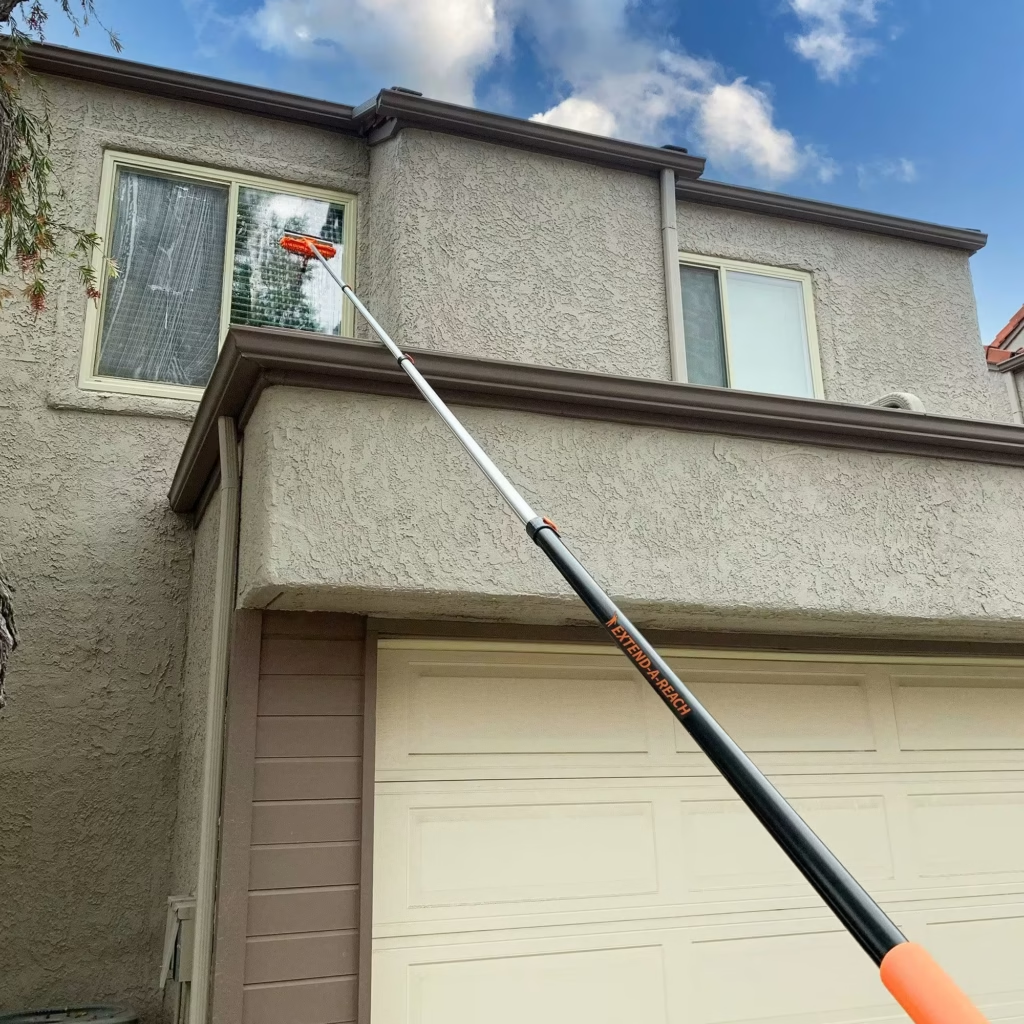
An extendable or telescopic pole is the obvious answer here, and most squeegees and scrubbers come with attachment options for one. Beyond that, a sturdy ladder and basic safety sense matter more than any product — don’t lean a ladder against a window frame, and don’t overreach off the top rung trying to get one more corner.
If you’re tackling a bigger cleanup project around the house at the same time, it’s worth thinking through storage for all this gear too — a few organized shelves or racks near your cleaning supplies makes it a lot less annoying to grab a squeegee and pole without digging through a closet first.
A Quick Buying Guide Based on What You Actually Need
If you’re doing routine maintenance on a typical home, a basic 2-in-1 kit with a rubber or silicone squeegee, a microfiber sleeve, and a short extension pole covers almost everything. If you’ve got second-story windows or a lot of glass to cover, prioritize a telescopic pole with a decent reach over a fancier blade — reach solves more problems than blade material ever will.
For tinted or treated glass, skip ammonia-based commercial cleaners and stick to ammonia-free formulas or a vinegar solution. And if you’re renting and only have access to the interior side of your windows, the same squeegee-and-microfiber method still applies — just focus extra attention on the lower corners, since that’s where drips tend to pool on an inside-only clean.
This whole approach — figuring out what actually works instead of grabbing whatever’s marketed hardest — is the same mindset worth applying to other household debates too, like our breakdown of hand washing vs. dishwashers or the food processor vs. juicer comparison, if you’re in a “which one do I actually need” mood today. And if window cleaning is just one item on a bigger home refresh list, our home renovation tips for beginners might be worth a look too.
At this point, the gear isn’t really the hard part. It’s remembering that a squeegee in direct sun and a squeegee in the shade are basically two different tools — same equipment, completely different results.
FAQs
Why do my windows streak even after I clean them carefully?
The most common causes are leftover cleaner residue, water drying too fast in direct sunlight before you can wipe it off, or lint from paper towels instead of a proper microfiber cloth. Cleaning in shade and using less product usually solves most streaking issues.
Is vinegar good for cleaning windows?
Yes, for everyday dirt, dust, and fingerprints. A mix of equal parts water and white vinegar works well for light cleaning, though it’s less effective on heavier grime or hard water spots, where a commercial glass cleaner does more of the work.
Do I really need a squeegee, or will a microfiber cloth alone work?
A microfiber cloth alone works fine for small windows or mirrors, but a squeegee makes a noticeable difference on larger windows since it pulls water off in one motion instead of relying on absorption, which lowers the chances of streaking.
What’s the best homemade window cleaner?
Equal parts water and white vinegar is the most reliable homemade option for everyday grime. Avoid adding dyed soaps or excess surfactants, since those tend to leave a hazy film behind once the water evaporates.
Can I use regular glass cleaner on tinted windows?
Not always. Ammonia-based cleaners can damage tinted or treated glass over time. Look for an ammonia-free formula specifically labeled safe for tinted glass instead.
How often should I clean my windows?
Most homes do fine with a thorough cleaning two to four times a year, with quick interior spot-cleaning as needed in between. Homes near construction, busy roads, or heavy pollen exposure may need it more often.