Estimated reading time: 11 minutes
Last updated on June 23rd, 2026 at 07:12 am
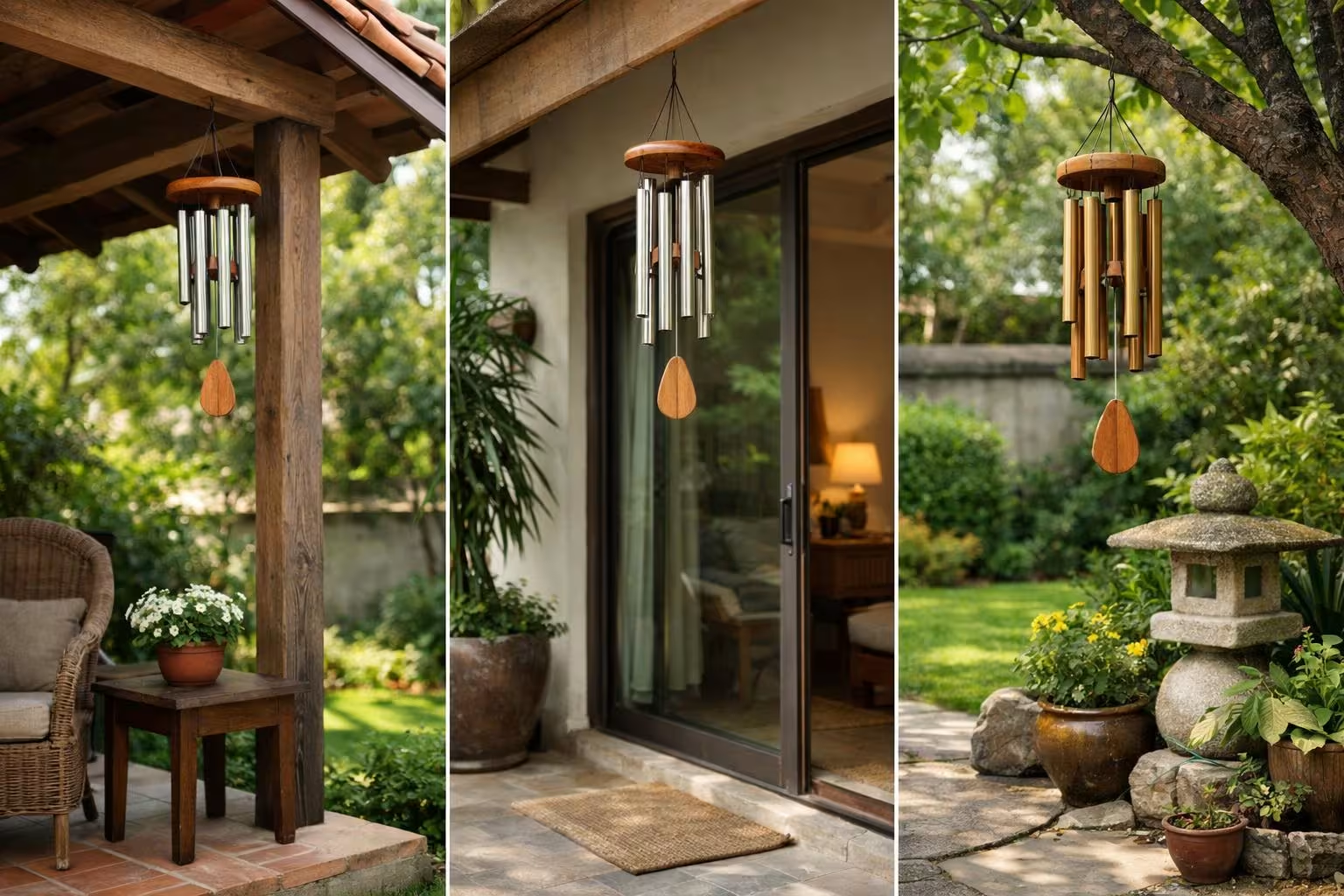
outside with coffee, barely a breeze, and then — out of nowhere — a deep, resonant tone rolls through the air from a neighbour’s porch. Not tinkling. Not clattering. Just this long, warm note hanging in the stillness.
That’s tuned aluminum. And once you’ve heard it, the impulse to hang a set of your own is almost irresistible.
The thing is, the different types of wind chimes are far more varied than most people realise — in sound, in look, and in what they actually do to a space. Some produce genuine musical tones. Others clack and knock percussively. A few are almost purely visual, catching light rather than producing much sound at all. Knowing that distinction before you buy saves a lot of disappointment.
Sound First or Looks First? It Matters More Than You Think
Most people pick a chime based on how it looks in a product photo. Then they hang it outside and discover the sound is completely different from what they expected — or more intrusive than they wanted for a quiet evening on the patio.
The better question to ask upfront: do you want this to sound melodic, percussive, or barely there?
Melodic chimes — usually tuned metal — produce actual musical notes and harmonise as they move. They’re the ones you hear and think “that sounds intentional.” Percussive chimes, like bamboo, produce a hollow clacking rhythm that’s more natural and textured, almost like wind through a forest. Delicate chimes — glass, shell, ceramic — produce high, soft sounds that barely register in outdoor spaces but add a lovely airy quality indoors.
Once you’ve answered that question, the look usually follows naturally from the material.
Metal Wind Chimes: The Most Musical Option You Can Buy
If sound quality matters to you, metal chimes — especially precision-tuned aluminum — are genuinely hard to beat. They’re what most people picture when they imagine a really good wind chime, and they deliver on that expectation.
Tuned aluminum tubes
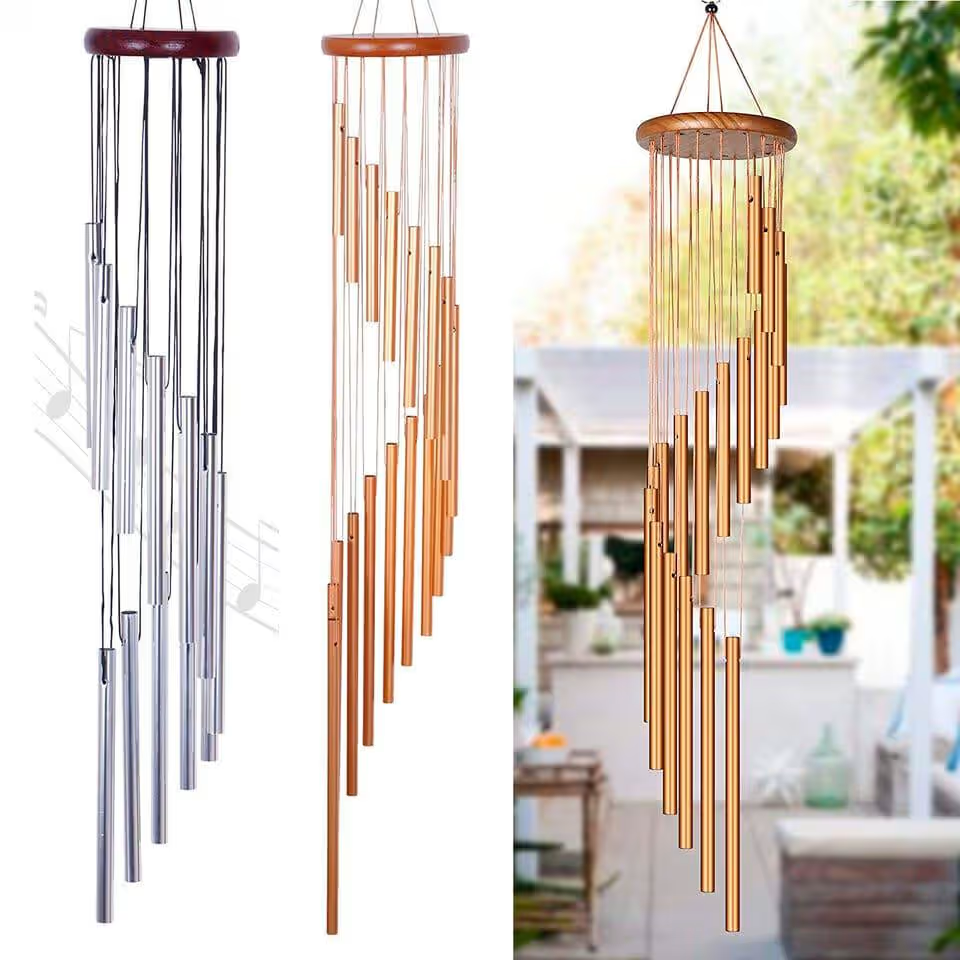
Corinthian Bells by Wind River are probably the most recognised name in this space, and for good reason. The tubes are hand-tuned to actual musical scales, so even random movement in the wind produces something that sounds harmonious rather than random. The tonal resonance from a well-made set carries impressively — you can hear it from inside the house through a closed window, which is either lovely or slightly much depending on your setup.
They work best somewhere with consistent airflow — an open porch, a garden corner, a spot with exposure to prevailing winds. Too sheltered and they barely move. In a windy spot, the sound can be quite present, which is worth thinking about before hanging one near a bedroom window.
Copper bell chimes

Copper behaves differently. The tone is softer, mellower, and less sustained than aluminum — more of a gentle ping than a resonant bell. And over time, copper does something quite lovely: it develops a natural patina that shifts from bright metal to warm earthy tones. A Woodstock Chimes antique copper style is a good example — it looks like it’s been there forever, in the best way.
These suit more naturalistic or garden-focused aesthetics. They won’t project sound the way tuned tubes do, which actually makes them a better choice for smaller outdoor spaces or anyone with close neighbours.
Temple bell styles
Small metal bells clustered together have a completely different character — lighter, more randomly musical, with a Zen-like quality that works surprisingly well near an entryway or on a covered porch. They’re not trying to be a concert. They’re more of a soft punctuation mark in the ambient sound of a space.
Bamboo Wind Chimes: Earthy, Rhythmic, and Surprisingly Grounding

Bamboo chimes don’t ring. They clack. That hollow, woody knock when the tubes knock together is their entire personality — and once you adjust your expectations, it’s actually quite satisfying.
Think of it less like music and more like the percussion section of a nature soundscape. There’s a reason they turn up in tropical, bohemian, and garden-naturalist spaces — they sound like somewhere you’d want to be. The Nalulu Classic Bamboo Wind Chime is a popular option in this category, and it earns the reputation.
The honest caveat: bamboo doesn’t handle weather as well as metal. It fades and can crack in prolonged sun and rain exposure, especially if you’re not in a sheltered spot. If you’re hanging it somewhere fully exposed, either bring it in over winter or accept that it’ll need replacing after a few seasons. Under a covered porch or canopy, they last much longer and look better doing it.
For a bohemian or tropical-themed outdoor space, bamboo pairs well with other natural textures — rattan furniture, trailing plants, weathered timber. If you’re building out that kind of patio aesthetic, it’s also worth looking at budget boho decor makeover ideas for more ways to pull the look together.
Glass and Shell Chimes: When the Visual Is the Point
Some chimes are genuinely more about what they do with light than what they do with sound. That’s not a criticism — it’s just accurate.
Capiz shell chimes
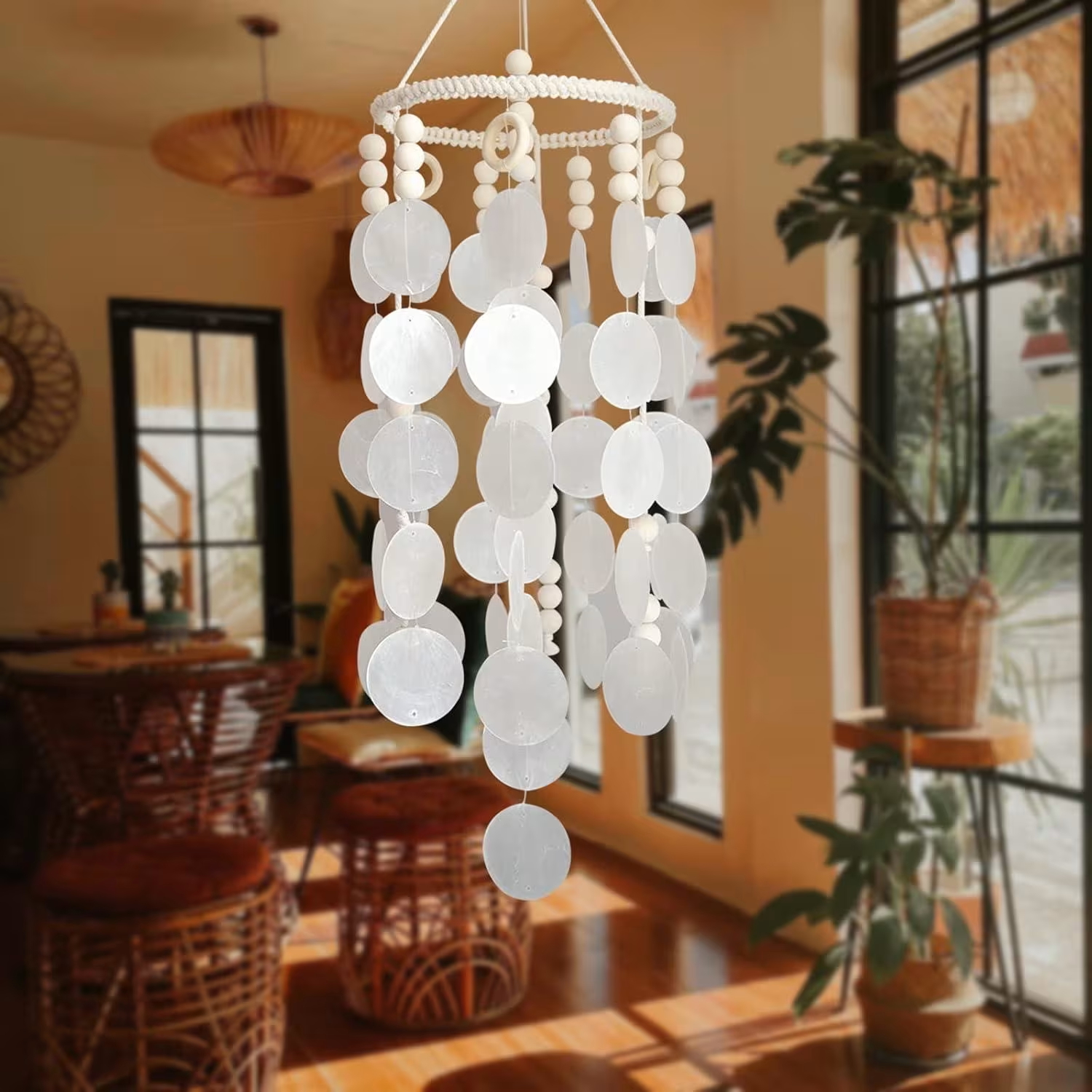
Capiz shells are those flat, translucent pieces cut from windowpane oysters. Hung together, they catch and scatter light in a way that’s quite mesmerising — they shimmer and shift rather than sparkle, more like calm water than a disco ball. The sound is light and high-pitched, a soft tinkling that fades quickly rather than sustaining.
They’re at their best indoors — a sunroom window, a sheltered conservatory, somewhere the light can work on them properly. Outside in wind and rain, capiz shells chip and deteriorate. They’re not built for exposed outdoor conditions, full stop. That’s not a flaw if you know it going in; it just means placement matters.
Stained glass chimes
These double as kinetic decor in the truest sense — they’re essentially moving suncatchers. On a south-facing window or a porch that gets afternoon sun, they cast coloured light across walls and floors as they turn. Rich jewel tones and sunset gradients are the common choices, and they genuinely do add something a static piece couldn’t.
Sound-wise, they’re subtle — more of a light clink than anything musical. That’s fine. Nobody hangs stained glass chimes for the sound.
Ceramic and Clay Chimes: Handmade Charm with a Quieter Voice
Ceramic chimes occupy a lovely niche. They’re often artisan-made — small studios and independent makers produce hand-shaped clay pieces in everything from simple geometric discs to painted animals and botanical forms. The sound is muted and earthy, more of a soft thud-clack than a ring or clatter.
They’re genuinely suited to indoor use in a way metal and bamboo aren’t. Near a kitchen window, in a reading corner, or on a covered balcony — anywhere a very subtle sound adds texture without ever becoming intrusive. They’re also a natural fit as gifts, because the handmade quality communicates something a mass-produced product doesn’t.
Durability outdoors varies by firing quality. High-fired stoneware survives the elements reasonably well. Lower-fired decorative pieces can crack in hard frosts. Check before hanging one somewhere fully exposed to winter weather.
Japanese Furin: A Completely Different Kind of Wind Chime
Furin deserve their own section because they don’t quite fit anywhere else. These small Japanese wind bells — traditionally glass or iron, shaped like a rounded bowl with a clapper and a paper strip (called a tanzaku) hanging below — are deeply embedded in Japanese summer culture. Hearing one is meant to make you feel cooler, even on a hot day. Something about the delicate, high-pitched chime reads as refreshing in a way that’s hard to explain logically.
The glass versions produce an almost impossibly delicate sound — a light, crystalline tone that fades almost before you’ve finished registering it. Iron furin are slightly earthier and more sustained. Both are small and quiet, designed for sheltered placement like a covered veranda, a sliding door frame, or an indoor window.
The paper tanzaku strip is part of the traditional form — sometimes left plain, sometimes decorated with summer imagery or calligraphy. It catches the breeze and initiates the movement of the clapper. Replace it if it tears; the replacement strips are easy to find.
If you’re drawn to Japanese-influenced interior styling — spare, intentional, calming — furin fit naturally alongside that aesthetic. They’re also seasonally interesting: many people hang them specifically in summer and store them for the rest of the year, which is perfectly consistent with how they’re traditionally used.
Quick Guide: Match Your Chime to Your Space and Style
Here’s a practical breakdown to cut through the decision fatigue:
| Material | Sound character | Visual style | Best placement | Weather durability |
| Tuned aluminum | Deep, melodic, sustained | Modern, minimalist | Open porch, garden | Excellent |
| Copper | Soft, mellow ping | Rustic, naturalistic | Garden, patio | Very good |
| Bamboo | Hollow, percussive clack | Boho, tropical | Covered balcony, canopy | Moderate |
| Capiz shell | Light, high tinkling | Coastal, whimsical | Indoor window, sunroom | Poor outdoors |
| Stained glass | Subtle clink | Colourful, decorative | Sheltered porch, window | Poor outdoors |
| Ceramic/clay | Muted, earthy thud | Handmade, rustic | Indoor, covered porch | Moderate |
| Japanese furin | Delicate, crystalline | Minimal, traditional | Covered veranda, indoor | Poor in wind/rain |
The two things that narrow this down fastest: where you’re hanging it (indoor vs fully outdoor vs sheltered outdoor) and whether sound is the priority or the afterthought.
A Note on Volume — For Anyone With Close Neighbours
This almost never comes up in wind chime guides, but it should. Tuned aluminum chimes — particularly larger sets — carry. On a breezy evening, a well-tuned 36-inch aluminum set can be clearly audible from several houses away. Most people find it pleasant. Some neighbours do not.
If you’re in an apartment with a balcony, a terraced house, or a garden that backs onto another, it’s worth thinking about volume before choosing a material. Bamboo, copper bells, and ceramic chimes all produce noticeably quieter, more contained sounds than large tuned aluminum sets. Furin and glass chimes are quieter still.
You can also look for smaller-diameter aluminum sets — the shorter the tubes, the higher and lighter the tone, and the less projection. Anything marketed specifically as an “indoor wind chime” is calibrated for that gentler sound profile.
This also connects to where you place them. A chime on a second-floor balcony facing the street will project sound very differently from the same chime tucked into a garden corner behind a hedge. Placement affects both how it sounds to you and how it sounds to everyone else.
If you’re updating your outdoor space more broadly, backyard updating hacks has some good ideas for low-effort, high-impact changes that pair well with adding some wind-activated sound to the mix.
Frequently Asked Questions
What types of wind chimes make the deepest sound?
Tuned aluminum tube chimes produce the deepest, most sustained tones. The longer the tubes, the lower and richer the pitch. Brands like Corinthian Bells and Woodstock Chimes offer sets specifically tuned to bass or low-frequency scales if you want a genuinely deep, meditative sound.
Are bamboo or metal wind chimes better?
Neither is objectively better — they produce completely different sounds and suit different spaces. Bamboo creates a percussive, earthy clacking sound that works well in natural or bohemian settings. Metal chimes produce melodic, musical tones and are more durable outdoors. The better question is which sound and aesthetic fits your space.
Can wind chimes be used indoors?
Yes, and some types are better suited to indoor use than outdoor. Furin, stained glass, capiz shell, and small ceramic chimes all work beautifully indoors near a window or in a spot with some gentle airflow from a fan or open door. They’re not designed for exposure to the elements, so indoors is often exactly where they belong.
What wind chime is best for a small balcony?
For a small or sheltered balcony, bamboo or copper bell chimes are good choices — they produce contained sounds without projecting much beyond your own space. Furin are another excellent option for small covered balconies. Avoid large tuned aluminum sets in compact spaces; they’re designed for open environments and can feel overwhelming up close.
What type of wind chime is best as a sympathy or memorial gift?
Tuned aluminum or copper chimes tend to be the most widely appreciated as gifts for this purpose — they feel meaningful rather than purely decorative, and the persistent tone carries a sense of presence. Brands like Woodstock Chimes specifically produce memorial-themed sets. Keep the volume consideration in mind: something medium-sized is thoughtful without being potentially intrusive in a small garden.
How do I know if a wind chime is tuned?
The product listing will typically say “hand-tuned” or specify a musical scale (like pentatonic, major, or a specific key). Tuned chimes cost more because the tube lengths are precisely calibrated to produce harmonious intervals. An untuned chime produces random pitches that may or may not harmonise — it’s not necessarily unpleasant, but it’s different in character. If melodic sound matters to you, look specifically for the tuned designation.