Estimated reading time: 11 minutes
Last updated on June 23rd, 2026 at 06:58 am
Walk into any baby store and you’ll see a wall of cribs that all kind of look the same but somehow range from $150 to $1,200. Add in a dozen Instagram ads telling you that you absolutely need a crib that converts into a queen bed by the time your kid graduates high school, and it’s no wonder so many parents end up just… grabbing whatever’s on sale and hoping for the best.
Here’s the good news: choosing a crib really isn’t that complicated once you strip away the marketing noise. There are only four real types to choose from, a handful of safety details that actually matter, and a few honest answers about secondhand cribs that most sites won’t give you straight.
Let’s get into it.
What’s the Difference Between Crib Types? (Quick Answer)
Before going deep, here’s the short version: a standard crib is the traditional full-size option that lasts until about age 3. A convertible crib is the same size but transforms into a toddler bed, daybed, or even a full-size bed frame later. A mini crib is a smaller footprint option for tight spaces. And a travel crib is lightweight and foldable, meant for trips or temporary setups — not everyday sleep long-term.
That’s the gist. Now let’s break down which one actually makes sense for your life.
The 4 Main Types of Baby Cribs (and Which One Fits Your Life)
Standard/Full-Size Crib
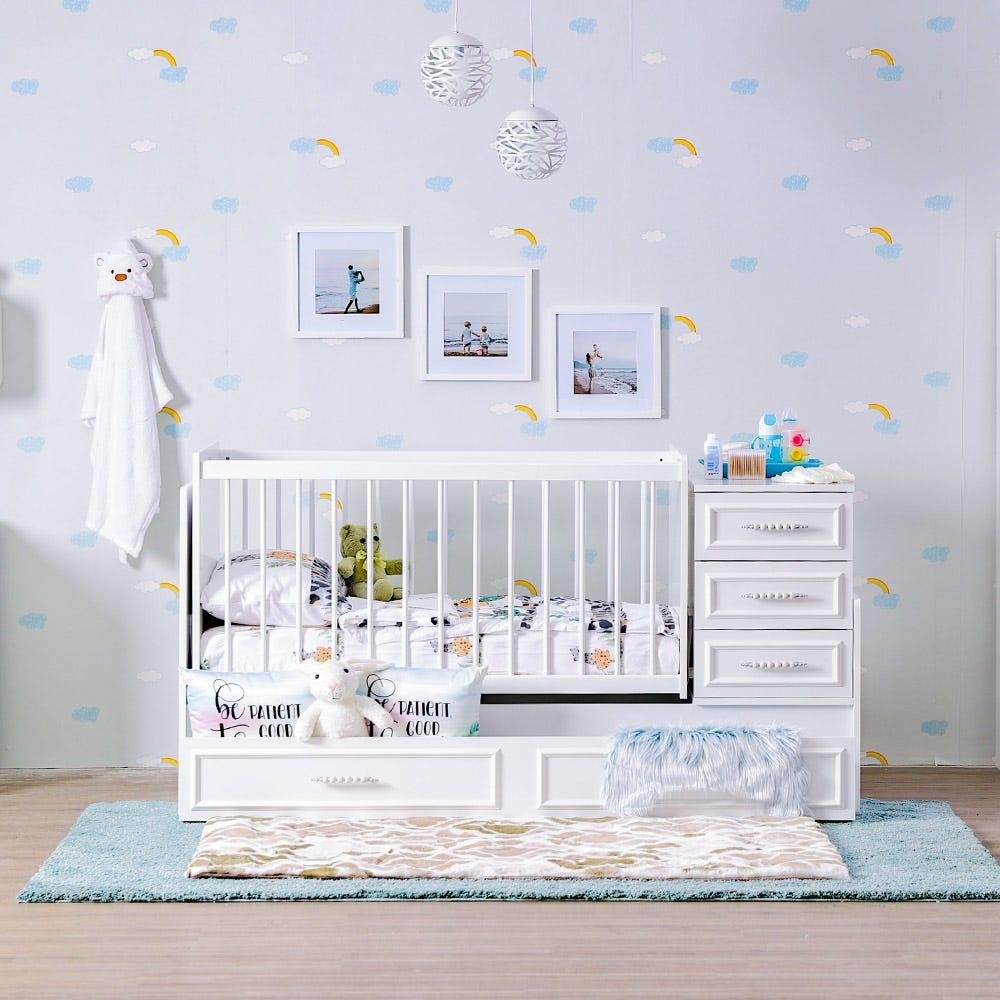
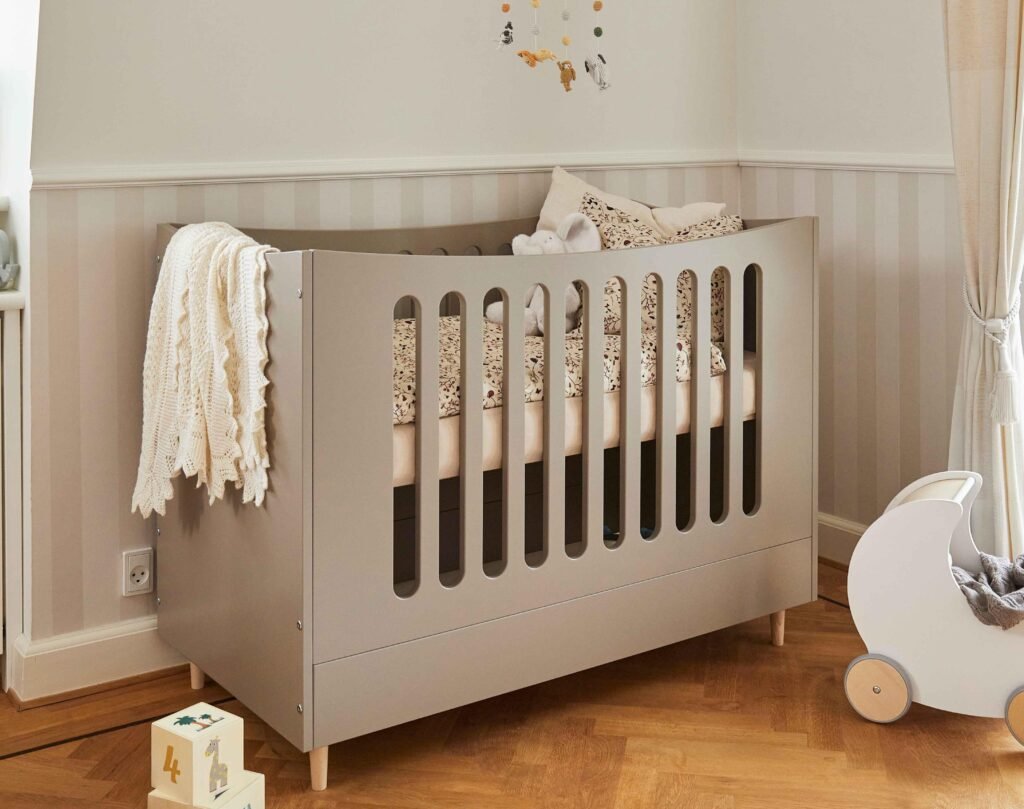
This is the crib most people picture — roughly 28 by 52 inches, with an adjustable mattress height so you can lower it as your baby starts pulling up to stand. Standard cribs typically run anywhere from $150 for a basic model to $600+ for solid wood options from brands like DaVinci or Babyletto.
Best for: Families with a dedicated nursery and no immediate plans to move. If you’ve got the floor space, this is the safe default — widely available, easy to find replacement mattresses for, and you won’t be stuck searching for hard-to-find sheet sizes.
Convertible Crib
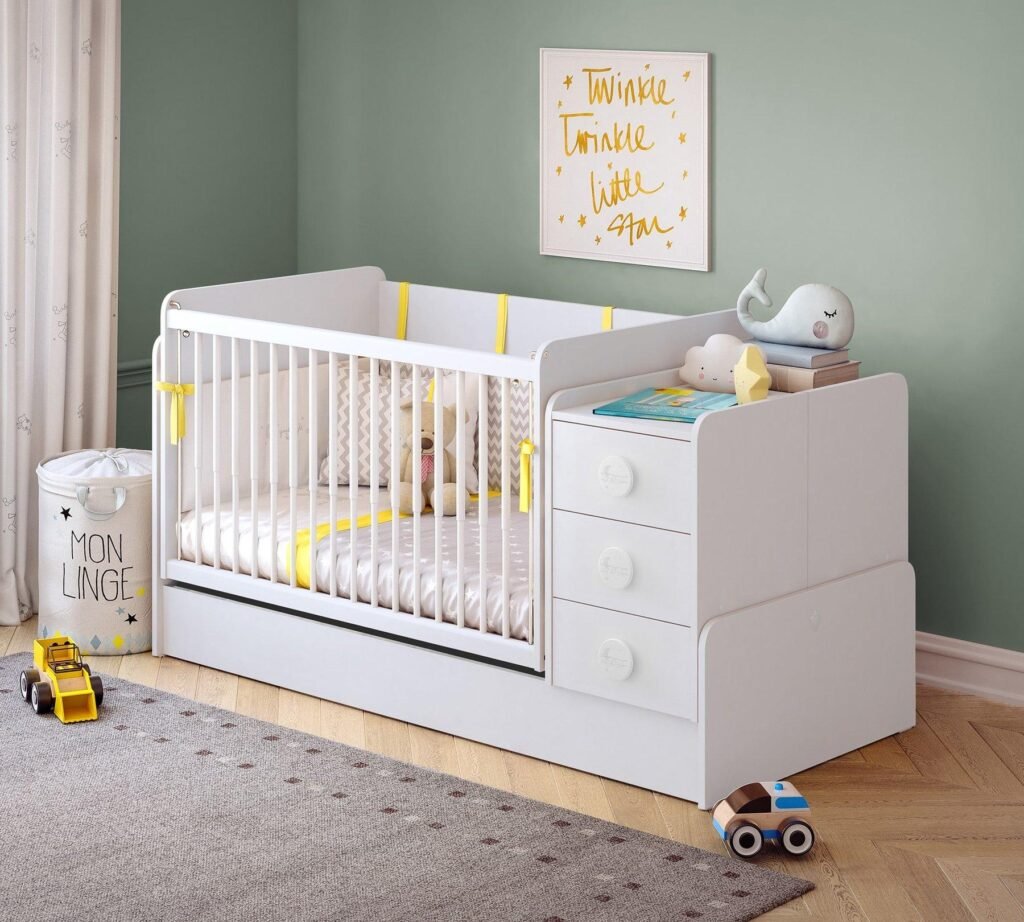
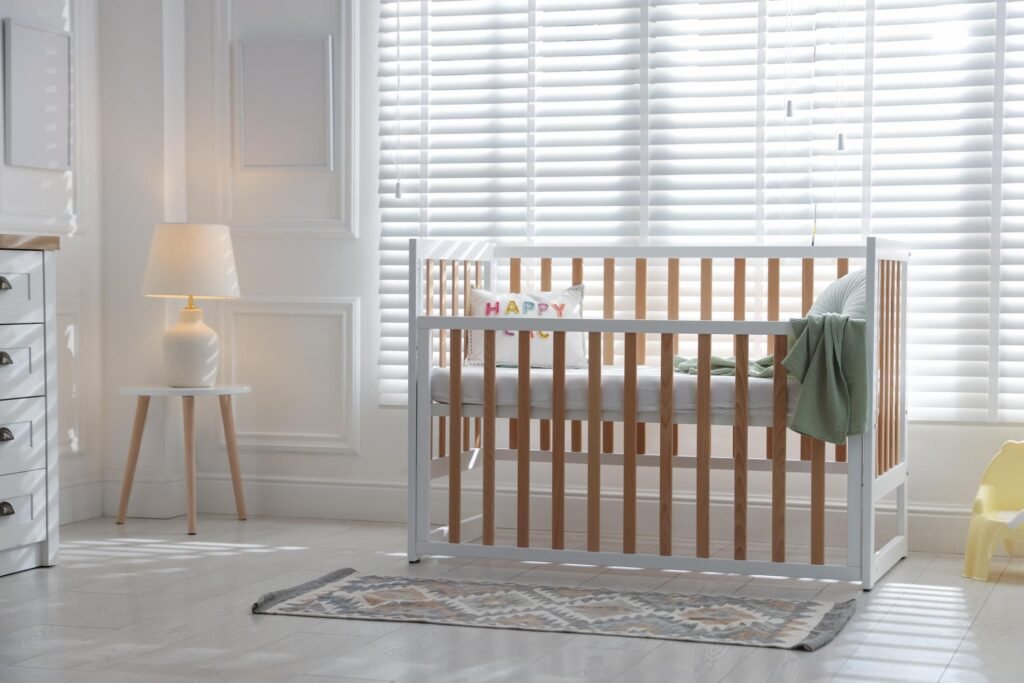
Functionally, this looks almost identical to a standard crib at first glance, but it comes with extra hardware (and sometimes a conversion kit you’ll need to buy separately) that lets it transform into a toddler bed, then a daybed, and in some cases a full headboard/footboard setup for a regular bed frame.
Prices start around $250 and can climb past $800 for the higher-end 4-in-1 or 5-in-1 versions.
Best for: Parents who want to get more years out of one piece of furniture — and honestly, if your budget allows it, this is usually the smarter long-term buy. You’re paying more upfront, but you’re not buying a separate toddler bed in 18 months. Just know that the conversion kits aren’t always included, so check that before you buy, or you’ll be stuck with a crib that “converts” in theory but not in your actual nursery.
Mini Crib
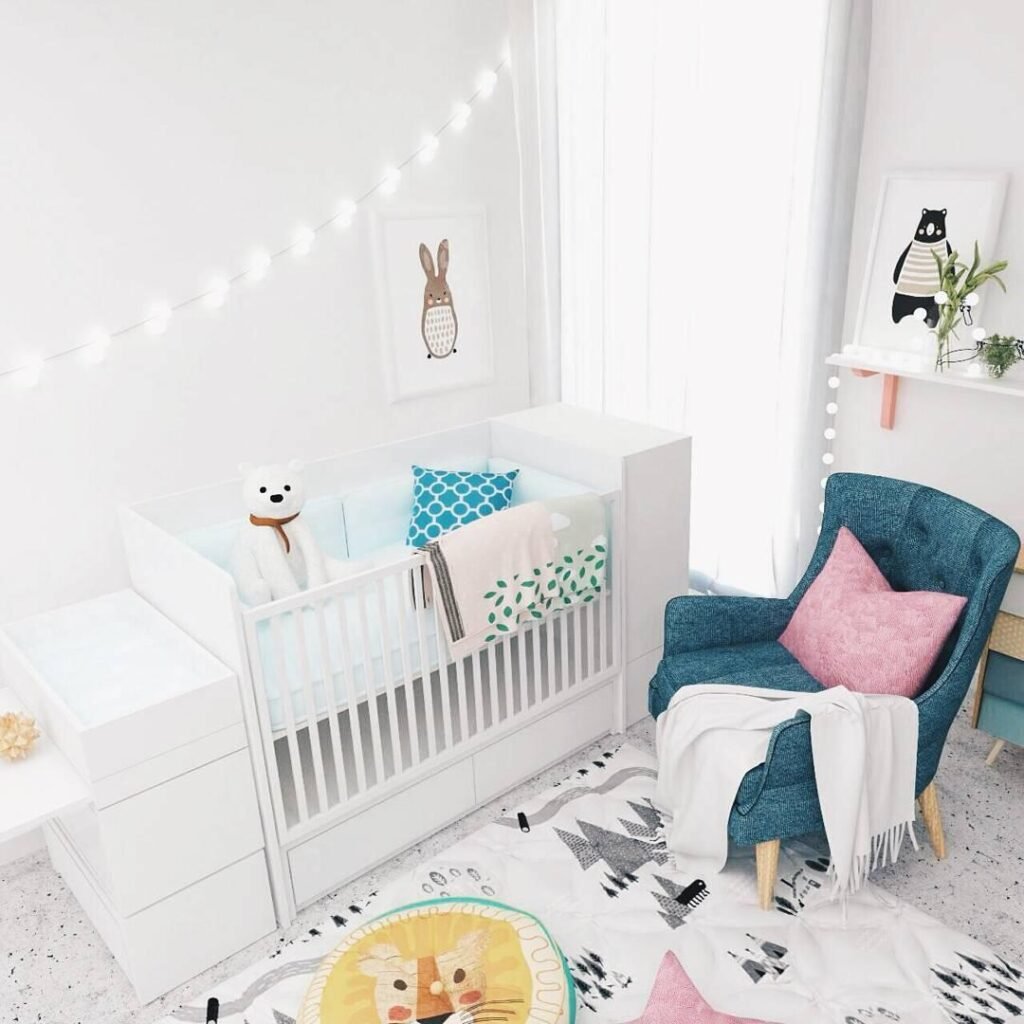
These are roughly 24 by 38 inches — noticeably smaller than a standard crib, which makes a real difference if you’re working with a small bedroom, a shared space, or city-apartment square footage. Expect to pay $150 to $400.
Best for: Small nurseries, city apartments, or anyone setting up a secondary sleep space (like a grandparent’s house). One thing worth knowing: mini cribs use a different mattress size than standard cribs, so don’t assume your standard crib sheets and mattress will fit. If you’re tight on nursery space in general, it’s worth looking at broader nursery storage ideas for small spaces before committing to layout.
Travel/Portable Crib
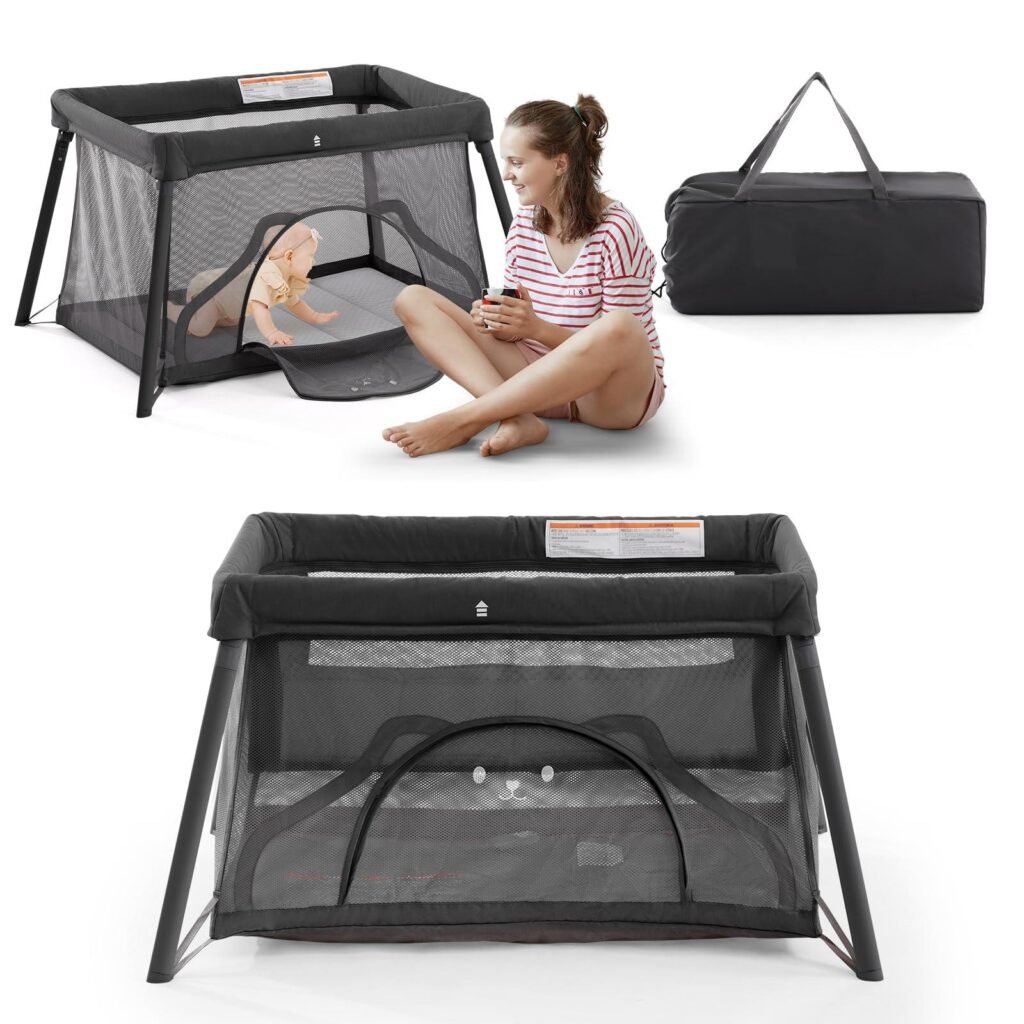
Think Pack ‘n Play style — lightweight, foldable, usually under $100 for basic models and up to $300 for ones with bassinet attachments and changing stations built in.
Best for: Travel, grandma’s house, or as a backup sleep spot. Not ideal as a primary, everyday crib for months on end — the mattresses tend to be thinner and firmness can vary more between brands, so if you’re using one as a main sleep space, double-check the mattress meets the same firmness standards as a regular crib mattress (more on that below).
Quick Comparison: Which Crib Type Should You Get?
| Type | Price Range | Lifespan | Best For |
| Standard Crib | $150–$600+ | Birth to ~3 years | Dedicated nursery, no immediate move plans |
| Convertible Crib | $250–$800+ | Birth to teen years (with conversions) | Long-term value, won’t move soon |
| Mini Crib | $150–$400 | Birth to ~2 years (smaller mattress) | Small spaces, apartments, secondary rooms |
| Travel Crib | $50–$300 | As needed | Travel, temporary use, backup sleep spot |
Crib Safety: What Actually Matters (and What’s Just Marketing)
Okay, this is the part where a lot of guides start throwing around vague phrases like “ensure it meets safety standards” without telling you what that actually means or how to check. So let’s get specific.
How do you know if a crib is safe? Here’s the real checklist:
- Slat spacing under 2 3/8 inches (about the width of a soda can) — this prevents a baby’s head or body from getting stuck between slats
- JPMA certification label — the Juvenile Products Manufacturers Association certifies that a crib meets ASTM F1169 safety standards, which cover structural integrity, slat strength, and hardware durability
- No drop-side rail — drop-side cribs were banned by the CPSC back in 2011 after they were linked to a number of suffocation and strangulation incidents when the rails detached. If you see one, even at a great price, walk away
- Firm, flat mattress that fits snugly — there shouldn’t be more than two fingers’ width of gap between the mattress edge and the crib frame
- No bumpers, pillows, blankets, or stuffed animals in the crib — this lines up with AAP safe sleep guidelines, and yes, even the “breathable mesh bumpers” that get marketed hard are generally not recommended by pediatricians for infant sleep
If you see a label referencing CPSC 16 CFR Part 1219 (for full-size cribs) or 1220 (for non-full-size/mini cribs), that’s the federal regulation the crib was tested against. It sounds bureaucratic, but it’s genuinely the thing to look for — more meaningful than any “premium” or “luxury” branding on the box.
One thing that’s more marketing than necessity: fancy finishes, “anti-tip” extra-wide bases, or built-in nightlights. Nice to have, sure, but they don’t affect whether the crib is fundamentally safe for sleep.
Is a Secondhand or Hand-Me-Down Crib Safe?
This is the question most buying guides dodge completely, and it’s honestly one of the most common situations new parents are in — whether it’s a crib from an older sibling, a thrift store find, or something from a Facebook Marketplace listing.
The honest answer: it depends, and you need to actually check, not just assume it’s fine.
Here’s what to look for before using any secondhand crib:
- Check for a recall. The CPSC website has a searchable recall database — plug in the brand and model number before anything else. This takes two minutes and can save you from a serious mistake.
- Confirm it’s not a drop-side crib. If the crib is older than about 2011 and has a side rail that slides up and down, don’t use it. Full stop.
- Inspect the hardware. Wood cribs that have been disassembled and reassembled (which most hand-me-downs have) can develop stripped screws or loose joints. If anything wobbles, tighten it — and if you can’t get it fully stable, that crib needs to be retired.
- Get a new mattress. Even if the crib frame itself is fine, mattresses degrade, and you have no way of knowing the history of a used one. A new firm crib mattress is one of the cheaper parts of nursery setup anyway, generally $50–$150.
- Skip anything missing the original assembly instructions or hardware. If pieces are missing and you’re improvising with hardware-store screws, that’s a safety compromise, not a fix.
If a hand-me-down crib checks out on all of these, there’s nothing wrong with using it — plenty of perfectly safe cribs get passed down through families for years. The savings are real (often $200+), but it’s worth the 20 minutes of checking before you put your baby in it.
Convertible Crib: Worth the Extra Cost?
Short answer: for most families, yes — but with a caveat.
The math works out like this: a basic standard crib might run you $200, and then in about 18-24 months, you’re buying a toddler bed for another $150-300. A convertible crib at $400 that includes (or has an affordable add-on) conversion kit can cover both stages, sometimes stretching all the way to a teen bed frame.
The catch is that “convertible” doesn’t always mean “everything included.” Some brands sell the crib for one price and the toddler-bed conversion rail or full-size bed frame conversion kit separately — sometimes for $50-100 more. So when you’re comparing prices, check whether the conversion hardware is bundled in, because that’s where the real value comparison happens.
If you know you’ll be moving within the next year or two, or you’re not sure this will be your last baby in this particular crib, a standard crib might honestly make more sense — convertible features matter less if the crib gets handed down or sold before your kid ever uses the “toddler bed” mode.
What to Look for When Buying (Beyond the Crib Itself)
A few practical things that get overlooked:
Assembly time and difficulty. Most convertible cribs take somewhere between 45 and 90 minutes to put together with two people, an Allen wrench (the tiny one in the box is almost always too small — keep a real one on hand), and a bit of patience. If you’re doing this solo or close to your due date, factor that in.
Adjustable mattress height settings. Look for at least 2-3 height positions. You’ll start with it high (easier on your back for newborn lifts) and lower it as your baby grows and starts pulling themselves up.
Finish and materials. JPMA GREENGUARD certification indicates the finish has been tested for low chemical emissions — worth checking if you’re sensitive to off-gassing smells from new furniture, which is genuinely a thing with some budget cribs in the first few weeks.
Replacement mattress availability. Standard cribs use a near-universal mattress size (about 27.25″ x 51.25″), but mini cribs and some European-style cribs use nonstandard sizes that can be harder to find replacements or extra sheet sets for later.
Once the crib itself is sorted, it’s worth thinking about the rest of the room setup — things like dresser placement, closet organization for those tiny clothes that multiply overnight, and general nursery storage solutions tend to matter more once the crib is actually in the room and you realize how much space it takes up.
When Should You Switch From a Crib to a Toddler Bed?
Most pediatricians and safety guides point to around 2.5 to 3 years old, or whenever your child is climbing out of the crib on their own — whichever comes first. Climbing out is actually the bigger trigger than age, since a fall from crib height onto a hard floor is the real risk you’re trying to avoid. If you’ve got an early climber on your hands at 18 months, that’s your sign, regardless of what the “ideal age” charts say.
FAQ
What’s the difference between a mini crib and a standard crib?
A mini crib is smaller (about 24″ x 38″ vs. 28″ x 52″ for standard), uses a different mattress size, and works well for small nurseries or apartments. A standard crib offers more room for your baby to grow into and is easier to find accessories for long-term.
How do I know if a crib is safe?
Check for a JPMA certification label (which confirms it meets ASTM F1169 standards), slat spacing under 2 3/8 inches, no drop-side rail, and a firm mattress that fits snugly with no more than a two-finger gap around the edges.
Are secondhand cribs safe to use?
They can be, but you need to check for recalls on the CPSC website, confirm it’s not a drop-side model, inspect all hardware for stability, and buy a new mattress regardless of the crib’s condition.
Is a convertible crib worth the extra money?
For most families, yes — it often costs less over time than buying a separate toddler bed later. Just confirm whether the conversion kit is included in the price or sold separately, since that affects the actual value comparison.
When should I switch my baby from a crib to a toddler bed?
Typically around 2.5 to 3 years old, though climbing out of the crib on their own is a stronger signal than age alone — if that’s happening early, it’s time to make the switch regardless of the calendar.
What size mattress does a crib need?
Standard cribs use a mattress around 27.25″ x 51.25″ with no more than a two-finger gap on any side. Mini cribs require a smaller, nonstandard size, so always check the manufacturer’s specs before buying sheets or a mattress separately.