Estimated reading time: 9 minutes
You’re scrolling through a furniture website, ready to finally pull the trigger on that new living room piece. One listing says “3-seater sofa.” The next one looks almost identical but it’s listed as a “couch.” Same price range. Same general vibe.
So what’s going on?
If you’ve ever stopped mid-scroll to wonder whether these two words actually mean different things — or whether someone just flipped a coin deciding what to call it — you’re not alone. This question comes up constantly, and most articles answer it with some version of “they’re basically the same thing” before moving on. Not super helpful.
Here’s the thing: there is a real difference, rooted in history and design. But there’s also a point where that difference stops mattering. Knowing both is what actually helps you make smarter decisions when you’re furnishing a room.
Let’s get into it.
The Quick Answer (For Those Who Just Want It)
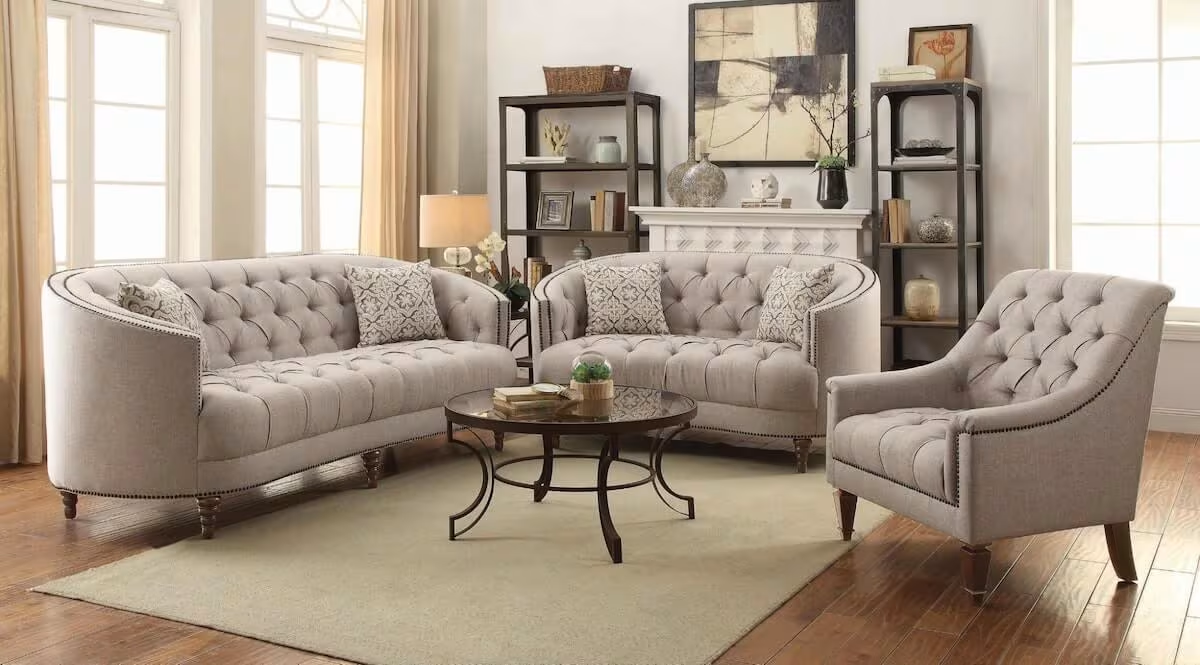
A sofa is traditionally more formal — designed for sitting upright, with clean structure and supportive cushioning. A couch is more casual — lower, softer, built for lounging and lying down.
In practice, most furniture brands and everyday people use both words for the same piece of furniture. The terms have blurred significantly over the decades. But the distinction still shows up in design philosophy, and knowing it can help you pick the right piece for your space.
Where These Words Actually Come From

This part is genuinely interesting, and not in a dry textbook way.
The word sofa traces back to the Arabic word suffah — a raised bench or platform covered in cushions that people used for sitting and sleeping. You’d find these in mosques and public spaces throughout the Arab world. When the concept traveled into European homes during the 17th and 18th centuries, the word came with it, and it eventually became the “sofa” we know today.
Couch, on the other hand, comes from the French verb coucher, which means to lie down. That’s a telling origin. From the very beginning, the word was tied to reclining, resting, being horizontal. Even the phrase “couching down” — as in lowering yourself — shares the same root.
So at their core, the sofa was about sitting up, and the couch was about lying down. That contrast still echoes in how we design and use them today.
What’s Actually Different in Design
Here’s where it gets practical.
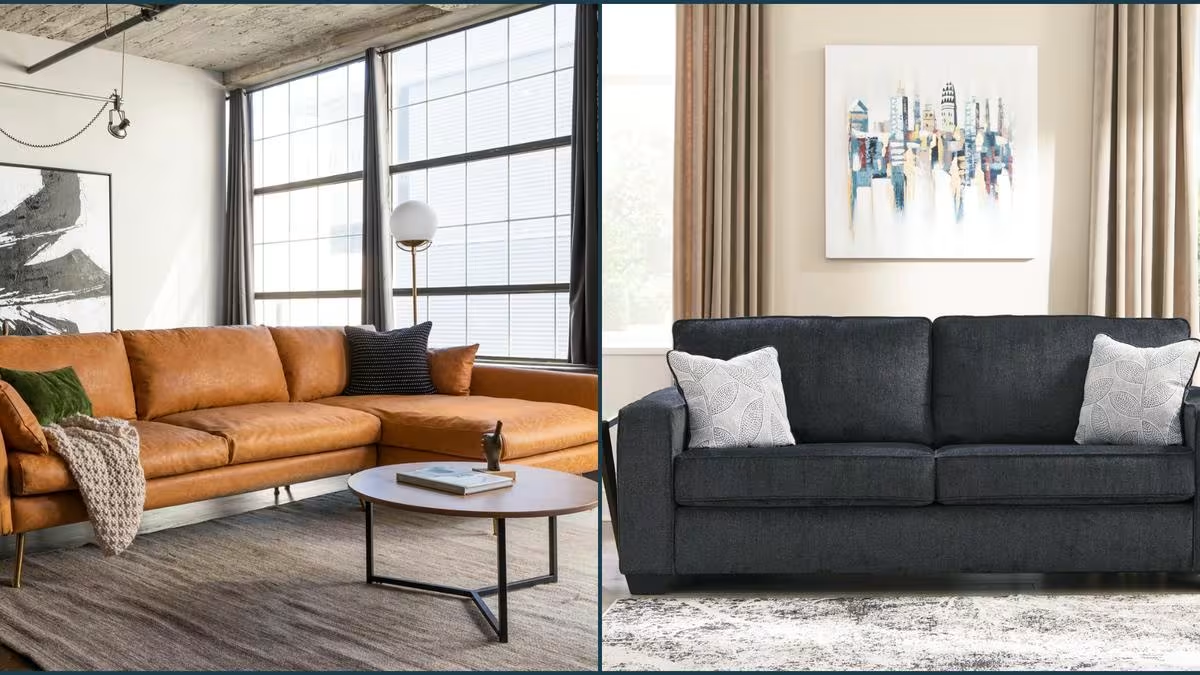
Sofas tend to have:
- A more structured frame with defined armrests
- Higher, firmer back cushions to support upright posture
- A cleaner, more tailored silhouette
- Fabric or upholstery choices that lean formal — think linen, velvet, or tightly woven textiles
They’re the kind of piece you’d put in a living room that has a clear seating arrangement. Guests sit on them. They look put-together. Interior stylists tend to reach for the word “sofa” when they’re talking about a statement piece with visual weight and structure.
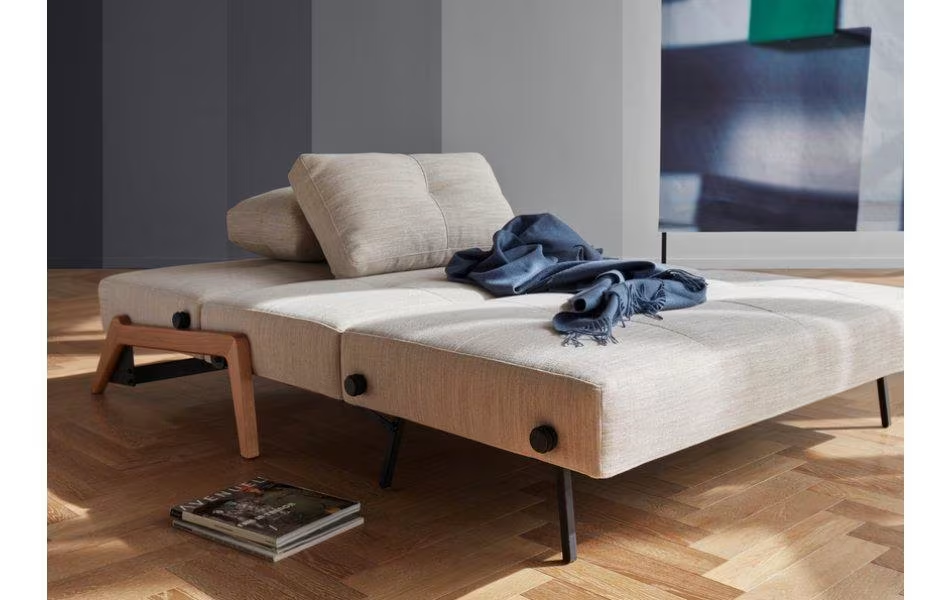
Couches tend to be:
- Lower to the ground
- Softer with deeper, more relaxed cushions
- Less structured — sometimes without armrests on one or both sides
- Built for comfort over aesthetics
This is the piece you fall into after work. The one with a throw blanket permanently draped over the armrest. The one you’ve watched approximately 400 movies on.
Of course, many modern pieces sit somewhere in the middle — structured enough to look good, comfortable enough to actually live in. That’s probably why the terms have merged so much in everyday language.
The Regional Divide: It’s Not Just Semantics
Here’s something most articles completely skip over, and it’s actually fascinating if you pay attention to it.
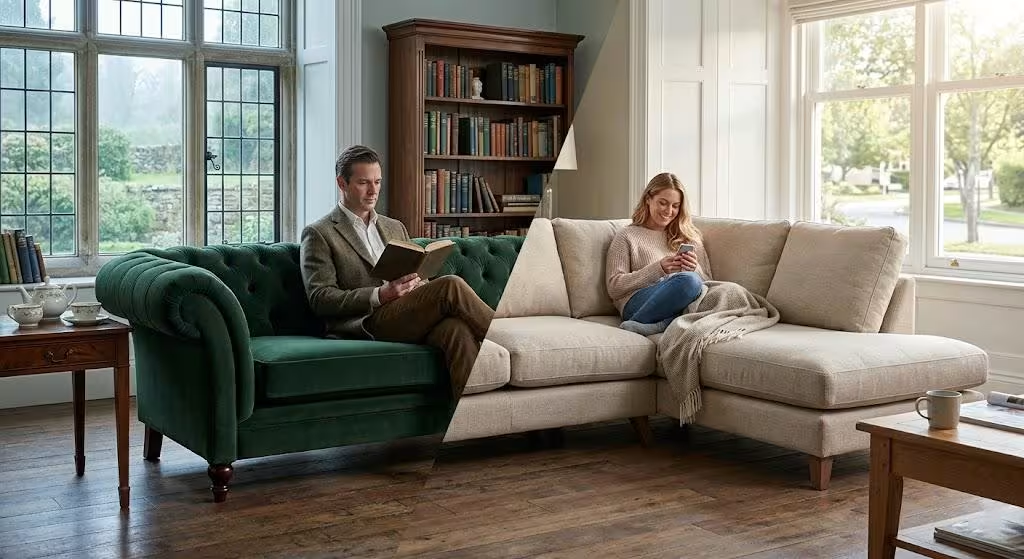
In the United States, both “couch” and “sofa” are used constantly and interchangeably. You’ll hear families say “meet me on the couch” just as naturally as “I got a new sofa.” No particular connotation either way.
In the United Kingdom, “sofa” is almost universally preferred. If you say “couch” in a British home, people know what you mean, but it sounds slightly American. The British also use the word settee — especially in older or more northern households — which refers to a similar piece but traditionally has a more upright, formal profile, closer to what the French called a canapé.
In Australia, you’ll hear “couch” quite a bit, similar to American usage, though “sofa” is common in more formal or design-oriented contexts.
None of this changes what you’re buying, but it does explain why the same piece of furniture might be labeled differently depending on where the brand originated — or where they’re trying to sell.
The Relatives: Settee, Loveseat, Davenport, and Chaise
While we’re here, it’s worth quickly clearing up the other terms that float around in furniture descriptions and leave a lot of people confused.
Settee — Historically a lighter, more upright seat for two people. In modern British English, it’s essentially a synonym for sofa. In antique furniture contexts, it refers to a specific style with wooden arms and an open back.
Loveseat — A two-seater sofa. That’s it. The name comes from the Victorian era when they were designed for two people to sit closely — sometimes face-to-face. Today they’re just a compact seating option, great for smaller living rooms or as a secondary piece. If you’re trying to figure out whether to get a loveseat or a full sofa for your space, it mostly comes down to room size and how many people you’re regularly seating.
Sectional sofa — A sofa built in multiple connected pieces, usually forming an L-shape or U-shape. Technically a sofa in design intent, but very much a couch in spirit — these things are made for maximum lounging coverage. If you’re considering one, it helps to understand the difference between a sectional and a regular sofa before committing to the footprint. And if you’re deep into the sectional rabbit hole, there’s a whole world of sectional sofa types worth exploring — from chaises to curved to modular configurations.
Chaise lounge — Literally “long chair” in French. An extended seat designed specifically for stretching out. You could argue it’s the purest form of “couch” energy — it exists entirely for reclining.
Davenport — An older American term for a large sofa, sometimes one that converts into a bed. It fell out of everyday usage but you’ll still see it in vintage furniture listings or hear it from grandparents who grew up using the word.
Does the Difference Actually Matter When You’re Shopping?
Honestly? For the most part, no — not when it comes to product listings.
Furniture retailers use “sofa” and “couch” interchangeably in their product names all the time. A brand might call the same silhouette a “sofa” in one collection and a “couch” in another without any real distinction in construction or comfort. The label alone won’t tell you whether a piece is right for you.
What does matter when shopping:
Seat depth. Deep seats are comfortable for lounging but can be awkward for shorter people who want to sit upright with their feet on the floor. Shallower seats feel more formal and structured.
Back height and firmness. High, firm backs support posture. Low, soft backs encourage you to lean back and relax. Think about how you actually use your living room.
Frame construction. Kiln-dried hardwood frames last significantly longer than softwood or particleboard. This isn’t in the product name — you have to dig into the specs or reviews.
Cushion fill. High-density foam holds its shape. Feather-down blends are cloud-soft but flatten over time and need regular fluffing. A blend of both tends to hit the sweet spot.
If you’re building out a full living room setup, it’s also worth thinking about how your seating fits into the bigger picture — like how it pairs with other furniture in a living room set versus picking pieces individually.
And if you’re working with a smaller space, don’t overlook the Japanese floor sofa — a low-profile, modular seating style that blurs every line between couch, sofa, and meditation cushion, in the best possible way.
So Which Word Should You Use?
Use whichever feels natural to you.
Seriously. If you grew up calling it a couch, keep calling it a couch. If you’ve always said sofa, that’s perfectly fine. The people at the furniture store will know exactly what you’re talking about either way. No one has ever walked into a showroom and been told, “I’m sorry, we only have sofas here.”
That said, if you’re writing about furniture, working in interior design, or trying to project a slightly more formal aesthetic, “sofa” tends to carry more weight. It sounds intentional. “Couch” sounds lived-in. Both are valid — it just depends on the vibe you’re going for.
The historical distinction is genuinely interesting to know. The design distinction is worth understanding when you’re choosing between a structured, formal piece and something you want to actually collapse into. But in day-to-day life, the two words are functionally the same.
The real takeaway? Stop sweating the label. Focus on how the piece feels, how it fits your room, and whether it’s built to last. That’s what actually matters three years from now when you’re still sitting on it.
FAQs
What is the difference between a couch and a sofa?
Historically, a sofa was designed for upright sitting and a couch was designed for lying down. Today, both words are used interchangeably in most contexts, though sofas tend to have a more formal, structured design while couches lean casual and comfort-focused.
Which is more formal — a couch or a sofa?
A sofa. The word carries slightly more formal connotations, and sofa-style designs typically feature higher backs, firmer cushions, and more tailored upholstery. If you’re furnishing a formal living room, “sofa” is the word interior designers tend to reach for.
Do British people say couch or sofa?
In the UK, “sofa” is the dominant term. “Settee” is also used, particularly in older households or northern England. “Couch” is understood but sounds more American to British ears.
Is a sectional a sofa or a couch?
Technically it’s a sofa in terms of design intent, but sectionals are built for maximum lounging, which puts them firmly in “couch” territory functionally. The label varies by brand and region.
What is a davenport?
A davenport is an older American term for a large sofa, sometimes one that converts into a bed. It’s mostly out of common usage now but still shows up in vintage furniture descriptions and antique listings.
Does the name on a furniture listing actually matter?
Not really. Furniture brands use “sofa” and “couch” interchangeably in product names all the time. Focus on seat depth, cushion fill, frame construction, and back height — those details will tell you far more about whether a piece is right for you than what it’s called.