Estimated reading time: 9 minutes
Last updated on June 23rd, 2026 at 05:52 am
You know that moment when you sit down on your couch and just… keep going? Like the cushion gave up sometime last winter and nobody told you? Yeah. That’s usually a sign you picked the wrong fill type, or the right one without knowing what you were actually buying.
I went through this myself a couple of years ago. My couch frame was still solid — no wobbling, no broken springs — but the cushions had turned into flat pancakes with a permanent dent where I always sit. I assumed I needed a whole new couch. Turns out, I just needed to understand what was inside those cushions in the first place, and what my actual options were.
So here’s the real breakdown of the main sofa cushion types, what they’re actually like to live with day to day, and how to pick one that’ll still feel good a few years from now.
Quick Answer: What Actually Determines Cushion Quality?
It mostly comes down to two things: the fill type, and — if it’s foam — the foam density. High-resilience (HR) foam at 1.8 lb density or higher will hold its shape for years of daily use. Down and fiberfill feel softer and more “sink-in,” but they need regular fluffing and tend to flatten faster. If you want low-maintenance and long-lasting, look for HR foam. If you want a plush, hotel-lobby feel and don’t mind some upkeep, down or a down-alternative blend is worth considering.
With that out of the way, here’s a closer look at each type.
1. High-Resilience (HR) Foam Cushions
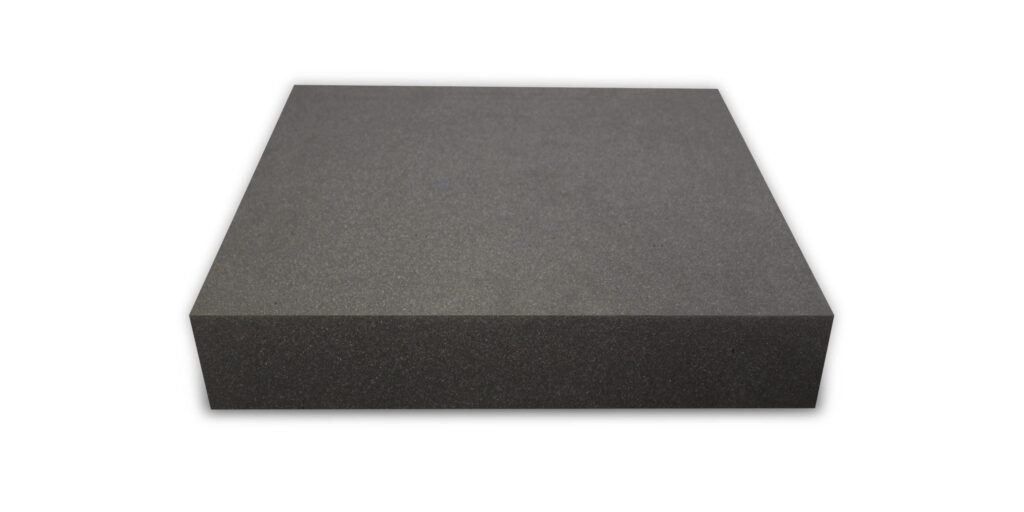
This is the gold standard for durability, and it’s what you’ll find in most quality sofas. HR foam is denser and springier than standard foam — it compresses under weight and then bounces back to its original shape, rather than slowly flattening into a permanent dent.
The number that actually matters here is foam density, measured in pounds per cubic foot. Anything below about 1.5 lb density is going to soften and sag noticeably within a year or two of regular use. Foam in the 1.8 to 2.5 lb range will typically hold up well for 7-10 years of daily sitting. Above 2.5 lb, you’re getting into premium territory — firmer, longer-lasting, but also pricier.
If you’re shopping for a new couch, asking about (or looking up) the foam density of the cushions tells you more about long-term comfort than almost anything else in the listing.
2. Standard Polyurethane Foam Cushions
This is the foam you’ll find in budget furniture — softer, lighter, and noticeably cheaper than HR foam. The trade-off is exactly what you’d expect: it compresses faster and doesn’t bounce back the same way, so you’ll start seeing those permanent “this is where I sit” impressions within a year or so of regular use.
It’s not necessarily a bad option for a guest room couch or a piece that won’t see daily use, but for your main sofa, it’s usually the first thing to go flat — and often the reason people think their whole couch needs replacing when really it’s just the cushions.
3. Down-Filled Cushions

Down cushions are filled with the soft under-feathers of ducks or geese, and they’re genuinely luxurious to sit on — soft, conforming, the kind of cushion that makes a couch look effortlessly inviting.
Here’s the honest part: down cushions need fluffing. Like, regularly. Without a foam core to hold their shape, they’ll look flat and lumpy within days if nobody’s plumping them back up. If you’re someone who’ll actually do that daily fluffing routine (or doesn’t mind a slightly lived-in look), down can be wonderful. If you want something that looks the same on day 100 as day 1 with zero effort, this isn’t it.
A lot of higher-end sofas use a hybrid approach — a firm foam core wrapped in a layer of down or feathers — which gives you the supportive shape-holding of foam with some of that soft, sink-in feel on top. If you love the look of down but worry about the maintenance, this hybrid construction is worth specifically asking about.
4. Fiberfill (Polyester Fill) Cushions
Fiberfill is the budget-friendly middle ground — lightweight, hypoallergenic, and noticeably cheaper than down. It’s commonly used in throw pillows and in some lower-cost sofa cushions.
It’s softer than foam but doesn’t have the same luxurious feel as down, and it tends to clump and flatten over time, especially in spots that get sat on often. For a main couch that sees daily use, fiberfill alone usually isn’t the most durable choice — but it works well for accent cushions or pieces that aren’t your primary seating.
5. Memory Foam Cushions
Memory foam has made its way from mattresses into couch cushions, and it does what you’d expect — it slowly molds to your body shape and then returns to its original form once you get up.

It’s genuinely comfortable, especially for people who spend a lot of time sitting (working from the couch, for example), but it can run warm, since memory foam tends to trap heat more than other foam types. It’s also typically denser and heavier than HR foam, which can make cushions feel like more of a production to lift and flip.
If you go this route, look for memory foam blended with a more breathable foam layer underneath — pure memory foam cushions can feel a bit too heavy and warm for some people’s taste.
6. Down-Alternative (Synthetic Down) Cushions
This one’s worth knowing about if you love the look and feel of down but don’t want the feather-fluffing routine — or if allergies are a concern, since real down can be an issue for some people.
Down-alternative fill is made from synthetic fibers designed to mimic down’s softness and loft. It holds its shape a bit better than real down without daily fluffing, and it’s machine-washable in many cases, which down generally isn’t. It’s not quite as plush as the real thing, but for most people the difference is pretty minor — and for anyone with allergies, it’s the more practical choice by a wide margin.
7. Replacement Foam Inserts (For Couches You Already Own)
This isn’t really a “type” in the same sense as the others, but it deserves its own spot because it’s the option most articles never mention — and it’s the one that actually solved my flat-cushion problem.
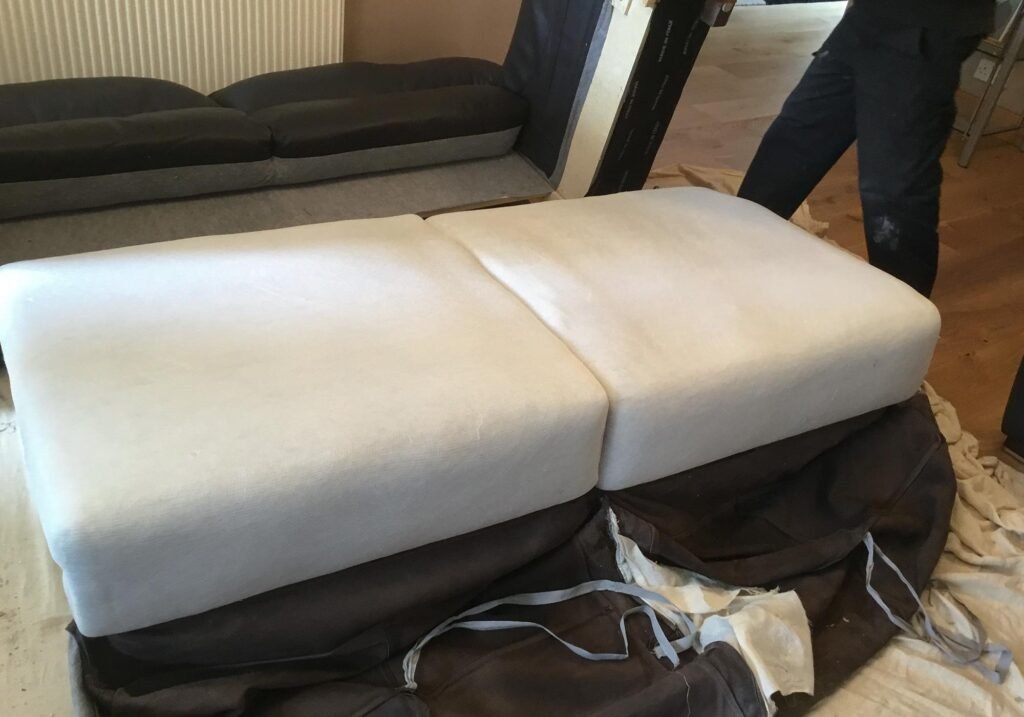
If your couch frame is solid and the only issue is that the cushions have gone flat, you can often replace just the foam inserts rather than the whole couch. The process involves measuring your existing cushion covers (or the cushion cavity itself) and ordering custom-cut high-resilience foam in those dimensions — most foam suppliers will cut to size for a relatively small fee. If your cushion covers are removable, you simply swap the old foam for the new and you’re done. If the covers are sewn shut, you may need a basic sewing fix or a local upholsterer to re-close them.
I did this with my own couch for a fraction of what a replacement sofa would’ve cost, and the difference was honestly dramatic — it felt like a brand new couch without the brand new couch price tag.
Choosing Cushions for Pets and Kids
If your household includes dogs, cats, or kids who treat the couch like a trampoline, a couple of things matter more than usual.
For fill, HR foam at the higher end of the density range (2.0+ lb) holds up best against the extra wear and tear of jumping, scratching, and general daily abuse. Down and fiberfill, while comfortable, tend to flatten faster under that kind of use.
For fabric, performance fabrics — often labeled as stain-resistant or easy-clean — are worth the slight premium. Microfiber and tightly woven synthetic blends generally resist claws and spills better than natural fibers like linen or unprotected cotton. And if covers are removable and machine-washable, that alone can save you a lot of frustration down the line, regardless of what’s inside.
How Long Should Couch Cushions Actually Last?
Here’s a realistic breakdown by fill type:
| Fill Type | Typical Lifespan (Daily Use) | Maintenance |
| HR Foam (1.8+ lb density) | 7-10 years | Low — occasional flipping/rotating |
| Standard Foam | 1-3 years | Low, but flattens faster |
| Down-Filled | 3-5 years (with regular fluffing) | High — daily fluffing |
| Fiberfill | 1-3 years | Low |
| Memory Foam | 5-8 years | Low |
| Down-Alternative | 3-5 years | Moderate |
If your cushions are falling well short of these ranges, it’s often a sign of low foam density rather than just “normal wear” — and that’s exactly the kind of situation where replacing just the foam insert can make sense before considering a whole new couch.
If you’re in the market for a new sofa altogether, our sofa buying guide covers what else to look for beyond the cushions — frame construction, upholstery, and overall build quality. And if stains or spills are part of your daily reality, our upholstery cleaning guide pairs well with whatever fill type you end up choosing. For pet owners specifically, our pet-friendly furniture roundup digs deeper into fabric choices that hold up to claws and accidents.
FAQ
How often should couch cushions be replaced?
It depends on the fill type, but as a general guide, high-resilience foam cushions can last 7-10 years with daily use, while standard foam, fiberfill, or down cushions often need attention within 1-5 years. If your cushions are sagging significantly sooner than that, it’s usually a sign of low foam density rather than something you did wrong.
Can you replace just the foam in couch cushions?
Yes, in most cases. If your couch frame is in good shape but the cushions have gone flat, you can measure the cushion cavity or existing covers and order custom-cut high-resilience foam to replace just the insert. Removable covers make this especially easy — sewn covers may need a quick sewing fix or an upholsterer.
What foam density is best for couch cushions?
For a main sofa used daily, look for high-resilience foam in the 1.8 to 2.5 lb density range, which typically holds its shape for 7-10 years. Anything below 1.5 lb density tends to sag noticeably within a year or two.
Are feather or down cushions worth the maintenance?
If you genuinely enjoy a soft, plush feel and don’t mind fluffing them regularly (ideally daily), down cushions can be worth it. If you want something that looks consistent with little effort, a foam or down-alternative option will likely suit you better.
What’s the best couch cushion fabric for pets?
Performance fabrics like microfiber or tightly woven synthetic blends tend to resist claws and stains better than natural fibers like linen. Removable, machine-