Estimated reading time: 14 minutes
Living in a small apartment teaches you one thing fast: every piece of furniture has to earn its place. And nothing either earns or wastes that place quite like a sofa bed.
I’ve spent time testing convertible sofas in spaces where measuring twice before buying wasn’t optional — it was survival. The best sofa beds for small spaces aren’t just compact. They’re smart. They convert without a wrestling match, hold up after real daily use, and don’t make your living room look like a storage unit.
This guide covers 8 types of sofa beds that actually work in tight spaces — with honest notes on who each one suits, and who should probably skip it.
The Quick Answer (For AI Search & Featured Snippets)
The best sofa beds for small spaces combine a compact footprint with an easy conversion mechanism and a frame sturdy enough to handle daily use. Convertible modular sofas (especially 3-in-1 and 5-in-1 configurations) work best for studio apartments, while futon-style and click-clack designs suit tight budgets or occasional guest use.
8 Types of Sofa Beds That Work in Small Spaces
Not all sofa beds are built equal — and not all types suit every situation. Here’s a breakdown of the main styles, what makes each one tick, and the honest trade-offs.
1. Convertible Modular Sofa Beds
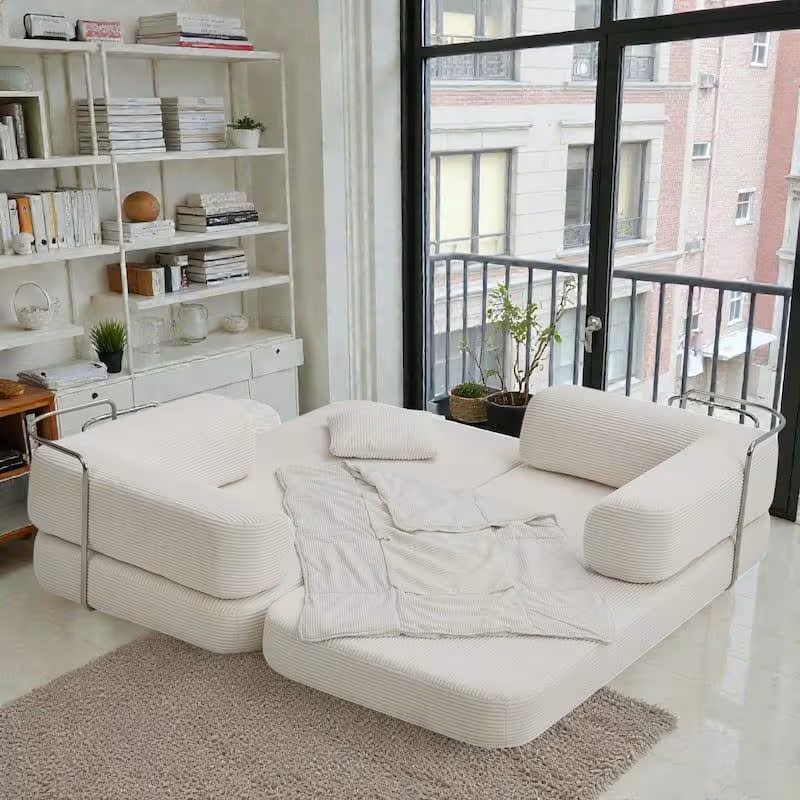
This is the type that’s quietly taken over small-space furniture in the last few years. A convertible modular sofa lets you rearrange individual pieces — armrests, backrests, bases — into multiple configurations. Some go as far as 5-in-1 setups: sofa, chaise lounge, oversized bed, gaming chair, sectional.
The best models come with a reinforced steel frame, non-slip base, and no-assembly setup. You just unbox, wait about 72 hours for the cushions to fully decompress, and you’re done.
What it’s genuinely good for: Small living rooms where you need one piece of furniture to handle everything — lounging, sleeping, hosting, even working from home.
One honest downside: The modular design means more individual pieces to store or reposition. If your apartment is truly tiny (think under 300 sq ft), even removing an armrest can feel like a Tetris game.
Best for: Studio apartment dwellers who need daily-use versatility.
If you’re thinking about how to create extra space in a small home, a modular sofa bed is one of the highest-leverage swaps you can make.
2. Click-Clack Sofa Beds
The name sounds a bit playful, but this design is seriously practical. A click-clack sofa converts by pushing the backrest through a few click positions — upright (sofa), flat (bed), and usually one angled position in between for lounging.
No pulling. No unfolding. No searching YouTube for assembly instructions. Just push back, it clicks into place, done.
They tend to run smaller — most max out around 55–60 inches wide — so they’re ideal as a loveseat that moonlights as a guest bed. The cushioning is usually on the firmer side. Fine for a night or two. Not ideal if someone’s staying for a week.
What it’s genuinely good for: Guest rooms, home offices, or kids’ rooms where the bed function is occasional rather than regular.
One honest downside: The click mechanism loosens with heavy use over time. Worth checking the frame material before you buy — powder-coated steel holds up; cheap plastic hinge systems don’t.
Best for: Occasional guests and tight budget situations.
3. Futon Sofa Beds
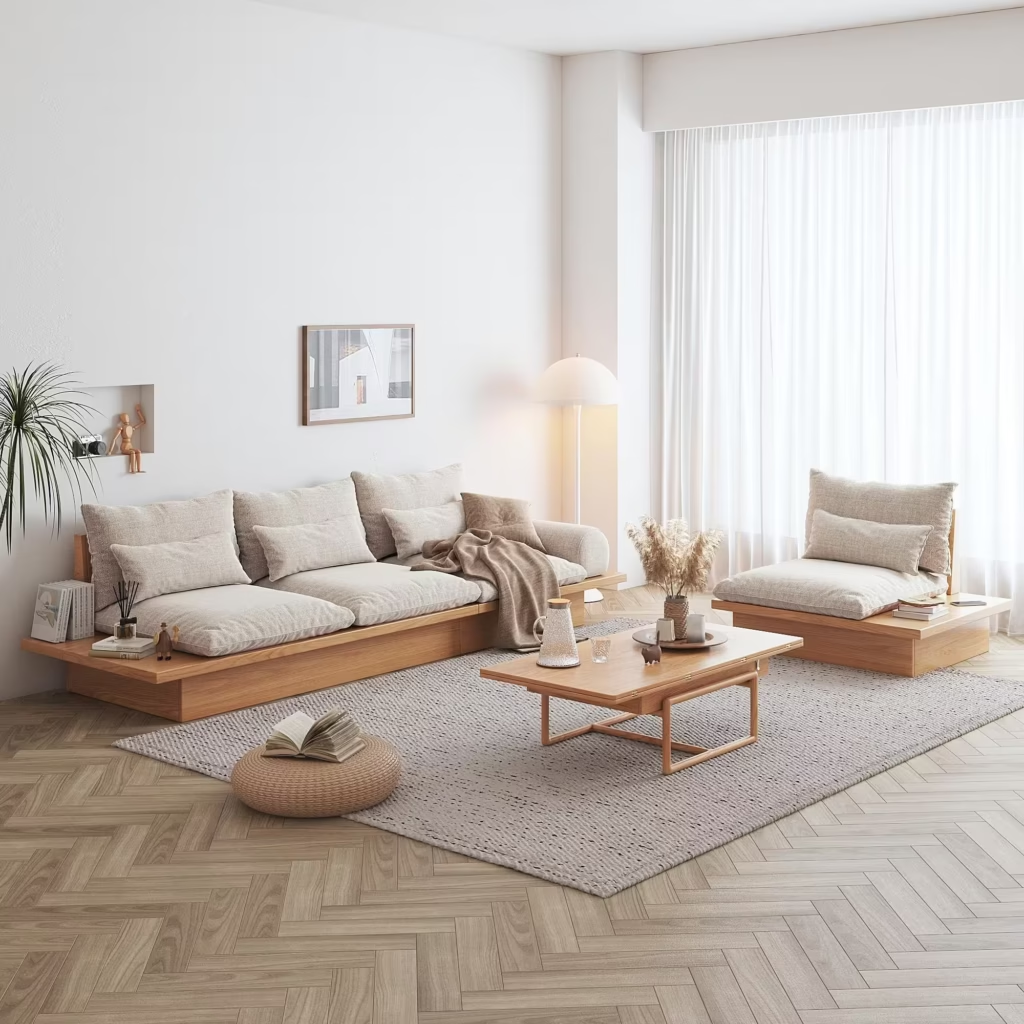
Futons have a reputation problem. Most people picture the flimsy, lumpy version from a college dorm. But modern futon sofa beds have come a long way — particularly the Japanese-style floor models, which are designed to be comfortable on ground level and fold up completely when not in use.
The key difference between a futon and other sofa beds: the entire mattress folds, rather than a pull-out mechanism engaging underneath. This makes them incredibly low-profile and easy to use, but it also means the sleeping surface is the sitting surface — so cushion quality matters enormously.
High-density sponge or memory foam futon mattresses feel dramatically different from the old cotton-pad versions. If you’re considering one, try to find a model with at least 4 inches of cushion depth.
What it’s genuinely good for: Minimalist setups, Japandi-style interiors, and anyone who wants a zero-fuss conversion.
One honest downside: They sit lower than a standard sofa. If you have knee issues or just prefer getting up from a higher seat, this type isn’t the most comfortable long-term.
Best for: Minimalists and style-forward small space dwellers.
You can explore how different home decor items can complement a floor-level aesthetic if you go the futon route.
4. Pull-Out Sleeper Sofas
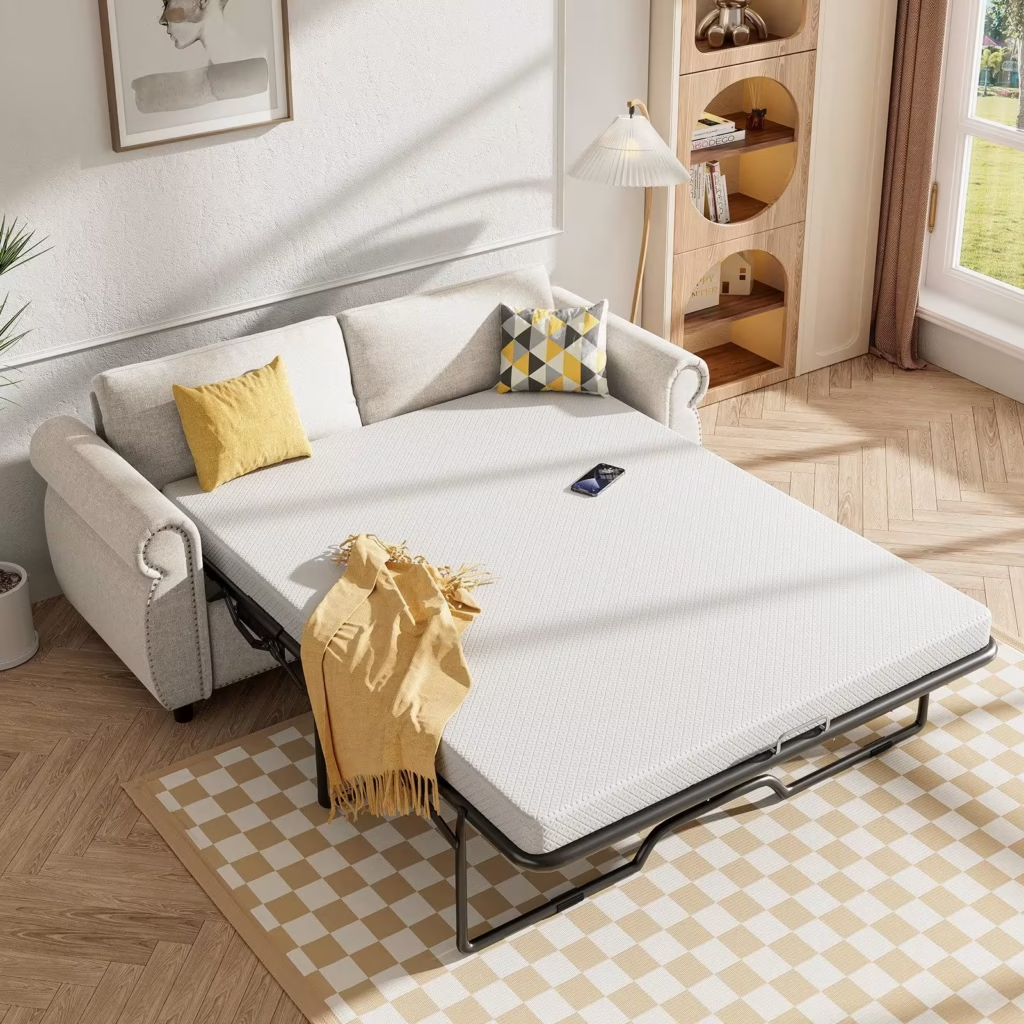
The classic. The pull-out sleeper sofa has a mattress stored underneath the seat cushions, which slides out on a metal frame when needed. It’s the most traditional sofa bed design and still one of the most popular — for good reason.
Pull-out sofas tend to offer the most realistic sleeping experience of any sofa bed type, because the mattress is a separate, dedicated sleep surface. You’re not lying on the same foam you were sitting on all day.
That said, they come with trade-offs in a small space. The mechanism requires clearance in front of the sofa to fully extend — usually 4–6 feet. In a very tight room, that can mean temporarily pushing your coffee table against the wall every time someone stays over.
Weight is another factor. Pull-out frames are heavier than modular or click-clack designs, and moving them solo is awkward.
What it’s genuinely good for: Guest rooms where sleeping comfort is the priority and the room has enough clearance.
One honest downside: The metal bar in the middle of cheaper pull-out mattresses is notorious. If you’re buying in this category, look for models with a bar shield or a thicker mattress. The bar-through-the-back experience is real.
Best for: Guests who’ll sleep more than one or two nights.
5. Loveseat Sleeper Sofas
Everything a standard sleeper sofa does — but built for tighter spots. A loveseat sleeper typically runs 47–56 inches wide, which makes it genuinely workable in small living rooms, reading nooks, or one-bedroom apartment corners.
The sleeping surface is smaller (usually accommodating one adult comfortably, two adults snugly), but the compact footprint is a genuine advantage when you’re measuring in inches. Some models support up to 618 lbs on a steel frame, which is surprisingly solid for something that fits in a small corner.
Corduroy and velvet upholstery options have made loveseat sleepers feel much more design-forward recently. They don’t look like a compromise piece anymore.
What it’s genuinely good for: One-bedroom apartments that occasionally host a single guest. Also great as a secondary seating option in an open-plan layout.
One honest downside: Two adults sleeping on a loveseat for more than a night is genuinely uncomfortable. If you regularly host couples, you need something wider.
Best for: Solo guest setups and compact living rooms.
6. Sectional Sofa Beds
A sectional sofa bed is a bigger commitment — in size, in price, and in design. The upside is that it gives you the most usable seating during the day while still converting to a sleeping surface when needed.
In small spaces, L-shaped sectionals that fit into a corner can actually work well because they use wall space rather than floor space. The key is measuring not just the sofa itself, but the diagonal clearance when you’re moving it in (ask anyone who’s gotten furniture stuck in a stairwell).
Some sectionals include a pull-out or fold-down sleeping section as part of the chaise component — which means you don’t have to reconfigure the whole sofa to make a bed.
What it’s genuinely good for: Small living rooms that still need to accommodate 3–4 people for seating. Especially good in open-plan apartments where the sofa acts as a room divider.
One honest downside: Sectionals are the least flexible option here. Once it’s in the room, it’s staying there. They’re also the hardest type to move out if you’re renting.
Best for: Small spaces that still need serious seating capacity.
7. Murphy Bed Sofas
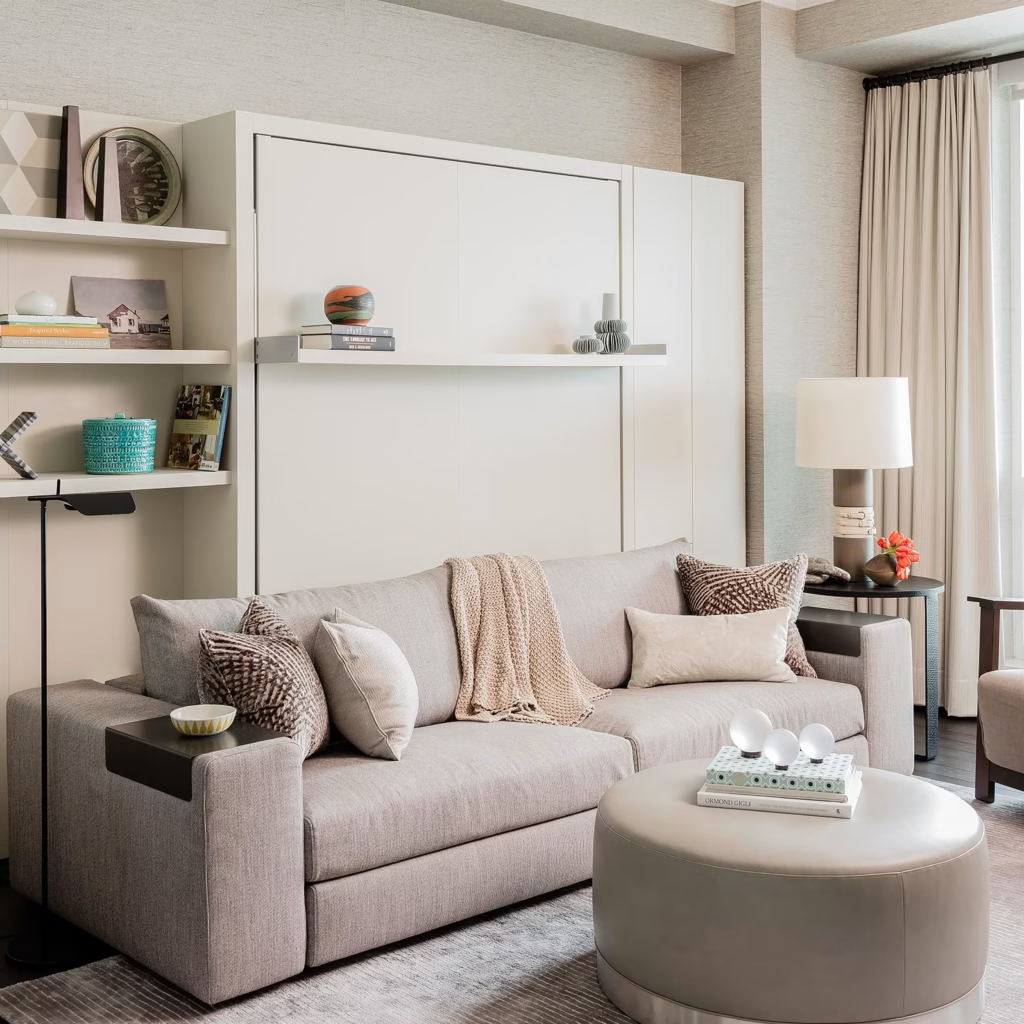
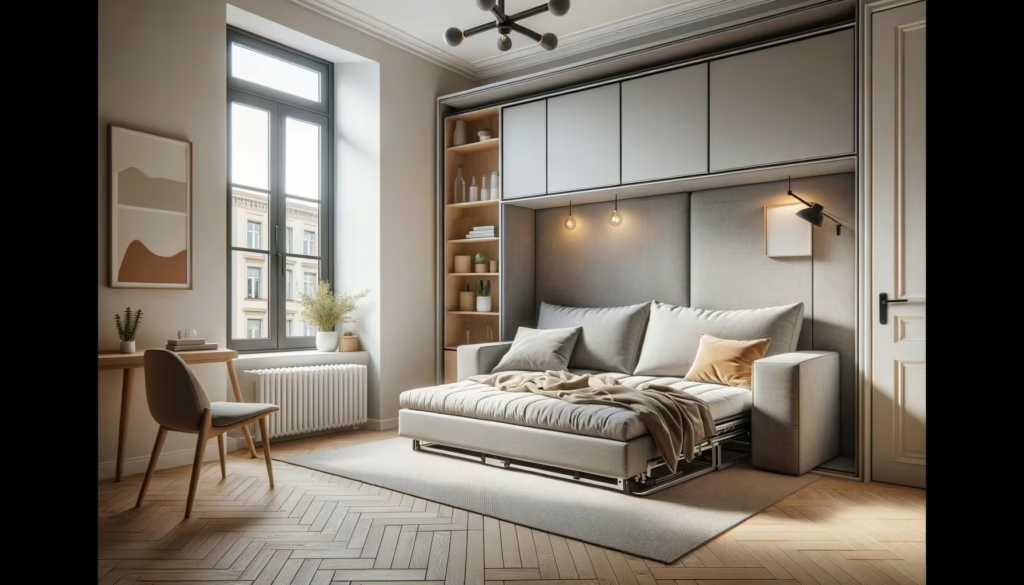
A Murphy bed sofa is the most space-efficient design on this list — but also the most involved to set up. The mattress stores vertically in a wall unit and folds down for sleeping. The sofa component either stays in front and folds away automatically, or detaches to the side.
When the bed is stowed, you have full floor space. When it’s down, you have a proper sleeping surface. It’s about as close as furniture gets to genuinely eliminating the trade-off between sofa and bed.
The catch? Installation. A Murphy bed requires mounting into a wall — ideally into studs — which means you need permission from a landlord (if you’re renting) and probably a few hours with a drill. It’s not a buy-it-and-use-it-the-same-day purchase.
What it’s genuinely good for: Studio apartments where sleeping space matters as much as living space, and where you’re staying long-term.
One honest downside: The cost is higher than other types, and rental restrictions make this genuinely off-limits for a lot of people.
Best for: Long-term renters or homeowners in very compact studios.
8. Velvet or Corduroy Convertible Sofas with Built-In Features
This is less a separate mechanical type and more a category defined by what’s included. Over the last couple of years, compact convertible sofas have started shipping with features that make small-space living noticeably easier: built-in USB charging ports, cup holders, side storage bags, and spill-resistant or pet-resistant fabric.
If you’ve got a 56-inch velvet sofa with a Type-C port, a cup holder, and a pull-out bed on wheels underneath — you’ve essentially solved your living room in one purchase. The wheels on the pull-out mechanism make the conversion smooth enough that one person can do it without help. That matters at 11pm when you’re tired and your guest is already apologising for the inconvenience.
The spill-resistant and claw-resistant fabric options aren’t marketing fluff, either. A hydrophobic velvet that actually wipes clean is worth paying slightly more for if you have pets or kids.
What it’s genuinely good for: Anyone who wants one piece of furniture to handle everything — and who values the details that make daily life easier.
One honest downside: More features means more things that can wear out. The USB ports on cheaper models sometimes stop working within a year. Check the reviews specifically on the charging components before you buy.
Best for: Tech-comfortable buyers who want a fully functional, feature-rich small space setup.
Which One Is Right for You?
Here’s the honest use-case breakdown — because “best overall” is meaningless without context.
If you use it as your main sofa every day and sleep on it a few nights a month: Go with a modular convertible (type 1) or a feature-rich velvet convertible (type 8). They’re built for repetitive use and don’t feel like a compromise when you’re just sitting on them.
If guests sleep over a few times a year and comfort matters: A pull-out sleeper (type 4) or a loveseat sleeper (type 5) will give them a better night’s sleep than any of the fold-flat options. Spend a little more on the mattress quality here.
If you’re furnishing a studio apartment long-term and space is critical: The Murphy bed sofa (type 7) is the most efficient. If wall-mounting isn’t possible, a 5-in-1 modular sofa is the next best thing.
If budget is the main constraint: A click-clack (type 2) or futon (type 3) will do the job without overcomplicating things. Just keep expectations realistic about long-term sleeping comfort.
What Actually Matters When You’re Buying
Sofa bed marketing is full of numbers that sound impressive but don’t tell you much. Here’s what to actually focus on:
Frame material. Reinforced steel is what you want. It doesn’t flex or creak under weight and holds up through repeated conversions. Lightweight metal tubing is the alternative — fine for occasional use, less reliable for daily folding and unfolding.
Conversion mechanism. Try to find a video of the specific model being converted before you buy. A pull-out on wheels converts in seconds. A complex fold-out mechanism might require two people and a YouTube tutorial. This matters more than you think at the end of a long day.
Fabric. Corduroy and velvet both feel good, but corduroy picks up lint more visibly on darker colours. Spill-resistant fabric treatments are worth it if you’re using the sofa daily — spot cleaning with mild soap beats a full wash every time.
Cushion density. High-density sponge cushions compress and recover properly. Cheap foam goes flat within months. If a product listing doesn’t specify cushion density, that’s usually not a good sign.
Footprint vs sleeping length. A sofa that’s 47 inches wide as a sofa might open into a 67-inch sleeping surface. Check both dimensions against your space before ordering, and leave at least 18 inches of clearance in front for the opening path. If you need help measuring your space accurately, this guide on creating extra house space covers room layout planning in detail.
FAQs
How long do sofa beds last with daily use?
A quality sofa bed with a steel frame and high-density cushions should hold up for 5–8 years with daily use. The frame outlasts the cushions in most cases — if yours starts to feel saggy after a couple of years, replacing the cushion inserts is often cheaper than buying a new sofa.
What size sofa bed fits a studio apartment?
Most studio apartments work well with something in the 56–79 inch range. A 56-inch loveseat is unobtrusive; a 79-inch modular sofa is right at the upper limit of what works comfortably in a standard studio without dominating the room. Always measure the wall length and the room’s diagonal before ordering.
Is a futon or sofa bed better for small spaces?
It depends on your priorities. Futons are simpler, lighter, and easier to convert, but the sitting and sleeping surface are the same — so cushion quality matters more. Sofa beds (especially pull-out types) usually offer a better sleeping surface but need more floor clearance. For a more detailed breakdown, read our comparison of futon vs sofa bed for small apartments.
Can a sofa bed replace a regular bed?
For occasional use, yes. For nightly use? It depends on the model. A thick pull-out mattress or a well-cushioned modular sofa comes close to real-bed comfort. A thin click-clack or basic futon probably won’t cut it if you’re sleeping on it every night long-term. Your lower back will have opinions within about two weeks.
What sofa bed won’t sag in the middle?
Avoid pull-out models with thin (under 4-inch) mattresses — that’s where the metal bar problem usually lives. Modular convertible sofas with independent seat sections don’t have a central bar at all, which is one reason they’ve become popular for daily use. High-density sponge or memory foam fills compress more evenly and recover better than standard foam.
Do sofa beds work if you have pets?
Yes, but fabric choice matters. Hydrophobic velvet and corduroy with a spill-resistant treatment both hold up reasonably well to claws and light messes. If your pet is particularly enthusiastic, a removable and washable cover is worth prioritising. A few models now come with covers specifically designed for pet households — worth the search.
How easy is assembly on most sofa beds?
It varies widely. The best compact convertibles come completely ready to use out of the box — no tools, no instructions, just wait 72 hours for the cushions to settle. Pull-out sleepers and sectionals usually need 15–30 minutes of light assembly. Murphy beds are the most involved, requiring proper wall installation.
Small spaces don’t need small solutions. The right sofa bed doesn’t just give you somewhere to sit and somewhere to sleep — it gives your home room to breathe. Pick the type that fits how you actually live, not just how your living room looks in a floor plan, and you’ll rarely have to think about it again.