
Estimated reading time: 10 minutes
If your kitchen is open to your living room — or you have kids who go to bed before 9pm — the wrong dishwasher turns every evening cycle into a background annoyance you’ll spend years regretting.
Frigidaire vs Whirlpool is one of those comparisons that sounds simple on the surface. Both are well-known brands. Both clean dishes. Both have been in American homes for decades. But once you dig past the marketing language, the differences between them are real, specific, and genuinely matter depending on how you use your kitchen.
Here’s the short answer: Frigidaire is the better pick for budget buyers who prioritize straightforward cleaning performance. Whirlpool is worth the extra spend if noise, rack flexibility, or long-term reliability rank high on your list. That’s not a cop-out — it’s a real distinction. The rest of this article will show you exactly where those differences show up and which one fits your specific situation.
Frigidaire vs Whirlpool: A Quick Side-by-Side
Before getting into the detail, here’s where each brand actually stands:
| Feature | Frigidaire | Whirlpool |
| Typical Price Range | $400–$750 | $500–$1,200+ |
| Noise Level | ~50–54 dBA | ~41–50 dBA |
| Cleaning System | OrbitClean wash system | TotalCoverage spray arms + Sensor Cycle |
| Rack Flexibility | Basic, functional | More adjustable, third rack on some models |
| Smart Home Integration | Limited | Available on higher-end models |
| Reliability | Solid mid-range, weaker entry-level | Generally stronger long-term |
| Energy Star Options | Yes | Yes, more widely available |
| Estimated Lifespan | ~10 years | ~10 years |
Cleaning Performance — Does Either Brand Actually Clean Better?
Honestly? At the mid-range price point, not by much.
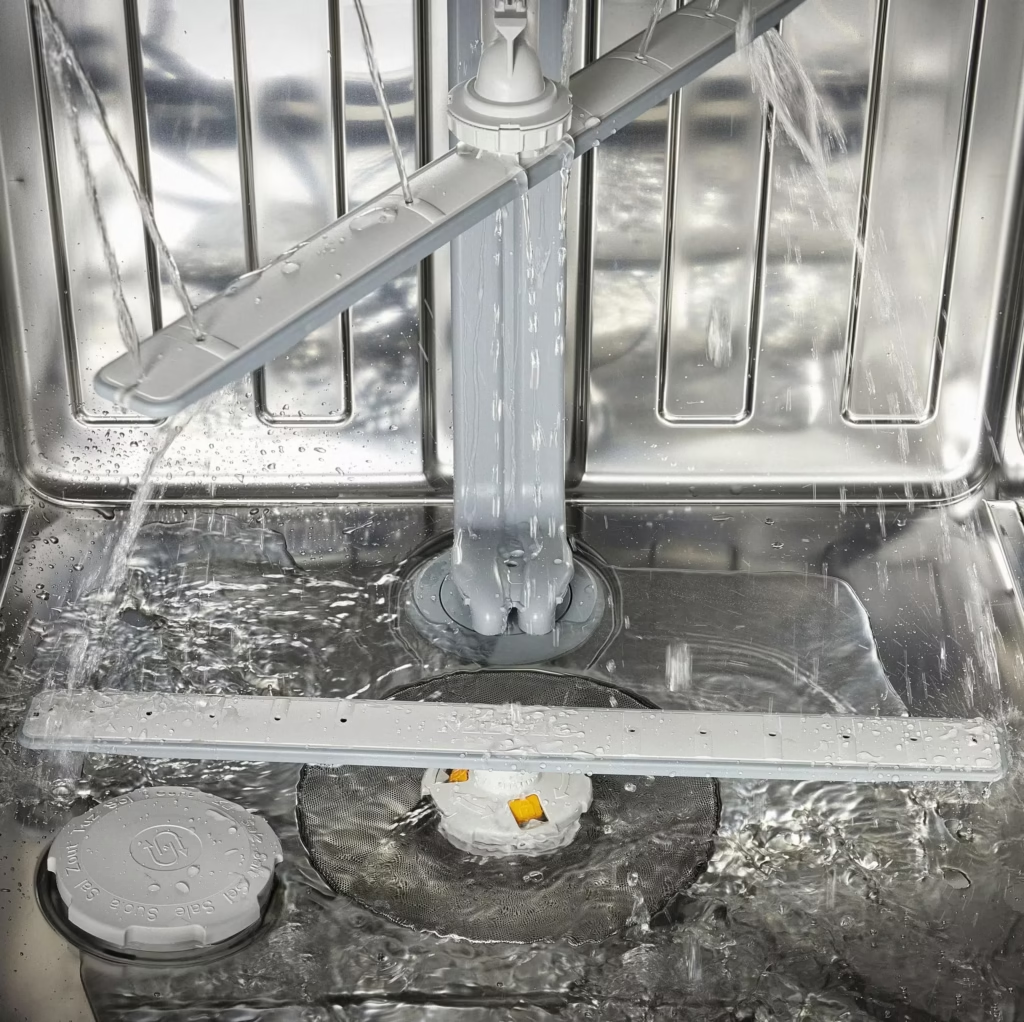
Frigidaire uses its OrbitClean wash system, which distributes water in a rotating pattern that’s good at reaching the corners and angles where food tends to hide. It’s not fancy tech, but it does the job without leaving mystery grime on your casserole dish.
Whirlpool takes a slightly different approach. Its TotalCoverage spray arms work alongside Sensor Cycle technology, which actually reads how dirty the load is and adjusts the wash time and water temperature accordingly. So a lightly soiled load uses less water and energy, while a post-Thanksgiving dish pile gets treated accordingly. That’s a genuinely useful feature — not just a talking point.
In everyday use, the cleaning difference between both brands is minimal if you’re comparing equivalent price tiers. A $600 Frigidaire and a $600 Whirlpool will both clean your plates. Where things diverge is the added intelligence in Whirlpool’s sensor-driven cycles, which can make a real difference in energy costs over a few years.
One thing worth knowing: if you’re eyeing an entry-level Frigidaire under $450, the cleaning performance is still decent, but some users report inconsistency with heavily soiled loads. The step up to mid-range makes a noticeable difference for either brand.
Noise Levels: Where Whirlpool Pulls Ahead
This is the most underrated factor in the entire dishwasher buying process — and the one most comparison articles completely gloss over.
What 41 dBA Actually Feels Like
Whirlpool’s quietest models run at around 41 dBA. That number sounds technical and abstract, so here’s what it actually means: a quiet library sits at about 40 dBA. Normal conversation is around 60 dBA. You could have Whirlpool’s quietest dishwasher running in the next room while someone’s on a work call and they’d barely notice.
Frigidaire models typically land between 50–54 dBA depending on the model. That’s not loud in isolation — but in an open-plan kitchen or during a movie, it’s audible. You’ll hear it. The hum is present.
For some households, this isn’t a dealbreaker. If your kitchen is a closed-off room, 54 dBA doesn’t matter much. But if your kitchen flows directly into your dining area or living room — which is the layout in most modern homes — noise becomes a genuine quality-of-life issue.
Run it after the kids go to sleep? Whirlpool’s quieter models are the clear choice.
Reliability and Lifespan — Which One Holds Up Longer?

Both brands quote around 10 years of expected lifespan, and both can hit that mark with reasonable care. But the path to get there looks a little different.
Whirlpool generally has a stronger track record for long-term reliability. Specifically, the data on service calls — appliance repair professionals consistently report fewer Whirlpool service jobs relative to the installed base. That’s not a knock on Frigidaire overall, but it is a pattern worth paying attention to.
Where Frigidaire Entry-Level Models Struggle
The reliability gap between the two brands narrows significantly once you move into Frigidaire’s mid-range lineup. The concern is mostly at the entry level — the $400–$500 models that look appealing on a tight budget. These units have historically seen more issues with the control board and wash motor over time, which are the expensive repairs you really don’t want landing three years in.
That doesn’t mean you should avoid entry-level Frigidaire entirely. It means you should go in knowing the trade-off. If budget is the priority and you’re okay with the slight possibility of a service call down the line, it’s a reasonable gamble. If you’d rather sleep soundly on the reliability question, Whirlpool’s warranty service and parts availability tend to make repair situations less painful.
One underappreciated factor: parts. Whirlpool is the largest appliance manufacturer in North America, which means parts are widely stocked and often cheaper when you do need them. That’s relevant over a 10-year ownership window.
Features and Rack Flexibility
This section is where Whirlpool’s premium lineup really separates itself — but it’s also where a lot of buyers overpay for things they’ll never use.
Frigidaire keeps it practical. You get heated drying, effective filtration, and the DishSense technology that handles basic cycle adjustments. It’s not flashy, but everything it includes is genuinely useful. The rack layout is standard — functional, not innovative.
Whirlpool invests more heavily in rack design. Adjustable tines, a third rack for utensils and flat items, and more load configuration flexibility make a real difference if you regularly wash large pots, awkwardly shaped cookware, or wine glasses. If you cook frequently and have a varied dish situation, that flexibility adds up.
On the smart-home side: Whirlpool’s higher-end models offer app connectivity and voice assistant integration. If you want to start a cycle from the couch or check the status from your phone, it’s there. Whether that’s worth the premium depends entirely on how much you’d actually use it. Most people don’t — but some households love it.
Not sure exactly which dishwasher features matter for your kitchen setup? Our guide to common dishwasher features breaks down what’s genuinely useful versus what’s just spec padding.
Price and Value: Is Whirlpool Worth the Extra Cost?

Budget vs Mid-Range Models — Don’t Compare Across Tiers
Here’s a mistake a lot of buyers make: they compare a $450 Frigidaire to an $800 Whirlpool and conclude Frigidaire is the better value. That’s an apples-to-oranges comparison. A mid-range Whirlpool at $600–$700 is a fairer match for a mid-range Frigidaire at $550–$650.
At equivalent price tiers, the gap in value is smaller than you’d think. You’re really paying for quieter operation, slightly better long-term reliability, and more rack flexibility.
Now, add up the cost-of-ownership picture. If a budget Frigidaire needs one service call in year four — pump issue, control panel — you could be looking at $150–$300 depending on the repair. That narrows the price advantage considerably. On the flip side, plenty of entry-level Frigidaires run without a single issue for a decade. It’s not guaranteed either way.
The practical rule: if you can stretch to a mid-range Whirlpool, it generally pays for itself over time. If the budget genuinely doesn’t allow it, a mid-range Frigidaire (not the absolute bottom tier) is a solid, dependable machine.
As kitchen appliance options continue to evolve, it’s also worth checking our piece on kitchen appliance trends if you’re planning a broader kitchen upgrade alongside your dishwasher purchase.
Which One Should You Actually Buy?
Here’s where most articles give you a limp “it depends” and call it a day. That’s not helpful. Let’s be specific.
Best for Budget Buyers
If you’re working with a tight budget and need a reliable machine that cleans well without breaking the bank, go with Frigidaire’s mid-range lineup — models in the $500–$650 range. Avoid the absolute entry-level options if you can; the extra $80–$100 makes a real reliability difference. You won’t get the quietest machine on the block, but you’ll have a capable, honest dishwasher.
Best for Open Kitchens and Noise-Sensitive Households
Whirlpool is the clear answer here. If your kitchen flows into a living or dining space, or you regularly run the dishwasher after the household has wound down for the evening, the difference between 41 dBA and 54 dBA is genuinely noticeable. It’s not a small margin. Whirlpool’s quieter models cost more, but if noise is a real issue in your home, you’ll thank yourself for spending the extra money.
Best for Large Families or Heavy Cooks
Whirlpool again, specifically for the rack flexibility. If you’re loading a dishwasher twice a day with large pots, baking trays, and oddly shaped cookware, the adjustable tines and third-rack option make loading significantly less frustrating. Small quality-of-life feature — but when you’re dealing with it every single day, it matters.
Best for Renters or Short-Term Situations
If you’re in a rental or expect to move within a few years and just need a working dishwasher without overthinking it, Frigidaire’s budget or mid-range models do the job without requiring a big upfront commitment. No need to pay for Whirlpool’s long-term reliability if your timeline is short.
Best for Tech-Forward Kitchens
If you want smart-home integration, energy monitoring, or app control alongside your dishwasher, Whirlpool’s upper mid-range and premium models are where that functionality lives. Frigidaire simply doesn’t compete here.
The Honest Summary
Neither brand is universally better. That’s not hedging — it’s just accurate.
Frigidaire is a capable, no-fuss dishwasher that delivers strong value at the mid-range level. Its cleaning performance is solid, its design is practical, and for buyers who just want a machine that works without paying a premium, it earns its place.
Whirlpool consistently outperforms on noise, reliability over time, and feature flexibility. If any of those three factors rank high for your household, the price difference is justified.
The trap to avoid is comparing the cheapest version of one brand to the most expensive version of the other. Stay within the same price tier, be honest about what actually matters in your daily life, and the right choice gets pretty clear.
Frequently Asked Questions
Which dishwasher brand is more reliable: Frigidaire or Whirlpool?
Whirlpool generally has a stronger reliability track record, particularly for long-term durability with fewer reported service calls over time. Frigidaire’s mid-range models are dependable, but entry-level units have historically been more prone to issues. Both brands can reach around 10 years of lifespan with proper care.
How loud is a Frigidaire dishwasher compared to Whirlpool?
Frigidaire models typically run between 50–54 dBA, which is audible in an open-plan kitchen. Whirlpool’s quieter models go as low as 41 dBA — roughly the noise level of a library. For open kitchens or evening use, that difference is noticeable in practice.
Is Whirlpool worth the extra cost over Frigidaire?
It depends on your priorities. If noise, rack flexibility, or long-term reliability matter to your household, yes — Whirlpool’s mid-range lineup justifies the extra spend. If you just need solid cleaning performance on a tighter budget, a mid-range Frigidaire delivers good value without overpaying.
How long do Frigidaire dishwashers last?
Both Frigidaire and Whirlpool dishwashers are rated for around 10 years with proper maintenance. The lifespan holds more consistently on Whirlpool’s mid-range and higher models. Frigidaire’s entry-level dishwashers may require service calls sooner, which is worth factoring into the total cost of ownership.
Does Whirlpool have smarter features than Frigidaire?
Yes, on higher-end models. Whirlpool offers Sensor Cycle technology, smart-home integration, app connectivity, and more rack configurability. Frigidaire focuses on practical features like DishSense and heated drying, without the advanced connectivity options. For most buyers, Frigidaire’s feature set covers everything they actually need.