Estimated reading time: 8 minutes
Last updated on June 23rd, 2026 at 07:18 am
I had a brand-new spice jar sitting on my counter a while back, completely ruined by one of those stubborn price sticker labels — you know the kind that leave behind a sticky gray residue no matter how much you scrub. I was about to give up and just live with it when I remembered something I’d half-forgotten: a drop of dish soap, rubbed in and left for a few minutes, peels that stuff right off. And that got me thinking about how much that one bottle under my sink actually does, way beyond dishes.
If you’ve ever wondered what else dish soap is good for, the honest answer is: a lot more than you’d guess. These dish soap hacks aren’t viral nonsense — they’re the kind of small, specific fixes that work because of what dish soap actually is, not because of some magic ingredient.
Why Dish Soap Works on So Much More Than Dishes
Here’s the quick version of why this stuff is such a household multitasker: dish soap is a surfactant, which basically means it’s really good at getting oil and water to mix. That’s exactly what lets it cut through grease on a pan — and it’s also exactly what lets it lift oily stains from fabric, dissolve sticky residue, and break down the oils your skin leaves on jewelry or makeup brushes. It’s also formulated to be gentle enough for hands, which is part of why it’s safer than a lot of harsher “specialty” cleaners for delicate stuff.
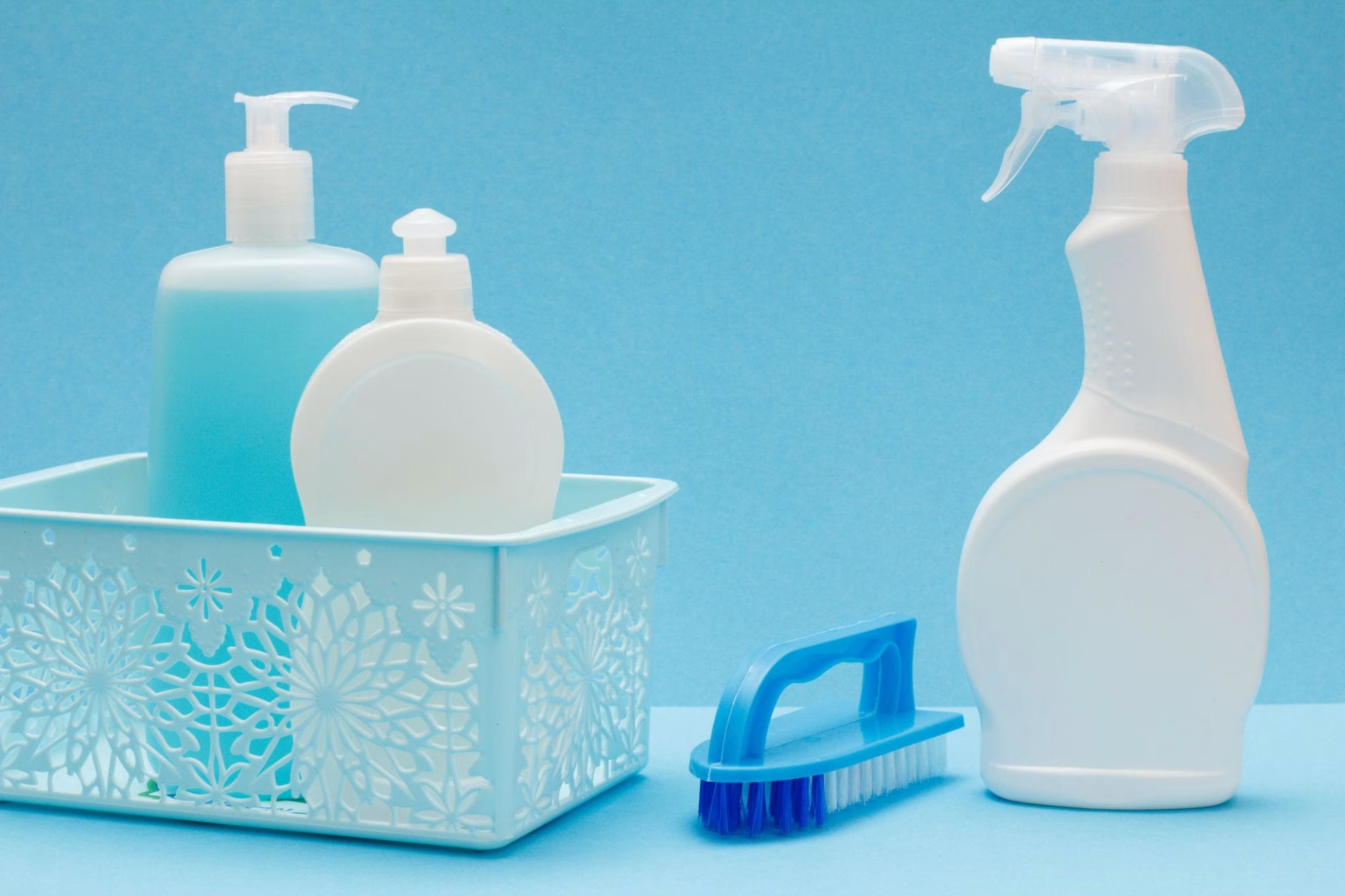
So when you see “blue dish soap” mentioned in cleaning hacks, it’s not that the color matters — it’s just that the classic grease-cutting formulas tend to be the basic, no-frills versions without added moisturizers or fragrances that could leave residue behind. Any plain dish soap with good grease-cutting power will do the job.
Laundry Stains Dish Soap Handles Better Than You’d Expect
The One-Drop Trick for Grease and Makeup Stains
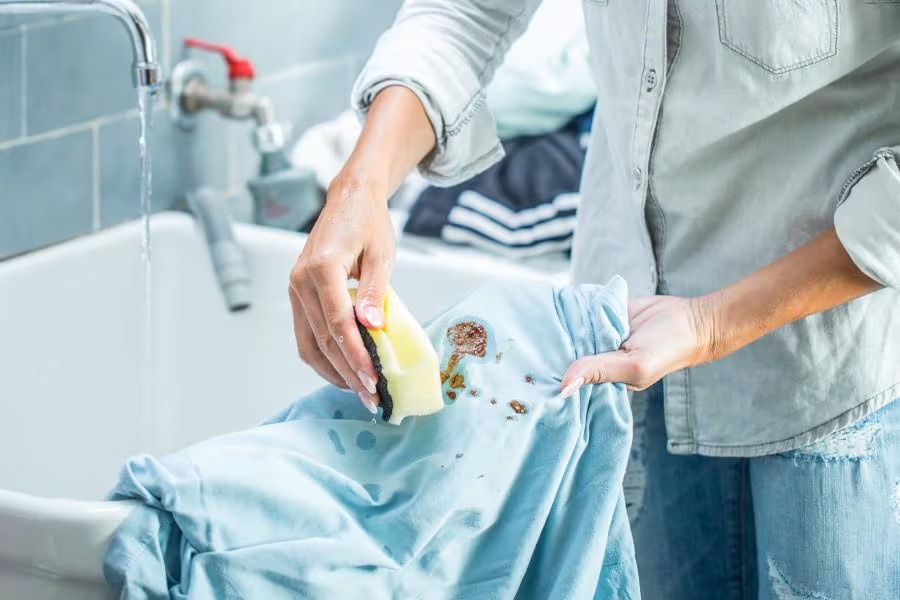
For an oily stain — butter, salad dressing, foundation, lipstick, that kind of thing — put one drop of dish soap directly onto the stain. Rub it in gently with your fingers, let it sit for a few minutes, then wash as you normally would. The oil-breaking action that works on a greasy pan does the same thing to the oils binding that stain to the fabric fibers.
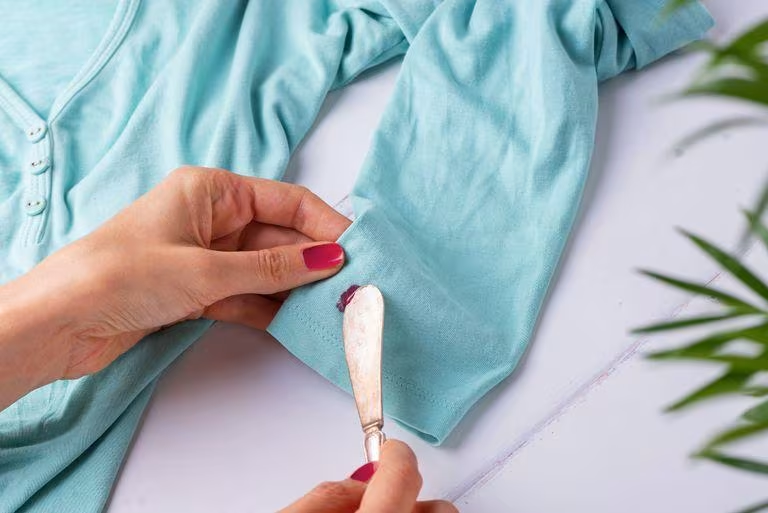
It’s also worth trying on sweat stains around collars and the inside of hats. Rub a small amount into the discolored area before tossing it in the wash — the built-up body oils causing that yellowing respond to the same grease-cutting effect.
Bathroom Jobs Dish Soap Can Quietly Take Over
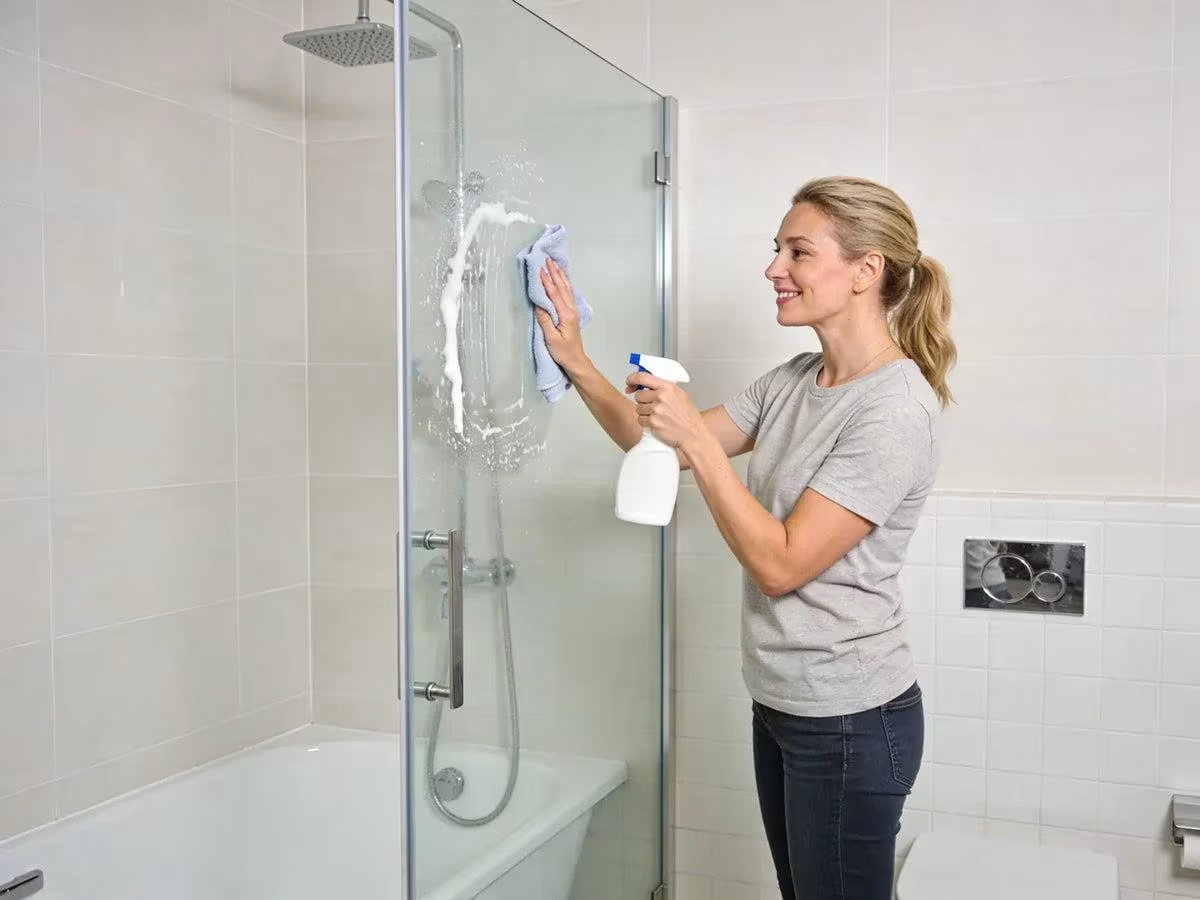
Soap scum on glass shower doors is one of those things that builds up so gradually you almost stop seeing it — until you really look. Mix equal parts white vinegar and dish soap in a spray bottle, spray it onto the glass or tub, and let it sit for about 15 minutes. The vinegar tackles the mineral build-up while the dish soap helps lift the soapy film, and a quick rinse afterward leaves things noticeably clearer. If your tub needs more attention than just the doors, this pairs well with these bathtub cleaning hacks for a fuller refresh.
And then there’s the toilet trick — pouring about half a cup of dish soap directly into a clogged bowl, letting it sit for 20 minutes, then following up with a bucket of hot (not boiling) water. To be upfront about it: this works best on minor clogs, where the soap can lubricate the blockage enough for it to pass with the water. It’s not a guaranteed fix for a serious or deep blockage, and a plunger is still your first move if you have one handy. Think of this as the “worth trying before you call anyone” option, not a replacement for actual plumbing tools.
Kitchen Shortcuts That Stretch a Bottle Further
Making One Bottle Last Longer
If you’ve ever felt like you’re squeezing way more soap onto your sponge than you need, you’re probably right — and there’s an easy fix. Mix one part dish soap with three parts water in a spray bottle. A light mist covers more surface area on dishes or counters than a squeezed-out blob, and because it’s already diluted, it actually starts breaking down grease faster than a thick undiluted glob sitting on top of a pan.
Here’s a fun one: fill an ice cube tray about a quarter full with dish soap and freeze it overnight. Cut a small slit into the side of a kitchen sponge and tuck one of these frozen soap cubes inside. As you scrub, it slowly melts and releases soap — handy for a deep-clean session where you don’t want to keep stopping to add more.
And for that sticker residue situation I mentioned earlier: rub a drop of dish soap over the leftover adhesive on a glass jar or plastic container, let it sit for a few minutes, then scrub with warm water. It comes off cleanly without the scraping-and-swearing routine most people default to. If you’re already in deep-clean mode for your kitchen, this guide on cleaning kitchen cabinets covers a few more grease-cutting tricks worth knowing.
The Delicate Stuff — Jewelry and Makeup Brushes
For dull rings, earrings, or bracelets, drop one or two squirts of dish soap into a bowl of warm water and let the jewelry sit for about 5 minutes. Then buff gently with a soft toothbrush. This works because it’s lifting the same lotion and skin-oil buildup that makes jewelry look dull in the first place — it’s not a polish, it’s just removing what’s covering up the shine that’s already there.
Makeup brushes get the same basic treatment: swirl them in a shallow bowl of warm water with a few drops of dish soap. It breaks down the silicone and oil-based foundation residue that builds up in the bristles without being harsh enough to damage them. A gentle squeeze to reshape and lay flat to dry, and they’re good as new.
What Dish Soap Shouldn’t Be Used For
This is the part most lists skip, so here it is: dish soap is not a substitute for dishwasher detergent. If you’ve ever wondered whether you can just squirt some in when you’re out of the real stuff — don’t. It creates way too many suds for a dishwasher, which can leak out of the machine and, in some cases, cause damage. If you’re curious about the broader differences, hand washing vs dishwasher gets into how these systems actually work.
It’s also not the best choice for certain natural stone countertops or unsealed wood — the surfactants that make it great at cutting grease can be a little too aggressive on finishes that rely on a protective seal, and over time it can dull or strip that layer. For those surfaces, it’s worth sticking to something made specifically for stone or wood care.
None of this means dish soap is fragile or unreliable — quite the opposite. It just means it’s a specialist that happens to be good at a surprising number of jobs, not a universal cleaner for absolutely everything in your house. Knowing where the line is makes the rest of these hacks more trustworthy, not less. If you’re building out a broader stain-fighting routine, how to remove any stain quickly with items you own and how to remove any stain from carpet like a pro are both solid next reads — dish soap covers a lot, but it’s nice to have backup options for the stains it doesn’t.
FAQs
What are some uses for dish soap besides dishes?
Dish soap works well for treating oily stains on clothing, cutting through soap scum on shower doors, removing sticker residue from glass or plastic, cleaning jewelry, and washing makeup brushes — all because it’s a strong, skin-safe surfactant designed to break down oils.
Can dish soap remove grease stains from clothes?
Yes. Apply one drop of dish soap directly to the oily stain, rub it in gently, let it sit for a few minutes, and then wash as usual. The same grease-cutting action that works on dishes helps lift oil-based stains from fabric.
Is dish soap safe for cleaning jewelry?
Generally yes, for most everyday jewelry. A few drops of dish soap in warm water, with the piece soaked for about 5 minutes and gently buffed with a soft toothbrush, removes the lotion and oil buildup that makes jewelry look dull.
Does dish soap work to unclog a toilet?
It can help with minor clogs. Pouring about half a cup of dish soap into the bowl, letting it sit for 20 minutes, and following with a bucket of hot water can lubricate a small blockage enough for it to clear. It’s not a reliable fix for serious clogs, and a plunger should still be your first option when available.
What should you not clean with dish soap?
Avoid using dish soap in a dishwasher, since it creates excess suds that can damage the machine or leak out. It’s also not ideal for sealed natural stone countertops or unsealed wood, where its grease-cutting strength can wear down protective finishes over time.