Estimated reading time: 7 minutes
g look visually lost — the proportions are just wrong. The opening is designed to contain something substantial, and slender candles in a wide, deep space look like they’ve been forgotten there rather than placed intentionally.
The fix: If you’re using candles inside the opening, go for pillar candles with real visual mass — multiple sizes grouped together, sitting on a tray or slate tile to protect the hearth. The grouping creates a composed moment rather than a scattered one.
Seasonal Décor That Cheapens the Space
There’s a version of seasonal fireplace styling that’s genuinely beautiful — and a version that makes the room look like a craft store display. The difference is usually quality and restraint. Generic plastic pumpkins, artificial holly garlands with visible wire, or mass-produced “COZY” signs are the décor equivalent of finishing a nice meal with a gas station dessert.
Seasonal accents work when they use real materials — fresh greenery, natural pinecones, beeswax candles — and when they’re edited. One or two seasonal elements integrated with the existing mantel styling reads as intentional. A complete seasonal overhaul that looks identical to every other mantel on Pinterest reads as trend-following.
Our seasonal fireplace styling inspiration guide covers how to refresh a fireplace for different seasons without losing the overall design coherence.
Placement and Safety Mistakes
The TV Height Problem
Mounting a TV directly above a fireplace mantel is the most common fireplace layout in living rooms right now — and when it’s done well, it works. When it’s done poorly, you’re craning your neck upward for two hours and wondering why your shoulders ache.
The comfortable viewing angle for a seated person is eye level or slightly below — not fifteen degrees above. When a mantel sits at 4 to 5 feet and a TV is mounted above it, the screen can end up 6 feet or higher, which is simply too high for comfortable long-term viewing.
The fix: Lower the TV as much as possible by using a tilting mount that angles the screen downward toward the seated viewer. Or, if the fireplace is electric, consider recessing the firebox lower in the wall so the TV sits at a more appropriate height. With a real working fire, keep at least 12 inches between the top of the firebox and the base of the TV — and check the manufacturer’s guidance, because heat tolerance varies significantly between models.
Flammable Materials Near the Firebox
This isn’t an aesthetic rule — it’s a safety one, and it’s worth treating as such. Decorative branches, paper items, fabric bunting, or dried flower arrangements placed too close to a working firebox are a genuine hazard, not just a styling misstep.
As a general rule, keep anything flammable at least 12 inches from the firebox opening on a working fireplace. For gas fires, check the manufacturer’s clearance specifications — they vary. The hearth area immediately in front of the opening should be kept completely clear when the fire is in use.
Aesthetic rules can be broken when the result is interesting. Safety rules can’t.
What the Well-Styled Fireplace Actually Does Differently
The mantels that look genuinely good share a few consistent traits that aren’t about specific objects — they’re about how those objects work together.
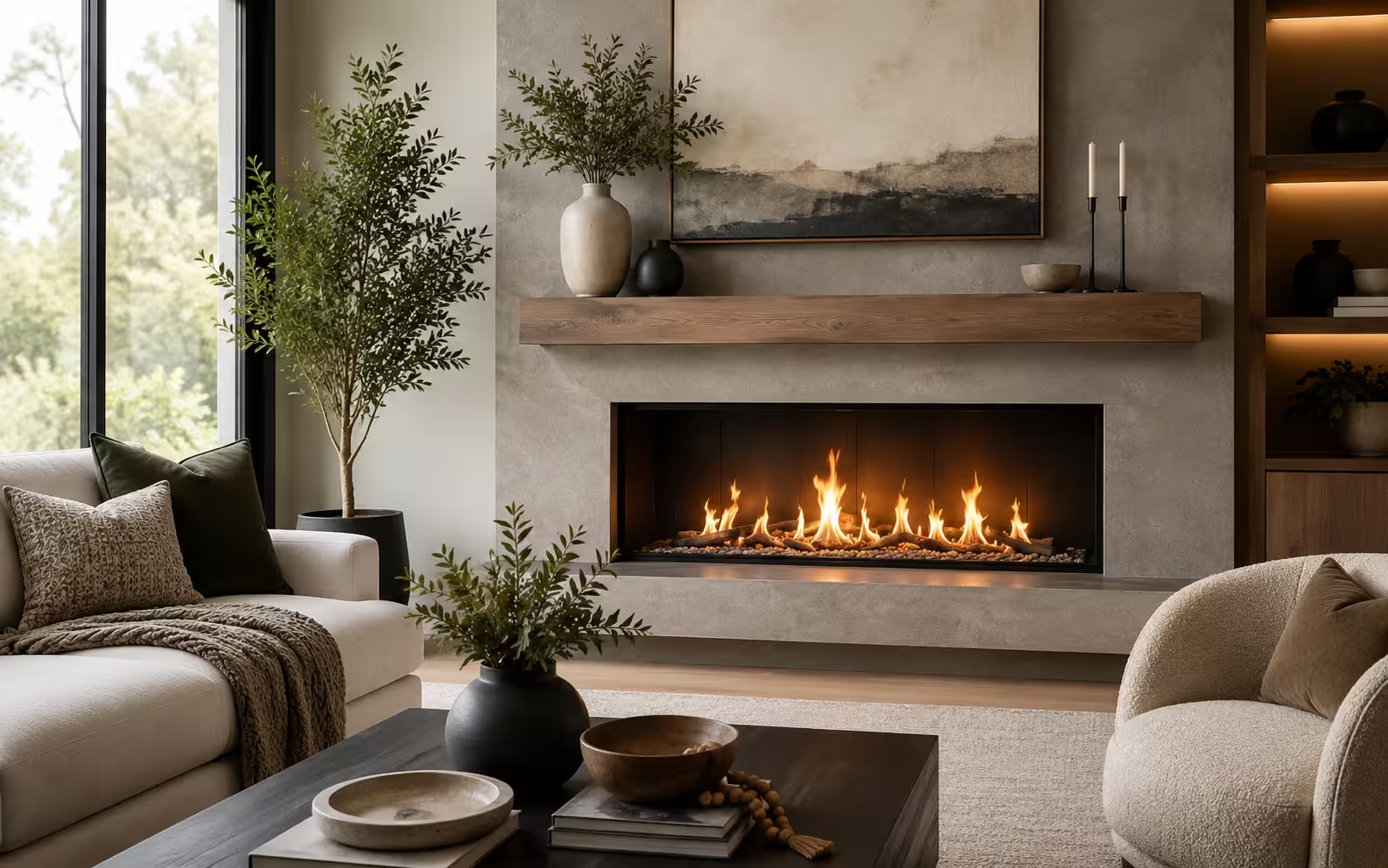
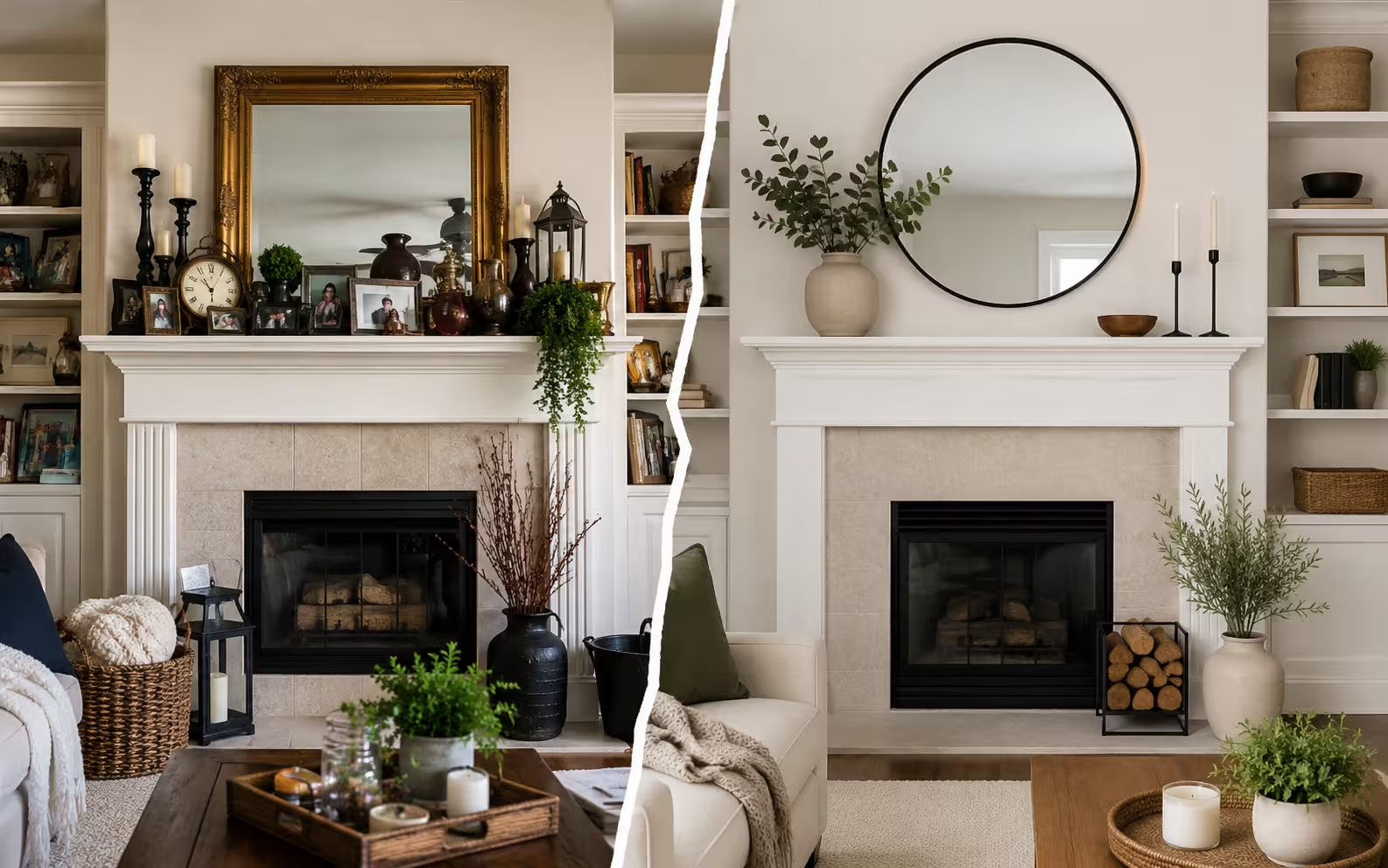
Start with one large anchor piece. A mirror or a significant piece of artwork should be the first decision, not the last. Everything else on the mantel responds to it. A large piece gives the eye somewhere to land, which makes the surrounding objects feel like a supporting cast rather than competing for attention. For sizing guidance and style options, our best mirrors above fireplaces guide is a useful reference.
Vary height and texture deliberately. The 3-4-5 rule — three objects at different heights creating a loose visual triangle — works because it gives the eye a path to travel. Combine something tall, something mid-height, and something low. Mix materials: something matt, something with sheen, something with organic texture.
Leave breathing room. Negative space isn’t wasted space. Gaps between objects let the eye rest, and they make each individual piece look more considered. A mantel with three well-chosen objects and space between them looks more expensive than the same mantel crowded with twelve.
For a deeper look at mantel composition and object selection, our best mantel decor inspiration covers a range of approaches from minimal to layered.
What to Put in a Non-Working Fireplace
Non-functional fireplaces — decorative gas fires that haven’t been used in years, sealed-off chimney breasts, decorative electric units — have different styling logic than working fires. No heat, no safety clearance constraints, full flexibility.
The options that consistently work:
- Grouped pillar candles on a tray or slate base — different heights, unscented or lightly scented. Lit or unlit, they look intentional.
- Stacked split firewood — works beautifully in textured, rustic, or farmhouse-leaning spaces. Needs to be tidy and properly stacked, not just thrown in.
- A large architectural plant — a sculptural fern or trailing plant at the right scale can turn the opening into a living feature. Needs good light nearby or a grow light.
- A mirror placed inside the opening — reflects light and creates depth. Works particularly well in darker rooms.
- Woven baskets or vessels — textural, natural, and easy to swap seasonally.
The one thing that never works: leaving it completely empty and hoping no one notices. The opening draws the eye too strongly for “nothing” to read as intentional.
Frequently Asked Questions
The most frequent errors are overcrowding the mantel with too many small objects, hanging artwork that’s too small for the space, arranging everything with rigid symmetry, leaving a non-working fireplace opening completely bare, and mounting a TV too high above the mantel for comfortable viewing. Each of these has a clear fix once you understand the design principle behind it.
Avoid small-scale artwork that gets lost against a wide surround, anything flammable within 12 inches of a working firebox, and TVs mounted so high that viewing requires tilting your head upward. Also avoid a completely empty wall above the mantel — the space needs either a large mirror, significant artwork, or a considered architectural treatment.
Grouped pillar candles on a tray, neatly stacked firewood, a sculptural plant at the right scale, a mirror placed inside the opening to reflect light, or woven natural vessels all work well. The key is choosing something with enough visual mass to fill the opening intentionally — not something that makes the space look like it was forgotten.
It depends on the fire type and the mounting height. Electric fires produce no significant heat upward and are generally safe. Gas and wood fires produce real heat — keep a minimum of 12 inches between the firebox top and the TV base, and check the manufacturer’s specific guidance. The bigger practical issue with any fire type is viewing angle: a TV mounted too high causes neck strain during extended viewing.
The 3-4-5 rule is an interior design principle for creating visually balanced groupings. It involves combining objects of three different heights — typically something tall (around 18–24 inches), something mid-height (10–14 inches), and something low (4–6 inches) — arranged in a loose triangular composition rather than a straight line. The variation in height creates movement and makes the arrangement feel curated rather than arbitrary.