Estimated reading time: 11 minutes
Last updated on June 23rd, 2026 at 07:26 am
Tap a tile. If it makes a dull, hollow thud instead of a solid click — you already know something’s off. Maybe you’ve been walking past that bathroom crack for six months telling yourself it’s fine. Maybe the grout keeps going grey-black no matter how many times you scrub it. Whatever brought you here, you’re asking the right question: do these tiles actually need replacing, or can you get away with a repair?
The honest answer is: it depends on which sign you’re dealing with. Some tile problems are genuine structural warnings that get expensive fast if ignored. Others are purely cosmetic and can wait, or be fixed without touching a single tile. Most articles on this topic treat all seven signs as equally alarming — they’re not. So let’s go through them properly.
When Tile Replacement Isn’t Really Optional
Tiles that are cracked in a wet area, hollow across a large section of floor, or sitting on top of a soft or damaged subfloor aren’t cosmetic problems. They’re structural ones. Water gets into places it shouldn’t, the substrate underneath starts to degrade, and what starts as a £200 tile job becomes a £2,000 subfloor repair. The signs below tell you where you are on that spectrum.
The 7 Signs Your Tiles Need Replacing
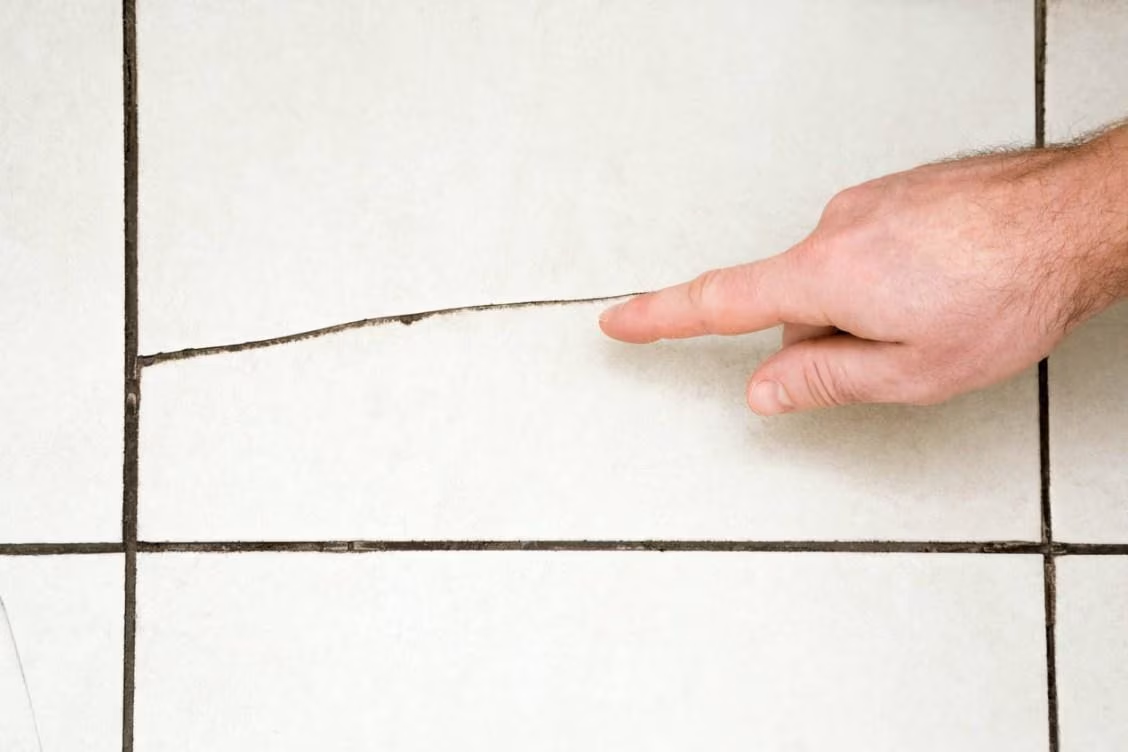
1. Cracked or Chipped Tiles — Act Now (in Wet Areas)
A crack in a decorative wall tile in a low-traffic area? You can monitor it. A crack in a shower floor or around a bath surround? Don’t wait. The glaze that protects ceramic and porcelain tiles is what keeps moisture out. Once that’s broken, water seeps through into the tile body, then into the adhesive layer, then eventually into the subfloor or wall cavity.
Small chips in dry areas are mostly cosmetic. But if the cracked tile is anywhere near water — a bathroom floor, shower wall, kitchen splashback near the sink — treat it as urgent. Spot replacement works well here as long as you can match the tile. If you can’t find a match, that’s often when people decide to retile the whole area.
Urgency: Immediate in wet areas. Monitor in dry areas.
2. Tiles That Sound Hollow When You Tap Them
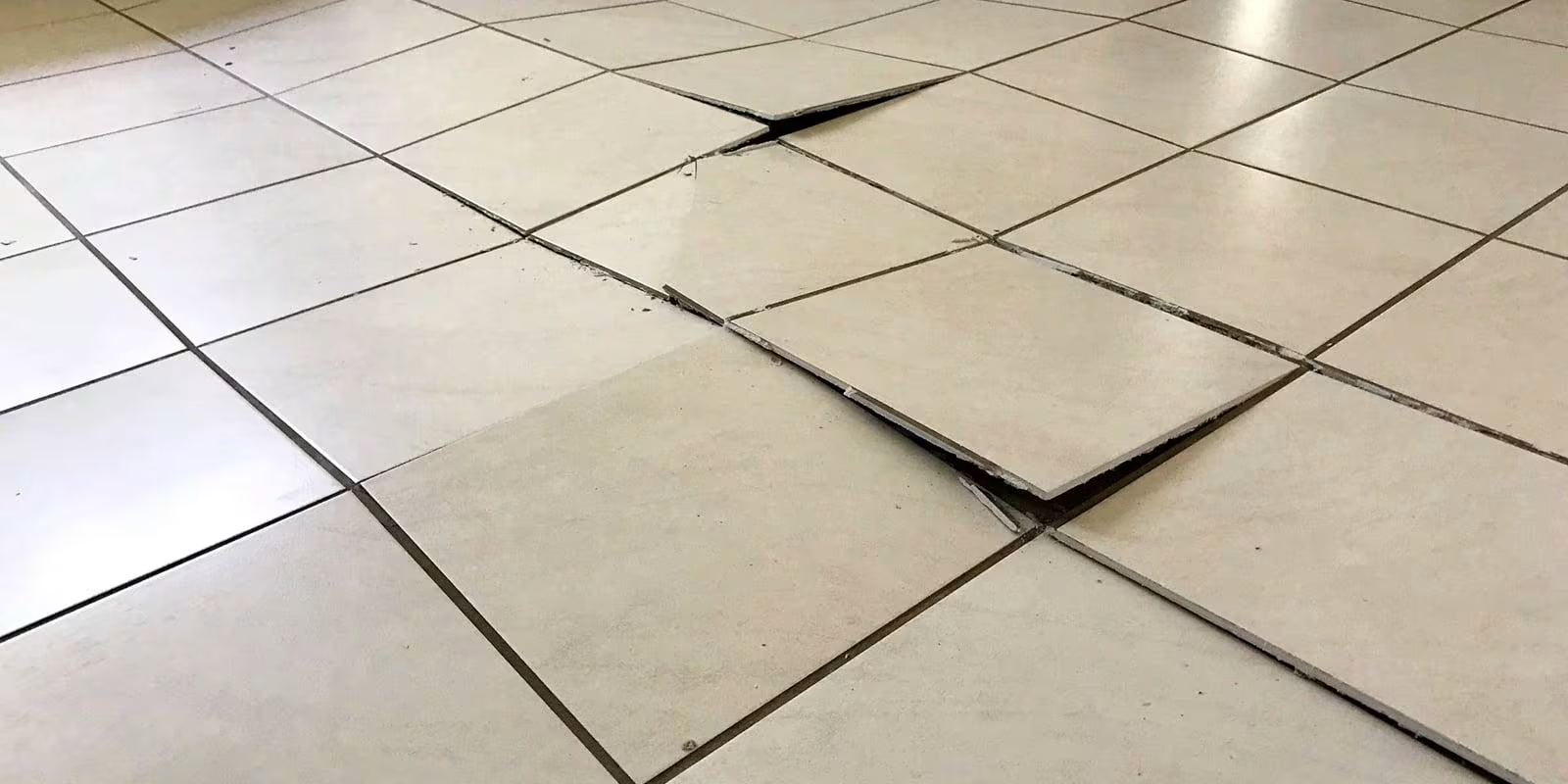
This is the one most people notice and don’t know what to do with. Knock your knuckle on a tile — a well-bonded tile sounds solid and dense. A tile that’s lost its bond with the mortar or adhesive beneath sounds distinctly different: duller, almost papery, slightly resonant.
What’s happening underneath is that the adhesive has failed, leaving a gap between the tile and the substrate. That gap is where water pools. It can’t evaporate, it can’t drain, and over time it creates the perfect conditions for mold to grow out of sight — and for the substrate itself to soften and break down.
One hollow tile in a low-use area: worth monitoring, and possibly spot-repairable. Half a bathroom floor that sounds like a drum when you walk across it: you’re looking at a full retile, and possibly some subfloor work too.
Urgency: High if widespread, especially in bathrooms or kitchens.
3. Mold That Keeps Coming Back in the Grout Lines
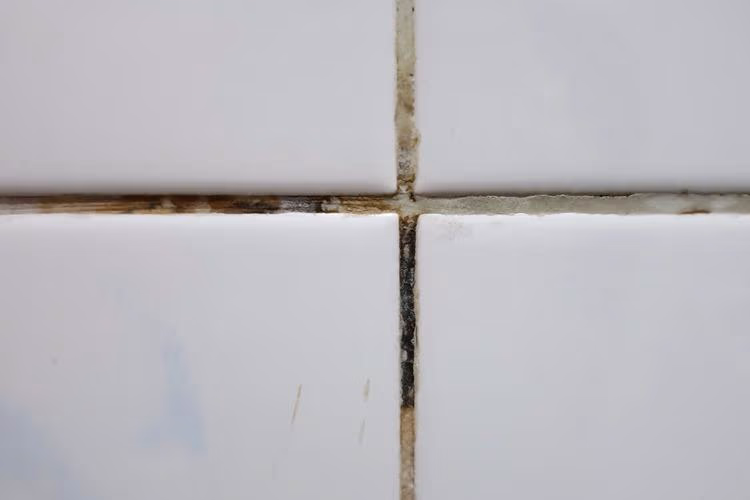
Occasional mold in a bathroom is normal — it’s a damp environment. But if you’re cleaning the grout thoroughly and the mold is back within days, that’s not a cleaning problem. That’s a waterproofing failure.
What you’re seeing on the surface is the tip of it. When grout becomes porous or cracked, moisture bypasses it entirely and works into the wall or floor underneath. The visible mold in the grout lines is a symptom. The real issue is what’s growing in the cavity behind the tiles where you can’t see or reach it.
In this situation, no amount of bleach spray solves the problem. The tile system needs to come out, the affected area needs to be dried and treated, the waterproof membrane needs to be reinstated, and then it can be retiled properly.
Urgency: High. Persistent mold indicates moisture penetration, not just surface dirt.
Keeping up with bathroom hygiene is a good first line of defence — a solid bathroom cleaning routine helps you catch problems early before they escalate.
4. Grout That’s Crumbling, Cracking, or Permanently Discoloured
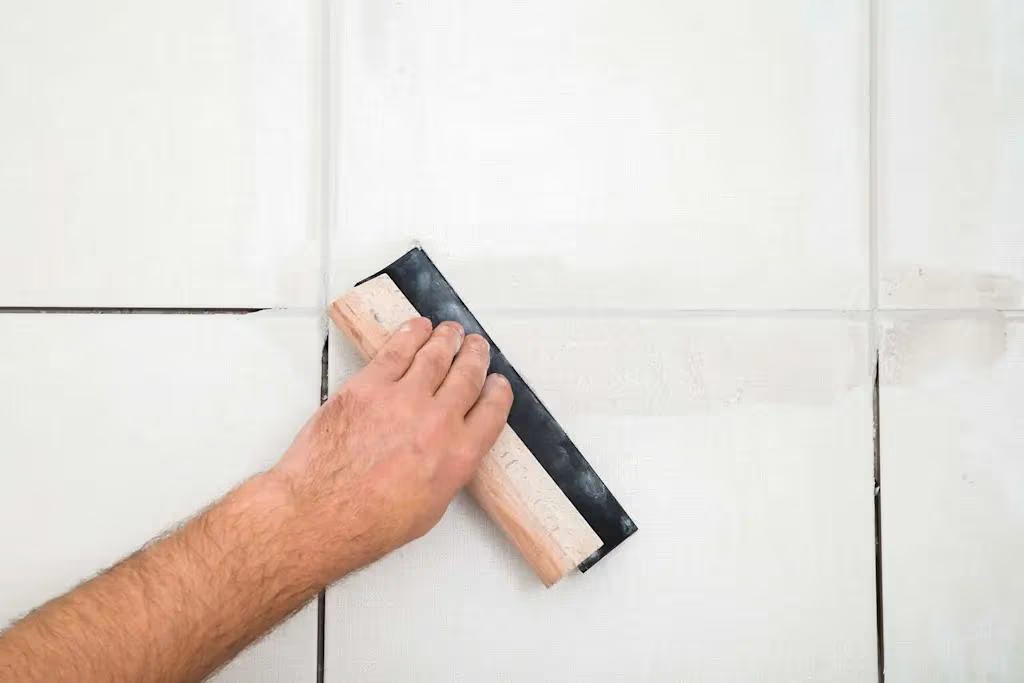
Grout isn’t just there to fill gaps — it’s part of the waterproof system. When it starts crumbling or developing cracks across a large area, it stops doing that job.
Here’s where repair is genuinely an option: if the grout damage is localised to a small section and the tiles themselves are intact and well-bonded, regrouting can be a cost-effective fix. A tiler rakes out the old grout, cleans the joints thoroughly, and applies fresh grout with proper sealing. Job done.
The problem is when grout damage is widespread, or when the discolouration has penetrated so deeply that no cleaning product shifts it. At that point, you’re better off assessing whether the tiles underneath are worth keeping at all — because regrouting a floor of tiles that are also loose or worn isn’t money well spent.
Urgency: Moderate. Localised grout damage is repairable. Widespread damage warrants full assessment.
5. Floors That Feel Soft, Spongy, or Uneven Underfoot
A properly laid tile floor feels completely solid. If you notice any flex or give when you step on certain spots — particularly near a bath, toilet, or shower — that’s serious. It usually means the subfloor beneath has absorbed moisture and started to soften.
Timber subfloors are particularly vulnerable. Once they’ve been saturated long enough to feel soft underfoot, there’s likely some degree of rot involved. That means the tiles have to come up regardless, the subfloor has to be assessed and repaired or replaced, and then everything gets re-laid from scratch.
The cost of leaving this too long is significantly higher than the cost of dealing with it now. Subfloor rot doesn’t stop on its own.
Urgency: Immediate. This is structural.
6. A Surface That Looks Permanently Dirty No Matter What You Do
This one’s easier to miss because it happens gradually. Over years of foot traffic and cleaning, the protective glaze on ceramic tiles wears down. When that happens, the porous clay body beneath becomes exposed — and it absorbs everything. Dirt, cleaning chemicals, mineral deposits from hard water.
The giveaway is that the tiles look dull or slightly grey even immediately after cleaning. The surface almost looks chalky. No amount of scrubbing brings back the original finish because the protective layer is gone — there’s nothing to shine.
This is primarily a cosmetic issue, not a structural one. But once tiles reach this stage, they’re also more porous and harder to keep hygienic. If this is your only problem, you don’t need an emergency retile — but it’s worth factoring into your plans if you’re thinking about renovation anyway.
Urgency: Low. Cosmetic, but hygiene implications in wet areas.
7. An Outdated Style That Makes the Room Feel Stuck in Time
Honestly? Sometimes there’s nothing technically wrong with the tiles. They’re intact, well-bonded, perfectly functional — they just look like they belong in 1994. Dark brown bathroom floor tiles. Beige kitchen splashbacks with a muted floral border. Nothing broken, just very dated.
This is the one sign on this list where replacement is entirely a personal and financial decision, not a structural one. If you’re selling your home, updating the tiles can meaningfully affect first impressions and perceived value. If you’re staying and the tiles bother you every time you walk in, that’s a perfectly valid reason to renovate.
Just go in clear-eyed: this is an aesthetic upgrade, not a repair. Budget accordingly, and take the opportunity to look at budget-friendly tile options before assuming it has to cost a fortune.
Urgency: None structurally. Your call.
Repair or Replace? A Practical Guide
Not every tile problem needs a full retile. Here’s a quick way to think about it:
Spot repair is usually sufficient when:
- Only one or two tiles are cracked or chipped and replacements are available
- Grout damage is limited to a small section
- The tiles are otherwise solid, well-bonded, and in good condition
- The area isn’t heavily used or constantly wet
Full replacement makes more sense when:
- Hollow tiles are widespread across the floor or wall
- Matching replacement tiles can’t be found
- The subfloor has been damaged by moisture
- Mold or damp has penetrated behind the tiles
- Multiple problems exist at once (cracked tiles and failing grout and worn finish)
One thing worth remembering: if you’re hiring someone anyway to do a partial repair, get them to assess the surrounding tiles while they’re there. A good tiler will tap the area and give you an honest picture of how widespread the problem is — which helps you decide whether it’s worth doing the job properly now or patching it and coming back in a year.
If you’ve decided replacement is the right move, our bathroom remodel checklist is a useful next step — it walks you through the full planning process so nothing gets missed.
What Happens If You Ignore Damaged Tiles
Here’s the chain of events that makes tile problems expensive: a cracked or loose tile lets water in → water sits in the gap between tile and substrate → adhesive continues to fail, more tiles loosen → moisture reaches the subfloor → the subfloor softens or rots → you now need not just a retile but structural floor repair.
What starts as a handful of cracked tiles becomes a job that involves pulling up the floor, replacing boards or cement backer, waterproofing from scratch, and then retiling on top. The tile cost is often the smallest part of it at that point.
This is especially true in bathrooms, which are wet areas by design. A crack in a living room floor tile carries much lower risk than the same crack in a shower surround.
Tile condition is also worth adding to your seasonal home checks — it’s one of those things that’s easy to catch early and expensive to ignore. Home maintenance tips for winter is a good reminder of what to check before the cold sets in.
FAQs
Can I just replace one cracked tile?
Yes, if you can find a matching replacement. Single tile replacement is a perfectly valid repair as long as the surrounding tiles are well-bonded and in good condition. The tricky part is usually sourcing an exact match — tile ranges get discontinued, and even the same product from a different batch can have slight colour variations.
What does a hollow-sounding tile mean?
It means the tile has lost its bond with the mortar or adhesive beneath it. There’s a gap between the tile and the substrate, which allows moisture to accumulate. One hollow tile in a dry area can usually be monitored. Widespread hollow tiles — especially in a bathroom or kitchen floor — need professional assessment soon.
Is mold in grout always a reason to replace tiles?
Not always. Surface mold that responds to cleaning is a hygiene issue, not a structural one. But mold that keeps returning despite thorough cleaning suggests moisture is penetrating behind the tile system, which usually does require replacement and proper waterproofing.
How long do bathroom tiles last?
Well-installed porcelain or ceramic tiles in a bathroom can last 20 years or more. Natural stone tiles can last even longer with proper sealing and maintenance. The limiting factor is usually grout deterioration, adhesive failure, or subfloor issues rather than the tiles themselves.
Should I regrout or retile?
Regrouting makes sense when the tiles themselves are in good condition — solid, well-bonded, with an intact finish — and the grout damage is limited. If the tiles are also cracked, hollow, or worn, regrouting on top of existing problems doesn’t solve much. Get a tiler to assess whether the tiles are worth keeping before committing to either approach.
How much does it cost to replace bathroom tiles?
Costs vary significantly depending on tile choice, room size, and whether subfloor work is needed. Tile material alone can range from budget ceramic at a few pounds per square metre to natural stone at considerably more. Labour is typically charged per square metre and increases if prep work, waterproofing, or subfloor repair is involved. Always get at least two quotes and ask each tiler to explain what prep work they’re including.