Estimated reading time: 10 minutes
Boho gets a bad reputation. And honestly, it’s mostly the macramé’s fault.
Somewhere between the dreamcatchers and the pampas grass phase of Instagram circa 2019, “bohemian decor” started meaning something it was never supposed to — a pile of beige things from a fast-furniture store with a trailing plant thrown in for good measure.
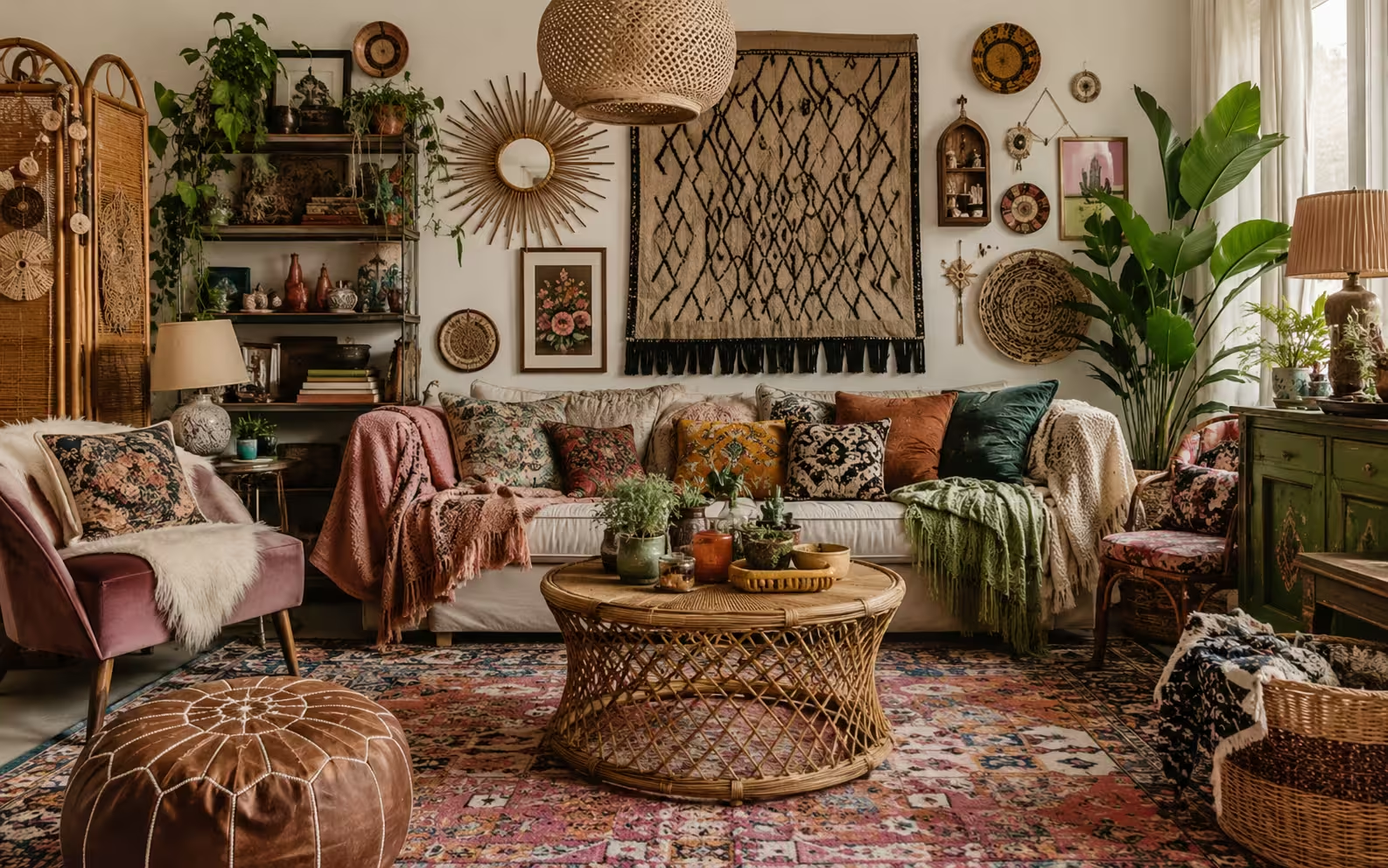
Real boho is different. The best bohemian interiors look like they were collected, not assembled. They have warmth, personality, and a quiet confidence that says the person living there has genuinely interesting taste. And the modern version of the style has evolved — it’s less ’70s revival, more global nomad meets considered design.
Here’s what modern boho decor actually looks like, and — more importantly — how to make it work in a real home without the whole thing sliding into beautiful chaos.
- What Modern Boho Decor Actually Means
What Modern Boho Decor Actually Means
Boho style in interior design is built on layered textures, mixed patterns, natural materials, and a relaxed attitude toward design rules. Unlike minimalism, it doesn’t fear clutter — but the best versions of the style are intentional rather than random. Every piece has a reason to be there, even if that reason is “I found it at a market and loved it.”
The modern part matters. Contemporary boho leans toward a more edited, grounded version of the aesthetic — earthy tones over acid brights, quality artisanal pieces over plastic replicas, and actual negative space instead of surfaces covered edge to edge.
The key elements that define the style:
- Layered textiles — rugs, throws, cushions, curtains, all coexisting
- Natural materials — rattan, jute, raw wood, stone, linen, clay
- Global influences — Moroccan, Southwestern, Japanese, Mexican, Indian-inspired pieces
- Handmade or artisanal objects — things with visible craft and imperfection
- Plants — not one sad succulent, but an actual commitment to green
- Art and collected objects — things that mean something, not just things that fill space
What it’s not: a showroom. A boho room should look like someone actually lives there.
Which Version of Boho Are You?
This is the question most boho content skips entirely, and it’s the reason so many attempts at the style feel muddled. Boho isn’t one aesthetic — it’s a family of related styles, and knowing which direction you’re drawn to makes everything easier.
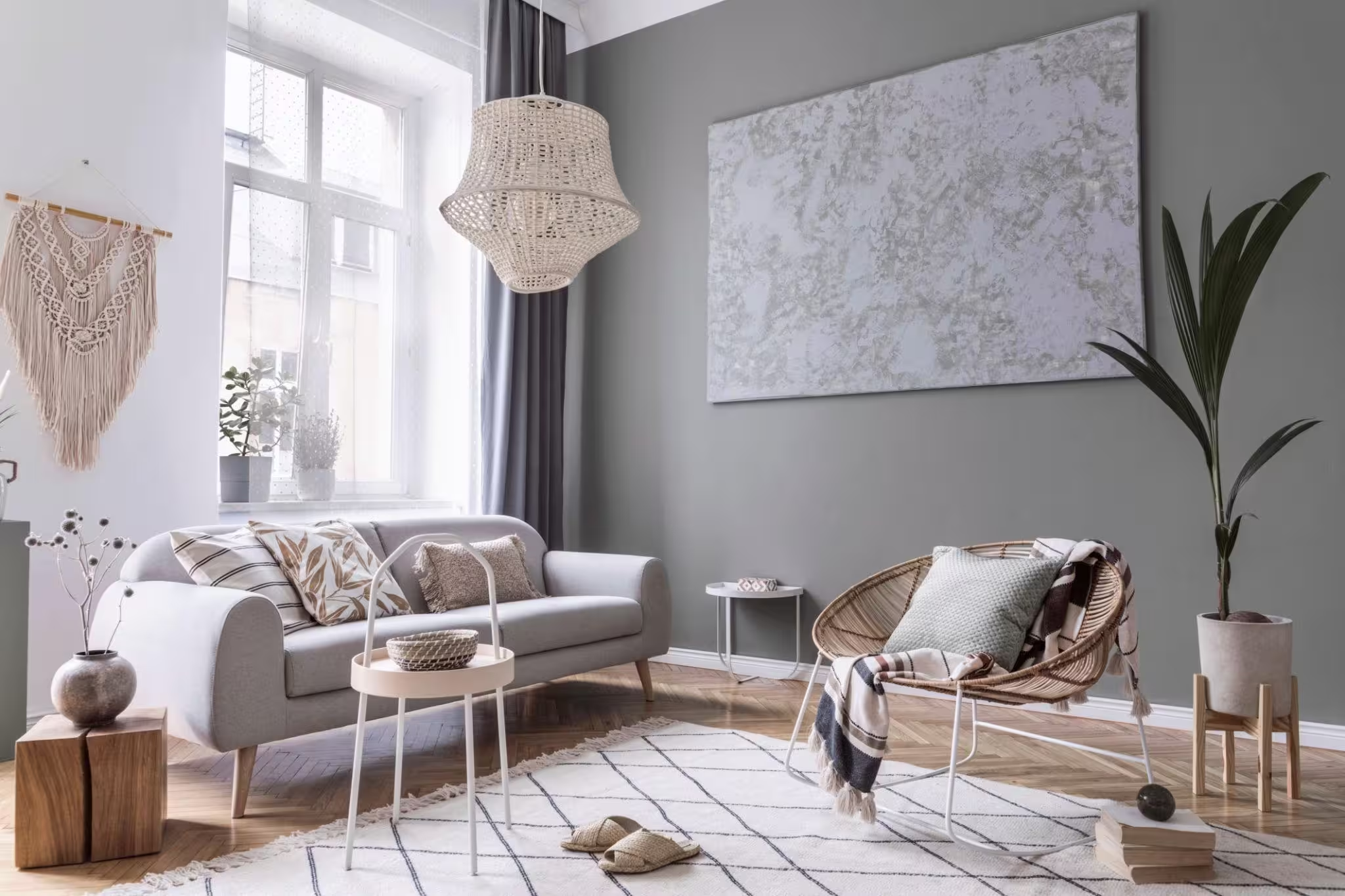
Moroccan Boho
Rich jewel tones, intricate geometric patterns, lantern-style lighting, carved wood, and hammered metal. Think terracotta walls with deep teal cushions, a vintage Beni Ourain rug on the floor, and a low-slung sofa piled with embroidered throws. It’s warm, dramatic, and slightly cave-like in the best possible way.
Southwestern Boho
More earthy and graphic. Navajo-inspired textiles, warm desert tones — burnt orange, rust, sand — cactus motifs, raw wood, and the occasional cow skull if you’re feeling committed. Natural wood flooring and woven wall hangings are staples. This version tends to feel slightly more structured than other boho styles.
Modern Earthy Boho
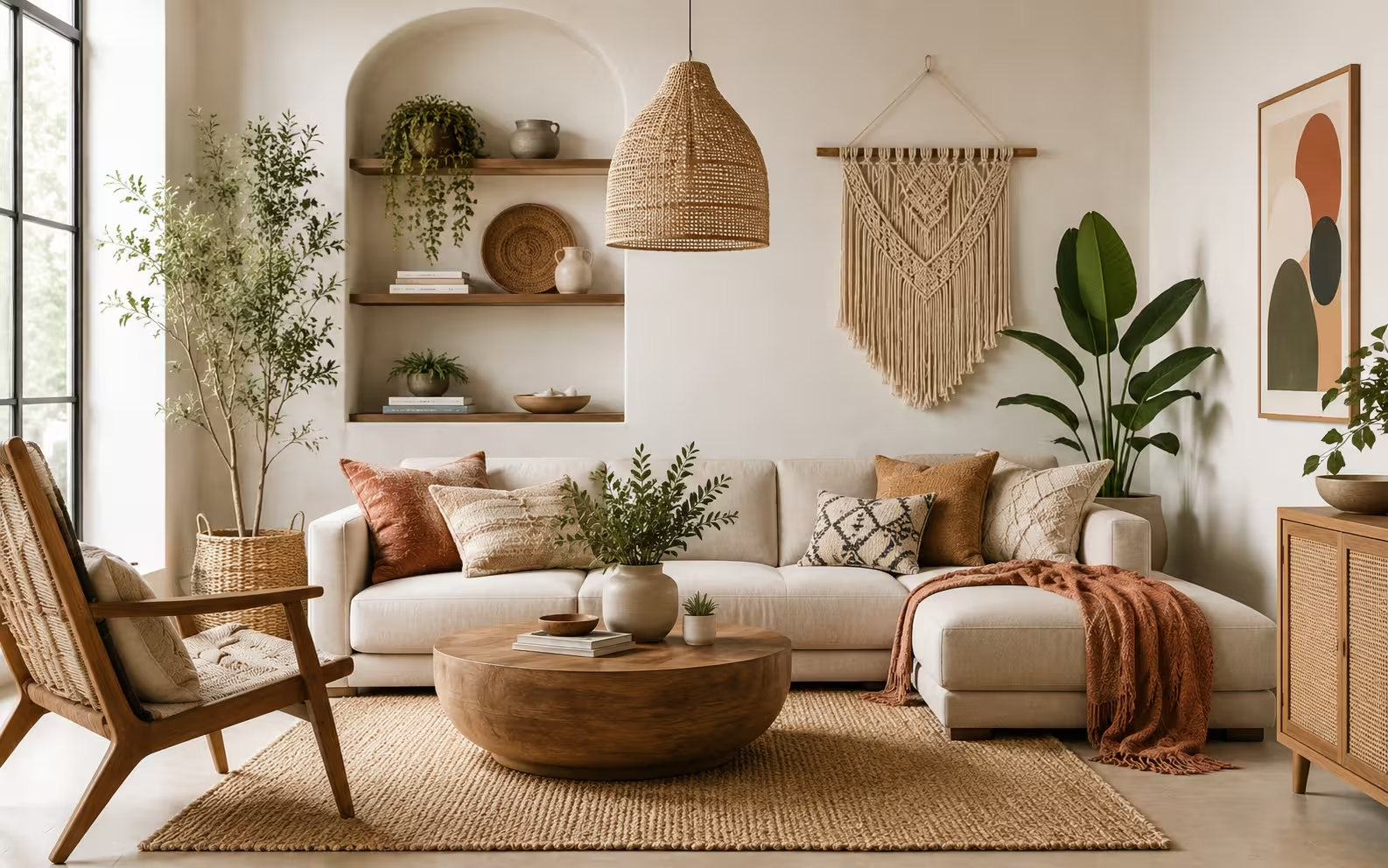
The quietest of the family. Muted terracottas, warm greys, unbleached linens, and organic shapes. Curved furniture, raw ceramics, dried botanicals, and warm ambient lighting. This is the version that sits closest to Japandi — restrained, warm, considered. If the idea of clashing patterns makes you anxious but you still want warmth and personality, this is probably your lane. Our modern earthy boho styling guide goes deeper on this direction.
Boho Glam
Bold colours, velvet, brass accents, and vintage statement pieces. This is the maximalist end of the boho spectrum — ikats mixed with chintz, gold-hued tables, art stacked on every surface. It takes confidence to pull off but looks extraordinary when it works.
Coastal Boho
Bleached wood, linen slipcovers, woven textures, sea-worn objects, and lots of natural light. Lighter in palette than most boho styles, with a relaxed, sun-faded quality. Works particularly well in rooms with large windows or in beach-adjacent homes.
The Elements That Make a Room Feel Genuinely Boho
You can have all the rattan you want, but if the room doesn’t have the right bones, it won’t feel boho — it’ll just feel like a furniture store.
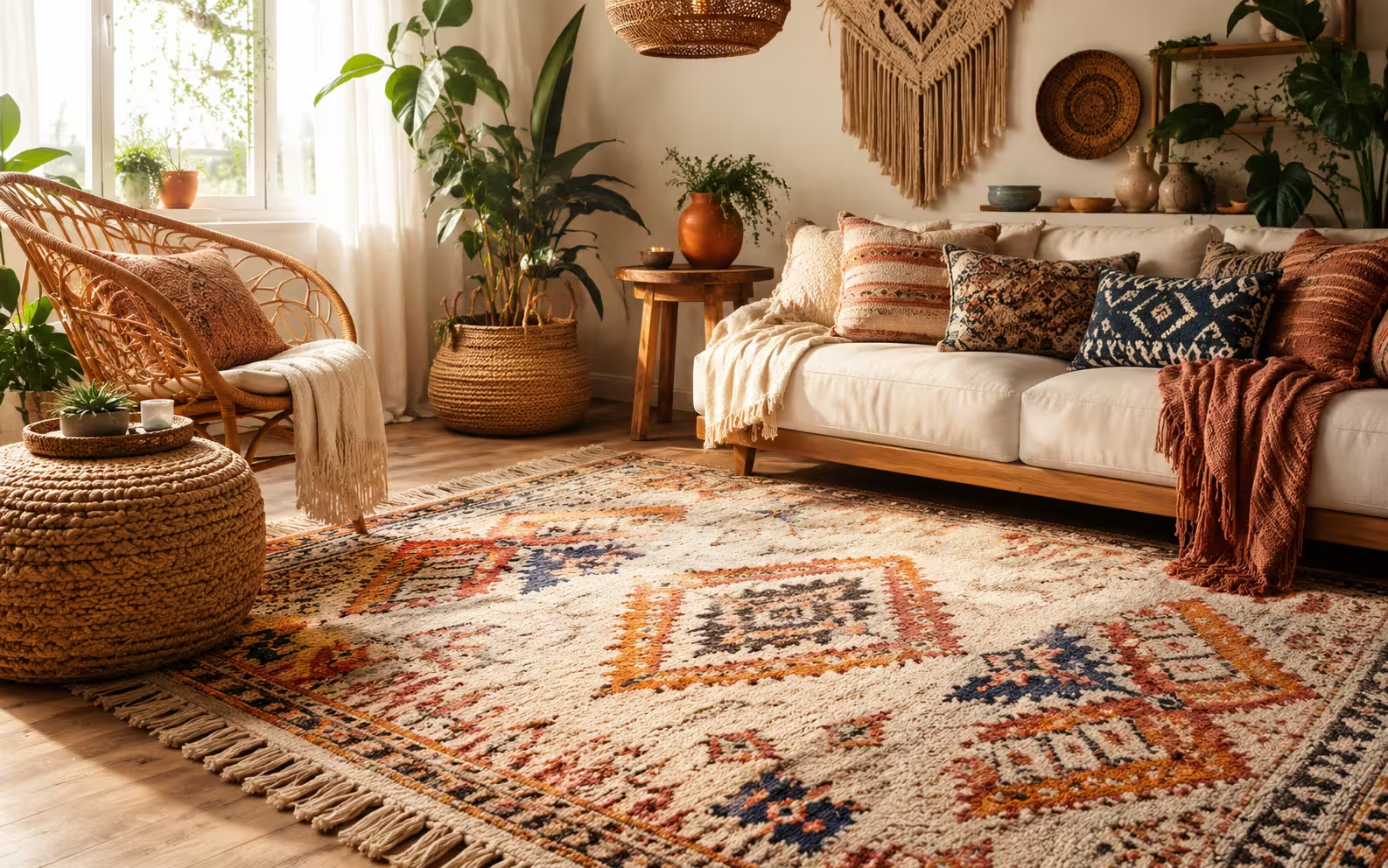
Start with the rug. Seriously. In almost every well-done bohemian room, the rug is doing the heaviest lifting. A kilim, vintage Persian, Moroccan Beni Ourain, or layered dhurrie grounds the whole space and sets the tonal direction for everything else. Don’t undersize it — a rug that barely reaches under the front legs of the sofa looks apologetic. Our guide to best rugs for boho homes covers what to look for.
Then build the textiles. Cushions in mixed patterns that share a colour story (not a colour match — there’s a difference). A throw that looks casually draped but actually took three attempts to get right. Linen curtains that pool slightly on the floor. Layering textiles is where boho gets its warmth, and it’s honestly not that complicated once you stop trying to match everything.
Bring in the natural materials. Rattan chairs, a raw wood side table, a jute basket, a clay lamp base. These anchor the room in something tactile and real. The reason natural materials matter in boho interiors isn’t aesthetic — it’s about temperature. A room full of hard, polished surfaces feels cold regardless of how much pattern you layer on top.
Add plants with intention. Not just a windowsill succulent. A large architectural plant — a bird of paradise, a rubber fig, a monstera — makes a genuine visual contribution. Pair it with smaller trailing plants at different heights and you’ve created layers without adding any more furniture.
Art and objects last. This is where the personalisation comes in. A textile hanging, a stack of art books, a collection of ceramics from a trip somewhere, a piece of wall art that genuinely means something. The mistake most people make here is buying “boho objects” that have no connection to them personally. The rooms that feel most convincingly boho are full of things the owner actually cares about.
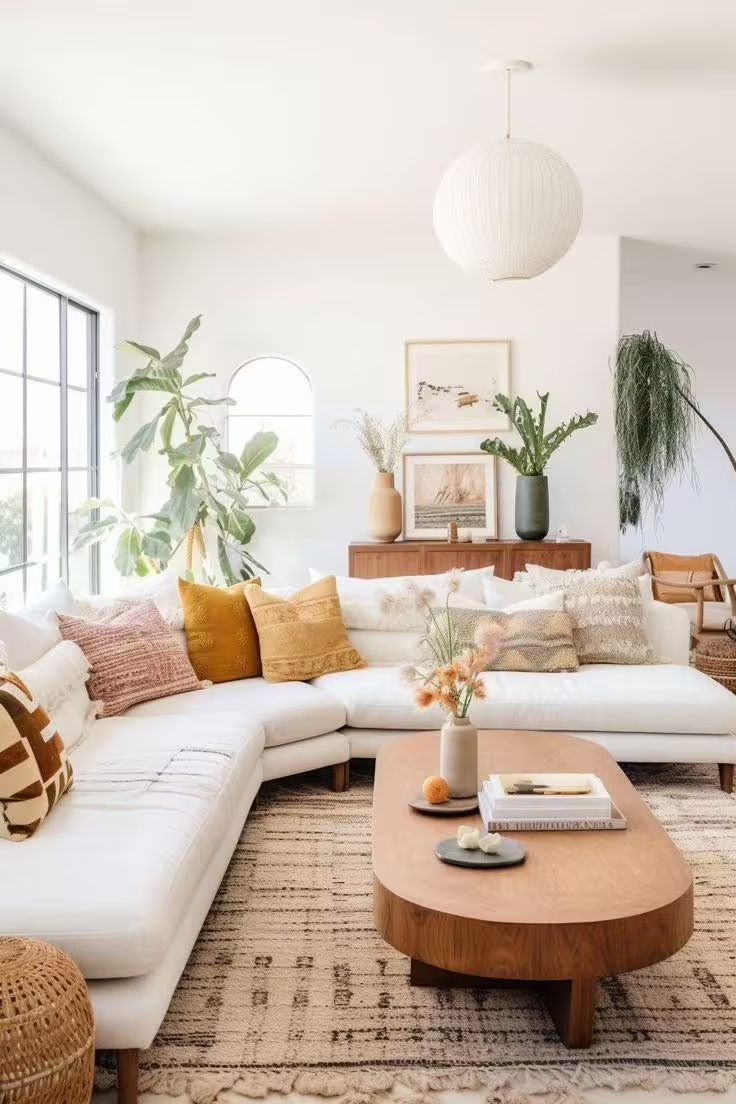
How to Layer Without It Tipping Into Clutter
This is the question everyone has, and the answer is simpler than you’d think.
Clutter happens when there’s no visual hierarchy — when everything in the room is competing for attention at the same level. Eclectic layering works when there’s a clear anchor (usually the rug and sofa), secondary elements (textiles, plants, lighting), and accent pieces (objects, art, smaller decorative items) that add interest without noise.
The other key is colour consistency. You can mix every pattern imaginable as long as they share a colour story. A kilim rug with geometric diamonds, ikat cushions, and a striped throw sound like a nightmare — but if they’re all working in the same warm rust-terracotta-gold palette, they’ll look intentional rather than chaotic.
Space matters too. Negative space isn’t the enemy of boho — it’s what gives the layering room to breathe. Not every surface needs something on it. Not every wall needs art. Leave some breathing room and the pieces you do have will feel more considered.
For a full breakdown of what trips people up, our boho styling mistakes homeowners make is worth reading before you start shopping.
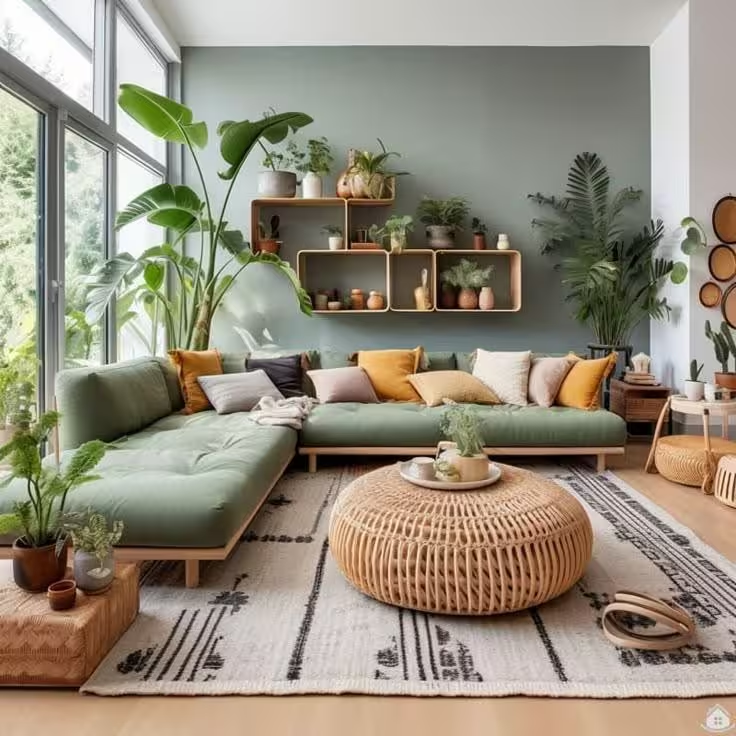
Colour in Boho Rooms: Bolder Than You Think
Most people play it safer than they need to with boho colour. They stick to “warm neutrals” and wonder why the room feels flat.
Boho colour palettes tend to fall into two camps. The earthy route — terracotta, rust, ochre, sage, warm white, raw linen — is warm and grounded and the easier of the two to work with. The jewel-toned route — deep teal, paprika, saffron, forest green, burgundy — is richer and more dramatic, and when it’s done right, it’s breathtaking.
A useful approach: choose one dominant warm neutral (walls, sofa, large rug), then bring in two or three stronger tones through textiles and accessories. The key is that your accent colours should feel warm relative to each other, not just individually. Cool blues and sharp greens next to terracotta tend to fight rather than complement.
And if you’re nervous about committing to colour on walls, textiles do most of the work anyway. A saffron silk curtain in a neutral room is more impactful than anything you could paint.
Boho on a Budget: Where to Find the Good Stuff
Here’s the genuinely good news about boho decor: it’s one of the few interior styles where not buying new works in your favour.
Vintage and secondhand pieces look more authentically boho than most new items simply because they’ve been somewhere. A market rug with a bit of wear, a ceramic jug with slight irregularities, a rattan chair that’s slightly aged — these things have the right quality of imperfection that makes boho rooms feel lived-in and real.
Charity shops and flea markets are worth serious time for textiles, ceramics, small furniture, and art. Online secondhand platforms regularly surface vintage kilims and Persian rugs at a fraction of their original cost. Estate sales are underrated for the kind of one-of-a-kind objects that make boho rooms feel genuinely personal.
For DIY, macramé is actually a reasonable place to spend an afternoon if you want something handmade on the wall. Just… keep it to one piece. And make it good. Our budget boho decor makeover ideas has more specific sourcing guidance if you want to go deeper.
Where to Start if You’re Beginning From Scratch
Pick one room. Don’t try to “go boho” throughout the entire house at once.
Start with the rug — it’s the single most impactful piece and sets the direction for everything else. Then choose your sofa if you don’t already have one you’re keeping, since it’s the largest thing in the room and needs to work with the rug. Everything else layers in from there: textiles, lighting, plants, art, objects.
Buy things you actually like, not things that look boho. The rooms that feel most genuinely free-spirited are full of pieces the owner is genuinely attached to — which is the part that can’t be faked and can’t be bought as a set.
Give it time. Boho rooms rarely look their best when styled all at once. The best ones accumulate over months and years, which is why they feel collected rather than decorated.
If you want inspiration for specific rooms, our luxury boho living room inspiration and neutral boho bedroom ideas are good starting points for different directions.
FAQs
Yes, and often better than people expect. The key is scale — go for one large rug rather than several small ones, choose one oversized plant rather than many small ones, and keep the furniture count low while making each piece count more. Boho’s reliance on textiles rather than furniture means it adapts to smaller spaces more naturally than styles that depend on large statement pieces.
Warm, earthy tones tend to be the most forgiving starting point — terracotta, ochre, warm white, sage, burnt orange. For a richer version, jewel tones like deep teal, paprika, or saffron work beautifully against a warm neutral base. The main thing to avoid is mixing too many cool tones — they tend to fight the warmth that makes boho feel inviting.
Not a lot — but meaningful ones. One large architectural plant makes more impact than ten small ones scattered around. A bird of paradise, a rubber tree, or a large monstera creates real visual presence. A few trailing plants at shelf height add another layer. Quality of placement matters more than quantity.
Vintage and secondhand are genuinely your best friends here. Flea markets, charity shops, and online resale platforms are where the best boho pieces live — and they’re often significantly cheaper than new equivalents. Focus your budget on one good rug and build everything else around it gradually. Plants, dried botanicals, and handmade textiles are also relatively affordable ways to add a lot of character.