Estimated reading time: 15 minutes
There’s a particular kind of dinner that runs hours longer than anyone planned. The food is long finished. Nobody’s moving. The conversation just keeps going.
That doesn’t happen by accident. It happens because the room makes people want to stay.
The dining room — or dining area, or kitchen-diner corner — is the most social space in the house. It’s where hosting actually lives. And yet it’s often the room that gets the least considered thought: a table, some chairs, a pendant, done. Functional but not felt.
Modern dining room decor ideas have moved well beyond the formal set-piece room. The thinking is looser, more personal, more mixed — but the fundamental question is the same. How do you make a space that people genuinely don’t want to leave?
- Start With What the Room Needs to Do
- The Table: Don't Compromise Here
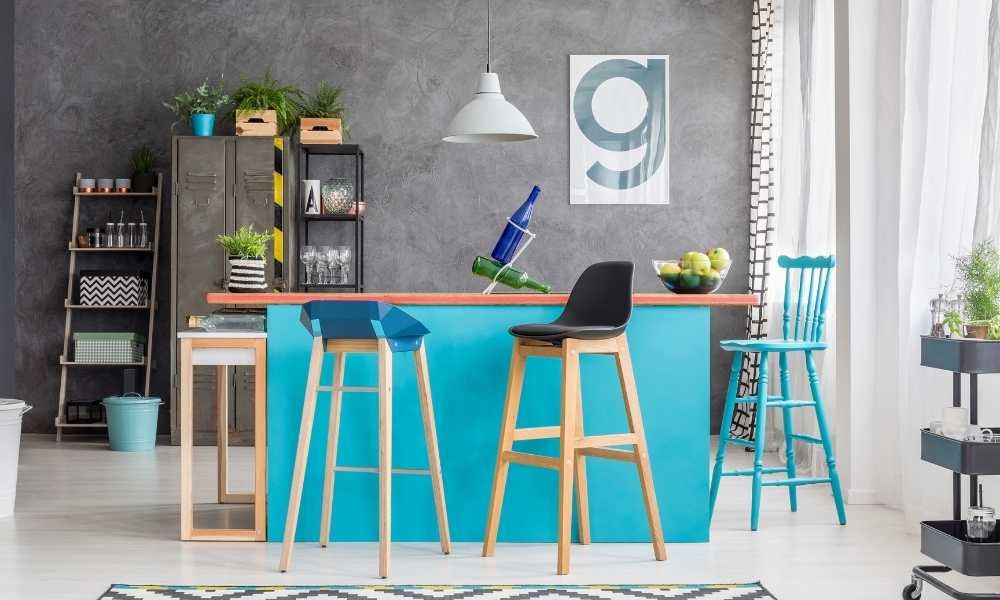
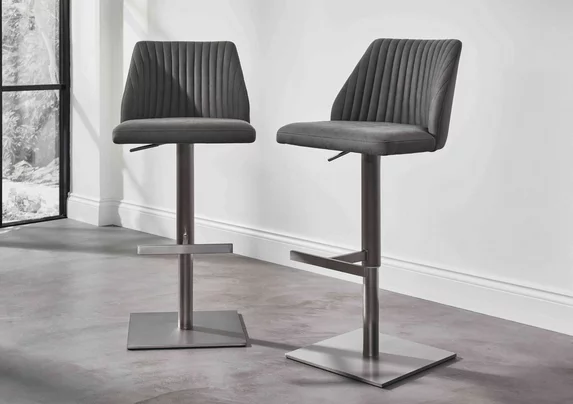
- Chairs: Comfort Is Not Optional
- Lighting Above the Table Is the Single Most Transformative Decision
- Colour: When to Go Dark, When to Go Bold
- Defining a Dining Area in an Open-Plan Space
- The Sideboard, the Drinks Area, and Everything That Isn't the Table
- Small Dining Rooms: What Actually Works
- Mixing Old and New: The Principles That Actually Work
- FAQs
Start With What the Room Needs to Do
Before any furniture or paint decision, it’s worth being honest about how your dining space actually gets used.
A dedicated dining room used primarily for evening entertaining has completely different requirements from a kitchen-diner where the family eats breakfast, the kids do homework, and dinner happens at 6pm in full daylight. These are almost opposite briefs, and treating them the same produces a space that half-works for everything rather than working fully for anything.
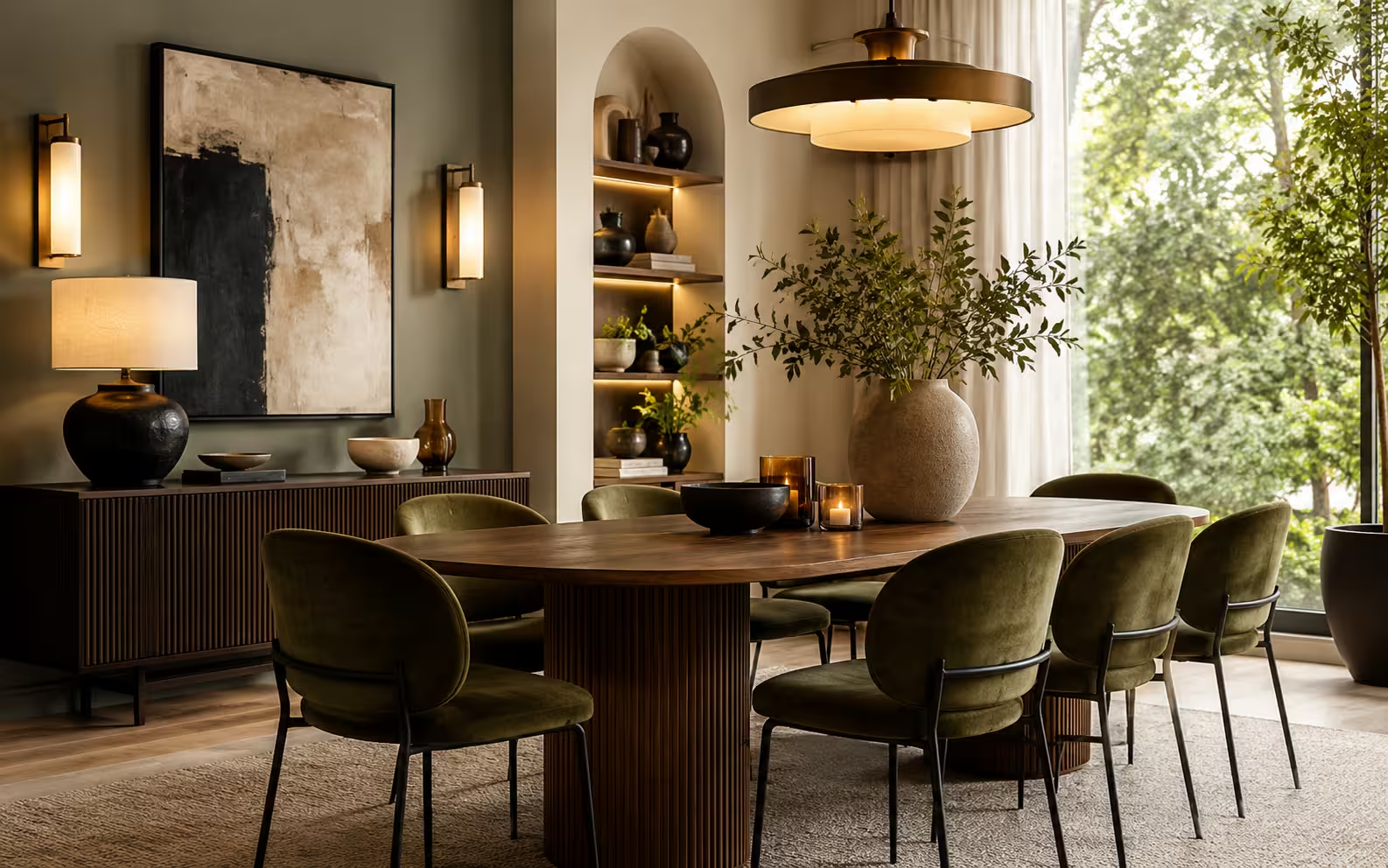
Evening-focused rooms can bear darker, moodier colour — deep blue, forest green, rich terracotta — in a way that a daytime room can’t. Atmosphere takes precedence over brightness when the primary lighting is artificial and candlelight. A north-facing dining room that rarely catches direct sun is actually an ideal candidate for the colours that intimidate people on south-facing walls. The room will always be lit artificially when you’re using it; lean into that rather than fighting it.
Daytime dining spaces need warmth that comes from material quality and natural light management, not just paint colour. The more a dining area is used throughout the day, the more it benefits from furniture that invites lingering — comfortable chairs, a table that doesn’t feel too precious to use casually.
The Table: Don’t Compromise Here
A dining table is the one piece of furniture in this room that earns its cost every single day. It anchors everything else. Get it right and the rest of the room has something to work with. Get it wrong and nothing else quite compensates.
The practical priorities: it should be genuinely sturdy (mid-meal panic about a wobbly surface is miserable), it shouldn’t be so precious that you’re anxious about it being used, and it should seat the number of people you actually host — not the number of people you theoretically might.
On style: antique and vintage tables perform exceptionally well here. A scrubbed-top oak table from around the 1840s, a Spanish refectory piece from the 17th century, a 1930s French piece — these have already demonstrated that they last. They also bring a material quality and a sense of history that newly made pieces at similar price points rarely replicate. Auction houses, Vinterior, and good antiques dealers are worth exploring before you commit to anything new. A solid second-hand table at £400 will often outperform a flat-pack equivalent at £600.
For small spaces, the drop-leaf table is genuinely underrated. Designer James Shaw solved a tiny floor plan in east London by creating a pear-shaped table that seats two at one end and four or five at the other — a reminder that the shape of a table can be a solution to a layout problem, not just an aesthetic preference.
Round tables reward small rooms particularly well. They read slightly less formal than rectangular tables, allow conversation across the whole group more easily, and don’t have “head of the table” hierarchy built into them. For rooms that double as something else during the day, that informality can make the space feel more versatile.
Chairs: Comfort Is Not Optional
Uncomfortable dining chairs end conversations early. That’s not an exaggeration — there’s a direct relationship between how long people want to stay and whether they’re physically comfortable.
The rule most designers live by: sit in a chair for at least ten minutes before buying it for a dining room. Not a few seconds. Ten minutes. You’ll immediately know whether the proportions work for extended sitting.
Should dining chairs all match?
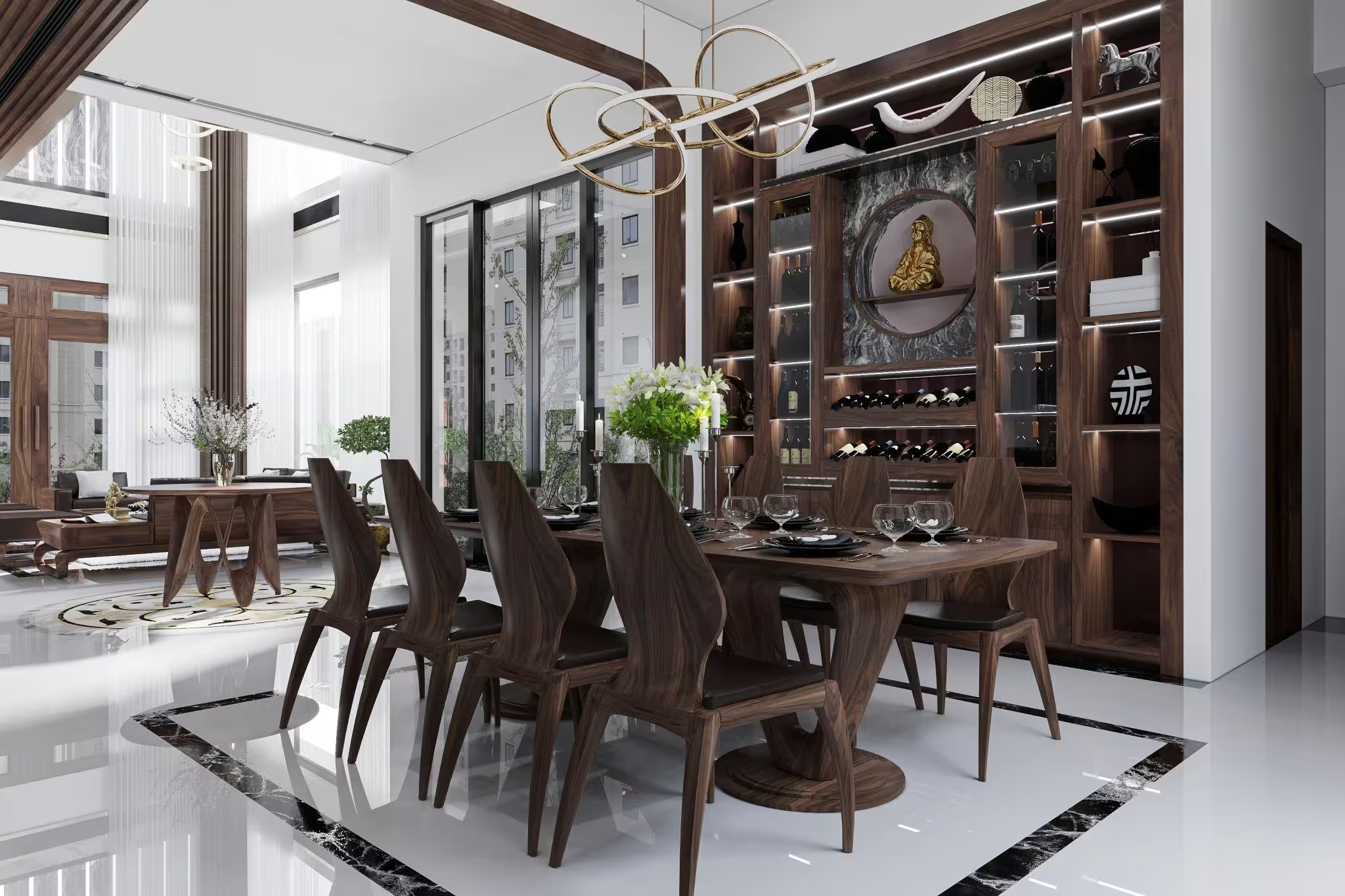
No. And matching everything rigidly often produces the flattest result. A set of identical chairs around a dining table reads like a catered event rather than a home.
The better approach is to mix with a governing principle. One designer’s kitchen-diner pairs vintage 1980s chairs with 1970s pieces — they share a similar scale and era, which creates coherence without uniformity. Another room might use the same chair design throughout but in different upholstery colours, which gives consistency of form with variation of surface. A third approach: mismatched chairs in the same material (all wood, all rattan, all upholstered in different linens) that share a material logic even when their shapes differ.
The guardrail is restraint. Two or three chair designs, maximum. More than that and it starts to look like furniture storage rather than considered selection.
Upholstered chairs — whether in velvet, leather, linen, or cut velvet — add a level of comfort and visual warmth that bare wood rarely matches. If budget is a constraint, buying bare frames from antique dealers and having them recovered is often cheaper than buying good upholstered chairs new. The results are usually better too.
Lighting Above the Table Is the Single Most Transformative Decision
Most dining rooms get this partially right. A pendant above the table — yes. But the height is often wrong, the bulb is too cool, and the dimmer is missing.
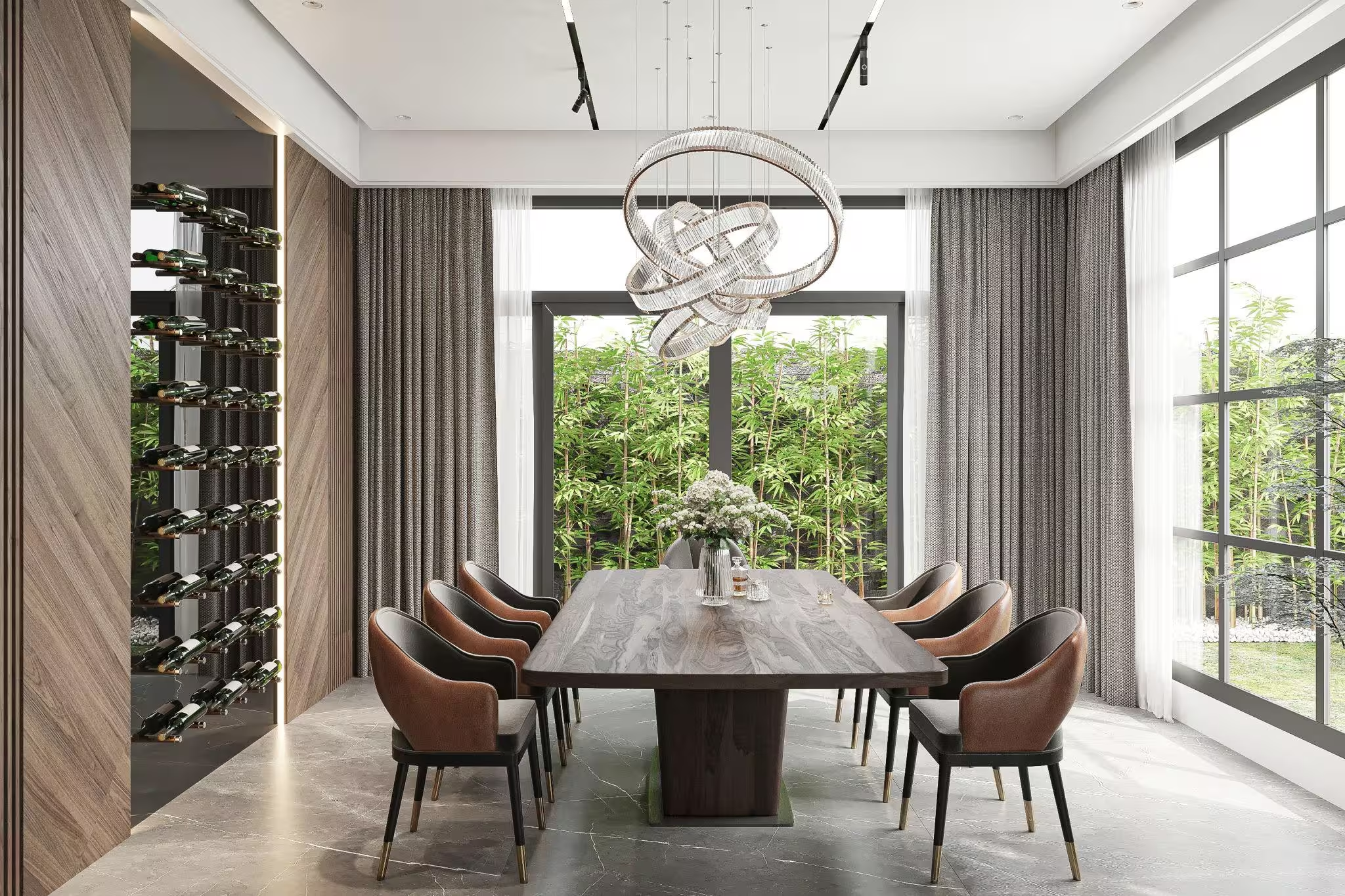
The correct hang height for a pendant above a dining table is roughly 75–90cm between the bottom of the fitting and the tabletop. Lower than that and it interferes with sightlines across the table. Higher and it loses its anchoring effect and spreads light too broadly.
Warm-white bulbs, always. The 2700K range. Cool or neutral white light makes food look less appetising and strips out the warmth from faces and surfaces that makes a dinner table feel inviting.
Rise and fall pendants
A rise-and-fall pendant — the kind that can be adjusted in height — is particularly useful above dining tables that serve multiple functions. Lower it for a dinner party. Raise it when the table becomes a workspace. They also solve the problem of getting the height wrong before you’ve committed to a fixed fitting.
Chandeliers in smaller rooms
Chandeliers often get reserved for large formal rooms. This is a missed opportunity. In a smaller dining space — a kitchen-diner, a dining nook, a compact dedicated room — a chandelier with some scale and character can be the piece that transforms the room from practical to memorable. Brass-framed, antique, or handcrafted pieces catch candlelight in ways that solid pendants don’t.
Put everything on a dimmer. Bright light for preparing and clearing; low light for eating and conversation. This single addition changes how a room feels more than almost any other decision, and it costs very little. Our guide to the best chandeliers for dining rooms covers the options worth considering at different price points.
Colour: When to Go Dark, When to Go Bold
The dining room is one of the places in a home where committing to a strong colour decision almost always pays off. The room is typically smaller than a living room, the walls are closer, and the evening lighting is warm and controlled. In that context, depth and richness work better than you’d expect.
Deep blue — particularly Edward Bulmer’s ‘Azurite’ or Farrow & Ball’s ‘Hague Blue’ — reads extraordinarily well in a north-facing room used primarily in the evenings. What looks heavy in a showroom photograph becomes enveloping and warm when you’re sitting inside it with candlelight and warm-white artificial light reflecting off polished wood and glassware. One designer applied this logic to a 17th-century house and described the effect at night as magical. That’s not hyperbole; it’s what warm light does to a deep colour.
Limewash finishes — which create a slightly uneven, texture-absorbing wall surface — are increasingly popular in dining rooms precisely because they interact with candlelight in a way that flat paint doesn’t. The slight variations in the surface catch light at different angles and give a room a warmth and depth that’s very difficult to replicate with standard emulsion.
For rooms where commitment feels like too much risk, this is worth saying directly: paint is the most reversible design decision in the room. A tin of paint costs less than a single dining chair. The colour that intimidates you on a website usually looks different — often better — on the actual wall of your actual room. Test it. Commit to it. The rooms that stay in the memory are rarely the ones that played it safe.
For specific colour direction, minimalist dining room styling ideas covers neutral palette thinking, while farmhouse dining room decor trends goes deeper on earthy, warm-toned approaches.
Defining a Dining Area in an Open-Plan Space
This is the question most dining room content ignores, despite being the situation most people are actually in.
The good news is that you don’t need architectural separation to create a genuine dining zone. You need visual anchors.
A rug is the most powerful one. It defines the footprint of the dining area immediately and legibly — anything sitting on it belongs to the dining zone, anything off it doesn’t. The rug needs to be large enough that all four chair legs sit on it when chairs are pulled out for sitting. Undersized dining rugs are one of the most common furniture mistakes in open-plan spaces, and they make the zone feel tentative rather than defined. Our best rugs for dining rooms guide covers size, material, and pile height choices worth knowing before you buy.
A pendant hung directly above the table is the vertical anchor. Even without walls, a light source positioned low above the table creates a zone of intimacy. The light defines where the room is, even in the middle of a larger space.
Wall lights, open shelving, or a sideboard positioned behind the seating on one side creates a sense of backdrop — a visual boundary that gives the dining area a defined “back wall” even when no actual wall exists.
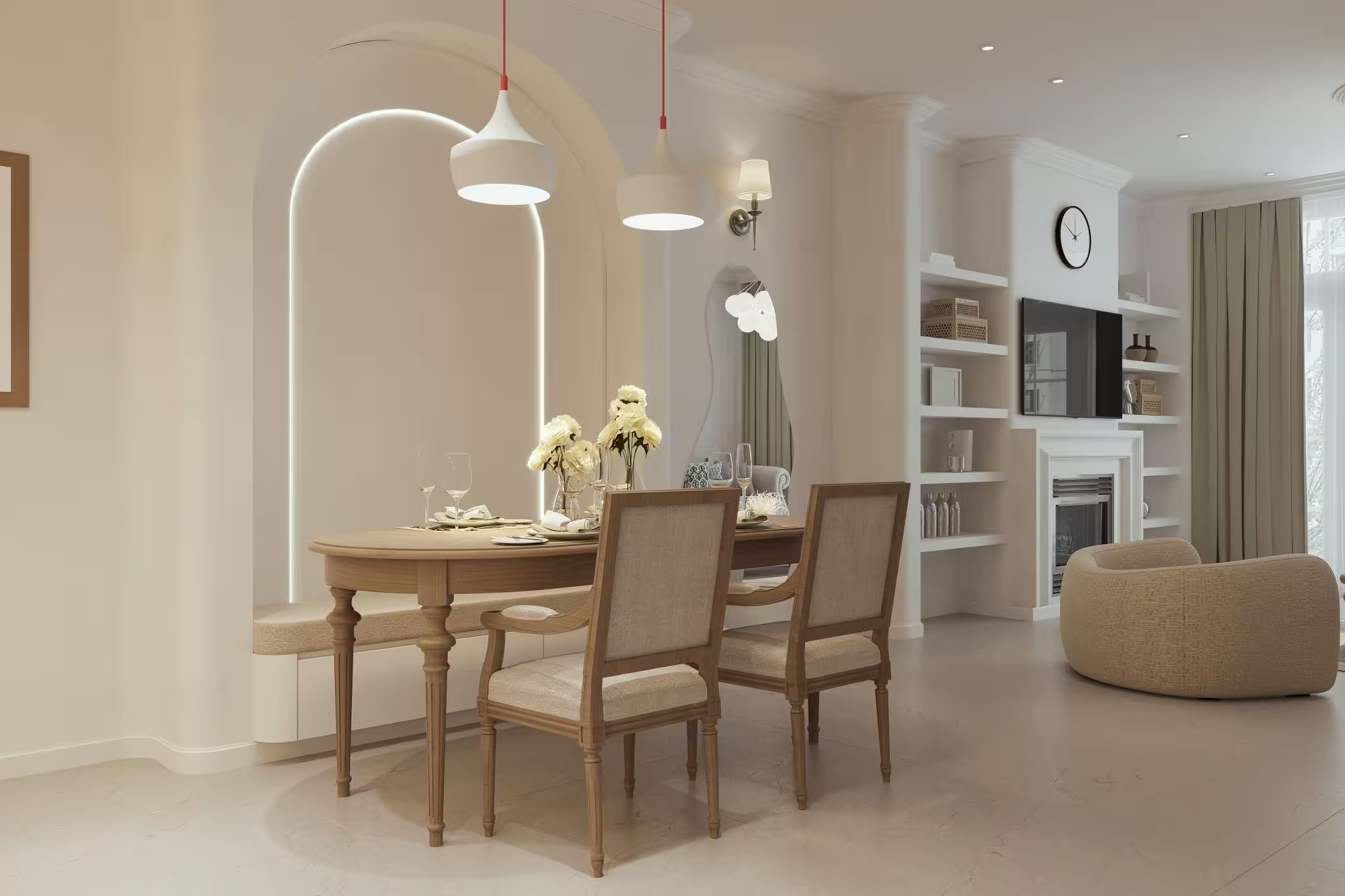
Banquette seating built into a corner or against a partition wall is worth considering for open-plan spaces. It creates a sense of enclosure from one or two sides, which makes the dining area feel contained and deliberate. It also makes conversation easier — face-to-face seating across a banquette is more naturally intimate than chairs arranged around a free-standing table in the middle of an open floor.
One Stockholm designer’s approach to a tiny flat is worth stealing: he treats the open plan as a collection of “rooms within rooms,” each with its own centre of gravity. The dining area has its own light, its own rug, its own facing furniture — so it reads as a space even though it shares a larger volume. The principle scales to any open-plan layout.
The Sideboard, the Drinks Area, and Everything That Isn’t the Table
A sideboard is often the most undervalued piece in a dining room. Practically, it provides a surface for serving — somewhere to set dishes before they reach the table, somewhere for wine and water, somewhere for the things that accumulate during a meal. It also houses the tableware and glasses that otherwise need to live somewhere else in the house.
But a sideboard does something else: it gives the room a second focal point. A beautiful piece of furniture on a wall, styled with objects — ceramics, artwork, lamps, a decanted drinks tray — transforms a dining room from a table-in-a-space into a proper room. The table becomes the centre; the sideboard becomes the frame.
A dedicated drinks area takes this further. Whether it’s a section of the sideboard, a separate vintage bar cart, or a cupboard with a lacquered interior, having somewhere that’s specifically arranged for drinks and hospitality signals something about a room. It says the space has been thought about, that hosting matters here, that this is somewhere worth arriving.
It’s one of the simplest ideas in this article and one of the most impactful. Dining table centrepiece ideas and luxury dining room inspiration both cover the styling side of this in more detail.
Small Dining Rooms: What Actually Works
The standard advice — round table, mirror, light colours — is fine. It’s also incomplete.
Banquette seating built into a corner removes the clearance requirement of freestanding chairs on two sides of the table. That recovered floor space is significant in a small room. It also creates a more intimate, booth-like quality that people tend to love.
Shelving or joinery built around a dining area in a small space does two things simultaneously: it provides storage and it creates the sense that the dining zone has been designed specifically for that corner of that room, rather than installed as furniture. When Tamsin Saunders integrated a banquette into bookshelf alcoves in her London home, the dining area stopped feeling like furniture in a room and started feeling like architecture.
Furniture that doubles as something else during the day — a table used for work, a sideboard used as a home office surface — is worth planning for rather than leaving to chance. The layout and storage decisions you make now will determine whether this works or creates daily frustration.
For a full breakdown of compact dining solutions, small dining room decor hacks covers the specific constraints and real solutions in detail.
Mixing Old and New: The Principles That Actually Work
Mixing furniture from different periods and sources is almost always more interesting than a matched set. The rooms that stay in your memory are rarely the ones where everything came from the same collection.
But “mix and match” without principles is just an assembly. The rooms that work have a governing logic, even if it’s not always consciously articulated.
One reliable principle: share a material or era. Different chairs that are all made of dark wood, or different chairs from different designs but all from the 1960s–70s, create visual coherence even when the shapes vary. Another: keep scale consistent. A petite antique chair and a large modern upholstered piece at the same table look incongruous; chairs of roughly similar visual weight hold together regardless of period.
Finding pieces takes more time than buying a set. Vinterior, eBay, Etsy, local auction houses, salvage dealers — all are legitimate sources and regularly produce pieces at prices that make the assembled result cheaper, not just better, than buying retail. The sourcing is part of the story of the room, and that story is part of what makes it feel personal.
A budget-first approach to this is covered in detail in budget dining room makeover ideas — including how to stretch a modest spend across furniture, lighting, and styling to genuinely transformative effect.
FAQs
The right lighting above the table — warm, dimmable, hung at the right height — is the single most impactful factor. After that: chairs that people actually want to sit in for hours, a defined space anchored by a rug or joinery, and at least one genuinely personal element — art, a drinks area, a piece of furniture with a story behind it.
A rug large enough for all chair legs to sit on it when chairs are pulled out defines the footprint. A pendant hung directly above the table creates the vertical anchor. A sideboard or wall lights behind one side of the seating gives the zone a visual boundary. Together, these make an open-plan dining area read as a proper space rather than furniture floating in a larger room.
A pendant or chandelier hung roughly 75–90cm above the tabletop. It should be on a dimmer and use warm-white bulbs in the 2700K range. A rise-and-fall pendant is particularly versatile if the table doubles as a workspace during the day. Avoid cool white bulbs — they strip out warmth from faces and food alike.
No — and matching rigidly often produces the flattest result. The better approach is to mix with a governing principle: shared material, shared era, or shared scale. Limit yourself to two or three distinct designs. Upholstered chairs can differ in fabric while sharing a frame; wooden chairs can differ in design while sharing a tone. More than three different chair types usually reads as uncurated.
For rooms used mainly in the evenings: dark, moody colours — deep blue, forest green, rich terracotta — reward the warm artificial light and create an enveloping quality. For north-facing rooms, this applies even more strongly. For daytime kitchen-diners: warmer neutrals and earthy tones perform better through changing daylight. The rule of thumb is that deep colours need warm light to come alive; don’t judge them under cool overhead fluorescents.
A rug (sized correctly — larger than most people expect), a single statement pendant directly above the table, and one piece of furniture behind the seating that creates a sense of backdrop. These three changes define the space without structural work. For renters, all three are reversible. Small dining room decor hacks covers the layout logic in more detail.