Estimated reading time: 8 minutes
Last updated on June 8th, 2026 at 09:20 am
I used to think my living room felt small because of the room itself. Turns out, the real problem was my furniture layout. I had a bulky sofa that looked fine online but somehow swallowed half the room in real life. Classic mistake.
The first time I switched to a sectional sofa, the whole space felt more open and usable. I suddenly had better seating, clearer walkways, and fewer awkward empty corners collecting laundry I pretended not to see.
A good sectional doesn’t just add seats. It shapes the room. It tells people where to sit, relax, and honestly… where not to pile random shopping bags.
If you’re trying to make your living room feel bigger, smarter, and more comfortable without knocking down walls, these sectional sofa ideas can genuinely help.
- 1. Go for an L-Shaped Sectional in Small Living Rooms
- 2. Use a Sectional with Built-In Storage
- 3. Try a Modular Sectional for Flexible Layouts
- 4. Add a Chaise Section for Better Flow
- 5. Choose Low-Profile Modern Sectionals
- 6. Float the Sectional in Open-Plan Spaces
- 7. Pick Light Colours to Make the Room Feel Bigger
1. Go for an L-Shaped Sectional in Small Living Rooms
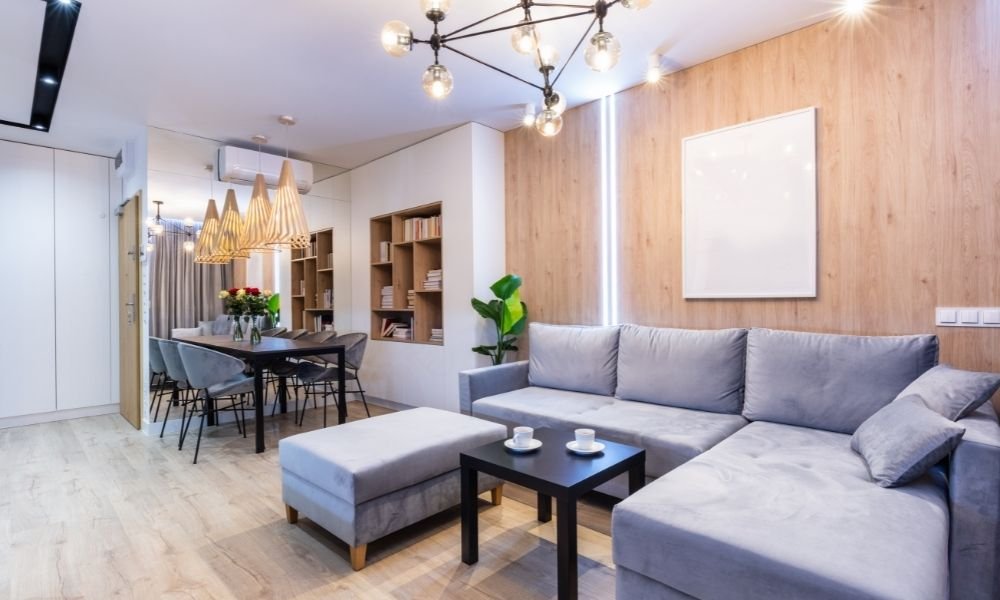
An L-shaped sectional is usually the safest choice for smaller living rooms. It fits neatly into corners and opens up the middle of the room instead of blocking it.
I like this layout because it creates structure without making the room feel crowded. You still get enough seating for guests, but the sofa doesn’t dominate everything around it.
This works especially well in apartments, narrow living rooms, or open-plan spaces where you need furniture to define zones naturally. Pairing it with a slim coffee table keeps things balanced.
I once made the mistake of choosing an oversized sectional with chunky arms. It looked luxurious for about two days. Then I realised I had to turn sideways just to walk past it.
Quick tip: Choose slim arms and raised legs to create a lighter look, Neutral colours make the sectional feel less heavy visually, It uses corner space efficiently and keeps the room visually open.
If you love classic comfort with cleaner proportions, I’ve shared more ideas in my guide on Lawson sofas.
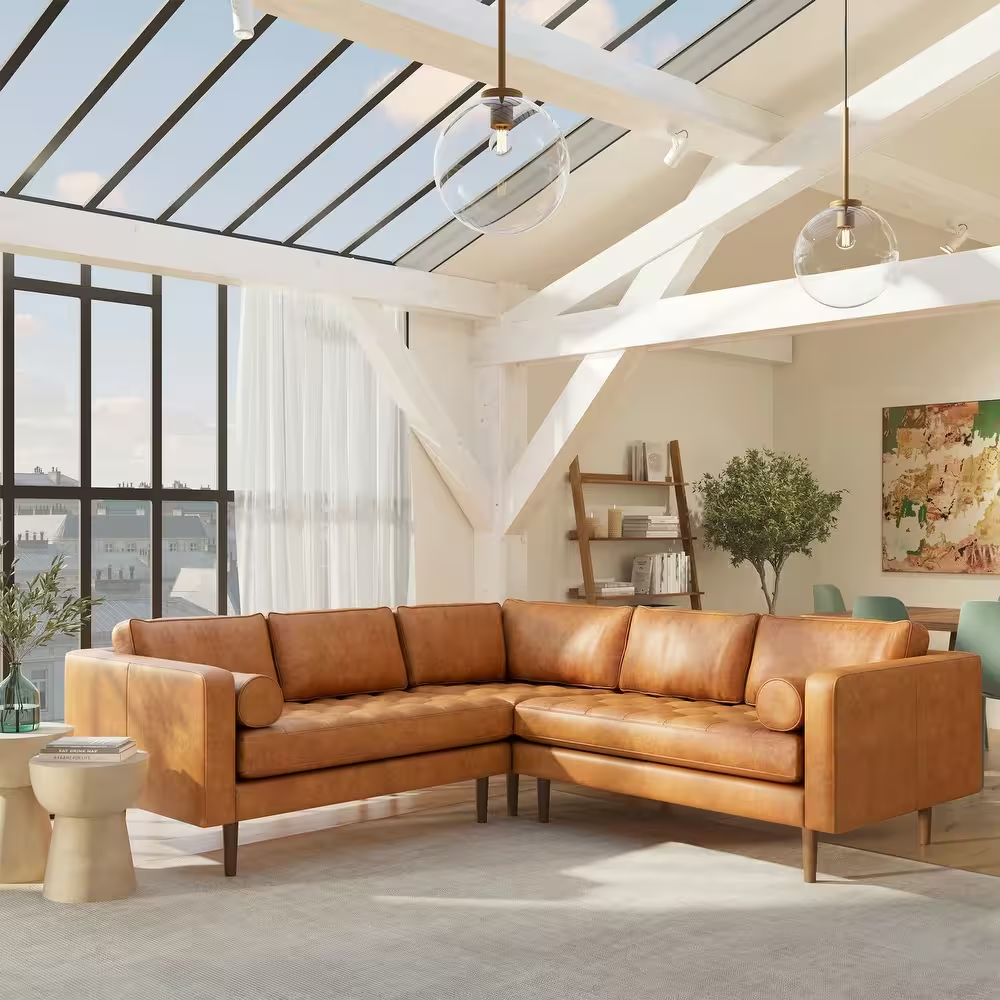
2. Use a Sectional with Built-In Storage
A sectional with hidden storage can quietly solve half the clutter problems in a living room. Blankets, extra pillows, kids’ toys, random chargers — everything suddenly has a home.
I especially like storage sectionals for family spaces where the room gets used all day. It keeps the area looking cleaner without needing extra cabinets or baskets everywhere.
The best designs usually hide storage inside the chaise section. You lift the seat, toss things inside, and your living room instantly looks more organised than it actually is. I fully support furniture that helps me fake being tidy.
This style fits best in smaller homes, apartments, and multipurpose spaces where every inch matters.
Small detail: Soft-close storage lids feel much more premium, Avoid overstuffing the storage section or the cushions may lose shape faster. It combines seating and storage without adding bulky furniture.
If you need even more multifunctional furniture, you can explore more in my guide on sofa bed ideas.
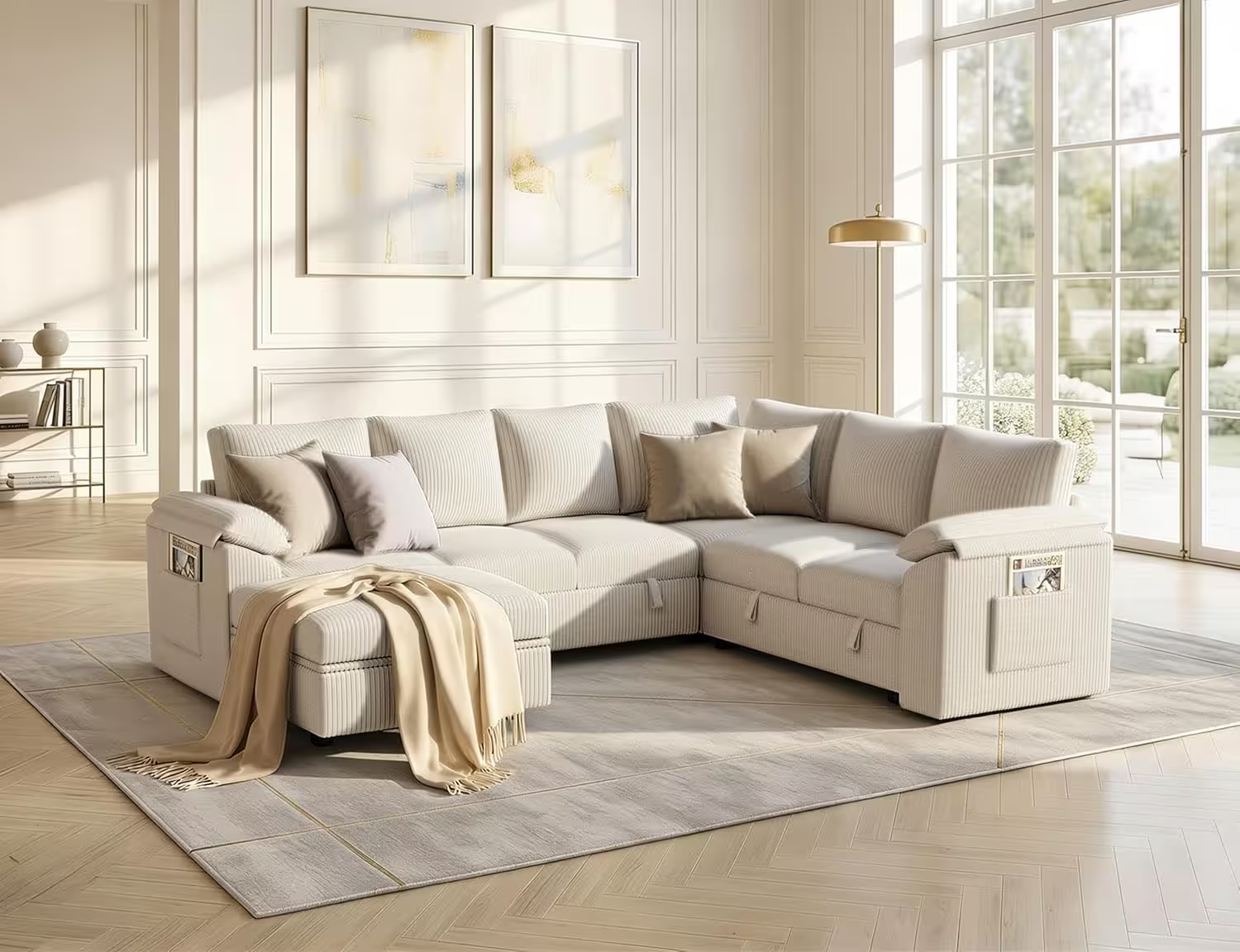
3. Try a Modular Sectional for Flexible Layouts
Modular sectionals are ideal if you like changing your layout occasionally or move homes often. Each piece can be rearranged depending on the room size or your needs.
I didn’t understand the appeal until I helped a friend rearrange her living room three different ways in one afternoon. Meanwhile, my old sofa behaved like a stubborn fridge.
These sectionals work beautifully in open-plan homes because you can adapt the shape over time. Add extra seating later, separate pieces for guests, or create a larger lounge setup during holidays.
They also suit people who work from home and need flexible seating for relaxing, reading, or casual meetings.
Quick tip: Choose modules with secure connectors so pieces don’t slide apart, Low-profile modular sofas help modern spaces feel cleaner. It adapts easily to different room sizes and lifestyles.
For a sleek modern look, I covered this in detail here: Tuxedo sofas.
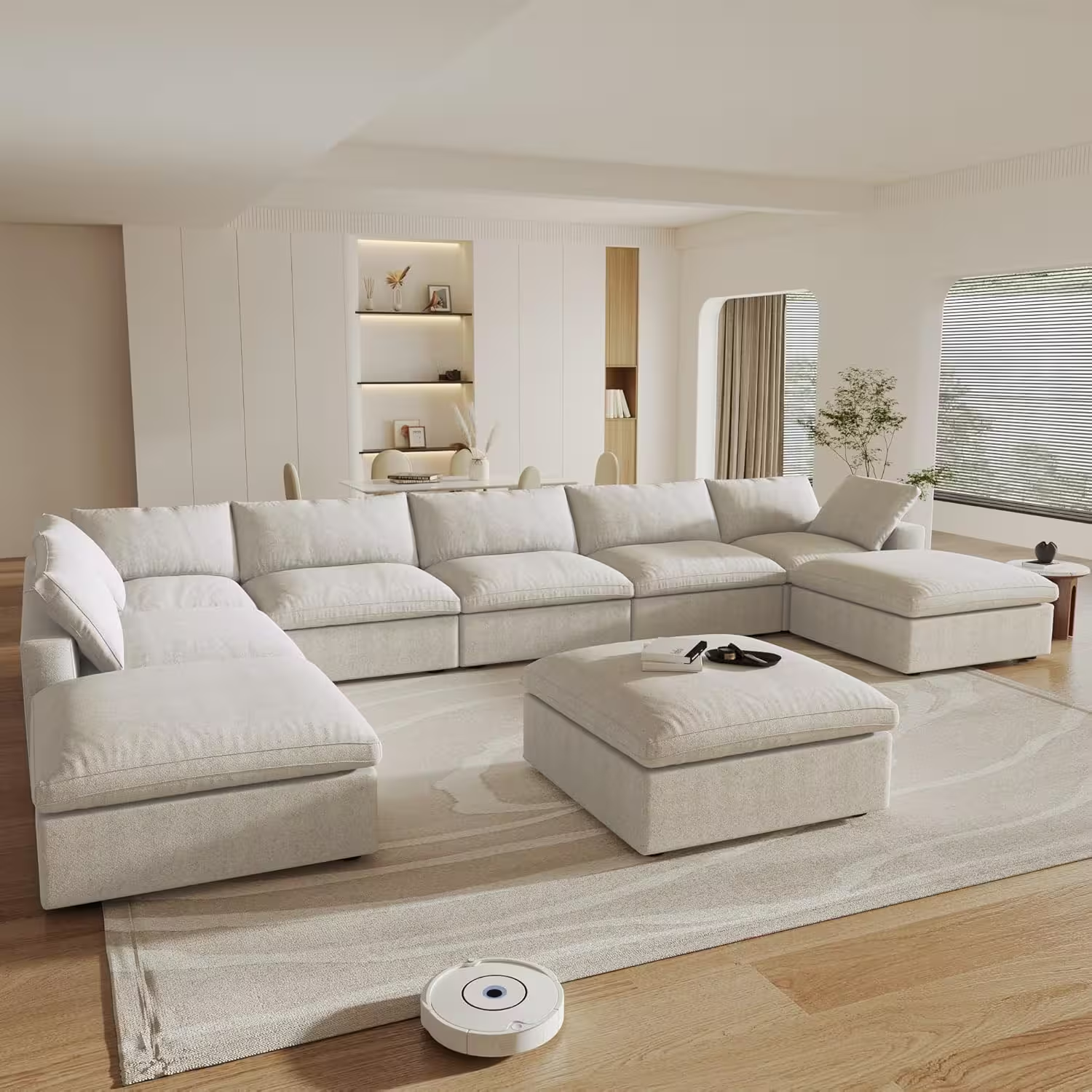
4. Add a Chaise Section for Better Flow
A chaise sectional gives you that stretched-out comfort without needing a giant sofa. It’s one of my favourite ways to make a room feel relaxed and functional at the same time.
The chaise naturally creates a lounging spot while keeping the rest of the room open. Unlike oversized recliners, it doesn’t visually interrupt the layout as much.
This setup works best in medium-sized living rooms where you want comfort but still need good walking space around the furniture.
One thing I learned quickly: always check whether the chaise is left-facing or right-facing before ordering. Otherwise, your “perfect layout” becomes a very creative problem-solving session.
Small detail: Place a floor lamp beside the chaise for a cosy reading corner, A lighter fabric keeps large sectionals from feeling too bulky. It creates comfort zones without overcrowding the room.
If you enjoy relaxed seating layouts, you might also like my guide on chaise lounge ideas.
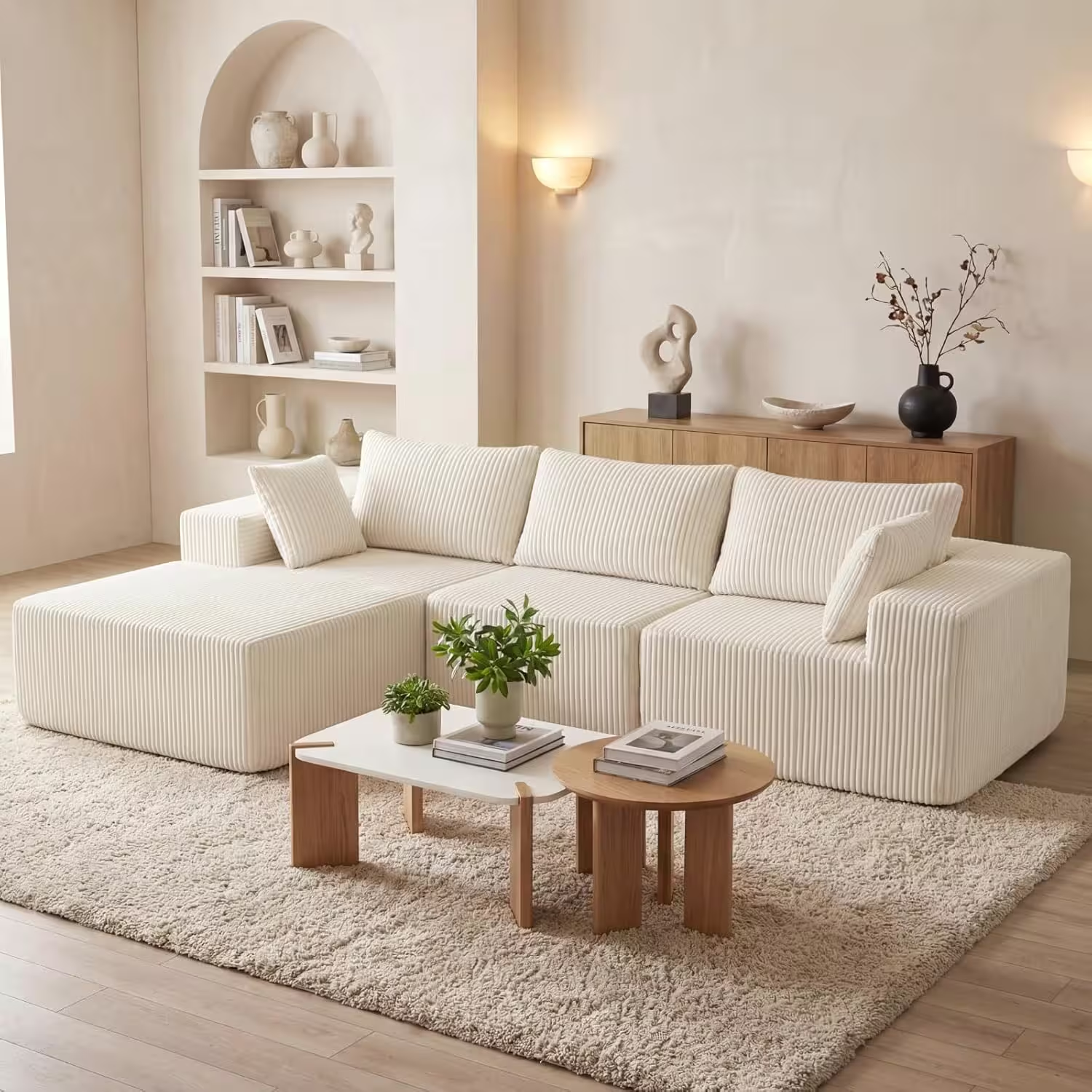
5. Choose Low-Profile Modern Sectionals
Low-profile sectionals make ceilings appear taller and rooms feel less crowded. The difference sounds small, but visually it changes everything.
I usually recommend this style for modern apartments or homes with limited natural light. Tall, bulky sofas can make a room feel boxed in surprisingly fast.
A cleaner silhouette also helps smaller rooms feel calmer. There’s less visual heaviness, especially when paired with open shelving or slim-legged furniture.
Personally, I think modern low-profile sectionals age better stylistically too. They tend to survive trend cycles longer than oversized “mega couches” that look amazing for six months and outdated by next year.
Quick tip: Stick with simple fabrics like linen blends or textured neutrals, Add warmth through cushions instead of oversized sofa details. It creates an airy, uncluttered look while still offering plenty of seating.
If you prefer clean-lined furniture, you can explore more in my guide on mid-century modern sofas.
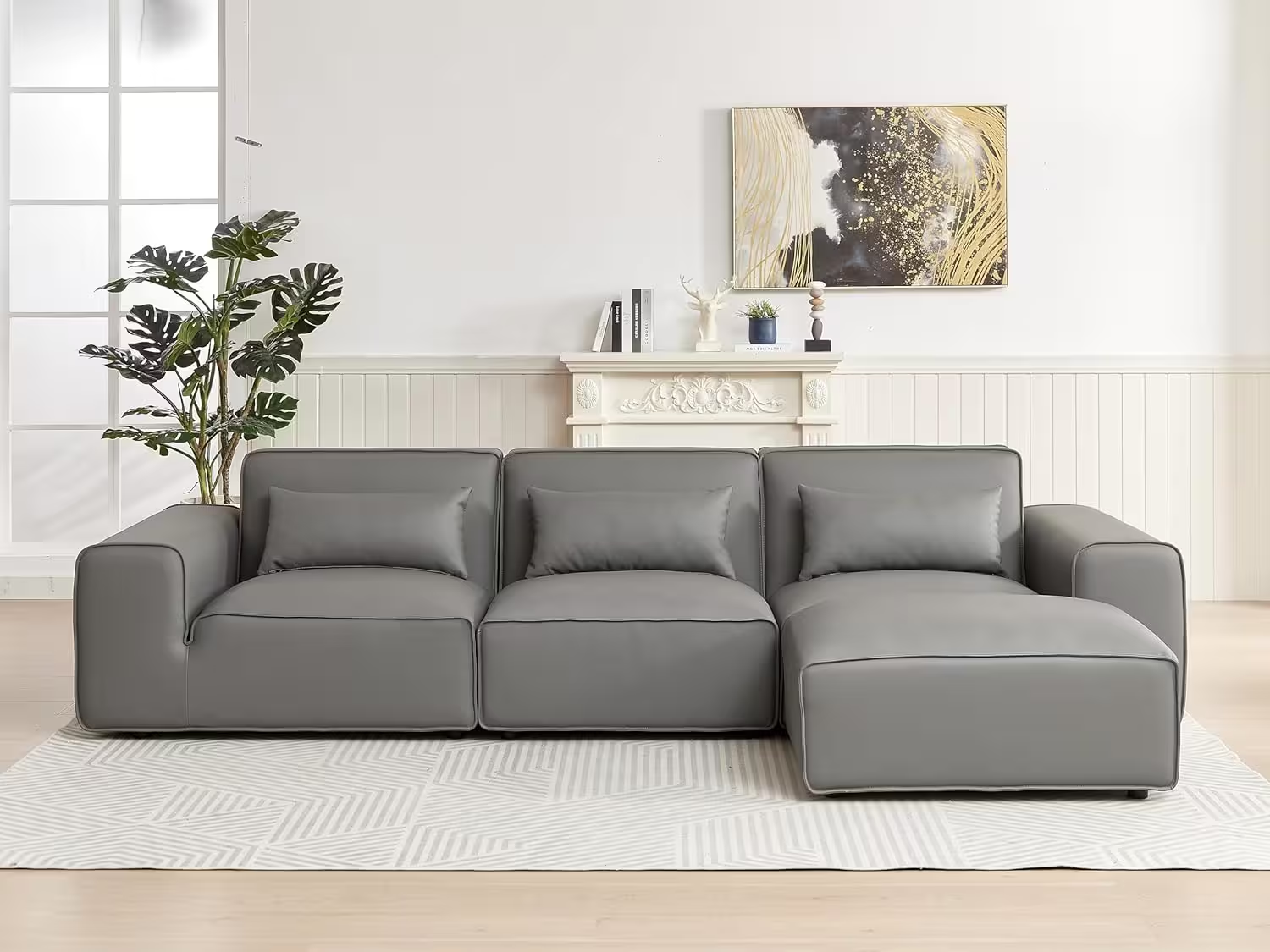
6. Float the Sectional in Open-Plan Spaces
Not every sectional needs to sit against a wall. Floating a sectional in the middle of an open-plan room can actually make the space feel more intentional.
I love using this trick in combined living and dining areas. The sectional acts like a soft divider without needing walls or bulky shelving units.
This layout works best with larger sectionals that have finished backs. Trust me, the back matters more than people realise. Nobody wants to stare at exposed zippers during dinner.
You’ll also want enough walking space around the sofa so the room still feels open and easy to move through.
Small detail: Use a large rug underneath to anchor the seating area, Leave at least 75–90 cm of walking space around the sofa. It helps define separate zones in open layouts naturally.
For a more traditional luxury feel, I’ve shared similar layout inspiration in my guide on Chesterfield sofas.
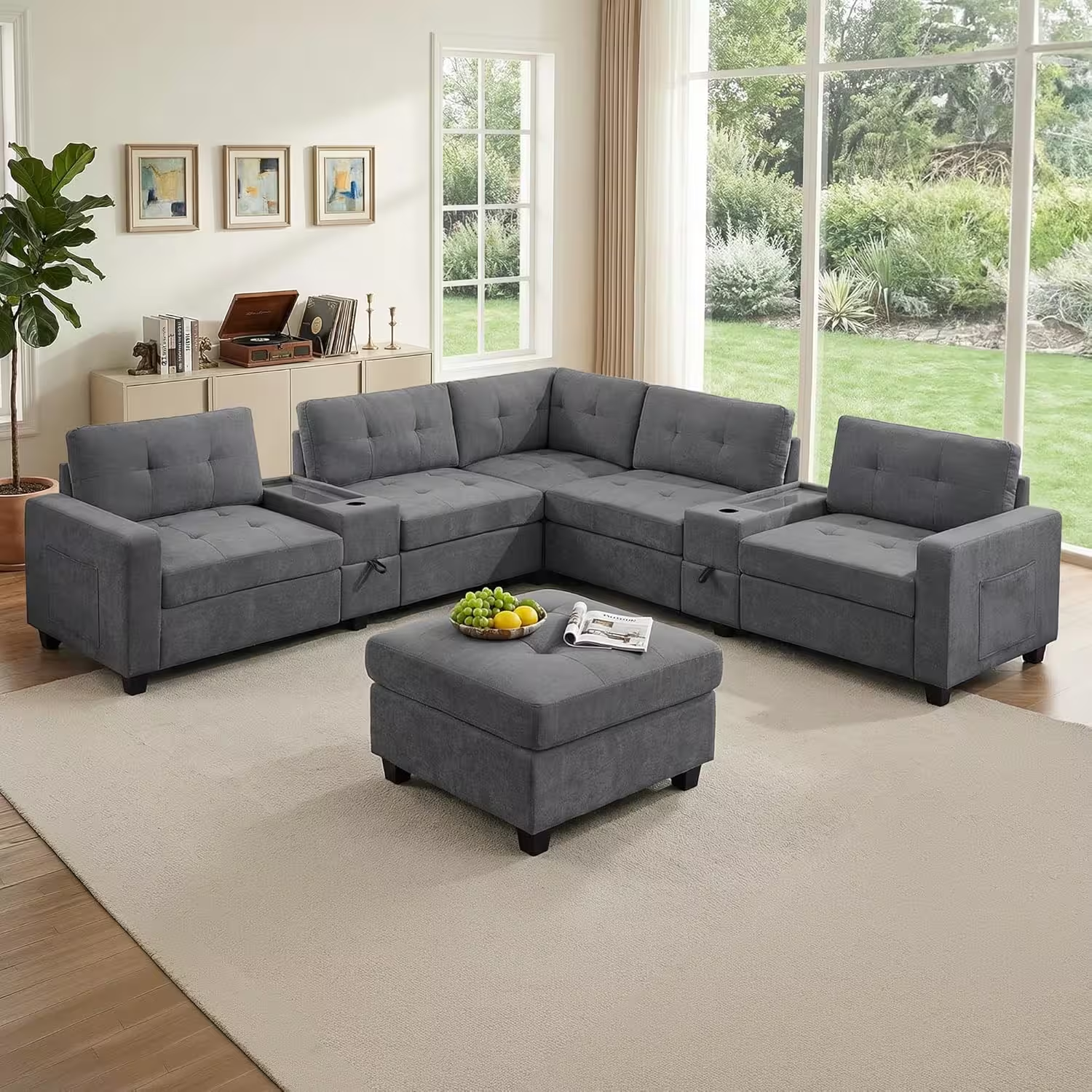
7. Pick Light Colours to Make the Room Feel Bigger
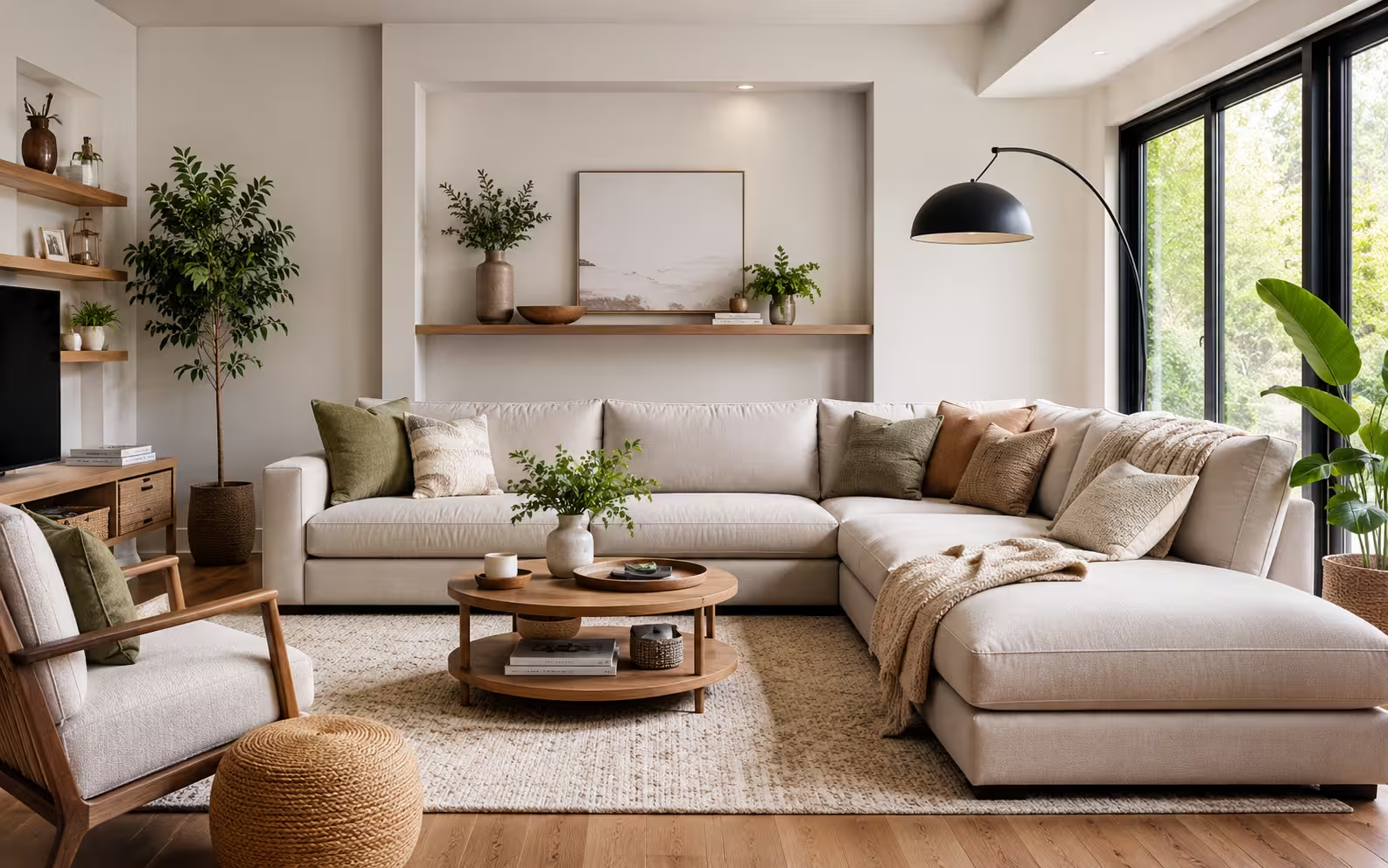
Colour changes the way a sectional feels almost as much as its size. Light shades like beige, soft grey, cream, or warm white can make a room feel noticeably larger.
I used to avoid lighter sofas because I assumed they’d be impossible to maintain. Then I discovered washable covers and performance fabrics. Life-changing moment.
Light-coloured sectionals reflect more natural light and visually soften the edges of large furniture. This works especially well in compact spaces with limited windows.
That said, pure white can sometimes feel too stark in everyday homes. I usually prefer warmer neutrals because they hide minor wear better while still keeping the room bright.
Quick tip: Choose textured fabrics to hide daily wear more easily, Layer darker cushions for contrast without making the room feel smaller. Lighter tones create openness and reduce visual heaviness.
If you’re decorating a tighter seating area, you may also like my ideas for loveseat sofas for small living rooms.
I’ve realised over time that a living room rarely needs more stuff. It usually just needs smarter furniture choices.
The right sectional can quietly fix awkward layouts, improve comfort, and even make daily routines feel easier. Suddenly there’s space to stretch out, host friends, or simply drink coffee without balancing everything on one tiny side table.
That’s probably why I like sectionals so much now. They don’t just fill a room — they help the room function better.
And honestly, once you find a layout that finally makes your space feel calm and comfortable, you’ll probably want to save the idea before your future self forgets it during the next furniture shopping spiral.