Estimated reading time: 9 minutes
Most bathrooms get cleaned with twice as many products as necessary. There’s the tile spray, the separate grout spray, the “multi-surface” cleaner that somehow lives on the bathroom shelf despite never being used there, and three half-empty bottles of things bought on a whim. Sound familiar?
Here’s the thing: a genuinely clean bathroom doesn’t require a cabinet full of products. It requires the right ones — paired with the right tools. Once you’ve got that sorted, cleaning becomes faster, cheaper, and honestly a lot less annoying.
The Core Bathroom Cleaning Supplies You Actually Need
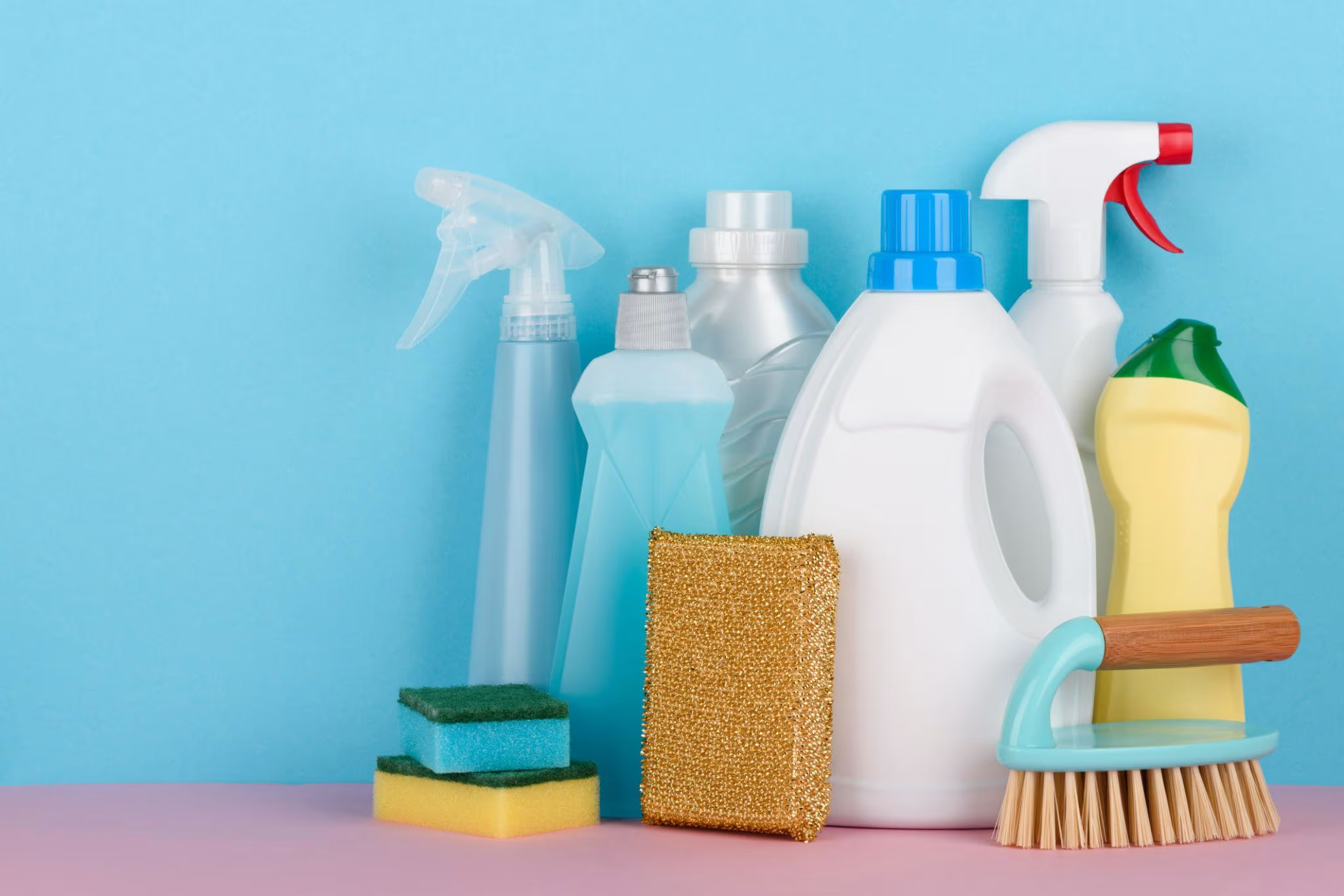
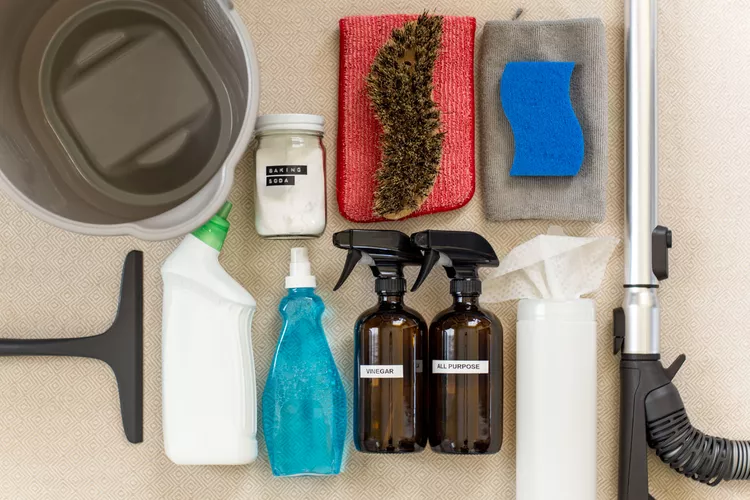
Before diving into the specifics, here’s a quick-reference list for anyone who just wants the answer:
- Disinfectant all-purpose cleaner
- Toilet bowl cleaner
- Tub and tile cleaner (or a DIY citric acid solution)
- Glass or mirror cleaner
- Microfiber cloths
- Toilet brush with holder
- Grout brush
- Squeegee
- Non-scratch scrub sponge
- Rubber gloves + a cleaning caddy
That’s it. Ten things. Everything else is optional.
The Cleaning Solutions Worth Buying
A Good All-Purpose Disinfectant Cleaner
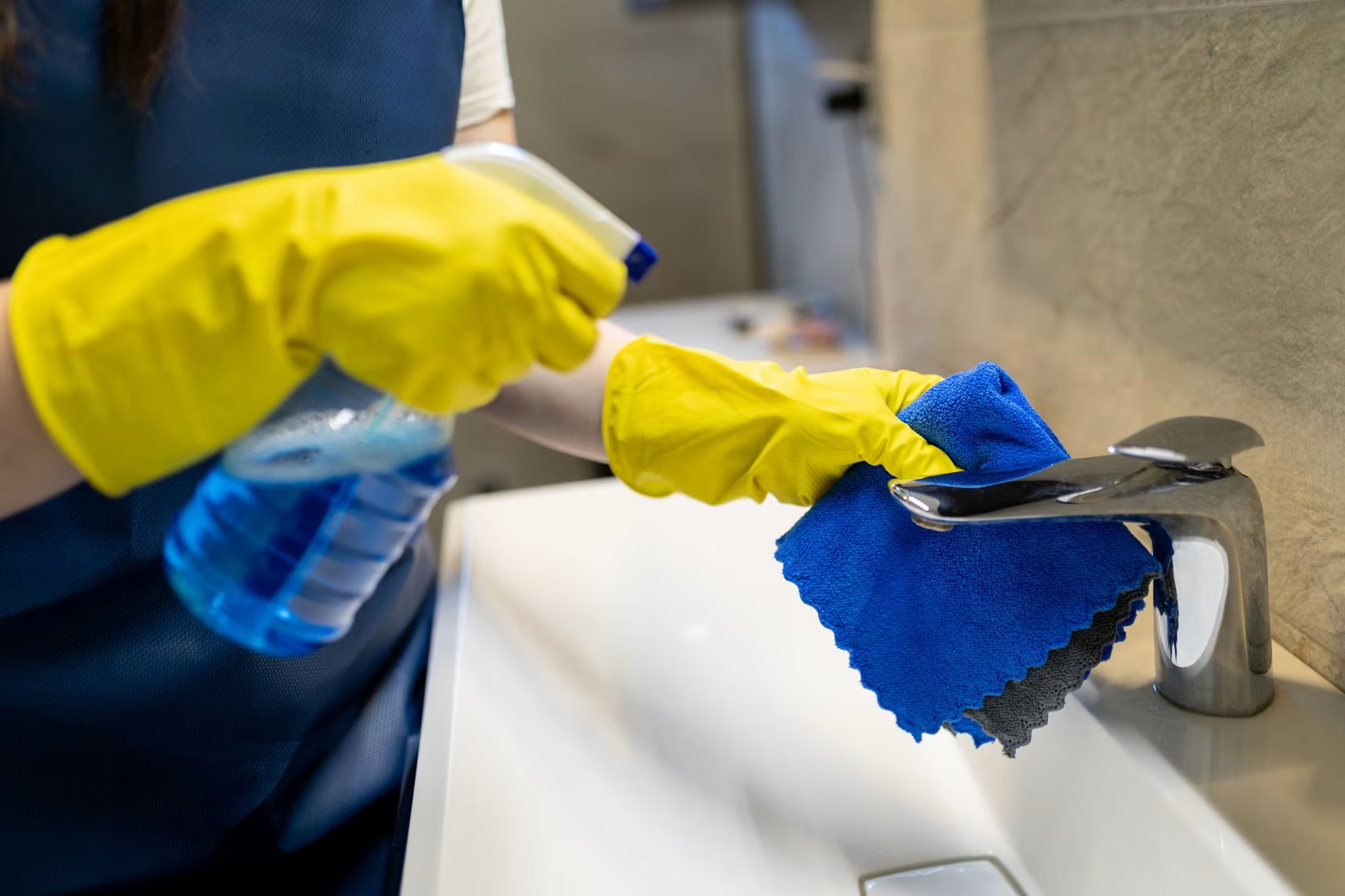
This is the one product doing the most work in your bathroom. It handles countertops, sink basins, faucet handles, the outside of the toilet — essentially any surface that gets touched regularly and picks up bacteria.
Look for something that genuinely disinfects, not just “cleans.” The label should indicate it kills common household bacteria and viruses. Spray, let it sit for 30 seconds or so, then wipe. That dwell time matters more than most people realise.
Toilet Bowl Cleaner
This one’s non-negotiable. Standard all-purpose cleaners aren’t designed to tackle what builds up inside a toilet — mineral deposits, limescale, and bacteria that cling to the bowl’s surface. A dedicated toilet bowl cleaner has the right acid concentration and cling to break that down effectively.
Apply it under the rim, let it sit while you clean everything else, then scrub and flush. That’s all it takes.
Tub and Tile Cleaner
Soap scum is one of those things that sneaks up on you. It starts as a light film and, if ignored long enough, turns into a genuinely stubborn layer that requires real effort to remove. A decent tub and tile spray — or a paste made with baking soda and a few drops of dish soap — cuts through it without too much elbow grease.
If you have natural stone tiles (marble, travertine), avoid anything acidic. Standard bathroom sprays and vinegar solutions can etch the surface over time. Stick to pH-neutral stone-safe cleaners for those.
Glass and Mirror Cleaner
Chrome fixtures and mirrors are the first things you notice in a bathroom, and they’re also the first to show water spots and smudges. A streak-free glass cleaner makes a significant difference here. Spray, wipe with a microfiber cloth in an S-pattern rather than circles, and you’ll get a genuinely clear finish instead of pushing the smear around.
The Tools That Make the Real Difference
Microfiber Cloths — Replace Your Paper Towels
Honestly, microfiber cloths are the single biggest upgrade most people can make to their cleaning routine. They trap dust and moisture rather than just spreading them around, they don’t scratch surfaces, and they work just as well slightly damp as they do dry.
After testing both extensively, microfiber cloths outperform paper towels every single time — especially on mirrors and chrome. Paper towels leave lint. Microfiber doesn’t. Keep four or five dedicated to the bathroom, wash them regularly, and they’ll last years.
Toilet Brush — Keep It Separate
A toilet brush should be used exclusively for the toilet interior. Keep it in a closed holder so it drip-dries after use and doesn’t sit in pooled water. Replace it every six months or whenever the bristles start to look worn — a degraded brush doesn’t clean effectively and becomes a hygiene issue itself.
Grout Brush
This is a small, stiff-bristled brush designed specifically for the narrow gaps between tiles. You don’t need it every week, but when grout starts to look grey or discoloured, this tool is what actually clears it — not a spray on its own. Pair it with a baking soda paste or a dedicated grout cleaner and work in short scrubbing strokes.
Honestly, you don’t need a separate tile cleaner and a grout cleaner. A stiff grout brush and your regular tile spray handle both jobs perfectly well.
Squeegee — The Best Passive Cleaning Tool There Is
Ten seconds after every shower. That’s all a squeegee takes. And that one habit prevents about 80% of the soap scum and hard water staining that most people spend much longer cleaning up after.
The science is simple: water deposits minerals as it evaporates. If the water’s already been removed from the glass, there’s nothing left to deposit. A squeegee hung inside the shower is one of those rare tools that earns its place immediately. If you don’t have one, get one before anything else on this list.
Non-Scratch Scrub Sponge
The dual-sided sponge — soft side for wiping, textured side for agitation — is a bathroom staple. Use the soft side on fixtures and painted surfaces, the scrubby side on the tub and tiles where more friction is needed. Avoid steel wool or harsh abrasive pads on acrylic baths and plastic fittings; they scratch permanently.
Cleaning by Problem: Targeted Recommendations
Hard Water Stains
Hard water deposits — the white, chalky buildup around taps and on shower screens — respond best to acid-based cleaners. White vinegar works well for mild buildup. For heavier mineral deposits, citric acid powder dissolved in water is more effective than bleach, which doesn’t actually dissolve calcium scale.
Apply, let it dwell for 10–15 minutes, then scrub. For toilet bowl hard water staining, a dedicated limescale remover left overnight typically clears even stubborn rings without heavy scrubbing. For a deeper approach, check out our guide on how to remove hard water stains from toilets and showers.
Mold and Mildew
Mold on grout and around sealant needs a product that contains bleach or hydrogen peroxide — those are the agents that actually kill mold spores rather than just bleaching the stain. Apply directly to the affected area, leave for the time indicated on the label, then scrub with the grout brush and rinse thoroughly.
Ventilation is the long-term fix. If mold keeps returning, the root cause is usually insufficient airflow rather than insufficient cleaning product.
Persistent Soap Scum
For heavy soap scum that’s built up over time, a cream cleanser (slightly abrasive) applied with a non-scratch sponge tends to work better than a spray alone. Let it sit for a minute before scrubbing. After clearing it, maintaining with a squeegee and a weekly spray-and-wipe prevents it from building back up.
Eco-Friendly vs. Chemical Cleaners: The Honest Trade-Off
There’s no need to be preachy about this — both approaches work. Here’s a straightforward comparison:
| Eco/Natural Cleaners | Standard Chemical Cleaners | |
| Effectiveness | Very good for routine cleaning | Faster on heavy buildup |
| Surface safety | Safer on stone and delicate surfaces | Some can etch natural stone |
| Scrubbing time | Slightly more required | Less effort needed |
| Safety | Child and pet-safe when dry | Needs ventilation during use |
| Cost | Comparable to mid-range chemical brands | Wide price range |
| Mold killing | Hydrogen peroxide versions work well | Bleach-based products most effective |
The practical takeaway: for weekly maintenance cleaning, natural products handle the job fine. For deep cleaning a neglected bathroom or tackling stubborn mold, conventional chemical cleaners tend to be more effective. Many people use both — natural for routine upkeep, chemical for periodic deep cleans.
If you’re interested in a full breakdown, our guide on the best natural bathroom cleaners covers eco alternatives in more detail.
Safety: Never Mix These Cleaning Products
This is genuinely important and surprisingly undermentioned in most cleaning guides.
Never mix bleach with vinegar. The combination produces chlorine gas, which is toxic even in small amounts.
Never mix bleach with ammonia. Many glass cleaners and all-purpose sprays contain ammonia — check labels before combining anything with bleach.
Never mix different drain unblockers. Combining chemical drain products can cause violent reactions.
When in doubt, rinse surfaces thoroughly with water between applying different products. Store chemicals in their original containers, and never decant bleach or concentrated cleaners into unmarked bottles.
Keep It Organised: The Cleaning Caddy
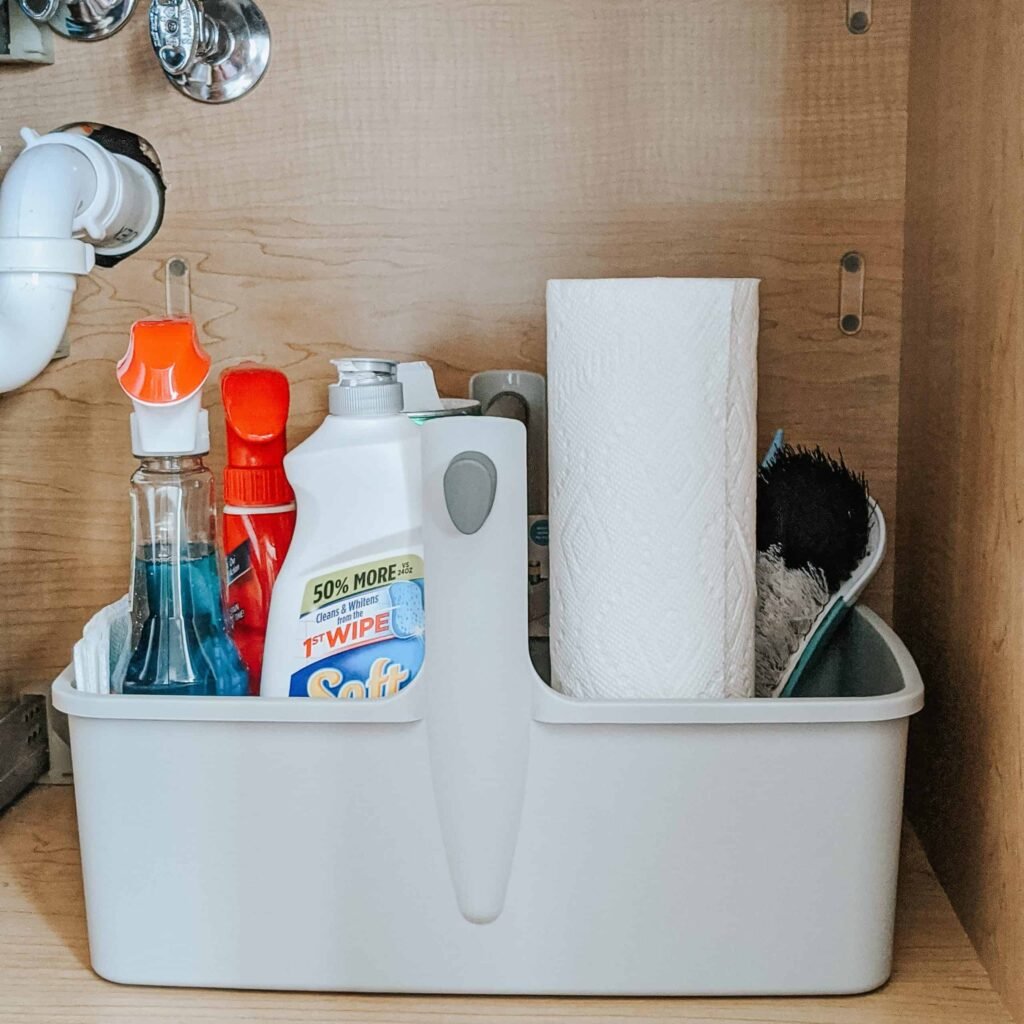
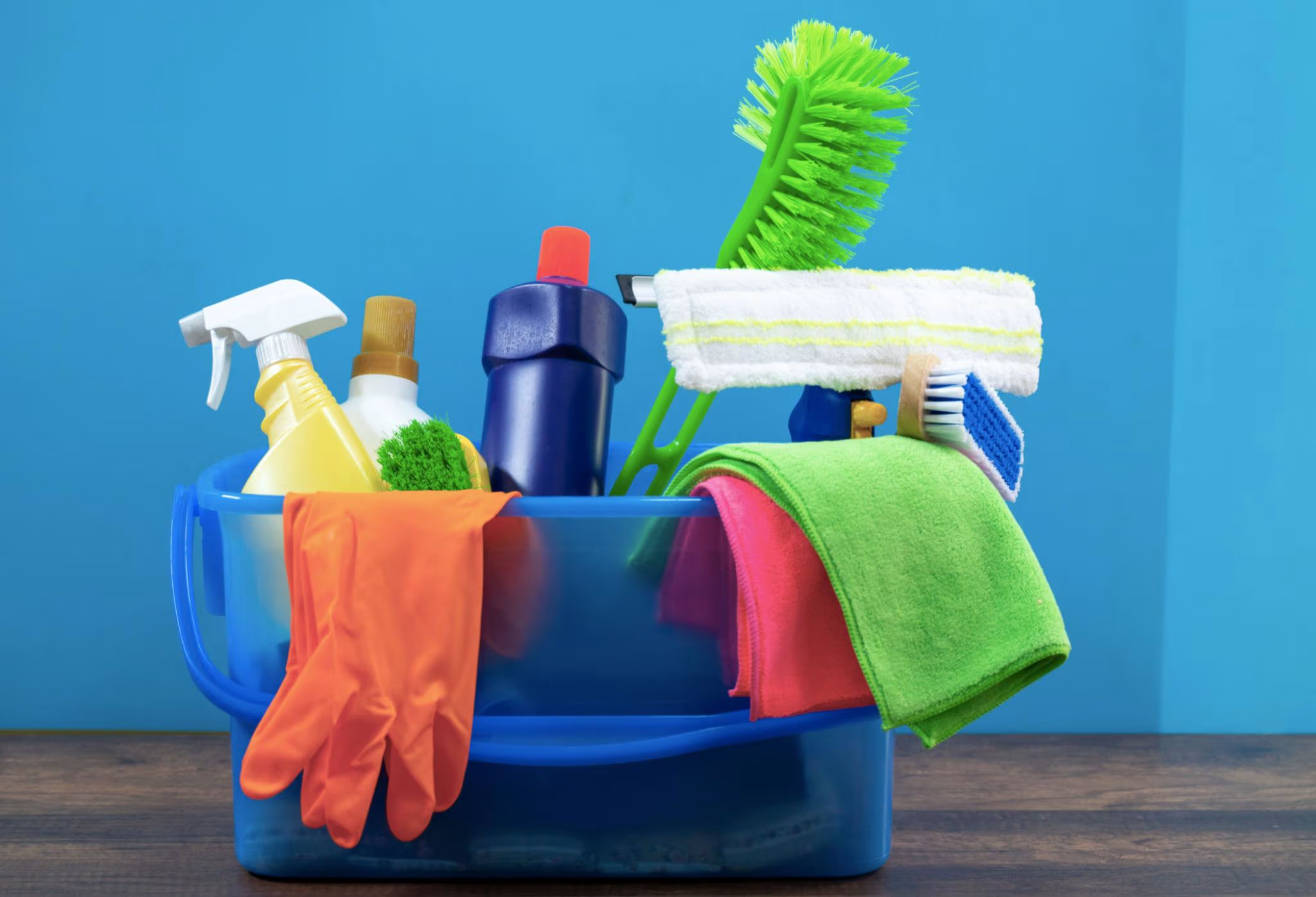
One small thing that makes a surprising difference: keeping all your bathroom cleaning supplies in a single portable caddy. You’re not hunting for the glass cleaner in one cabinet and the scrub sponge under the sink — everything moves with you as you clean.
It also makes it obvious when something runs out, which means fewer mid-clean trips to check if there’s a replacement under the sink.
A caddy pairs naturally with a simple bathroom cleaning checklist — if you haven’t got a cleaning routine pinned down yet, that’s the next thing worth sorting. And if you’re doing a bigger bathroom refresh, you might also find our bathroom remodel checklist useful for thinking about longer-term upgrades.
FAQs
How often should I deep clean my bathroom?
Most bathrooms benefit from a proper deep clean every two to four weeks, depending on how heavily they’re used. Quick wipe-downs of surfaces, the sink, and toilet should happen more frequently — ideally once or twice a week. Grout scrubbing and descaling can be done monthly or whenever you notice buildup starting.
Can I mix bleach and vinegar to clean a bathroom?
No — and this is one worth taking seriously. Mixing bleach and vinegar produces chlorine gas, which is harmful to breathe even in small concentrations. Use them separately, always rinse surfaces between products, and make sure the room is well ventilated when using bleach.
What’s the best cleaner for grout that actually works?
A baking soda paste scrubbed in with a stiff grout brush handles mild discolouration well. For darker staining or mold, a bleach-based gel cleaner applied directly to the grout and left to dwell for 10 minutes typically gives the best results. The brush matters as much as the product — a toothbrush-style grout brush gets into the lines properly.
Are natural bathroom cleaners as effective as chemical ones?
For routine cleaning, yes. Natural cleaners — particularly those using citric acid, baking soda, or hydrogen peroxide — handle everyday soap scum, surface bacteria, and light mineral deposits effectively. Where they fall short is heavy-duty mold removal and thick limescale, where conventional bleach or acid-based products work faster with less scrubbing.
How do I remove hard water stains from a toilet bowl?
Pour white vinegar or a diluted citric acid solution into the bowl and let it sit for at least an hour — overnight works even better for heavy staining. Scrub with the toilet brush and flush. For stains above the waterline, dampen a cloth with the solution and press it against the stain to keep it in contact. Repeat if needed. Avoid bleach for this specific job — it doesn’t dissolve mineral scale.