Estimated reading time: 9 minutes
Last updated on June 23rd, 2026 at 07:08 am
You know that winter feeling — you wake up and your throat feels like sandpaper, your lips are cracked, and your nose is either completely stuffed or running like a faucet. The heater’s been on all night, the air in your bedroom feels bone dry, and you’re standing in front of a wall of humidifiers at the store wondering if the warm mist one is actually worth the extra money over the cool mist version sitting right next to it.
It’s a fair question. Warm mist humidifiers — sometimes called steam vaporizers — do offer some real, practical benefits. But they’re not magic, and they’re not right for every room or every household. Let’s get into what they actually do, where they shine, and where they fall short.
What a Warm Mist Humidifier Actually Does
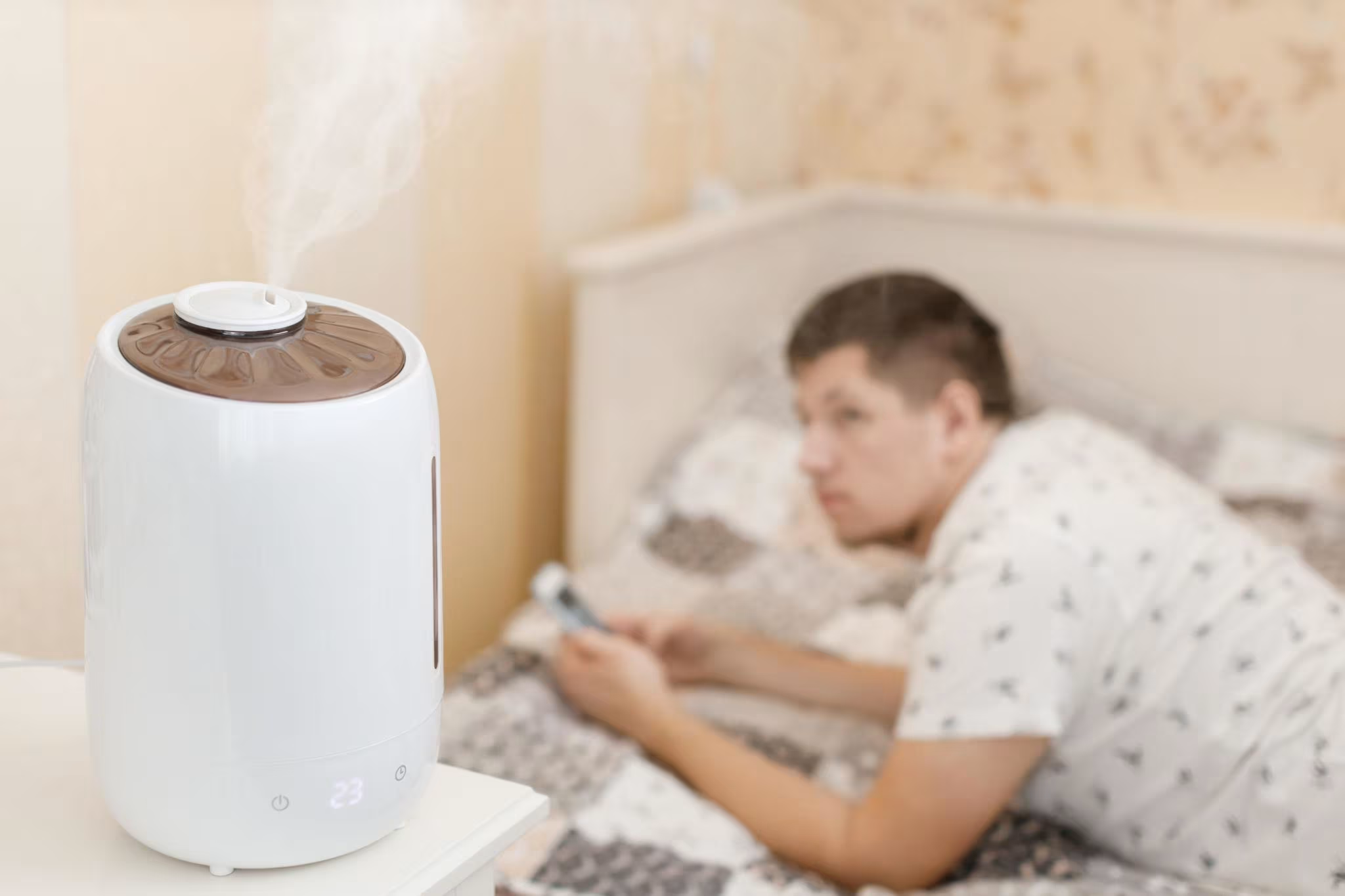
At its core, a warm mist humidifier heats water to create steam, then releases that steam into the room to add moisture to the air. That’s the basic function shared with every humidifier. What sets warm mist apart comes down to a few specific things.
Cleaner Water, Less Mineral Dust
Here’s something that doesn’t get explained well very often: when a cool mist humidifier uses tap water, it can aerosolize the minerals in that water along with the moisture. Over time, this shows up as a fine white film on nearby furniture, electronics, and dark surfaces — the “white dust” a lot of people notice and can’t quite figure out the source of.
Warm mist humidifiers largely avoid this. Because the water is heated to the point of producing steam, those minerals tend to settle rather than get carried into the air with the moisture. If you’ve dealt with that dusty residue before and didn’t know what was causing it, this is a genuinely useful advantage — not just a minor footnote.

There’s also a real, if limited, benefit on the germ front. Heating water to the point of steam does reduce bacteria and mold spores that might be sitting in the tank — and that matters, because stagnant water in a humidifier reservoir is exactly the kind of environment those things grow in. That said, this isn’t the same as sanitizing your whole room. It’s a benefit to the water itself, which is still worthwhile, just not the sweeping “kills germs in your home” claim you sometimes see attached to these devices.
Quiet, Fan-Free Operation
Cool mist humidifiers typically rely on a fan to push moisture into the air, and that fan hum — even on a low setting — is something a lot of people notice at night, especially in a quiet bedroom. Warm mist units don’t need a fan at all, since the steam disperses on its own. If you’re sensitive to background noise while sleeping, or you’re setting one up in a baby’s room where every little sound feels amplified at 2 a.m., this is one of the more noticeable real-world differences.
The Medicine Cup Feature
A lot of warm mist humidifiers include a small medicine cup or inhalant tray, designed for adding things like menthol-based vapor rubs or essential oils. As the unit heats and produces steam, it disperses these along with the moisture.
Is this a gimmick? Not entirely — for someone with a stuffy nose, the combination of warm, moist air and a familiar vapor scent can genuinely feel soothing, similar to how a steamy shower helps when you’re congested. But it’s worth keeping expectations realistic: this is more of a comfort feature than a medical treatment, and it won’t replace anything your doctor’s actually recommended for a real illness.
Warm Mist vs. Cool Mist: Which One Should You Choose?
This is probably the question most people actually want answered, so here’s the direct comparison:
| Warm Mist | Cool Mist | |
| Noise | Silent (no fan) | Audible fan hum |
| Energy use | Higher (heating element) | Lower |
| White dust/mineral residue | Minimal | More common with tap water |
| Safety with kids/pets | Burn/tip-over risk | Generally safer |
| Best for | Quiet bedrooms, adults, cold relief | Nurseries, homes with kids/pets |
| Room temperature effect | Slight warming | None |
Quick answer: if you’re an adult dealing with dry air, a sore throat, or congestion, and noise bothers you at night, warm mist has real advantages. If you’ve got young kids, pets, or anyone who might bump into or knock over the unit, cool mist is the safer default — and many pediatricians specifically recommend cool mist for nurseries for exactly this reason.
On the energy question, let’s just be straightforward about it: warm mist units use more electricity than cool mist ones because they’re running a heating element continuously. Some sources mention that a slightly warmer room could let your thermostat ease off a little, but realistically, the temperature difference from a humidifier is pretty minor — it’s not going to meaningfully offset the extra electricity cost. If energy use is a real concern for your household, that’s worth weighing honestly rather than assuming it balances out.
Does Warm Mist Help with Colds and Congestion?
This is where a lot of articles either oversell or completely dodge the nuance, so let’s address it directly.
For a lot of people, warm, moist air genuinely helps with congestion. It can loosen mucus, soothe a scratchy throat, and ease that tight, dry feeling in your sinuses — similar to the relief you get from a hot shower when you’re sick. Adding the steam to a quiet, dark bedroom overnight can make a noticeable difference in how you sleep with a cold.
But here’s the nuance that often gets left out: for some people — particularly those with asthma or airways that are already significantly inflamed — warm, humid air can feel like it’s making breathing harder rather than easier. This isn’t universal, and it doesn’t mean warm mist is bad for everyone with respiratory issues. It just means this is one of those “try it and pay attention to how you feel” situations rather than a guaranteed win for every cold or congestion scenario.
If you’re someone who’s never used a humidifier before and you’re dealing with a cold right now, running a warm mist humidifier in your bedroom overnight is a reasonable thing to try. Just don’t be surprised if it’s not a dramatic, instant transformation — it’s more of a “takes the edge off” kind of relief than a cure.
Safety and Maintenance: What to Know Before You Buy
This is the part that probably matters most if you’re deciding between warm and cool mist, and it deserves more than a single line.
The heating element is the main safety consideration. Because warm mist humidifiers heat water to produce steam, there’s a genuine burn risk if the unit gets knocked over — the water inside is hot, and a tip-over means hot water spilling onto whatever’s nearby. This is exactly why these units are generally placed on a stable, flat surface, away from the edge of a dresser or nightstand, and out of reach in homes with young kids or curious pets.
For a baby’s room specifically, this is worth being direct about: many pediatricians recommend cool mist over warm mist for nurseries, mainly because of this tip-over and burn risk in a space where a small child could potentially reach or knock into the unit. If you’re setting up a humidifier for an infant’s room, that’s worth factoring in before you buy — even though warm mist might otherwise seem like the cozier choice.
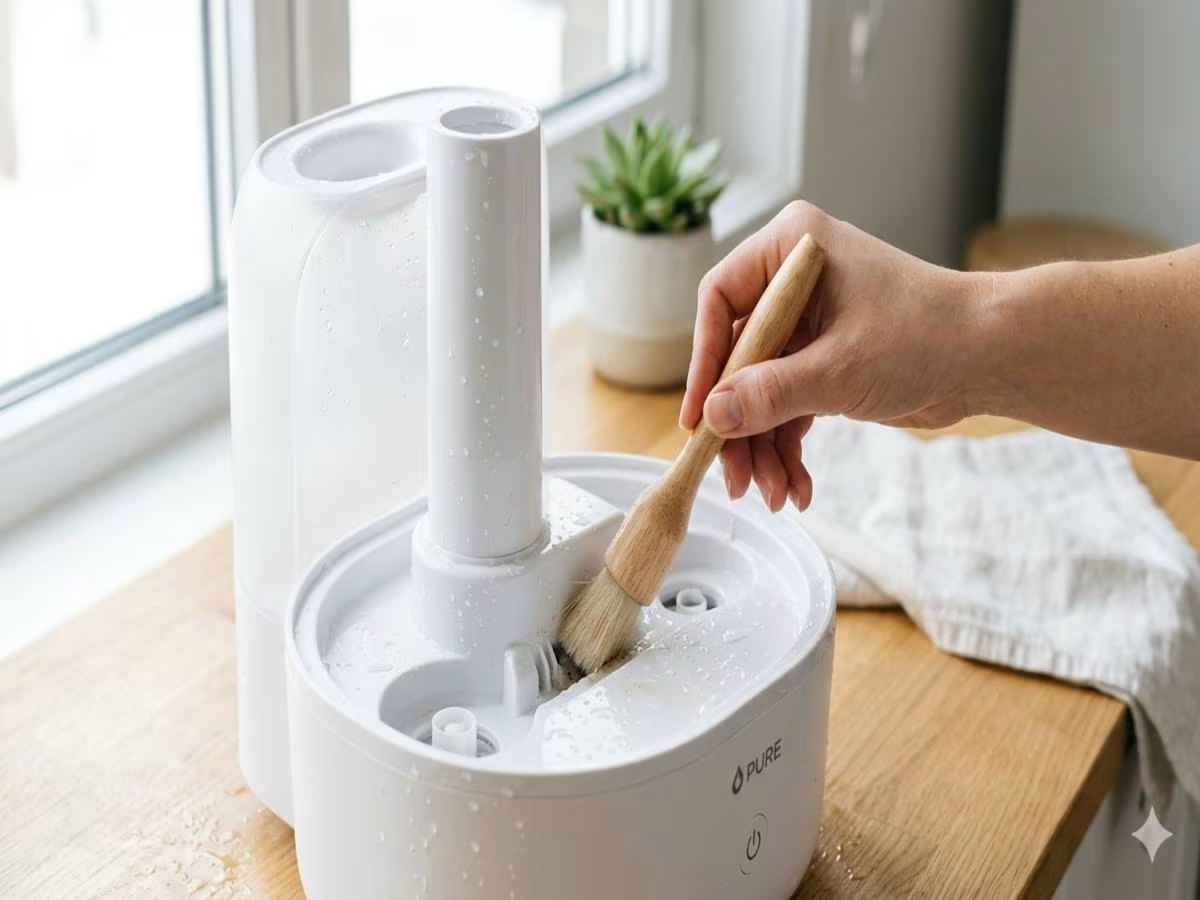
Maintenance matters more than people expect. Because warm mist units are dealing with heated water and mineral buildup, they need regular cleaning — generally every few days if you’re running it continuously, not just “every once in a while.” Skipping this lets mineral deposits build up on the heating element (which can affect how well it works over time) and creates conditions where mold and bacteria can grow in the tank between uses. If you’re not someone who wants to be cleaning a small appliance every few days during the winter, that’s a realistic factor to weigh — it’s part of the actual cost of running one of these, not just the electricity. For a deeper look at exactly how to do this properly, a step-by-step humidifier cleaning guide is worth bookmarking before your first use.
One more practical note: keep the unit away from walls, curtains, and furniture that could be damaged by prolonged exposure to warm, concentrated moisture. A few inches of clearance on all sides goes a long way.
FAQ
What are the benefits of a warm mist humidifier?
The main benefits are quiet, fan-free operation, less mineral dust on furniture compared to cool mist with tap water, reduced bacteria in the tank water itself, a slight warming effect in the room, and the option to use a medicine cup for vapor rubs or essential oils.
Does a warm mist humidifier kill germs?
It reduces bacteria and mold spores in the water inside the tank, which helps prevent that water from becoming a breeding ground — but it doesn’t sanitize the air in your room or act as a household disinfectant.
Is warm mist or cool mist better for a baby?
Cool mist is generally the safer choice for a baby’s room. Warm mist units carry a burn and tip-over risk from the heated water, which is a bigger concern in a space with a small child.
Does a warm mist humidifier help with congestion?
For most people, yes — the warm, moist air can loosen mucus and soothe irritated airways. However, people with asthma or significant airway inflammation may find warm humid air feels uncomfortable, so it’s worth paying attention to how you respond.
How often should you clean a warm mist humidifier?
Roughly every few days during continuous winter use. Skipping this allows mineral buildup on the heating element and creates conditions for mold and bacteria to grow in standing water.
Does a warm mist humidifier use more energy than cool mist?
Yes — the heating element draws more electricity than a cool mist unit’s fan. Any slight warming effect on the room is too minor to meaningfully offset that extra energy cost.