Estimated reading time: 10 minutes
Last updated on June 23rd, 2026 at 05:37 am
Picture this: you’re standing in a 10×10 spare bedroom, measuring tape in hand, trying to figure out how a full-size crib, a dresser, a glider, and a laundry hamper are all going to fit in the same room. At some point the tape measure stops being helpful and the Googling starts.
That’s usually where the mini crib question comes in — and honestly, it’s a good one. Mini cribs have gone from niche to mainstream pretty quickly, and for some families they genuinely are the right call. For others, they’re a short-term fix that ends up costing more in the long run.
This guide is going to give you an actual answer, not a “it depends on your lifestyle” non-answer. Let’s get into it.
What’s the Real Difference Between a Mini Crib and a Standard Crib?
A mini crib is exactly what it sounds like — a smaller version of a regular crib. The typical mini crib measures around 24 inches wide by 38 inches long. A standard crib, by contrast, is regulated by the Consumer Product Safety Commission (CPSC) and must measure 28⅝ inches wide by 52⅜ inches long — with very little deviation allowed.
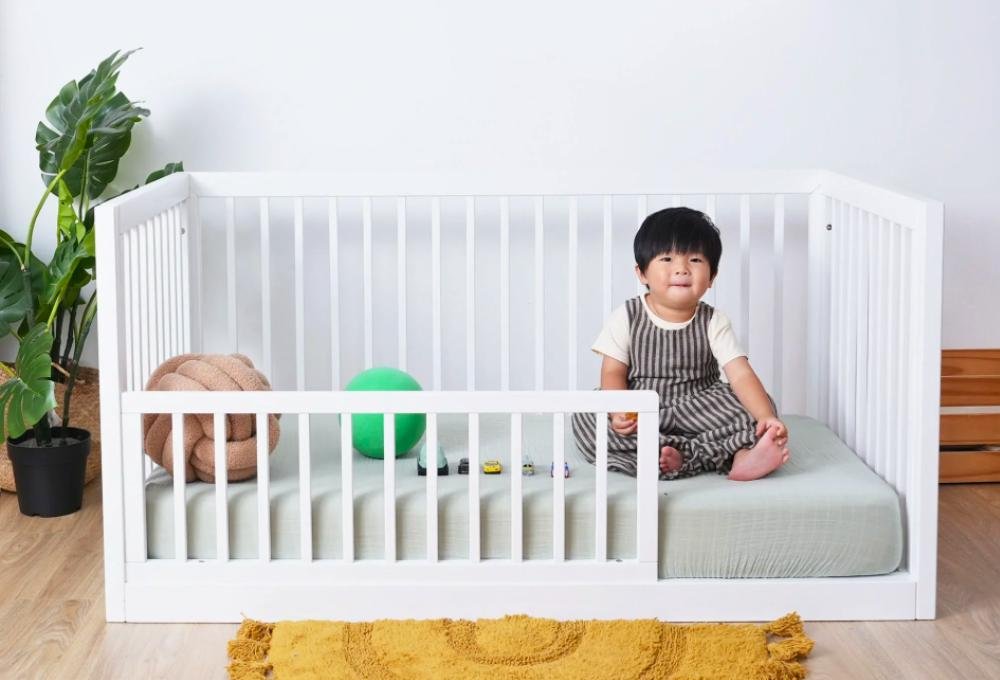
That size difference is bigger than it sounds on paper. We’re talking about 14 fewer inches in length. To put that in real terms: by the time your baby is 16–18 months old and stretching out in their sleep, they’re going to start running into the ends of a mini crib. With a standard crib, that same toddler still has room to move around comfortably until they’re 2½ or even 3 years old.
Beyond size, the two types diverge in a few key ways:
- Portability: Mini cribs are lightweight, often on wheels, and some fold flat. Standard cribs are heavy, fixed pieces of furniture.
- Longevity: A quality convertible standard crib can carry a child from newborn through toddlerhood. Most mini cribs cap out around 18–24 months.
- Accessories: Standard crib mattresses and sheets are sold everywhere. Mini crib mattresses are a different story — more on that below.
Mini Crib vs. Standard Crib: Quick Comparison
| Feature | Standard Crib | Mini Crib |
| Interior dimensions | 28⅝” × 52⅜” (regulated) | ~24″ × 38″ (varies by brand) |
| Typical price range | $100–$1,000+ | $100–$600 |
| Usable age | Newborn to ~3 years | Newborn to ~18–24 months |
| Portability | Low — stays in one place | High — often wheeled or foldable |
| Mattress availability | Widely available in-store and online | Limited, often specialty or online-only |
| Converts to toddler bed | Often yes | Rarely, and without extra length |
| CPSC regulated dimensions | Yes — strict standard | No — dimensions vary by manufacturer |
When a Mini Crib Is Genuinely the Better Choice
There are real situations where a mini crib makes complete sense. Don’t let anyone make you feel otherwise.
Your nursery is small — or isn’t a nursery at all
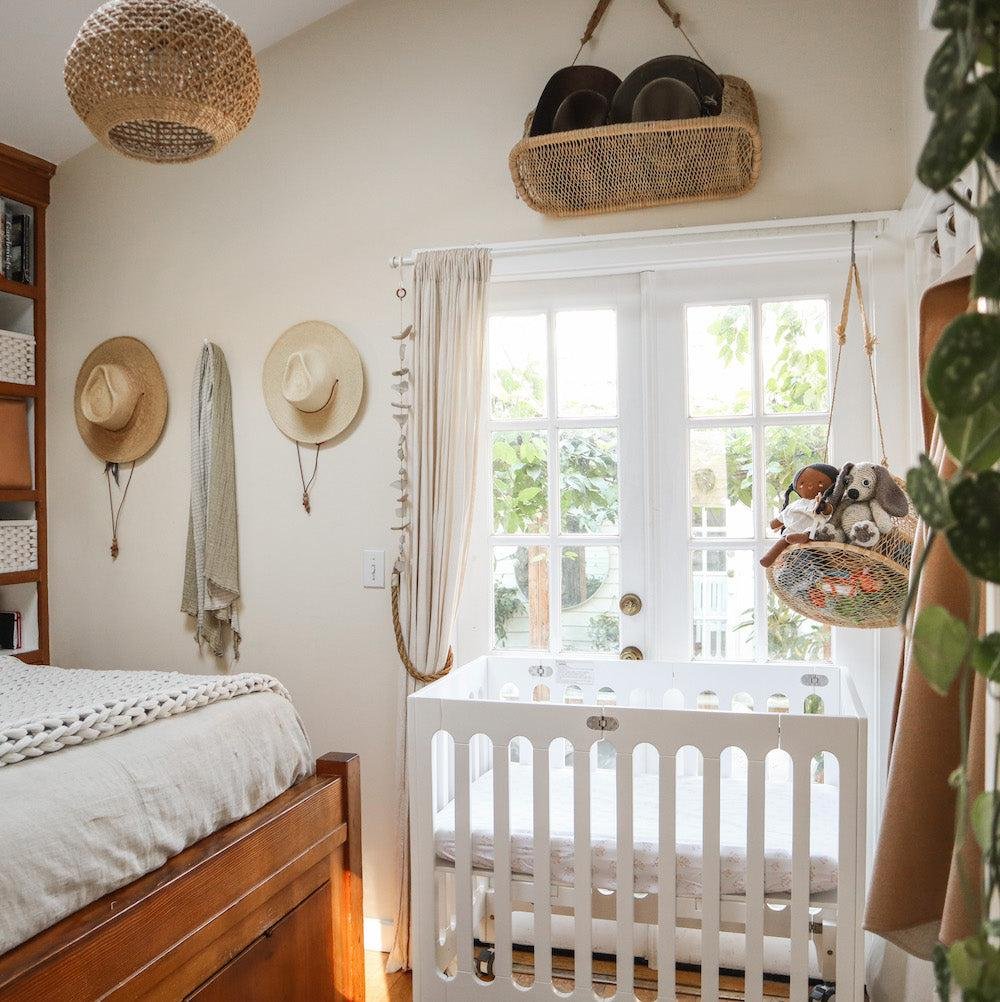
If the room where your baby is sleeping doubles as a home office, a guest room, or your own bedroom, a standard crib can dominate the whole space. A mini crib takes up meaningfully less floor area — roughly the footprint of a large suitcase when folded. If you’re working with a bedroom under 150 square feet and you need space for other things too, that matters.
You’re following room-sharing guidelines
The American Academy of Pediatrics (AAP) recommends keeping baby in the same room as you for at least the first six months — ideally the first year. For a lot of families, that means baby is sleeping in the master bedroom, not a dedicated nursery.
A full-size crib in a master bedroom is a lot. A compact mini crib that tucks beside your bed, especially one on quiet-roll wheels, is a much more practical setup for the room-sharing phase. Once baby moves to their own room, you reassess. [Read more about setting up a safe room-sharing sleep space.]
You have twins in a shared room
Two standard cribs in one bedroom is a space commitment that just doesn’t work in a lot of homes. Two mini cribs, on the other hand, can fit where one standard crib would. If you’re navigating a twin setup, the mini crib might not just be a preference — it might be your only realistic option.
You need a spare crib at a grandparent’s house
This is an underrated use case. A foldable mini crib that lives at a grandparent’s place (or gets pulled out of a closet when you visit) is genuinely useful. You’re not going to drag a full-size crib anywhere. A portable mini crib makes sleepovers and extended visits a lot easier to manage.
When a Standard Crib Is the Smarter Investment
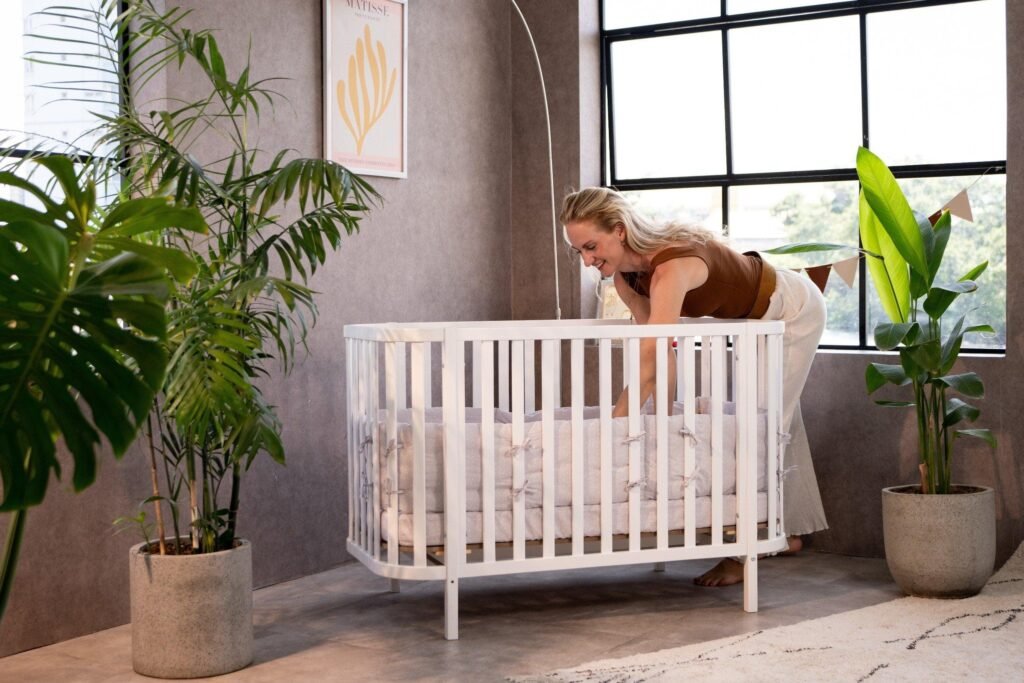
If you have the space and you’re planning to use this crib for a while, the full-size standard crib wins on almost every practical measure.
You want one bed that lasts through toddlerhood
A quality convertible crib — one that transitions to a toddler bed by removing the front panel and adding a guardrail — can genuinely serve your child from birth until they’re 3 or even 4 years old. That’s real longevity. You buy it once, set it up once, and you’re done with the crib stage until you’re ready to sell it or pass it on.
[See our guide to convertible cribs: what to look for before you buy.]
The total cost of ownership is actually lower
Here’s the math nobody runs, but you should. A mini crib might cost $200–$250. That sounds like a deal versus a $500 convertible crib. But when your baby outgrows the mini crib at around 18 months, you’ll need a toddler bed — typically another $100–$200. So now you’ve spent $350–$450 on two beds, dealt with two assembly processes, and gone through two transitions.
The convertible crib at $500 starts looking like the better deal when you lay it out that way. If you buy a cheaper convertible crib in the $300–$400 range, the math swings even more clearly in favour of the standard size.
You’ll actually use the accessories
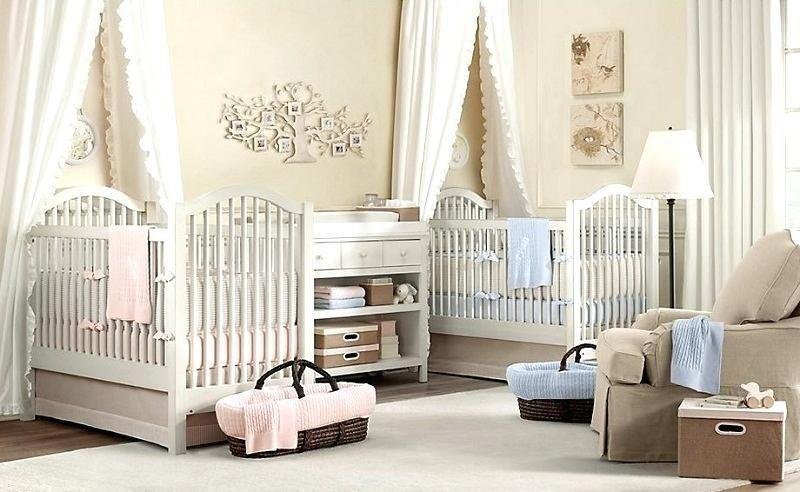
Standard crib mattresses are available from dozens of brands at every price point, in stores and online. You can grab fitted sheets at any baby retailer, find them on sale, or buy a 3-pack without thinking about it. That convenience isn’t nothing — especially in the early months when you’re doing more laundry than you ever thought possible.
What About Safety? (The Honest Answer)
Both mini cribs and standard cribs sold in the US must meet CPSC safety standards. That means drop-side rails are prohibited, slat spacing must prevent head entrapment, and materials need to meet non-toxic requirements. So no — choosing a mini crib doesn’t mean compromising on safety.
What actually matters, regardless of crib type:
- Buy new or from a trusted source. Used cribs can have worn hardware, missing parts, or pre-date updated safety regulations.
- Check that the mattress fits snugly — less than two fingers of gap between the mattress and the crib side on all edges.
- Keep the crib bare. No pillows, bumpers, loose blankets, or positioners. This applies equally to mini cribs and standard cribs.
[Check our full crib safety checklist before setting up your nursery.]
The Mini Crib Accessories Problem (Nobody Warns You About This)
This is the thing most articles gloss over, and it genuinely catches people off guard.
Because standard crib dimensions are regulated, mattresses and sheets for full-size cribs are a commodity. They’re everywhere, they’re affordable, and any store that sells baby stuff will have them.
Mini crib dimensions are not standardised. A 24″ × 38″ mattress from one brand might not fit snugly in a mini crib from a different brand, because mini crib dimensions can vary by a few inches depending on the manufacturer. That means you often have to buy the mattress directly from the crib brand, or hunt specifically for the right dimensions online.
The sheets situation is similar. You’re not going to walk into Target and find a wall of mini crib sheet options. You’ll likely be ordering them online from speciality baby retailers, and you’ll pay a bit more for fewer choices. Budget an extra $20–$40 per fitted sheet compared to standard sizes, and plan to stock up when you find a brand that fits well.
It’s not a dealbreaker — it’s just a reality check. If you go the mini crib route, budget for the mattress early and order a few sheets while you’re at it.
[Here’s how to find the right mattress for a mini crib.]
So Which One Should You Actually Get?
Here’s the honest version:
Get a mini crib if: your nursery space is genuinely limited, you’re planning to room-share for the first year, you need a portable option for a second location, or you have twins and square footage is a constraint. Just go in with eyes open about the accessories situation and the shorter timeline.
Get a standard convertible crib if: you have a dedicated nursery space, you want one bed that lasts until preschool age, and you’d rather pay more now and less overall. Honestly, if space isn’t the issue, the convertible full-size crib is almost always the better long-term call.
The one thing I’d push back on is the idea that choosing a mini crib is somehow cutting corners. For a family in a city apartment, or someone who wants baby close for the first year, a mini crib is the right tool for the job. You’re not being cheap — you’re being practical.
Just make sure you account for what comes next.
FAQs
What is a mini crib and how does it differ from a standard crib?
A mini crib is a smaller baby bed, typically around 24 inches wide by 38 inches long. A standard crib is regulated to measure 28⅝ inches wide by 52⅜ inches long. The key differences are size, portability, and how long your baby can use it — standard cribs typically last until age 2–3, while most babies outgrow mini cribs around 18–24 months.
How long can a baby sleep in a mini crib?
Most babies can use a mini crib until around 18–24 months, depending on the manufacturer’s height and weight limits. Once your child starts feeling cramped, climbs the rails, or hits the weight limit, it’s time to move on — usually to a toddler bed or a standard crib.
Is a mini crib worth it?
It depends on your situation. For small spaces, room-sharing setups, or secondary locations like a grandparent’s house, yes — a mini crib is genuinely worth it. If you have the space and plan to use the crib for 2–3 years, a convertible standard crib is often the better value over time.
Are mini cribs as safe as standard cribs?
Yes. Both mini cribs and standard cribs sold in the US must meet Consumer Product Safety Commission (CPSC) safety standards. The same safe sleep rules apply to both: firm, flat mattress; snug fit; bare sleep surface with no pillows, bumpers, or loose bedding.
Can I find mini crib sheets and mattresses at regular stores?
This is trickier than most people expect. Because mini crib dimensions aren’t standardised, mattresses and fitted sheets are harder to find and more limited in selection than standard crib accessories. You’ll likely need to order them online, and may need to buy the mattress directly from your crib’s brand to ensure a proper fit.
What size is a standard crib mattress?
A standard crib mattress must measure approximately 27¼ × 51⅝ inches (to fit snugly inside the standard crib interior of 28⅝ × 52⅜ inches). This sizing is regulated by the CPSC, which is why standard crib mattresses are so widely available.